My first real encounter with North Indian vegetarian food wasn't in a restaurant. It was in a friend's cramped apartment kitchen in Delhi, watching her mother casually toss whole spices into sizzling oil. The aroma that exploded—cumin, coriander, cloves—was nothing like the bland "curry powder" I'd known. That's the thing about this cuisine. It's not just about skipping meat. It's a vibrant world of textures and flavors built on lentils, vegetables, dairy, and an incredible array of spices. If you think vegetarian food is just salads and steamed veggies, North Indian cooking will change your mind completely. It's hearty, deeply satisfying, and built for sharing. Let's get into what makes it tick and how you can bring it to your table.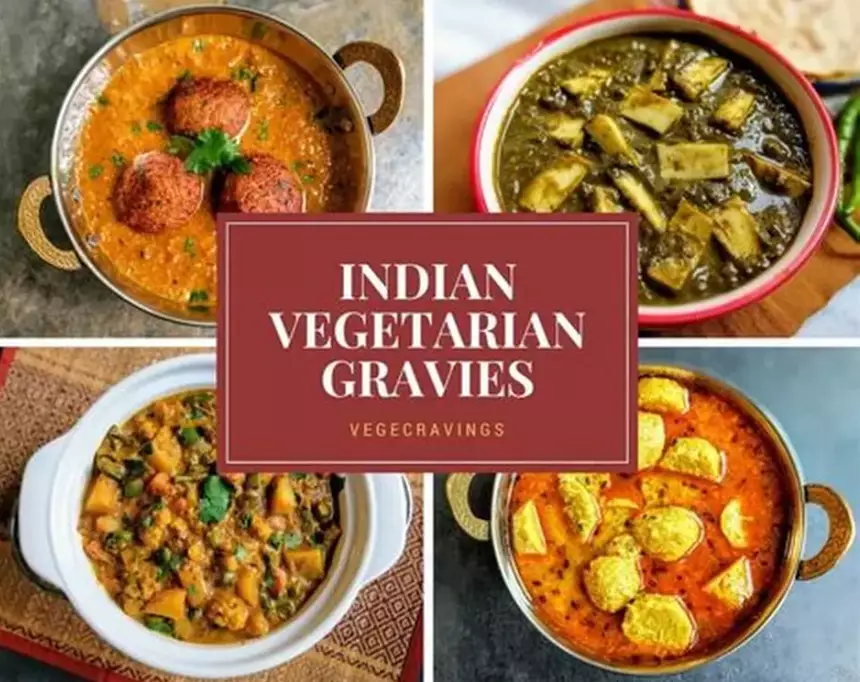
Your Quick Guide to This Article
- The Foundation: What Makes North Indian Vegetarian Food Unique
- Must-Know North Indian Vegetarian Curries
- The Perfect Partners: Breads and Rices
- Snacks, Sides, and Sweet Endings
- Putting It All Together: A Weekly North Indian Vegetarian Meal Plan
- Your North Indian Vegetarian Cooking Questions, Answered
The Foundation: What Makes North Indian Vegetarian Food Unique
Forget the generic idea of "curry." North Indian vegetarian cooking has its own grammar. The base is often a masala—a paste or mixture of aromatics like onion, ginger, garlic, and tomatoes, slow-cooked until the oil separates. This is where the flavor foundation is laid. Dairy plays a starring role: cream (malai), yogurt (dahi), and paneer (fresh cheese) add richness and balance heat. Grains aren't just sides; they're essential tools. You use a piece of soft naan or flaky paratha to scoop up a thick lentil curry (dal makhani). It's interactive eating.
Spices are used whole, ground, or fried. A common beginner mistake is adding ground spices directly to a watery sauce. They just turn muddy. The trick is to fry them briefly in hot oil or ghee at the start (a "tadka") or stir them into the cooking masala. This blooming process unlocks their essential oils and transforms the dish. I learned this the hard way after a few bland, gritty attempts.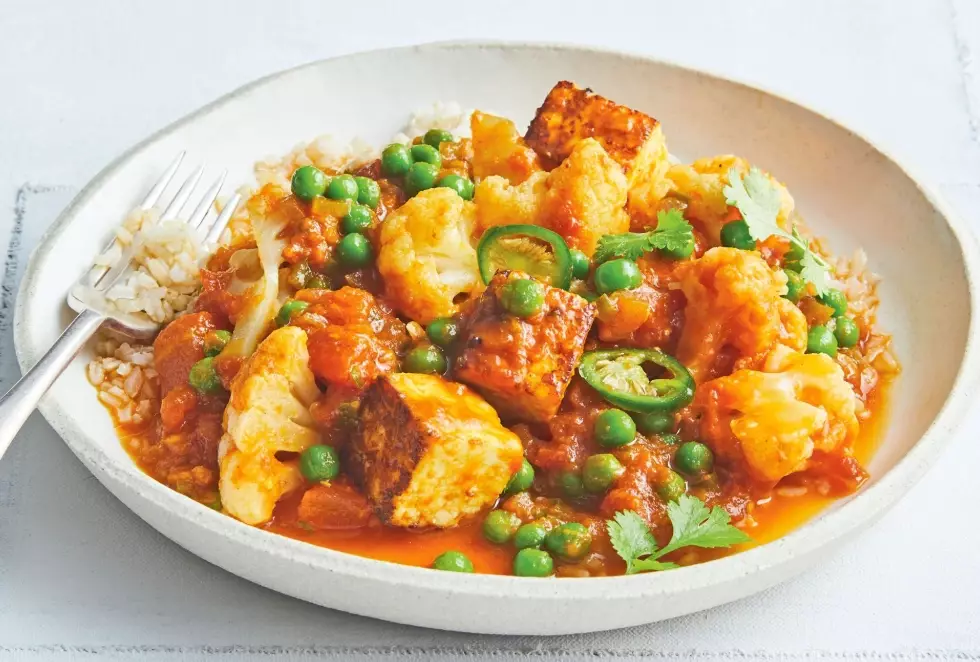
A quick note on ingredients: You don't need a pantry of 50 spices to start. Get these essentials: cumin seeds, coriander powder, turmeric powder, garam masala, red chili powder (Kashmiri for color, less heat), and asafoetida (hing)—a pinch of this adds a savory, umami depth crucial for lentil dishes. A good source for authentic spices and recipes is the website of Vahchef - Vahrehvah, a popular Indian culinary resource.
Must-Know North Indian Vegetarian Curries
These are the workhorses, the dishes you'll find in homes and restaurants across the region.
1. The Creamy Icon: Paneer Butter Masala
This is the vegetarian counterpart to butter chicken. Cubes of paneer are simmered in a luxuriously smooth, slightly sweet, and tangy tomato-cream sauce. The key is roasting the tomatoes, onions, and cashews before blending them into a silky paste. Don't just boil them—roasting concentrates the flavor and removes the raw tang. Some restaurants go overboard with sugar and cream. A good version balances the tomato's acidity with the cream's richness, not by drowning it.
2. The Comfort King: Dal Makhani
Whole black lentils (urad dal) and kidney beans cooked for hours until they collapse into a creamy, smoky, buttery delight. Traditionally, it simmers overnight on dying coals. At home, a pressure cooker does the job, but the final simmer on the stove for 30-45 minutes is non-negotiable. That's when you add the butter and cream (the "makhani") and let the flavors marry. Skipping this slow finish gives you a pot of beans, not dal makhani.
3. The Healthy Powerhouse: Palak Paneer (or Palak Tofu)
Paneer cubes in a vibrant green puree of spinach and spices. The trick to a bright green color? Blanch the spinach quickly in boiling water, then shock it in ice water. This stops the cooking and locks in the color. Puree it with just a bit of green chili and ginger. If you cook the spinach for too long before pureeing, you get that dull, army-green color. For a vegan twist, firm tofu works surprisingly well, but pan-fry it first for better texture.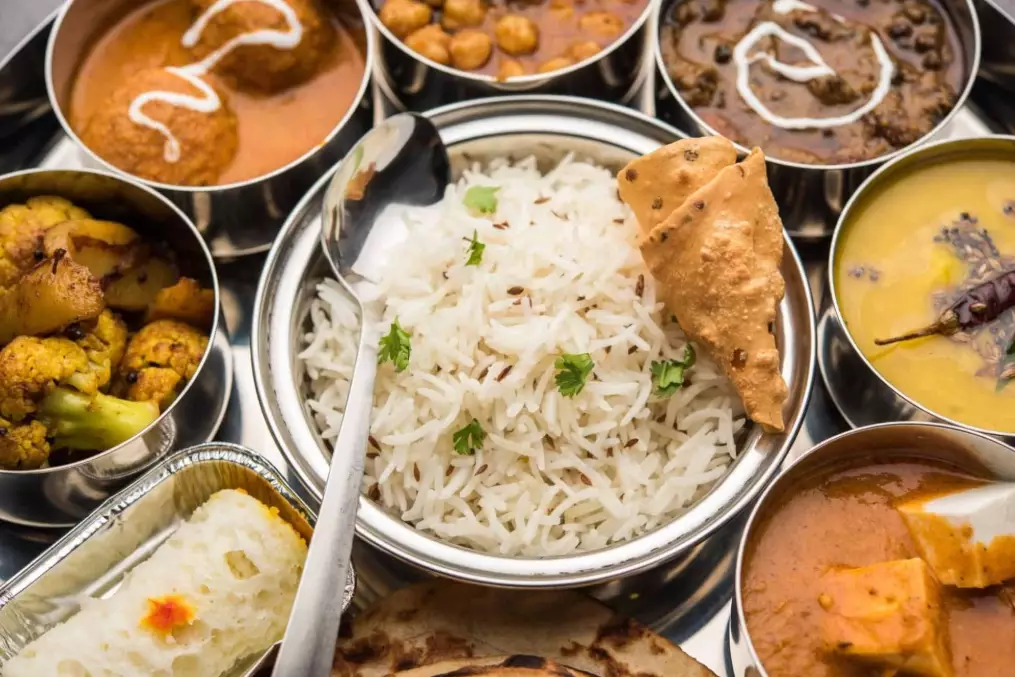
The Perfect Partners: Breads and Rices
Curries need a vehicle. Here are the main ones.
Naan: The leavened, tearable flatbread cooked in a tandoor. At home, a very hot cast-iron skillet or your oven's broiler can mimic the effect. Brush with garlic butter right after cooking.
Roti/Chapati: The everyday whole wheat flatbread, cooked on a griddle (tawa). It's unleavened, healthy, and the real staple in North Indian homes. Getting them to puff up takes practice—the right dough consistency and griddle heat are key.
Jeera Rice: It's not just plain rice. Basmati rice is toasted with cumin seeds and sometimes whole spices like cloves and bay leaf. This simple step adds a fragrant, nutty dimension that complements any curry.
Snacks, Sides, and Sweet Endings
No meal is complete without these accents.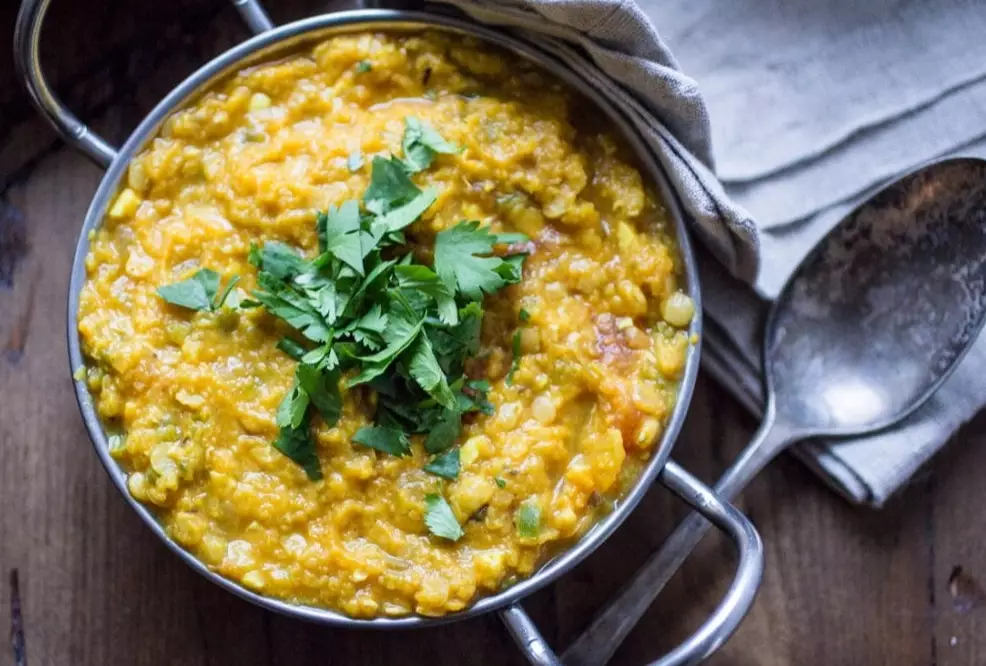
Aloo Tikki: Spiced potato patties, crispy outside, soft inside. Often served as a street food snack with tamarind and mint chutneys. The binding agent is crucial—too much, and it's gummy; too little, and it falls apart. A bit of mashed boiled chickpeas or breadcrumbs helps.
Raita: The cooling yogurt sidekick. Grate cucumber, squeeze out the water, mix with thick yogurt, and add a pinch of roasted cumin powder and salt. It's the perfect foil for spicy dishes.
For Dessert: Gulab Jamun & Gajar ka Halwa
Gulab Jamun are deep-fried milk-solid dumplings soaked in cardamom-scented sugar syrup. They're irresistibly sweet and soft. The store-bought mix is actually quite good for beginners. Gajar ka Halwa is a carrot pudding made by slow-cooking grated carrots in milk and ghee until it's rich and dense. It's a winter specialty. The effort is in the constant stirring.
Putting It All Together: A Weekly North Indian Vegetarian Meal Plan
Here’s a practical plan to get you cooking. It balances effort, flavor, and nutrition.
| Day | Lunch/Dinner | Notes & Prep Tips |
|---|---|---|
| Monday | Rajma (Kidney Bean Curry) + Jeera Rice + Raita | Soak beans overnight. A hearty, protein-packed start. The curry tastes better the next day. |
| Tuesday | Palak Paneer + Whole Wheat Roti | Use frozen spinach to save time. Blanch for color. A quick, healthy green meal. |
| Wednesday | Chana Masala (Chickpea Curry) + Rice or Bread | Used canned chickpeas? Rinse well. Simmer longer in the masala for flavor absorption. |
| Thursday | Leftover Rajma or Chana Masala wrap in a Roti | Add some chopped onions, cilantro, and green chutney. Easy packed lunch. |
| Friday | Paneer Butter Masala + Naan (store-bought or homemade) | Treat night. Make the sauce ahead, add paneer just before serving. |
| Saturday | Aloo Gobi (Potato Cauliflower Stir-fry) + Dal Tadka (Tempered Lentils) + Roti | Two simple dishes. The dal is a basic lentil soup with a hot oil spice pour-over at the end. |
| Sunday | Vegetable Biryani (Layered Spiced Rice) + Raita | Project cooking. Parboil the rice, layer with spiced veggies, and steam. Worth the effort. |
This plan shows the rhythm—some days are for slow-simmered beans, others for quick stir-fries. Always have yogurt and basic lentils (toor or masoor dal) on hand for a fail-safe meal.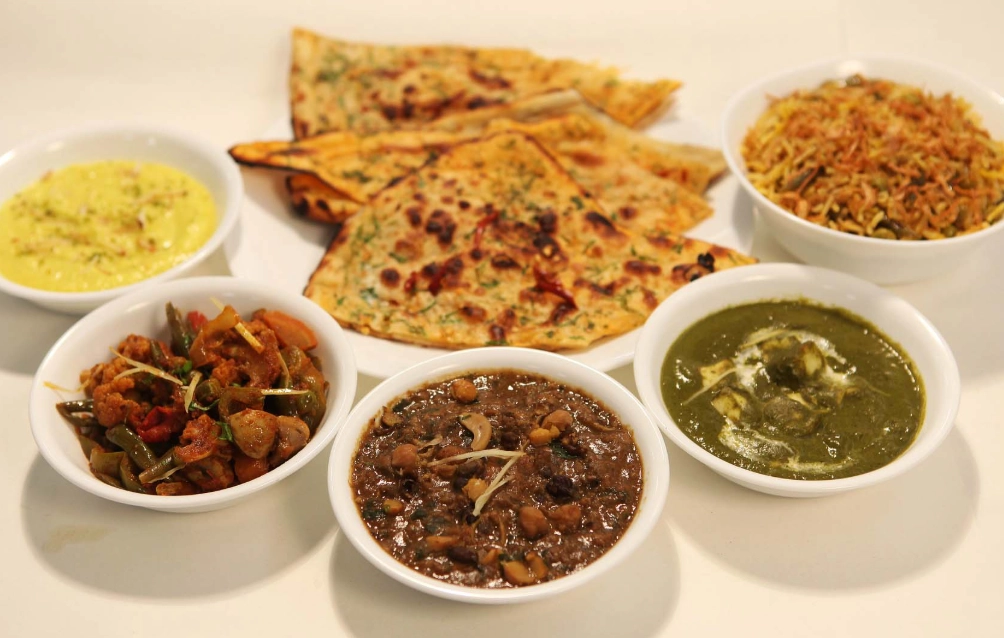
Your North Indian Vegetarian Cooking Questions, Answered
 My spices burn as soon as I add them to the hot oil. How do I prevent this?
Discussion