Let's be honest. Your last attempt at cooking basmati rice probably didn't go as planned. You followed a generic "rice" recipe, ended up with a pot of sticky, clumped-together grains, and wondered why the restaurant stuff is so effortlessly fluffy and aromatic. I've been there. The problem isn't you. The problem is that basmati rice isn't just "rice." It's a specific ingredient that demands a specific, almost ritualistic, approach. Getting it right isn't about fancy techniques; it's about respecting three non-negotiable steps: the wash, the soak, and the steam. Miss one, and you're back to mush.
What You'll Master in This Guide
How to Choose and Prepare Your Basmati Rice
Not all basmati is created equal. Start with a good brand, preferably one from India or Pakistan where the grain is indigenous. Look for aged basmati if you can find it – the aging process (often 1-2 years) dries the grains further, leading to even more elongation and separation during cooking. The first thing you'll notice is the incredible length of the raw grains.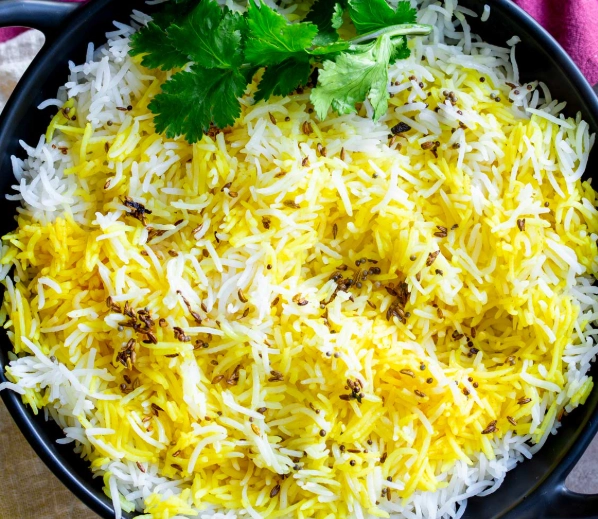
The Critical Rinse and Soak
This is where most people rush. Don't.
Rinsing isn't a quick splash. Place your measured rice in a bowl, cover with cold water, and swirl with your fingers. The water will turn cloudy white almost instantly. That's surface starch, the enemy of fluffy rice. Pour it out. Repeat. And repeat. Do this 4-5 times until the water runs almost clear. This step is non-negotiable for preventing gumminess.
Now, soaking. After the final rinse, cover the rice with fresh cold water and let it sit. 30 minutes is the minimum. I prefer 45 minutes to an hour. This isn't optional time-saving advice. Soaking allows the moisture to penetrate the hard core of the grain. If you skip this, the outside of the grain will cook and become soft long before the heat reaches the center, leading to broken grains and an uneven texture. The soaked grains will have plumped up slightly and lost their brittle, translucent edge.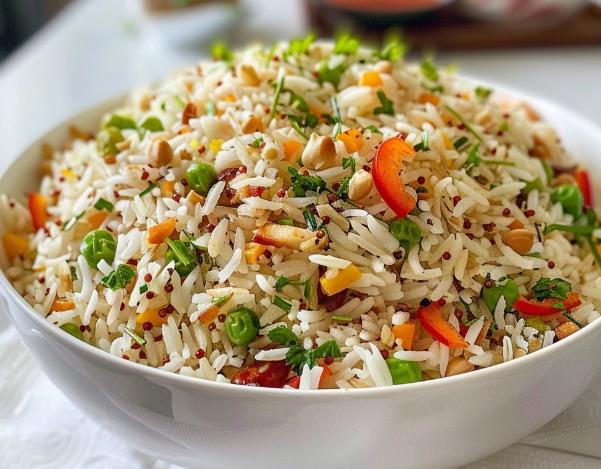
The Exact Water Ratio and Cooking Method
This is the heart of the matter, and where everyone gets tripped up. Throw out the "1 cup rice to 2 cups water" rule. It's wrong for soaked basmati.
For perfect, separate grains, the ratio is **1 cup of soaked, drained rice to 1.5 cups of water.**
For a slightly softer, more traditional texture (like what you'd get in a good biryani layer), use **1 cup of rice to 1.75 cups of water.**
My first ten attempts failed because I used the 1:2 ratio. The result was always slightly sticky, never that perfect standalone grain. The reason? Soaked rice already holds water. It needs less from the pot.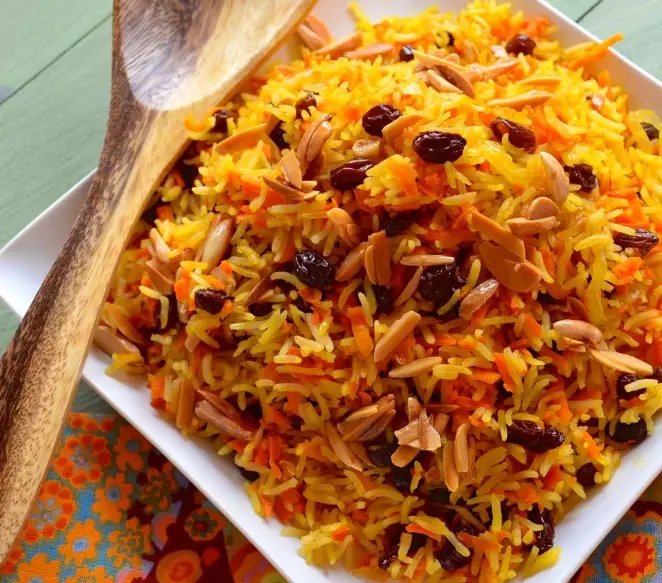
The Cooking Process
Drain your soaked rice thoroughly. Use a fine-mesh strainer and give it a good shake. Add it to a heavy-bottomed pot with a tight-fitting lid. This is important – a thin pot will scorch the bottom, and a loose lid will let out precious steam.
Add the correct amount of fresh, cold water. Add a generous pinch of salt. Optional: a teaspoon of ghee or neutral oil. This adds a lovely aroma and can help keep grains apart.
Bring it to a full, rolling boil over high heat, uncovered. You'll see bubbles forming around the grains. Once it's boiling vigorously, immediately reduce the heat to the absolute lowest possible setting. Cover with the lid.
The Final Fluff and Rest (The Secret Step)
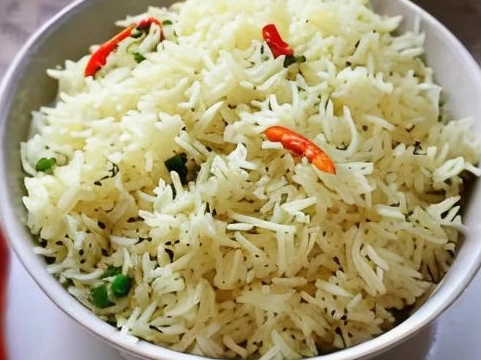
When the timer goes off, turn off the heat. Do not open the lid. This is the second most common mistake. Let the pot sit, covered and off the heat, for another 10 minutes. This "rest" period allows the residual heat and steam to evenly distribute moisture throughout every single grain. It finishes the cooking process gently and ensures no wet, undercooked spots at the top or burnt bits at the bottom.
Now, and only now, remove the lid. You'll see tiny steam holes across the surface of the rice. Take a fork – never a spoon, which mashes the grains – and gently fluff the rice from the edges inward. Lift and separate. You'll hear the distinct, light sound of dry, separate grains. That's the sound of success.
Troubleshooting: Fixing Common Basmati Problems
Even with the best instructions, things can go sideways. Here’s your quick fix guide.
Rice is wet/sticky at the bottom: Too much water, or heat was too high during the steaming phase. Next time, reduce water by 2 tablespoons and ensure the heat is as low as it can go.
Rice is undercooked/hard: Not enough water, or you lifted the lid during cooking. Could also mean the pot wasn't heavy-bottomed and lost heat too quickly. Stick to the ratio and don't peek.
Rice smells burnt at the bottom: Heat was too high. Always use a heavy pot and the lowest flame once you put the lid on.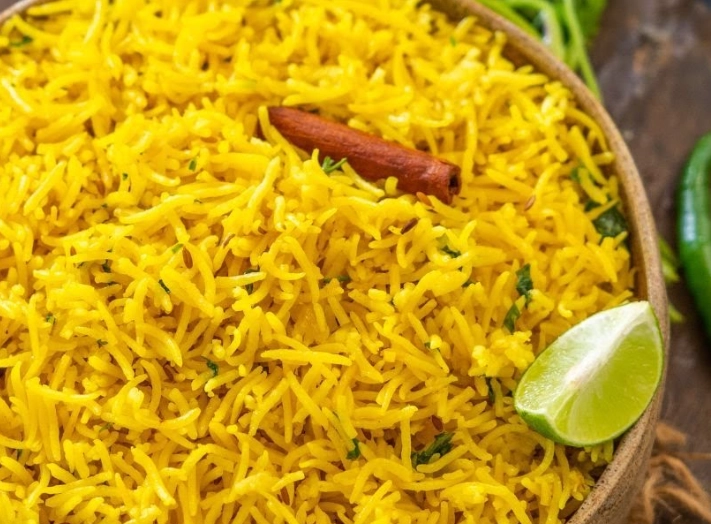
Grains are broken: You may have stirred or agitated the rice while it was cooking or during the fluffing. Be gentler. Also, check your rinsing technique – being too rough can crack grains before they even hit the pot.
Your Basmati Rice Questions, Answered

Mastering basmati rice feels like a small victory. It's a foundational skill that instantly elevates any Indian meal you make at home, from a simple dal to a complex curry. Once you get the rhythm – rinse, soak, measure the water precisely, boil, steam, rest, fluff – it becomes second nature. And the reward is that breathtaking pot of fragrant, long, perfectly separate grains. It’s worth the patience.
Discussion