Let's be honest. When most people think of Indian food and weight loss in the same sentence, they imagine a sad, flavorless compromise. Steamed broccoli next to a bland chicken breast. But what if I told you that traditional Indian cuisine, at its core, is one of the most weight-loss-friendly diets on the planet? The problem isn't the food itself—it's how it's often prepared in restaurants and modern kitchens.
I spent years bouncing between fad diets, convinced my love for dal and sabzi was holding me back. It wasn't until I spent time with my grandmother, watching her cook, that I realized the mistake. We've conflated "Indian food" with "restaurant-style Indian food." The former is built on lentils, vegetables, whole grains, and a pharmacy of metabolism-boosting spices. The latter is often loaded with cream, excess oil, and sugar to cater to a specific palate.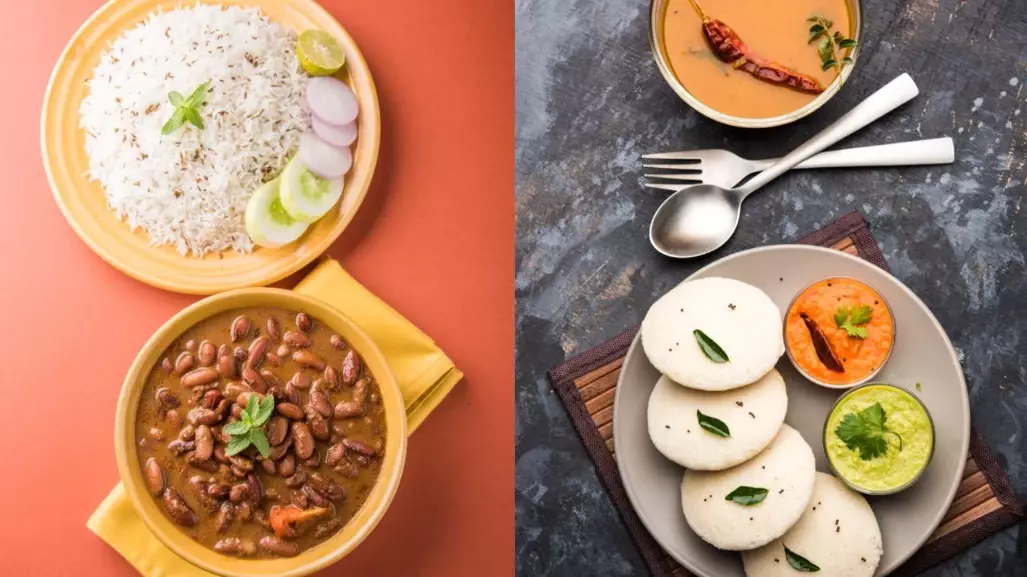
Your Quick Guide to Smarter Eating
- How Traditional Indian Food Can Help with Weight Loss
- Building Your Weight Loss Plate: The Indian Way
- The Best Indian Cooking Methods for Weight Loss
- What to Enjoy and What to Limit (A Clear List)
- Common Mistakes Even Indians Make
- Putting It Together: Sample Meal Ideas
- The Real Test: Navigating Restaurants & Social Meals
- Your Burning Questions Answered
How Can Traditional Indian Food Help with Weight Loss?
Forget the butter chicken and garlic naan for a second. Look at the foundation.
Traditional home-style Indian meals are a masterclass in balanced nutrition. They're inherently high in fiber and plant-based protein, which are two of the most critical elements for feeling full and maintaining muscle while in a calorie deficit. A typical thali (plate) isn't just one thing; it's a combination of elements that work together.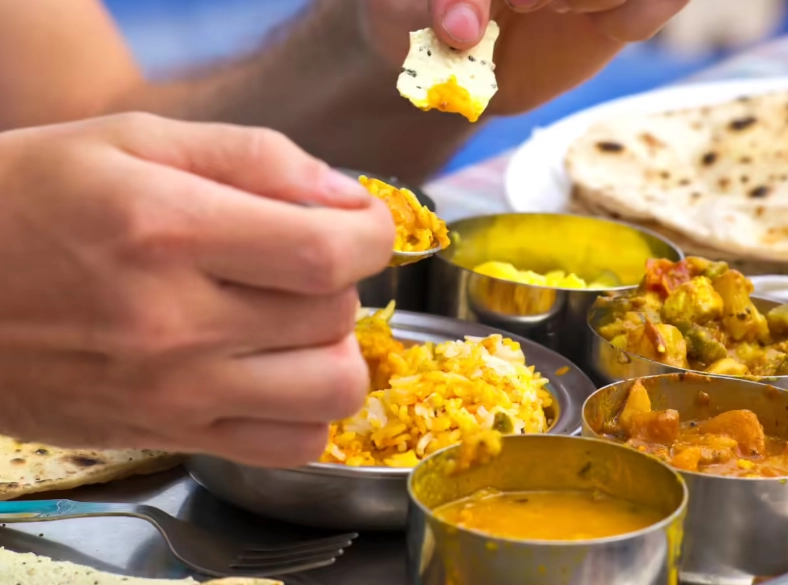
The Non-Consensus Bit: Everyone talks about spices like turmeric for anti-inflammatory benefits. That's great. But the real weight loss magic is in the combination. Cumin (jeera) isn't just for flavor. Studies, including those referenced by institutions like Harvard Health Publishing, suggest compounds in cumin may aid digestion and even mildly influence blood sugar regulation. Fenugreek seeds (methi) are packed with soluble fiber, which slows down carbohydrate absorption. When you eat a dish seasoned with this spice blend, you're not just eating—you're giving your metabolism a nudge.
The Power of Pulses (Dal)
Lentils, chickpeas, beans—these are the unsung heroes. A bowl of dal provides sustained energy. It prevents the blood sugar spikes and crashes that lead to cravings. Compare eating a large bowl of yellow dal (moong dal) with rice to eating just plain white rice. The former will keep you satisfied for hours; the latter will have you searching for snacks in 90 minutes.
Vegetable-Centric Dishes (Sabzi)
An Indian meal often features not one, but two or three different vegetable preparations. This isn't a side of steamed carrots. It's spinach cooked with garlic and cumin (palak), okra dry-roasted with spices (bhindi masala), or a mixed vegetable stew. You're effortlessly hitting your veggie quota.
Building Your Weight Loss Plate: The Indian Way
Think of your plate in quarters, but with an Indian twist.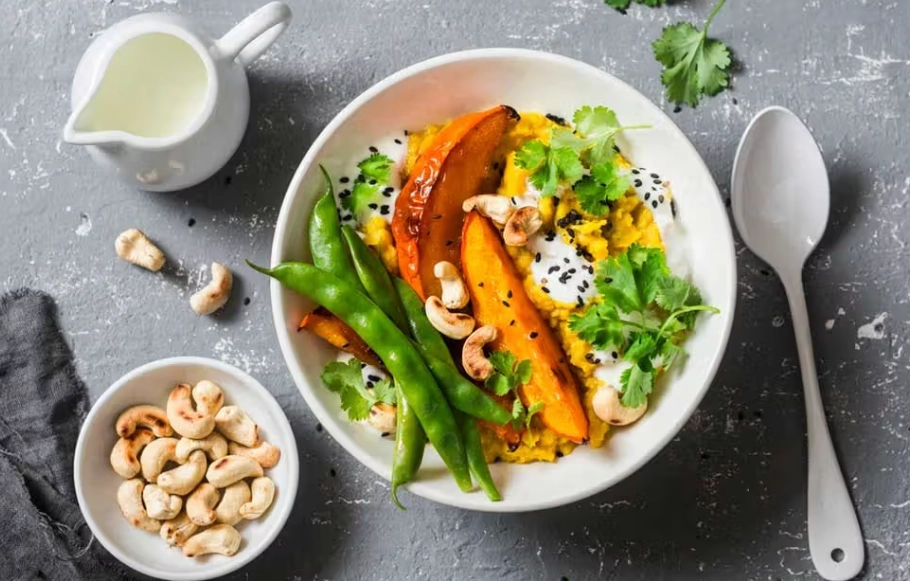
Half your plate: Non-starchy vegetables. This is your sabzi, your salads (koshimbir), your lightly cooked greens. Aim for variety and color.
One quarter of your plate: Plant-based protein. This is your dal, chana masala, rajma (kidney beans), or a small portion of paneer (cottage cheese) cooked in a tomato-onion gravy without cream.
One quarter of your plate: Complex carbohydrates. This could be 1-2 whole wheat rotis, a small bowl of brown rice, or a millet like bajra or jowar roti. The key is small and whole grain.
A small bowl of yogurt (dahi) or raita on the side adds probiotics and protein.
What Are the Best Indian Cooking Methods for Weight Loss?
This is where the rubber meets the road. You can take the healthiest ingredients and ruin them with the wrong technique.
- Tempering (Tadka): This is brilliant. You heat a small amount of oil (1-2 tsp), add spices like mustard seeds, cumin, and asafoetida until they crackle, and pour this flavored oil over your cooked dal or sabzi. Maximum flavor, minimum oil.
- Dry Roasting/Sautéing: Cooking vegetables like okra, cauliflower, or potatoes in a non-stick pan with just a spray of oil and spices until tender. Bhuna is a similar technique where you cook down ingredients to intensify flavor without adding liquid fat.
- Steaming & Boiling: Idlis, dhoklas, and boiled legumes are staples. They're incredibly low in fat and high in nutrients.
- Grilling & Tandoori: Marinating lean proteins or vegetables in yogurt and spices and grilling them. Think tandoori chicken (skinless) or paneer tikka.
The Method to Avoid: Deep-frying (pakora, puri, samosa, most restaurant curries that are first fried) and excessive use of cream, cashew paste, or butter (as in many restaurant versions of makhani or korma). A single serving of palak paneer from a typical restaurant can have a cup of cream blended in—that's hundreds of hidden calories.
What to Enjoy and What to Limit: A Practical Table
| Enjoy Freely / In Moderation | Limit / Be Cautious With |
|---|---|
| All dals (moong, masoor, toor) – focus on thinner, soupier versions. | Cream-based curries (Butter Chicken, Shahi Paneer, Malai Kofta). |
| Vegetable sabzis – dry or with gravy made from tomatoes/onions. | Deep-fried appetizers (Pakora, Samosa, Bhaji). |
| Tandoori items (chicken, fish, paneer, veggies). | Breads made with refined flour (Naan, Kulcha, Bhatura). |
| Whole grain rotis (jowar, bajra, whole wheat). | White rice in large quantities (opt for small portions of brown or hand-pounded rice). |
| Salads & Raita (use low-fat yogurt). | Sweetened yogurt drinks (Lassi – ask for unsweetened). |
| Soups (rasam, tomato shorba). | Desserts (Gulab Jamun, Jalebi, Kheer). |
Common Mistakes Even Indians Make (And How to Fix Them)
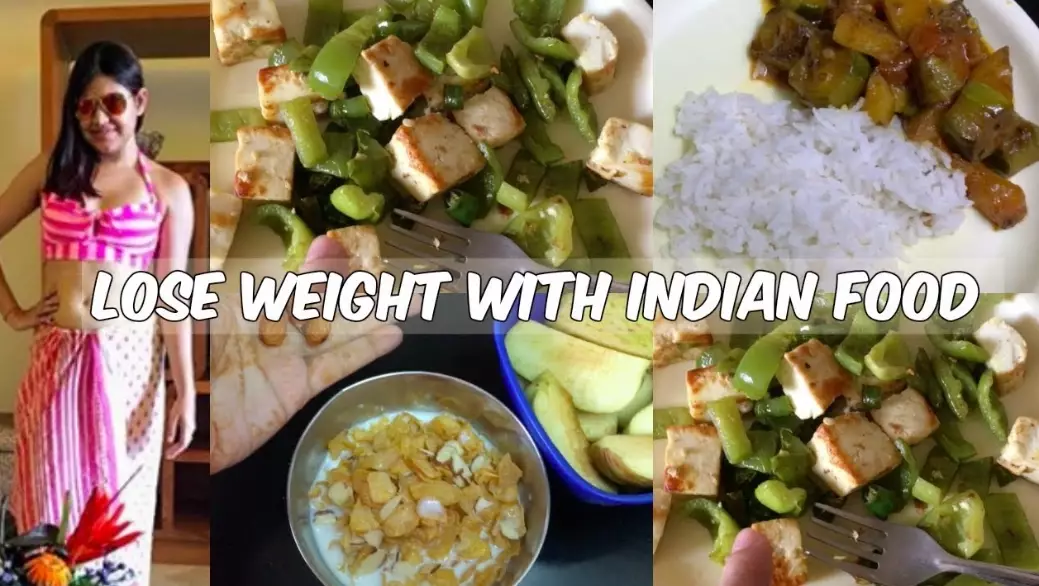 I see this all the time. Someone decides to "eat healthy" and just starts eating platefuls of dal and brown rice. They're eating good food, but they're still overeating.
Mistake 1: The Carb-Heavy Plate. Three rotis, a mountain of rice, and a tiny bit of sabzi. Flip it. Make the vegetables the main event.
Mistake 2: Overdoing the "Healthy" Fats. Yes, ghee and coconut have benefits. No, that doesn't mean you can pour them liberally. A teaspoon for flavor is enough.
Mistake 3: Drinking Calories. Sweet lassi, chai with heaps of sugar, sugary sherbets. Switch to masala chai with just a hint of jaggery, plain buttermilk (chaas), or water infused with cumin and mint.
Mistake 4: Skipping Protein at Breakfast. A carb-only breakfast of idli or poha leads to a mid-morning slump. Add a bowl of sambar or a side of sprouts to your idli. Mix some peanuts or paneer into your poha.
Putting It All Together: A Week of Simple, Satisfying Ideas
This isn't a rigid diet plan. It's a framework. Mix and match.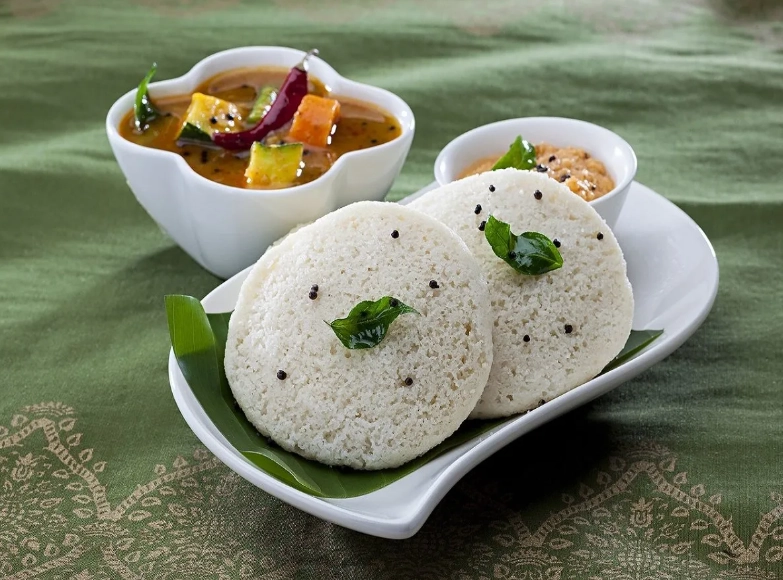
Breakfast: Moong dal chilla (lentil crepes) with mint chutney. Or, vegetable upma (semolina porridge) made with lots of peas and carrots. A bowl of plain yogurt is perfect with either.
Lunch: A large portion of bhindi masala (okra), a bowl of yellow dal, one whole wheat roti, and a small kachumber salad (onion, tomato, cucumber).
Dinner: Chicken or paneer tikka (grilled) with a big bowl of lauki (bottle gourd) sabzi and a light rajma (kidney bean curry). Skip the rice or roti if you're not very active in the evenings.
Snack: Roasted chana (chickpeas), a handful of nuts, sliced cucumber with chaat masala, or a small fruit.
The Real Test: Navigating Indian Restaurants & Social Meals
You will eat out. You will go to weddings. The goal isn't perfection; it's damage control and smart choices.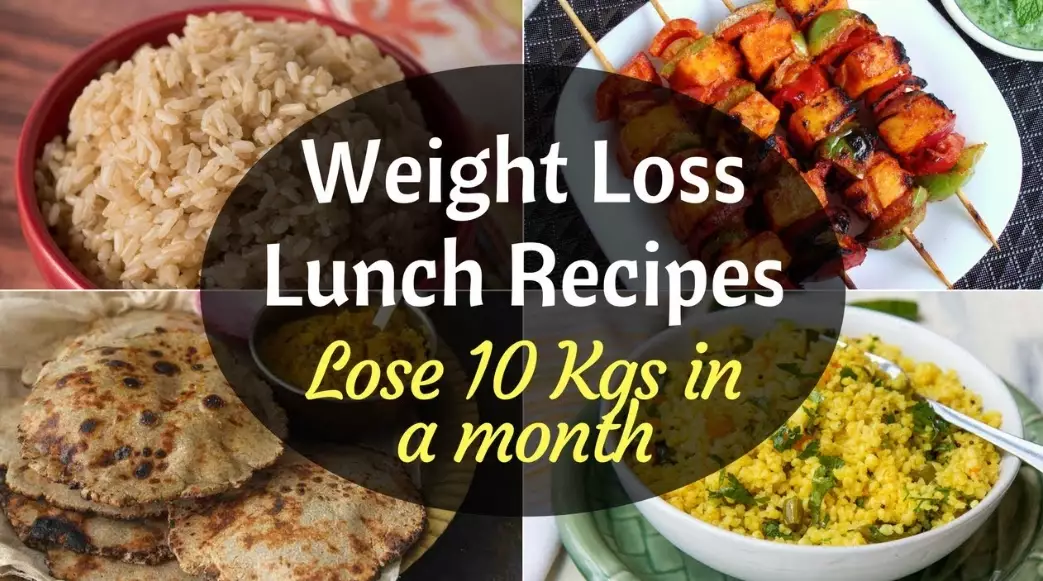
At a restaurant, I immediately ask for these three things: Tandoori Roti (it's usually drier than butter naan), Dal Tadka (ask if it's made with less oil), and Bhindi Fry or Baingan Bharta (eggplant roasted and mashed). I avoid anything with "makhani," "malai," or "korma" in the name. I share one richer dish if I really want a taste.
At a buffet, I fill my first plate with salad and the dry vegetable dishes. I take tiny portions of anything else. I completely avoid the fried station and the dessert section. I drink water, not sweet drinks.
Your Burning Questions Answered
 The bottom line is this: Don't abandon Indian food to lose weight. Reclaim it. Go back to its roots—the simple, flavorful, vegetable-and-lentil-centric cooking of home kitchens. Pay attention to how things are cooked, watch your portions (especially of carbs and fats), and let the powerful combination of spices and fiber do the rest of the work. It's a way of eating you can sustain for life, not just for a few weeks. And that's the only kind of weight loss that truly lasts.
Discussion