Your Snack Adventure Map
Let's be honest, the word "snack" often gets a bad rap. It's associated with guilt, empty calories, and that mid-afternoon slump. But what if I told you that snacking could be the highlight of your day? Not just tasty, but actually good for you? That's where Indian cuisine comes in. For generations, Indian kitchens have mastered the art of creating small bites that are packed with flavor, texture, and genuine nourishment. We're not talking about deep-fried samosas here (though I love those too, don't get me wrong). We're talking about a whole world of healthy Indian snack recipes that are based on lentils, sprouts, vegetables, yogurt, and whole grains.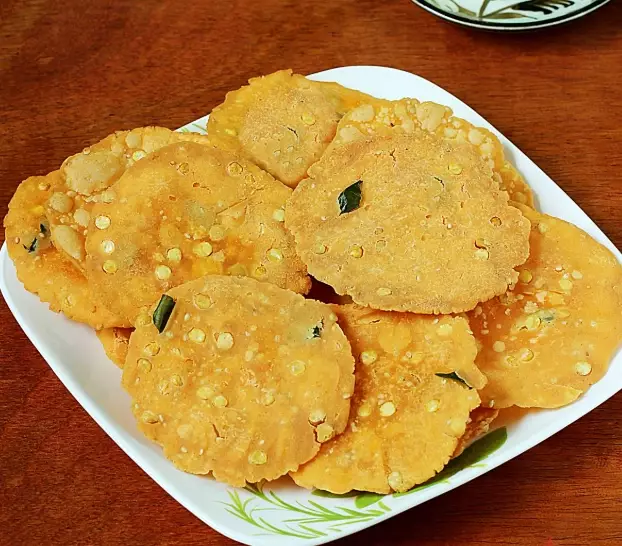
I remember visiting my aunt in Mumbai. Around 4 PM, without fail, the kitchen would come alive. Not for a full meal, but for "nashta" – snack time. It was never a bag of chips. It was a plate of sliced cucumbers with a sprinkle of chaat masala, or a small bowl of roasted chana, or maybe some leftover dhokla. It was simple, satisfying, and kept everyone going until dinner. That's the spirit we need to capture.
So, if you're tired of the same old apple or rice cakes, and you're craving something with a bit of personality and spice, you're in the right place. This is your guide to transforming your snack game with healthy Indian snack recipes that are surprisingly easy to make at home.
What Makes an Indian Snack "Healthy"? Let's Break It Down
Before we dive into the recipes, it's worth understanding the principles. Calling something "healthy" can be vague. When I talk about healthy Indian snack recipes, I'm looking at a few key things:
- Whole Ingredients as Stars: The snack is built around a whole food – think chickpeas, potatoes, spinach, semolina, yogurt. It's not a highly processed product pretending to be food.
- Smart Cooking Methods: While frying has its place, many healthy snacks use steaming, roasting, sautéing, or baking. A roasted papad is very different from a fried one, you know?
- Protein and Fiber Focus: The best snacks combine these two to keep you full. Lentils, beans, and dairy are fantastic sources. A snack that's just carbs will leave you hungry an hour later.
- Spices Over Salt and Sugar: Instead of loading up on sodium or refined sugar, Indian snacks get their kick from blends like chaat masala, roasted cumin powder, and black pepper. Flavor without the downside.
It's also about portion. These aren't meant to be massive plates of food. They're bridges between meals. A small bowl, a couple of pieces, that's it. The magic is in how satisfying that small amount can be.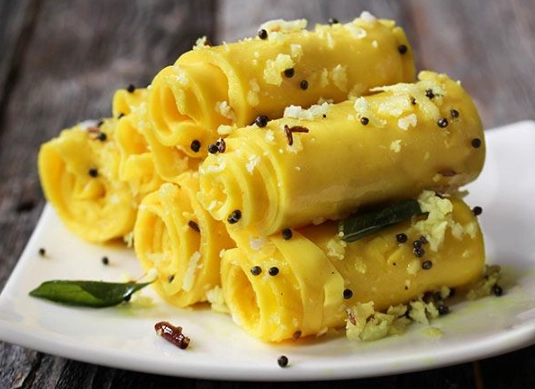
Your Go-To List of Healthy Indian Snack Recipes
Alright, let's get to the good stuff. I've grouped these based on what you might be in the mood for. Some are ready in 10 minutes, others require a bit of planning. All of them are winners in my book.
Category 1: The Quick & No-Cook Wonders
You're hungry now. You don't want to turn on the stove. These snacks are your saviors.
Sprouted Moong Chaat: This is my absolute favorite. If you have sprouted mung beans (moong) in the fridge, you're golden. If not, a can of chickpeas works in a pinch. Toss the sprouts with finely chopped onion, tomato, cucumber, a huge handful of fresh cilantro, a squeeze of lime, a pinch of salt, and a generous dusting of chaat masala. That's it. It's crunchy, juicy, tangy, and packed with living enzymes and protein. I sometimes add a handful of pomegranate seeds for a sweet burst. The whole thing takes 5 minutes.
Fruit Chaat with a Twist: Chop up any seasonal fruit – apple, pear, banana, orange, grapes. Add a tiny pinch of salt (trust me), a bigger pinch of chaat masala, and maybe a light sprinkle of roasted cumin powder. The salt enhances the sweetness, and the spices make it incredibly moreish. It's a fantastic way to eat more fruit.
Category 2: The Savory & Substantial Bites
These are for when you need something a bit more hearty, almost a light meal.
Bhel Puri (The Healthy-ish Version): Traditional bhel from the streets is amazing but can be oily. The home version is where you control the ingredients. Start with puffed rice (murmura). Make sure it's fresh and crisp. Add finely chopped boiled potatoes, onions, tomatoes, cilantro. Now, the sauce: mix some tamarind chutney (imli) and green chutney (coriander-mint) with a bit of water to make it drizzle-able. Toss everything together gently. Top with sev (fine gram flour noodles) – yes, this is the fried element, but you use just a tablespoon for crunch. The base is light puffed rice and veggies. It's a textural party in a bowl. You can find a great breakdown of traditional chaat components on the Veg Recipes of India website, a fantastic resource for authentic vegetarian cooking.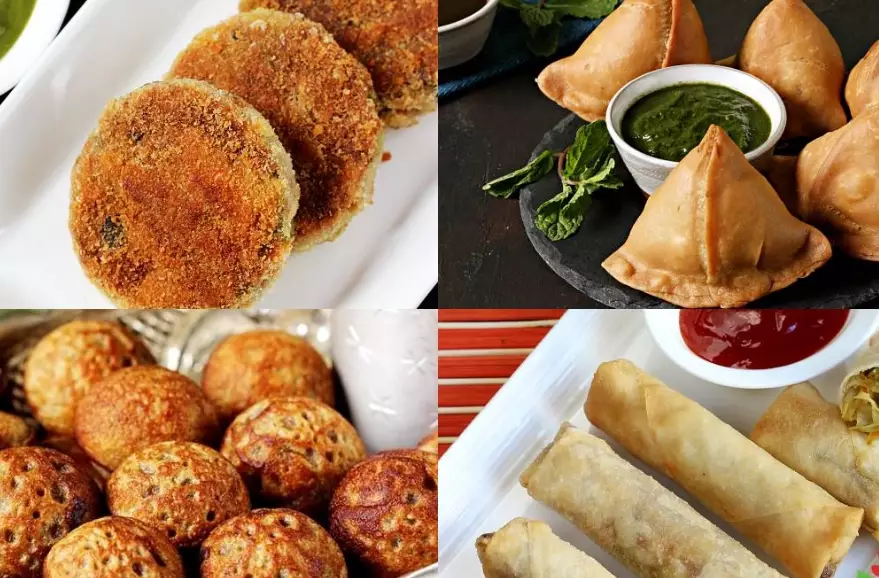
Ragi (Finger Millet) Cookies or Mathri: This is a baked or shallow-fried option. Ragi flour is incredibly nutrient-dense, rich in calcium and iron. Mix ragi flour with some whole wheat flour, carom seeds (ajwain, great for digestion), a little oil, and water to make a stiff dough. Roll out and cut into shapes. Bake at 180°C until crisp or shallow-fry in minimal oil. These are savory, sturdy, and perfect for dipping in tea or yogurt. They keep well in a tin for days.
Category 3: The Steamed & Wholesome Classics
These are the gems of Gujarati and South Indian cuisine – light, fluffy, and often fermented.
Khaman Dhokla: This steamed chickpea flour cake is a masterpiece. It's high in protein, low in fat, and utterly delicious. The batter ferments slightly (thanks to eno fruit salt or citric acid), making it light and spongy. Once steamed, it's tempered with mustard seeds and curry leaves, then garnished with fresh coconut and coriander. Eat it with green chutney. It's a snack that feels like a celebration. The first time I made it, I was terrified it wouldn't fluff up. It did, and the feeling was glorious.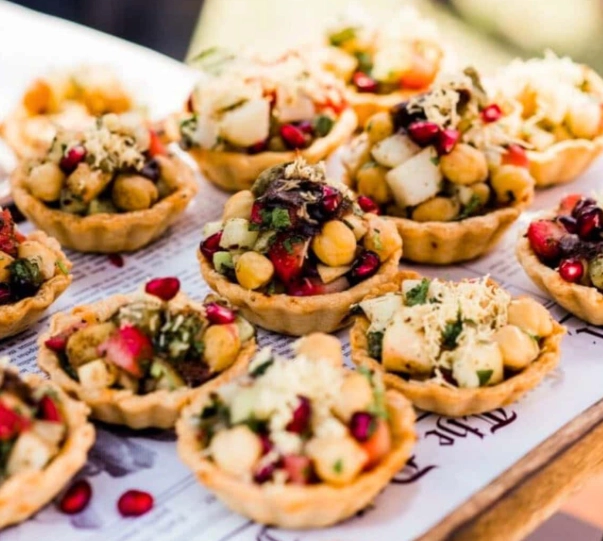
Moong Dal Chilla (Savory Lentil Pancakes): Think of these as Indian-style savory crepes, but made from ground soaked moong dal (split yellow lentils). Blend the soaked dal with ginger, green chili, and salt to make a smooth batter. Pour a ladleful onto a hot non-stick pan, swirl, drizzle a few drops of oil around the edges, and cook until golden. You can fill them with grated vegetables while cooking. They are soft, protein-packed, and incredibly versatile. Have them with tomato ketchup or a tangy pickle.
Here’s a quick comparison to help you choose based on your time and needs:
| Snack | Key Ingredient | Prep/Cook Time | Best For | Health Highlight |
|---|---|---|---|---|
| Sprouted Moong Chaat | Sprouted Mung Beans | 5 mins (no cook) | Instant hunger, post-workout | High protein & fiber, raw nutrients |
| Bhel Puri (Home-style) | Puffed Rice, Veggies | 15 mins | Craving crunch & tang | Low in fat, high volume |
| Khaman Dhokla | Chickpea Flour | 45 mins (incl. steaming) | Make-ahead, group snack | Steamed, fermented, high protein |
| Moong Dal Chilla | Split Yellow Lentils | 30 mins (incl. soaking) | Hearty, breakfast-for-snack | Gluten-free, complete protein source |
| Ragi Cookies | Finger Millet Flour | 40 mins | On-the-go, kids' snack box | Rich in calcium & iron |
The Secret Arsenal: Chutneys & Spice Blends
A discussion on healthy Indian snack recipes is incomplete without talking about the accompaniments. They are the flavor amplifiers.
- Green Chutney: A blend of fresh coriander, mint, green chili, ginger, lemon juice, and a touch of salt. It's vibrant, fresh, and full of antioxidants. It goes with literally everything.
- Sweet & Sour Tamarind Date Chutney: Made by boiling tamarind pulp with dates (for natural sweetness), jaggery, and spices. It's a source of iron and adds a complex sweet-tangy note. You can control the sugar by adjusting the dates.
- Roasted Cumin Powder: Just dry roast cumin seeds until fragrant and grind. It adds a smoky, earthy depth to yogurt, fruit, or chaats.
Having these in your fridge means you can turn a simple plate of cucumber sticks or a boiled sweet potato into an exciting snack in seconds.
How to Actually Make This a Habit (The Real Talk Section)
Finding healthy Indian snack recipes is one thing. Actually making them regularly is another. Here's what worked for me, without the preachy "just be disciplined" advice.
Weekend Prep is Non-Negotiable: I'm lazy on weekdays. So, on Sunday, I spend 30 minutes. I might sprout a cup of moong (just soak overnight, then drain and keep in a colander covered with a cloth for a day). I'll make a batch of green chutney. I'll roast some makhanas (fox nuts) or chana (chickpeas) and store them in a jar. This tiny investment means that on Tuesday at 4 PM, my healthy snack is just an assembly job away.
Embrace the Simple: Not every snack needs to be a recipe from a blog. A cup of plain yogurt (dahi) whisked with a pinch of salt and roasted cumin powder is a fantastic, probiotic-rich snack. Sprinkle some puffed bajra (millet) on top for crunch. Done.
Involve the Family: Making dhokla or chilla can be a fun activity with kids. They love pouring the batter, watching it steam, and decorating it. If they help make it, they're more likely to eat it.
Answering Your Burning Questions (FAQ)
Final Thoughts: It's About Joy, Not Just Nutrition
At the end of the day, the goal isn't to turn snacking into a clinical exercise of counting macros. The real win is finding healthy Indian snack recipes that you genuinely look forward to. Food should be a source of pleasure and connection. These snacks, rooted in tradition and common sense, offer just that.
They connect you to a way of eating that is intuitive and seasonal. They make your kitchen smell amazing. And they prove that "healthy" doesn't have to mean bland or boring. It can be a burst of tangy, spicy, crunchy, and cool all in one bite.
So, pick one recipe that caught your eye. Maybe it's the no-cook sprout chaat, or maybe you're feeling adventurous and want to try steaming dhokla. Gather the ingredients, and give it a shot. Don't worry if it's not perfect the first time. My first chilla was a torn, sticky mess. But it still tasted good. That's the beauty of this – even the "failures" are usually edible.
Start small, enjoy the process, and soon you'll have your own repertoire of go-to healthy Indian snack recipes that make you feel good, inside and out. Happy snacking!
Discussion