Let's be honest. The idea of making idli from scratch can feel intimidating. Soaking, grinding, fermenting for hours – it sounds like a weekend project, not a quick breakfast. I used to think that too, until a failed batch of rock-hard idlis taught me that the "easy" part isn't about skipping steps, it's about understanding the few non-negotiable rules. This guide strips away the mystery. I'll give you a simple idli recipe that works, explain the why behind each step, and point out the tiny mistakes most beginners make (I've made them all). By the end, you'll have a batch of soft, pillowy idlis ready for your morning chutney.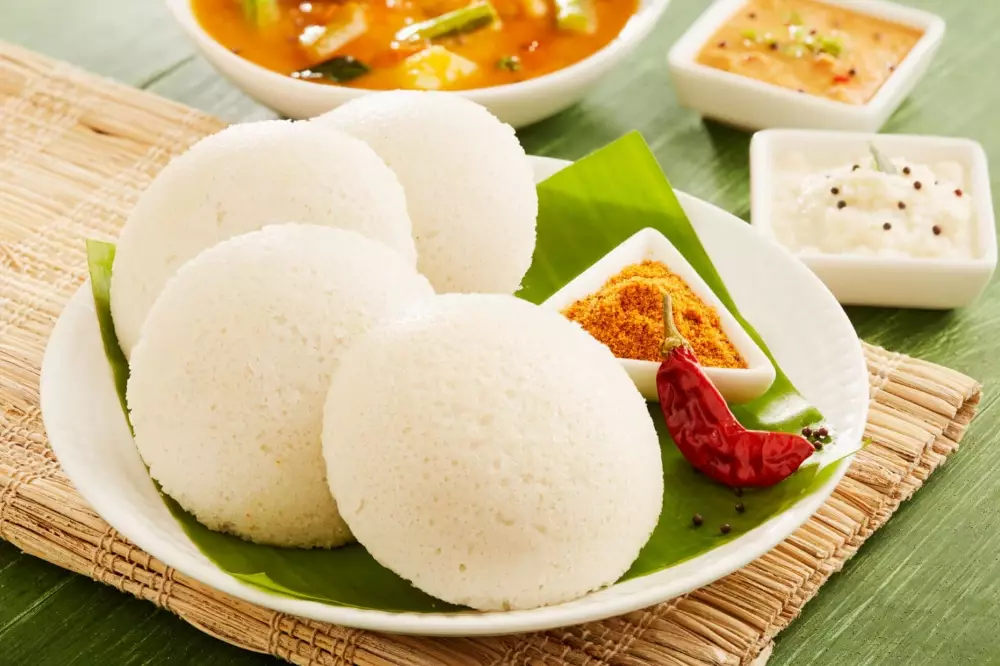
Your Idli Making Roadmap
What You'll Need: The Simple Ingredients
Forget complicated spice lists. Authentic idli batter needs just three core ingredients. The magic is in their ratio and treatment.
| Ingredient | Quantity (for 4-5 servings) | Purpose & Notes |
|---|---|---|
| Idli Rice or Parboiled Rice | 2 cups | This is the backbone. Idli rice gives the best texture. If you can't find it, use regular parboiled rice (like Sona Masoori) – not Basmati or Jasmine. |
| Whole Urad Dal (Black Gram) | 1/2 cup | This is the engine. The skin-on urad dal is crucial for fermentation. De-husked/split urad dal won't give the same rise. |
| Fenugreek Seeds (Methi) | 1/2 teaspoon | The secret helper. It aids fermentation and adds a subtle, characteristic flavor. Don't skip it. |
| Salt | 1.5 teaspoons (or to taste) | Added after fermentation. |
| Water (for grinding) | As needed | Use clean, filtered water if possible. |
My Go-To Ratio: The 4:1 rice-to-dal ratio (by volume) is your golden rule. For every 1 cup of urad dal, use 4 cups of rice. This balance ensures the idlis are light yet structurally sound. Too much dal makes them dense; too little makes them dry.
The Step-by-Step Idli Making Process
This isn't a race. Plan for about 30 minutes of active work spread over 8-12 hours (mostly waiting).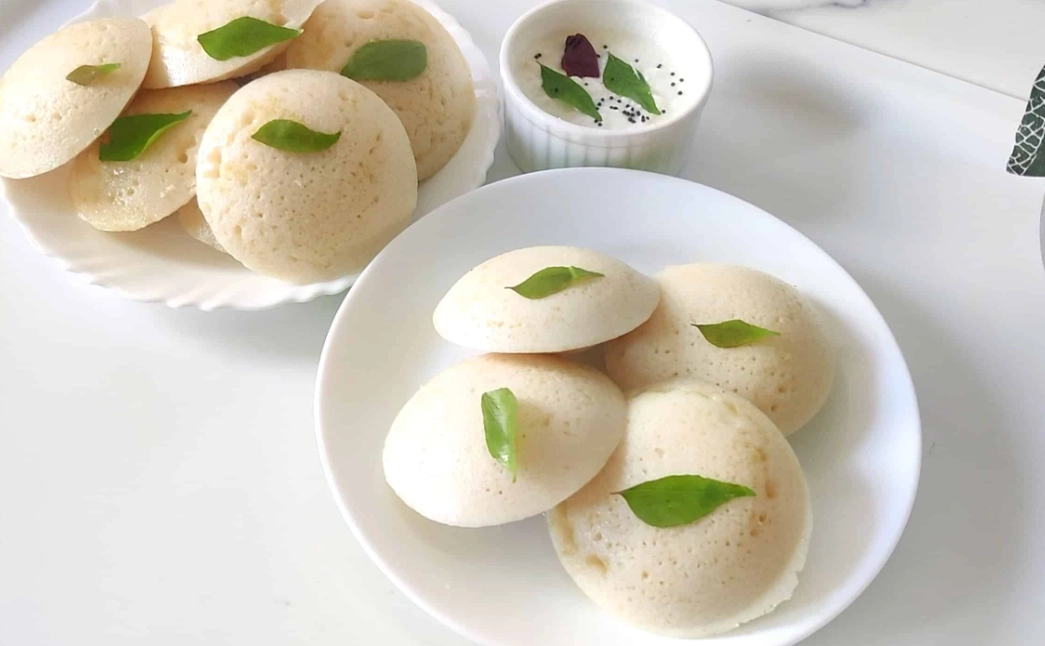
1. Soaking: The Foundation
Wash the rice and urad dal separately until the water runs clear. This is important. Soak them in separate bowls with plenty of water. Add the fenugreek seeds to the urad dal bowl. Let them soak for a minimum of 4 hours, ideally 6-8. Overnight is fine, especially in cooler climates.
Why separate? Rice and dal have different grinding requirements. Soaking them together is the first shortcut that leads to inconsistent batter.
2. Grinding: Texture is Everything
Drain the urad dal (with fenugreek) first. Grind it in a wet grinder, high-powered blender, or food processor. Add water sparingly, just enough to get the blades moving. You're aiming for a smooth, fluffy, and thick paste. It should be airy and almost hold soft peaks. This can take 20-25 minutes in a blender, with breaks to prevent overheating. Transfer to a large, clean bowl.
Next, drain the rice. Grind it with water until you get a slightly gritty, coarse texture – like fine sand. It should not be a smooth paste. Mix this ground rice thoroughly into the urad dal batter. The combined batter should be thick, like a heavy cake batter.
The Big Mistake: Adding too much water during grinding. A runny batter will never ferment properly or hold its shape. It's easier to thin a thick batter later than to thicken a thin one.
The Real Secret: Mastering Fermentation
This is where your idlis become idlis. Fermentation creates the air bubbles that make them light and spongy.
- Container: Use a non-reactive, food-grade plastic or glass container. Fill it only 2/3 full as the batter will almost double.
- Location: A warm, draft-free spot is key. The ideal temperature is between 25-35°C (77-95°F).
- Time: In summer, 8-10 hours is usually enough. In winter, it can take 12-15 hours.
How do you know it's done? The batter will have risen significantly, look frothy on top, and smell slightly sour and yeasty. A spoonful dropped into a glass of water should float. If it sinks, give it more time.
My winter hack? Preheat your oven to the lowest setting for 2 minutes, turn it OFF, then place the covered batter bowl inside with the light on. It creates a perfect warm incubator.
Steaming for Perfect, Non-Sticky Idlis
Once fermented, gently stir in the salt. Don't beat out the air! The batter will deflate a bit, that's normal.
Grease your idli plates: Use a neutral oil or ghee. Don't skimp. Water is the enemy here.
Steaming: Pour water in your idli steamer or a wide pot with a trivet. Bring to a rolling boil before placing the filled idli stand. Steam on medium-high heat for 10-12 minutes. Do not open the lid before 10 minutes.
How to check for doneness? Insert a toothpick or knife into the center of an idli. It should come out clean. The idlis will look matte, not glossy.
Let them sit in the stand for 2 minutes after turning off the heat. Then, use a wet spoon or your fingers to gently scoop them out.
Serving, Storing & Troubleshooting
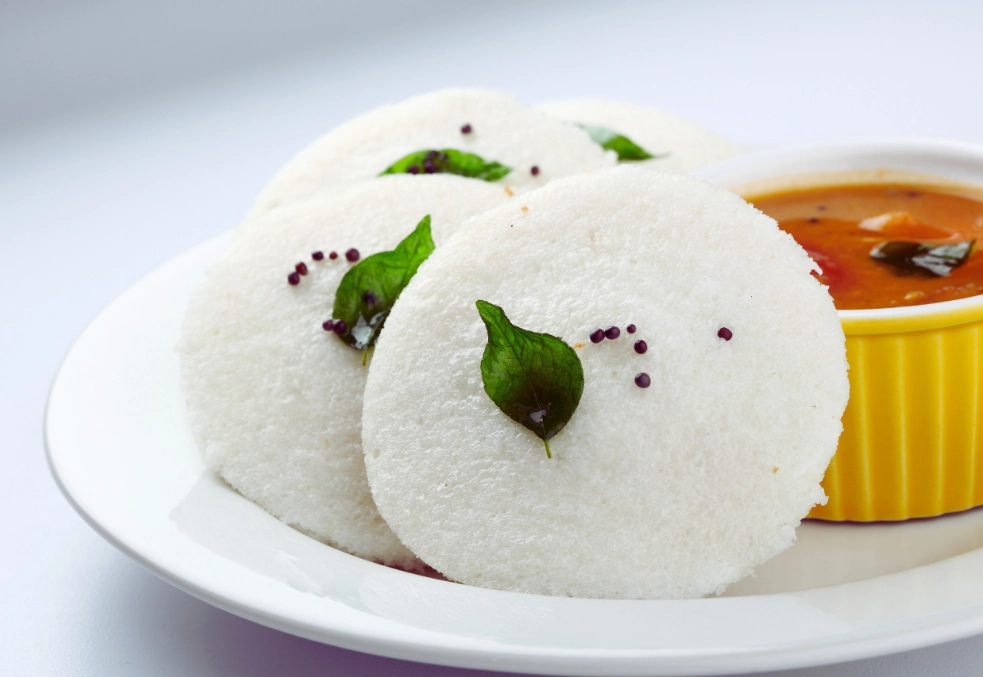
Serve idlis hot with coconut chutney and sambar. Leftover batter? It keeps in the fridge for 3-4 days, fermenting slowly and developing more tang. You can make idlis, dosas, or even pan-fry it for uttapam.
Cooked idlis freeze beautifully. Let them cool completely, layer them in a container with parchment paper, and freeze for up to a month. Re-steam for 5-7 minutes.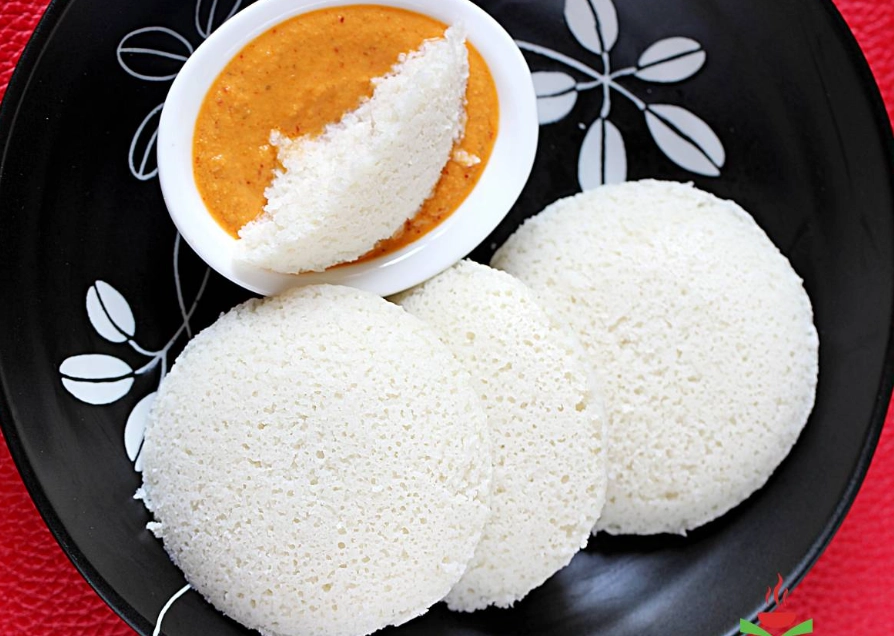
Your Idli Questions Answered
 My idlis are too sour. What went wrong?
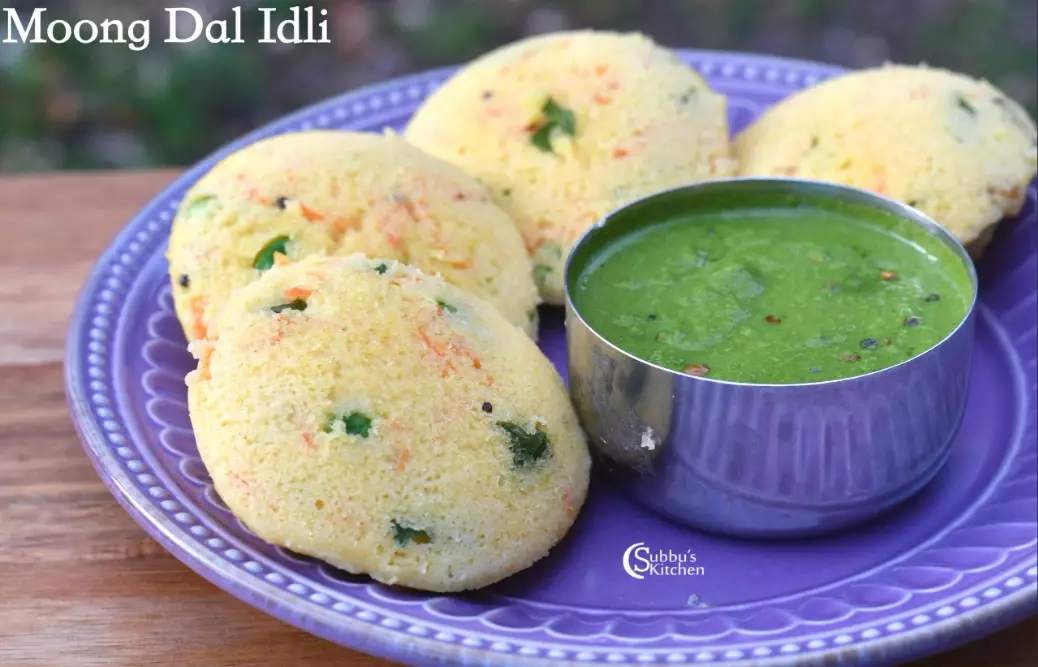 Making idli is a simple process of patience and precision. Once you get the fermentation right, it becomes a reliable, healthy staple. Start with this basic recipe. Master it. Then you can experiment – add grated carrots, spinach puree, or even oats. But the foundation is always that perfectly fermented batter of rice and urad dal. Now go soak those ingredients.
Discussion