Potato samosas are that snack you can’t stop eating—crispy on the outside, spiced potatoes inside, perfect with chai. But getting them right at home? It’s a struggle. I’ve had batches turn out oily, soggy, or just bland. After tweaking recipes for years, including a disaster where I used baking powder instead of baking soda (don’t ask), here’s a foolproof method that actually works.
Jump to What Matters
What You Need: Ingredients and Tools
Let’s start with the basics. For about 15-20 samosas, you’ll need simple stuff. Most recipes online list ingredients but skip the why—like why use oil in the dough? It’s for flakiness, not just moisture.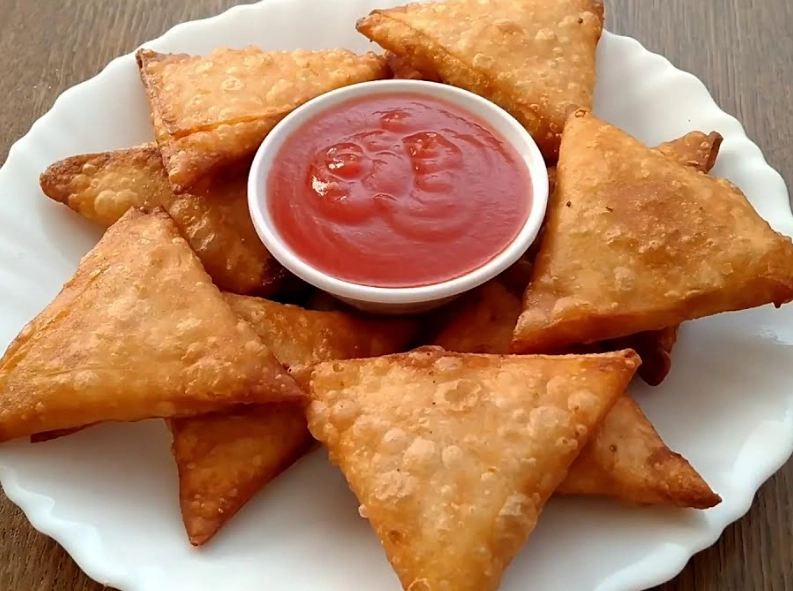
Essential Ingredients
For the dough: 2 cups all-purpose flour (250g), 1/4 cup neutral oil (like vegetable or sunflower), 1/2 teaspoon salt, 1/2 cup water (adjust as needed). Some use ghee for richness, but oil works fine and keeps it vegan.
For the filling: 4 medium potatoes (boiled and mashed roughly), 1 cup peas (fresh or frozen), 1 tablespoon oil, 1 teaspoon cumin seeds, 2 green chilies (finely chopped), 1 tablespoon ginger-garlic paste, 1 teaspoon turmeric, 2 teaspoons coriander powder, 1 teaspoon garam masala, salt to taste, fresh cilantro.
For frying: Oil for deep-frying—use something with a high smoke point like peanut or canola oil. Don’t skimp here; cheap oil can make samosas taste greasy.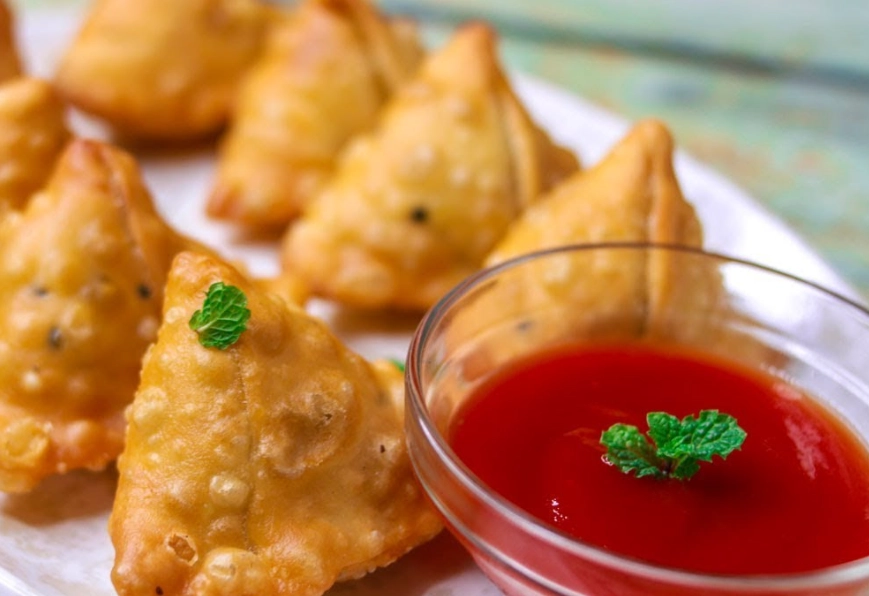
Tools: A rolling pin, a sharp knife, a large bowl, a skillet for the filling, and a slotted spoon. I’ve tried using a pasta maker for the dough—bad idea. Stick to hand-rolling for control.
How to Make Samosa Dough That Doesn’t Tear
This is where most people fail. The dough isn’t like bread dough; it should be stiff and slightly crumbly. If it’s too soft, samosas absorb oil and turn soggy.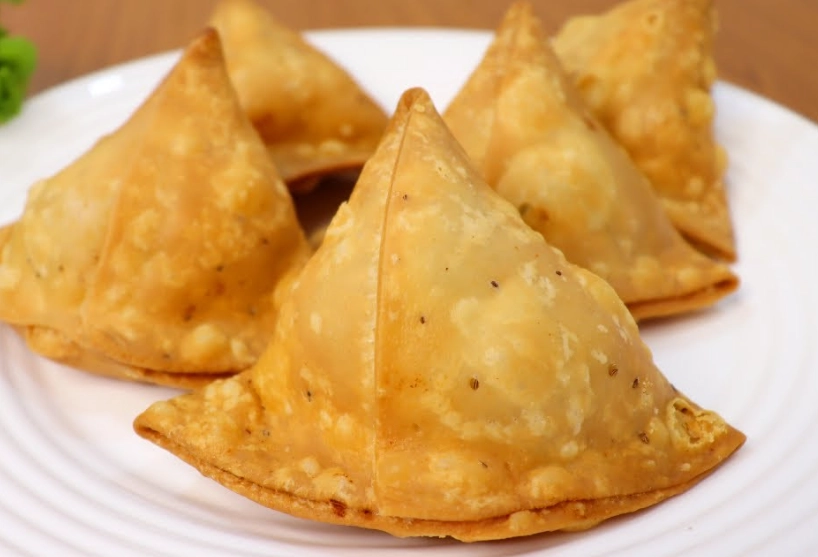
Mix flour and salt in a bowl. Add oil and rub it in with your fingers until it looks like breadcrumbs. This step coats the flour particles, preventing gluten formation—that’s what gives flakiness. Gradually add water, kneading for 5-7 minutes until you get a firm dough. Cover with a damp cloth and rest for 30 minutes. Resting relaxes the gluten, making it easier to roll.
Common mistake: Over-kneading. I did this once, and the samosas came out tough, almost like crackers. Knead just until combined.
Why Your Dough Might Crack
If the dough cracks while rolling, it’s too dry. Add a teaspoon of water and knead again. Too sticky? Dust with flour. The texture should be similar to pie crust dough.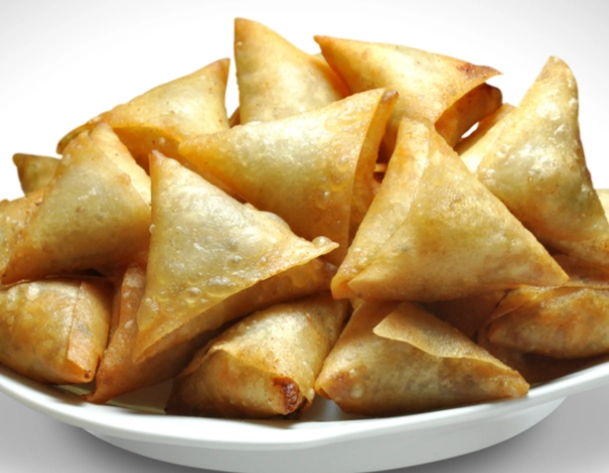
The Potato Filling: Spices and Secrets
The filling should be dry, not wet. Wet fillings steam inside, making the crust soft. Boil potatoes until just tender, then peel and mash coarsely—leave some chunks for texture.
Heat oil in a pan, add cumin seeds until they sizzle. Add green chilies and ginger-garlic paste, sauté for a minute. Then add peas and spices (turmeric, coriander, garam masala). Cook for 2-3 minutes. Add potatoes, mix well, and cook on low heat for 5 minutes. Turn off the heat, stir in cilantro, and let it cool completely. Yes, cool—hot filling will ruin the dough.
Spice tip: Toasting whole spices and grinding them fresh makes a difference. According to the Indian Culinary Institute, pre-ground spices lose potency fast. If you have time, toast cumin and coriander seeds, then grind them.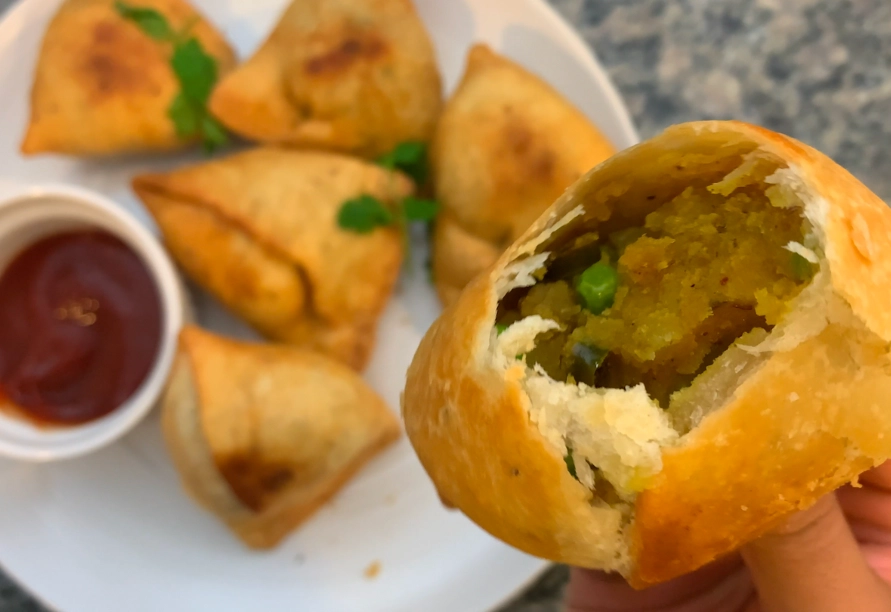
Folding Samosas Without Bursting
Folding looks tricky, but it’s simple once you get the hang. Divide the dough into lemon-sized balls. Roll each into a thin oval, about 6 inches long. Cut in half horizontally. Take one half, form a cone by overlapping the cut edges, seal with a dab of water. Fill with 1-2 tablespoons of filling, leaving space at the top. Fold the top edge over, seal tightly with water. Press the seams well—this prevents bursting during frying.
I used to overfill, thinking more is better. Then they’d burst in the oil, creating a mess. Now I leave a 1/4-inch gap at the top.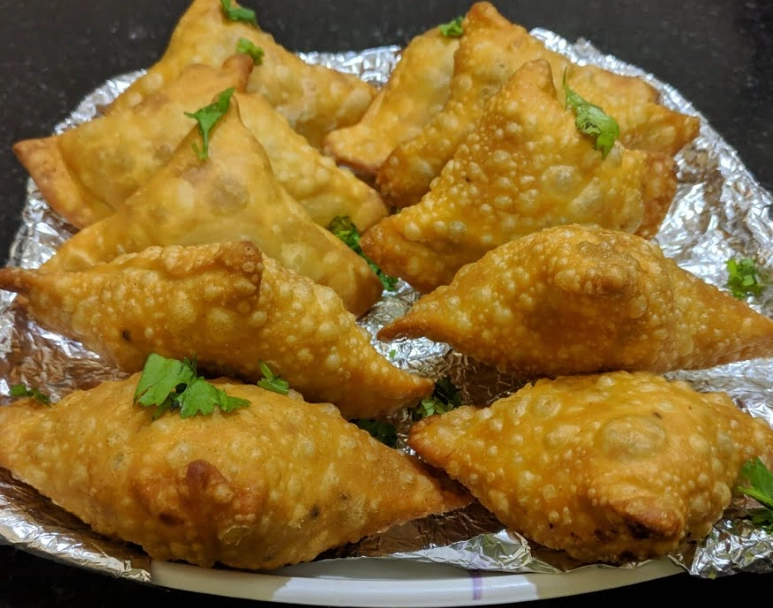
Frying vs. Baking: Which Is Better?
Frying gives that authentic crispiness. Heat oil to 350°F (175°C)—use a thermometer. Too hot, and samosas brown too fast without cooking inside; too cool, and they soak up oil. Fry in batches for 4-5 minutes until golden brown. Drain on a wire rack, not paper towels, to keep them crispy.
Baking is healthier but trickier. Brush samosas with oil, bake at 400°F (200°C) for 20-25 minutes, flipping halfway. They won’t be as flaky, but still tasty. A study in the Journal of Food Science notes that baking reduces oil absorption by up to 60%, but texture changes.
My take: If you’re new to samosas, fry them. Baking requires perfect dough thickness, or they dry out.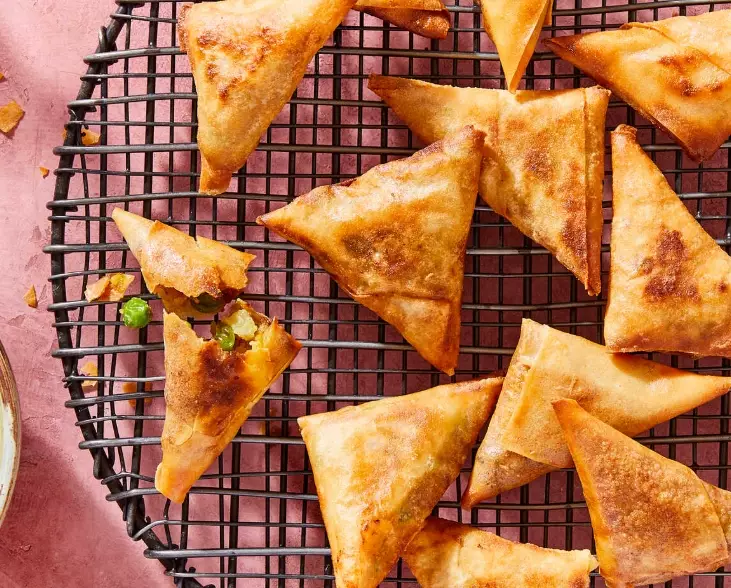
FAQs: Your Burning Questions Answered
Final thought: Samosas are forgiving. Even if they’re not perfect, they’ll taste good. Start with this recipe, tweak spices to your liking, and soon you’ll be making them without thinking. Serve with mint chutney or tamarind sauce—and enjoy the crunch.
Discussion