I used to think making Indian restaurant food at home was a mystery. All those spices, the long cooking times—it felt like a chef's secret. But after years of trial and error (and burning a few pans), I've cracked the code. You don't need fancy skills or hard-to-find ingredients to whip up dishes that taste straight from your favorite curry house. Let's dive into simple Indian cooking that actually works.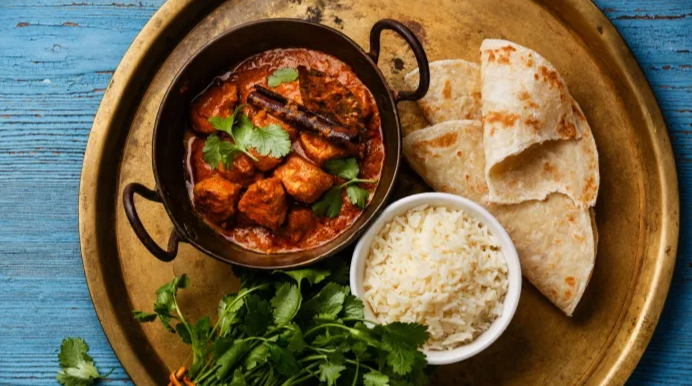
What You'll Learn in This Guide
The Spice Rack Simplified: What You Really Need
Most recipes throw a dozen spices at you, but here's the truth: for easy Indian restaurant recipes, focus on five core ones. I learned this the hard way after buying jars that sat unused for months.
Cumin seeds – Toast them lightly for a nutty base. Don't skip this; raw cumin tastes bitter.
Coriander powder – It's the backbone of many curries. Buy it ground, but store in a cool place to keep it fresh.
Turmeric – For color and earthiness. A little goes a long way; too much turns food muddy.
Garam masala – The magic blend. Add it at the end of cooking to preserve its aroma. I prefer brands like MDH or Everest, but any works.
Red chili powder – Adjust to your heat level. Kashmiri chili gives color without too much burn.
You don't need exotic stuff like asafoetida right away. Start with these, and you can cook 80% of classic dishes. According to the BBC Good Food guide on Indian spices, these are the most versatile for home cooks.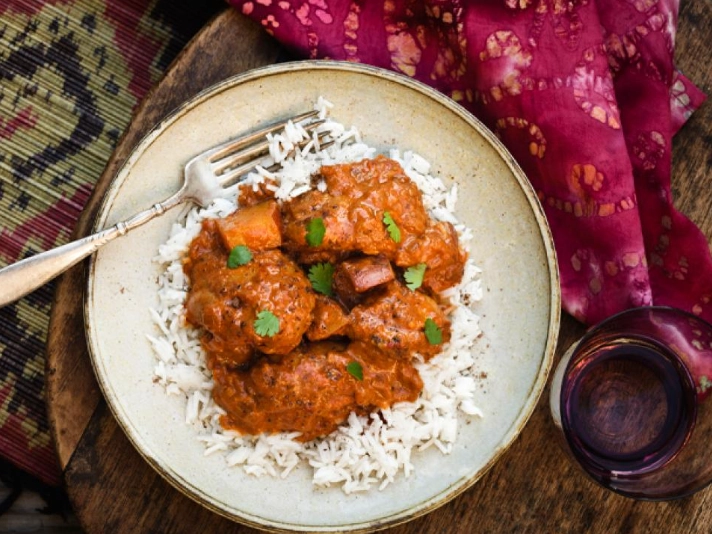
| Spice | Key Use | Substitute if Missing |
|---|---|---|
| Cumin Seeds | Base for tempering | Cumin powder (use less) |
| Coriander Powder | Curry base flavor | Parsley flakes (weak sub) |
| Turmeric | Color and anti-inflammatory | Saffron (expensive) |
| Garam Masala | Finishing spice blend | Allspice + cinnamon mix |
| Red Chili Powder | Heat and color | Paprika + cayenne |
Store spices in airtight jars away from light. They lose potency after six months—I've made bland curries using old coriander, so check dates.
5 Foolproof Indian Restaurant Recipes
These recipes are tested for simplicity. Each serves 4, takes under 45 minutes, and uses common ingredients. I've included prep times because rushing leads to mistakes.
1. Creamy Butter Chicken (Murgh Makhani)
Prep time: 15 minutes | Cook time: 30 minutes | Difficulty: Easy
Butter chicken is the gateway dish. Restaurant versions are rich, but home cooks often overdo the cream. Here's a balanced take.
Ingredients:
- 500g chicken breast, cubed
- 1 cup yogurt (plain, full-fat)
- 2 tbsp ginger-garlic paste
- 1 large onion, chopped
- 1 cup tomato puree (canned works)
- 1/2 cup cream
- Spices: 1 tsp each cumin, coriander, garam masala, 1/2 tsp turmeric, 1 tsp chili powder
- Salt to taste
- 2 tbsp butter
Steps:
- Marinate chicken in yogurt, 1 tbsp ginger-garlic paste, and half the spices for 10 minutes. No need for hours—this quick version still tastes great.
- Heat butter in a pan. Sauté onions until golden. Add remaining ginger-garlic paste and spices. Cook for 2 minutes until fragrant.
- Add tomato puree. Simmer for 10 minutes until oil separates—this is crucial for depth.
- Add marinated chicken. Cook for 15 minutes on medium heat.
- Stir in cream. Simmer for 5 minutes. Garnish with cilantro.
Serve with naan or rice. The key is simmering the tomato base properly; otherwise, it tastes raw.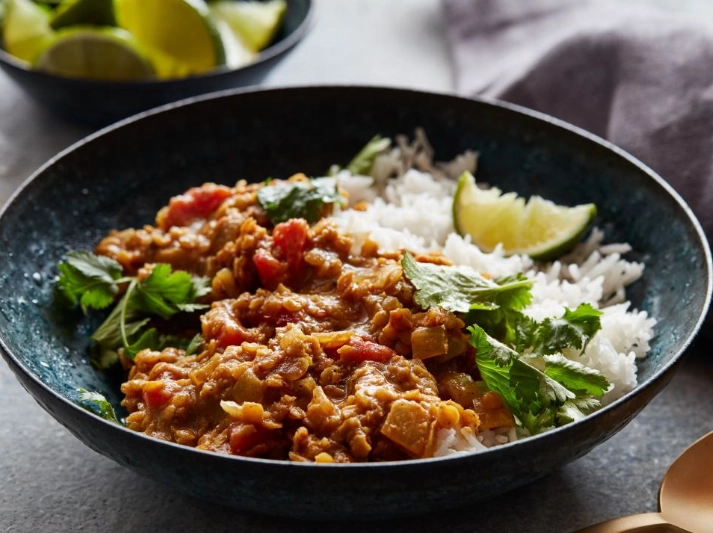
2. Spicy Chana Masala (Chickpea Curry)
Prep time: 10 minutes | Cook time: 25 minutes | Difficulty: Very easy
A vegetarian staple. Canned chickpeas save time—rinse them well to avoid a metallic taste.
Ingredients:
- 2 cans chickpeas, drained
- 1 onion, finely chopped
- 2 tomatoes, blended
- Spices: 1 tsp cumin seeds, 1 tsp coriander powder, 1/2 tsp turmeric, 1 tsp chaat masala (optional), 1 tsp chili powder
- 1 tbsp oil
- Fresh cilantro for garnish
Steps:
- Heat oil. Add cumin seeds until they crackle.
- Add onions. Sauté until brown—this builds flavor.
- Add spices and tomatoes. Cook for 10 minutes until thick.
- Add chickpeas and 1 cup water. Simmer for 15 minutes.
- Mash a few chickpeas to thicken the gravy. Finish with cilantro.
This dish is forgiving. If it's too spicy, add a pinch of sugar. I like it with roti or rice.
3. Fragrant Vegetable Biryani
Biryani seems complex, but a one-pot version works. Use basmati rice soaked for 20 minutes—it cooks evenly.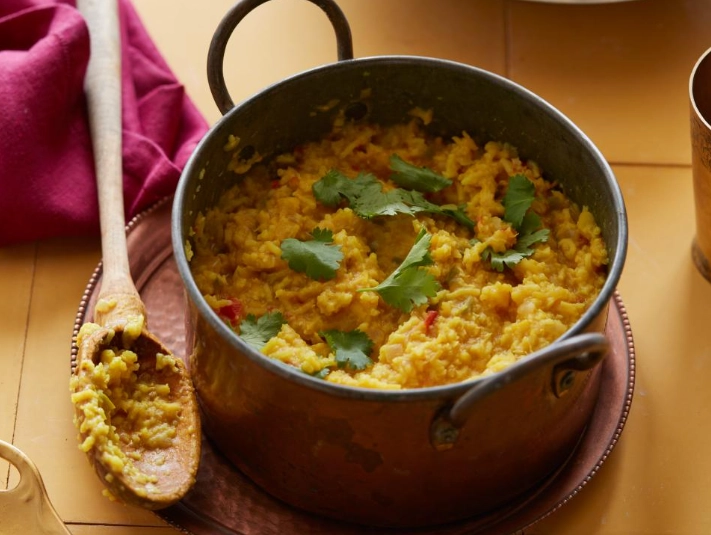
Quick version: Sauté mixed veggies (carrots, peas, potatoes) with biryani spices (1 tbsp biryani masala). Layer with parboiled rice. Cook on low heat for 20 minutes. Done.
No need for elaborate layering. The trick is to not stir after adding rice.
4. Crispy Samosas (Simplified Baking)
Traditional samosas involve dough, but use spring roll wrappers. Fill with spiced potatoes and peas. Bake at 200°C for 15 minutes. They won't be as flaky but are healthier.
5. Mango Lassi
Blend 1 cup yogurt, 1/2 cup mango pulp, a splash of milk, and sugar to taste. Add a pinch of cardamom. Serve chilled—it balances spicy meals.
Pro tip: For all recipes, taste as you go. Indian cooking relies on adjusting spices mid-cook. Too salty? Add a potato wedge to absorb excess.
Avoid These Common Cooking Blunders
I've seen many home cooks stumble on small things. Here's what ruins easy Indian restaurant recipes.
Overcrowding the pan: When sautéing onions or spices, give them space. Crowding steams them, making flavors dull. Use a wide skillet.
Adding garam masala too early: This blend contains delicate spices like cardamom. If cooked too long, it turns bitter. Sprinkle it in the last 2 minutes.
Using cold spices: If spices are stored in the fridge, let them come to room temperature before cooking. Cold spices don't release oils properly.
Skimping on oil: Indian food often uses oil to carry flavors. Don't use too little; it's not unhealthy if balanced. About 2 tbsp per curry is fine.
A friend once made a curry that tasted flat. Turns out, she used expired turmeric. Check your spice dates!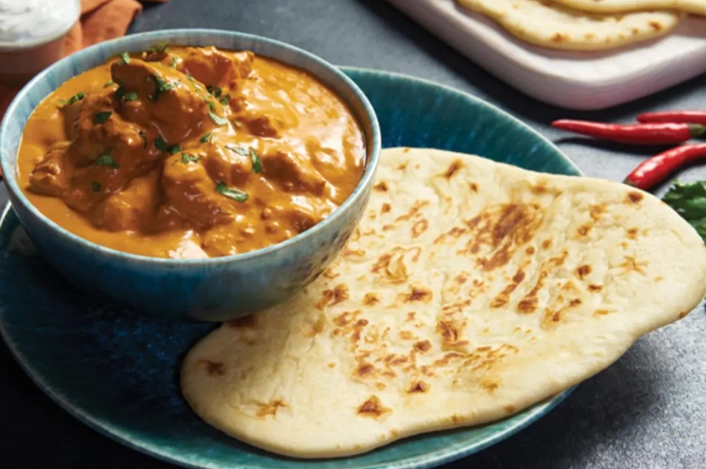
Your Questions Answered (FAQ)
 Indian cooking at home doesn't have to be a chore. Start with one recipe, master the spices, and soon you'll be improvising. I still order takeout sometimes, but now it's for inspiration, not necessity. Give these easy Indian restaurant recipes a try—you might surprise yourself.
Discussion