I still remember the first time I bit into a proper Indian chicken kebab. It wasn't in a fancy restaurant, but at a tiny street cart in Delhi, the smoke from the grill hitting my face. The chicken was impossibly juicy, charred on the edges, and packed with a flavor that made me stop mid-conversation. For years after, my home attempts were disappointing—dry, bland, or just missing that magic. The turning point came from an old cook who told me, "You're thinking of it as grilled chicken. It's not. It's a marinade that happens to be cooked." That changed everything. This recipe is the result of a decade of tweaking, failing, and finally nailing that street-food intensity in your own kitchen.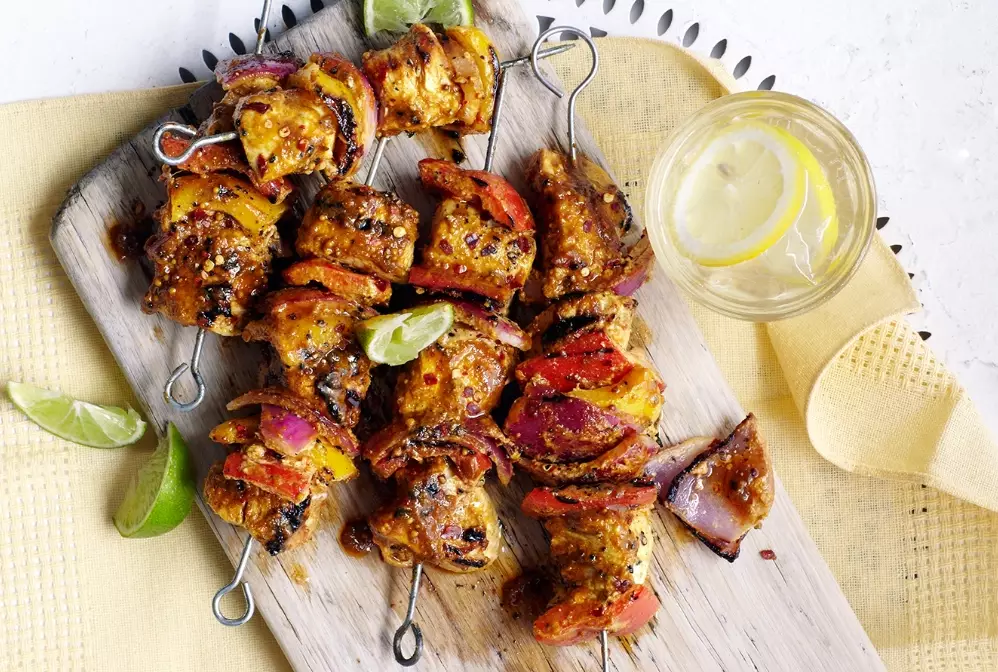
What's Inside This Kebab Guide?
The Secret is in the Marinade (Not Just Spices)
Most recipes get this half-right. They list the spices (cumin, coriander, garam masala) but treat the yogurt as a mere binder. It's the opposite. The yogurt is the active ingredient—its lactic acid and enzymes tenderize the chicken deeply, while the fat carries the flavor of the spices into every fiber. The spices are the personality, but the yogurt does the heavy lifting.
The Non-Negotiable Ingredients
Let's break down the marinade components. This isn't just a list; it's a blueprint for flavor layers.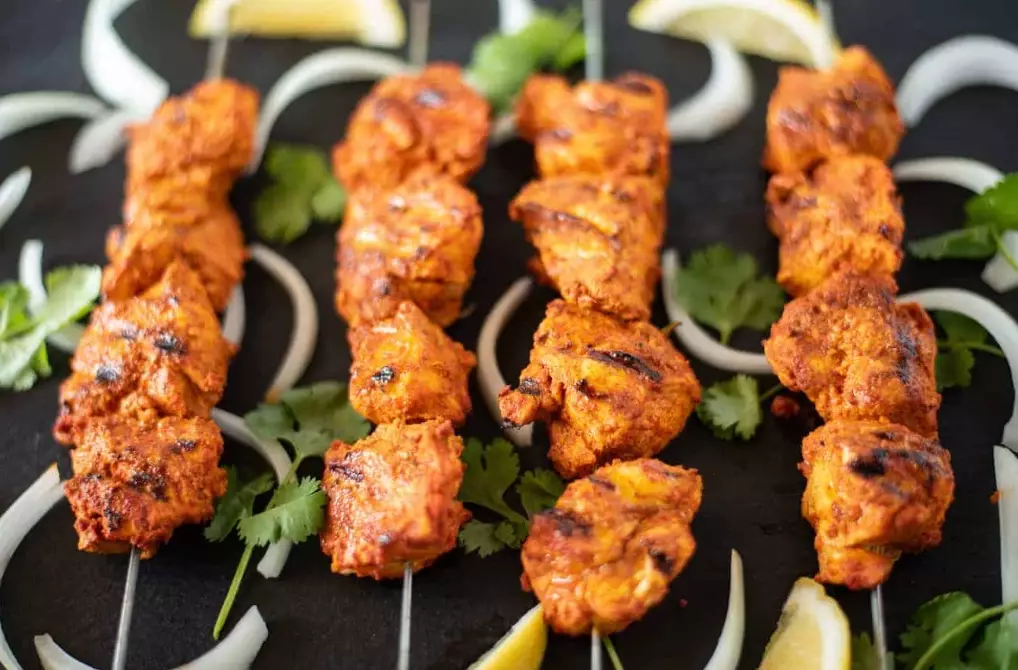
| Ingredient | Role & Why It Matters | Pro Tip / Common Mistake |
|---|---|---|
| Boneless Chicken Thighs | Thighs have more fat and connective tissue than breasts, which translates to juiciness and flavor that survives high heat. Breasts dry out too easily. | Cut into 1.5-inch cubes. Uniform size ensures even cooking. |
| Full-Fat Greek Yogurt | The primary tenderizer and flavor carrier. Creates a protective layer that seals in moisture. | About 1 cup for 2 lbs of chicken. Don't skimp. |
| Raw Papaya Paste or Kiwi | A "cheat code" from professional kitchens. Contains enzymes (papain/actinidin) that break down proteins aggressively. | 1 tbsp paste or 1/4 pureed kiwi for 2 lbs chicken. Marinate for only 30 mins if using—any longer and meat turns mushy. |
| Toasted & Ground Spices | Cumin, coriander seeds, Kashmiri red chili powder (for color, not just heat). Toasting unlocks volatile oils. | Toast whole spices in a dry pan for 60 seconds until fragrant, then grind. Pre-ground spices have lost most of their punch. |
| Ginger-Garlic Paste | The aromatic foundation. Use fresh, not jarred. Jarred paste often has a metallic aftertaste. | Equal parts ginger and garlic, crushed to a paste. About 2 tbsp total. |
| Mustard Oil (Optional) | Used in North Indian kebabs. Adds a sharp, pungent note that mellows upon cooking. An authentic touch. | 1-2 tbsp. If unavailable, substitute with any neutral oil and a tiny pinch of mustard powder. |
The process is simple but requires patience. Mix everything except the chicken in a bowl. Taste the marinade—it should be intensely flavorful and salty on its own. Then add the chicken, coat every piece thoroughly, cover, and refrigerate. Here's the critical part most home cooks miss: marinate for at least 4 hours, but ideally overnight (8-12 hours). The difference between a 2-hour and an 8-hour marinade is the difference between chicken with flavor on it and chicken that is flavor.
Cooking Methods Compared: Grill, Oven, or Pan?
You don't need a fancy outdoor grill. Each method works, but they yield different results. The goal is high, direct heat to get that signature char without overcooking the interior.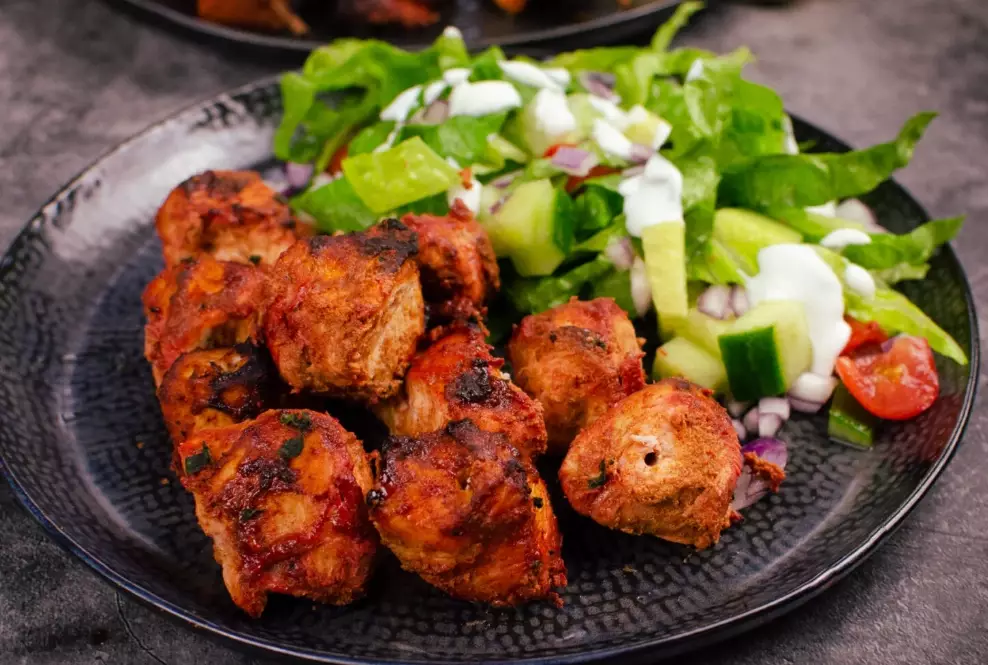
Charcoal/Gas Grill (The Gold Standard): This is how it's done on the streets. Soak wooden skewers for 30 minutes to prevent burning. Thread the marinated chicken loosely, leaving small gaps. Grill over medium-high direct heat for 10-12 minutes, turning every 2-3 minutes for even charring. The dripping fat causes flare-ups that add that irreplaceable smoky flavor.
Oven Broiler (The Reliable Home Method): Place a wire rack over a baking sheet lined with foil (for easy cleanup). Arrange the skewers or spread chicken pieces on the rack. Position the oven rack 6 inches below the broiler element. Broil on high for 8-10 minutes, then flip and broil for another 5-7 minutes. Watch closely—it can go from perfect to burnt quickly.
Stovetop Grill Pan or Skillet (The Weeknight Hero): Heat a cast-iron grill pan or heavy skillet over medium-high heat until smoking hot. Add a thin layer of oil. Cook the chicken pieces in a single layer, without overcrowding, for 4-5 minutes per side. You won't get the same smokiness, but you'll get beautiful sear marks and a quick dinner.
Beyond the Skewer: Perfect Pairings & Sauces
A kebab by itself is great, but the right accompaniments turn it into a meal. Here’s how to build your plate.
- Mint-Coriander Chutney: The classic. Blend a large bunch of fresh coriander (cilantro), a handful of mint leaves, 1 green chili, a small piece of ginger, juice of one lemon, salt, and a spoonful of yogurt until smooth. This bright, herby sauce cuts through the richness.
- Onion Salad: Thinly slice a red onion. Soak in ice water for 10 minutes to remove the sharp bite, then drain. Toss with chopped cilantro, a squeeze of lemon, salt, and a pinch of chaat masala. It adds crunch and freshness.
- Flatbreads: Warm naan, roti, or paratha are essential for scooping. Store-bought is fine, but warming them over an open flame for a few seconds makes a world of difference.
- Rice: A simple pilaf or jeera rice (cumin rice) works beautifully. The subtle spices in the rice complement the bold kebabs without competing.
My personal favorite way to eat them? Rip off a piece of warm naan, place a kebab piece and some onion salad on it, drizzle with both green chutney and a little yogurt, and fold it into a messy, perfect bundle.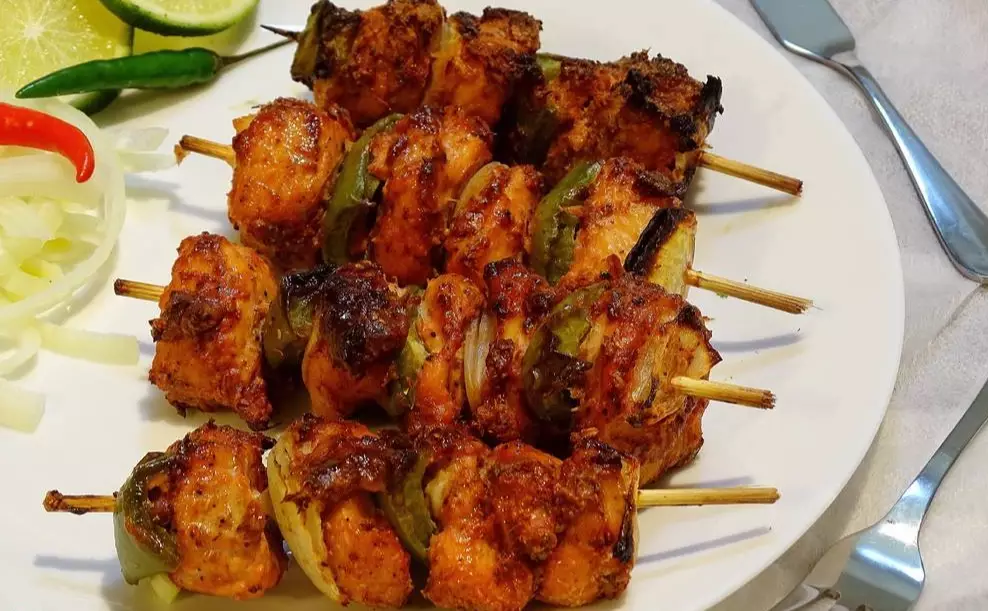
Avoid These 3 Common Kebab Failures
After teaching this recipe for years, I see the same mistakes repeatedly.
1. The Dry Kebab: Cause: Using chicken breast, overcooking, or a marinade that's too acidic for too long (like excessive lemon juice). Solution: Stick to thighs, use a thermometer, and balance acids (yogurt, lemon) with fats (yogurt, oil).
2. The Bland Kebab: Cause: Not salting the marinade adequately, or using stale pre-ground spices. Salt penetrates over time. Solution: Season the marinade mix aggressively before adding chicken. It should taste almost too salty on its own. Toast and grind fresh spices.
3. The Burnt-Outside-Raw-Inside Kebab: Cause: Heat is too high, or pieces are too large. Solution: Use medium-high, not maximum, heat. If charring too fast on the grill, move skewers to a cooler indirect zone to finish cooking.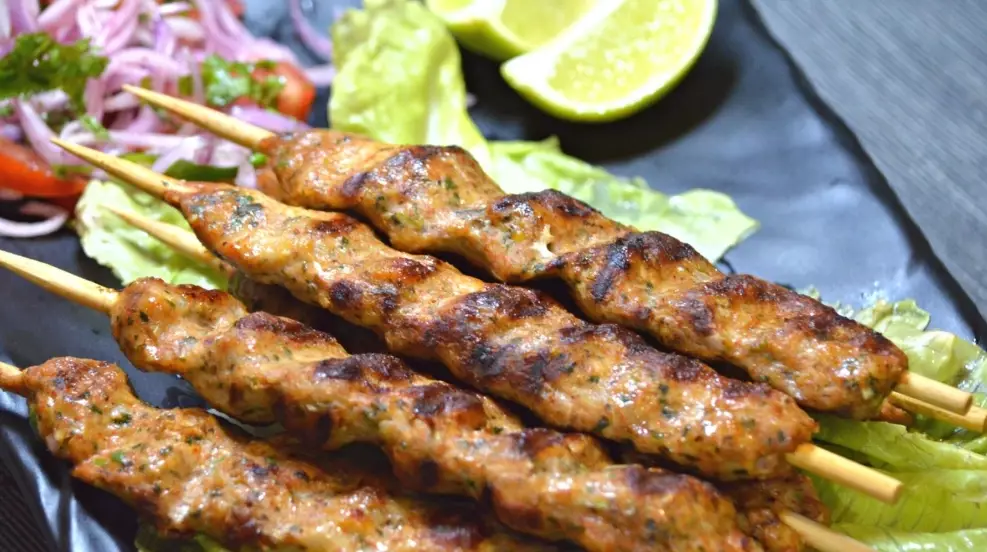
Discussion