Let's be honest. When you think of North Indian food, you probably picture rich, slow-cooked curries that take all day. You see a list of 20 spices and think, "Not for me." I used to think the same. My first attempt at a proper curry ended up as a watery, bland soup. It was discouraging.
But after years of cooking (and plenty of mistakes), I've learned that authentic flavor doesn't require complexity. The heart of North Indian home cooking is surprisingly straightforward. It's about a handful of core techniques and a few key spices used well. This guide cuts through the noise. We're focusing on five foundational, simple North Indian recipes that are weeknight-friendly, vegetarian, and deliver the real deal taste. No fancy equipment, no obscure ingredients.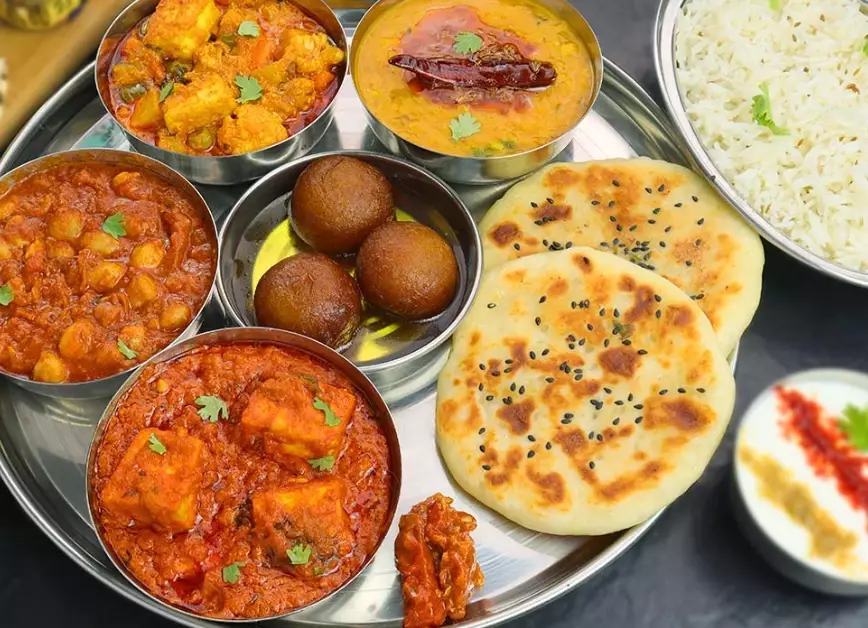
What You'll Learn Today
The 5 Core Simple North Indian Recipes to Master First
Forget trying to cook everything at once. Master these five, and you'll have a solid repertoire. They're all vegetarian, packed with protein, and use overlapping ingredients.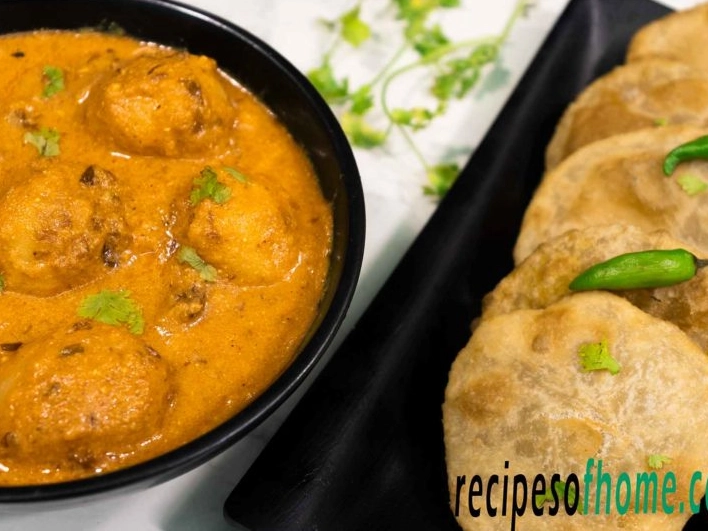
Why These Five?
Each dish teaches a fundamental technique. Dal Tadka is about tempering whole spices. Aloo Gobi is dry-spice roasting. Chana Masala uses ground spices in a tomato base. Jeera Rice is flavored rice. Raita is the essential cooling side. Together, they make a complete meal.
| Recipe | Core Technique | Key Flavor | Prep + Cook Time |
|---|---|---|---|
| 1. Dal Tadka (Spiced Lentils) | Tempering (Tadka) with whole spices in oil/ghee. | Earthy, aromatic, garlicky. | ~40 mins (mostly hands-off) |
| 2. Aloo Gobi (Potato & Cauliflower) | Dry-roasting vegetables with turmeric and cumin. | Warm, earthy, slightly caramelized. | ~30 mins |
| 3. Chana Masala (Chickpea Curry) | Building a thick gravy with onion, tomato, ground spices. | Tangy, robust, slightly spicy. | ~35 mins (using canned chickpeas) |
| 4. Jeera Rice (Cumin Rice) | Infusing rice with toasted cumin seeds. | Nutty, fragrant, simple. | ~25 mins |
| 5. Cucumber Raita (Yogurt Dip) | Whisking yogurt with grated veggies and roasted cumin powder. | Cooling, creamy, refreshing. |
Your Simple North Indian Spice Pantry: The 7 Essentials
You don't need a cabinet full of jars. Start with these seven. You can find them in any well-stocked supermarket or online. I recommend buying whole spices (cumin seeds, coriander seeds) and a cheap coffee grinder dedicated to spices. The flavor difference is night and day compared to pre-ground.
- Cumin Seeds (Jeera): The backbone. Used whole for tempering and ground for curries.
- Coriander Seeds (Dhania): Ground, it's citrusy and sweet. Almost always paired with cumin.
- Turmeric Powder (Haldi): For color and its earthy, slightly bitter warmth.
- Garam Masala: A pre-mixed "warm spice" blend. Buy a good brand. It's your finishing spice.
- Red Chili Powder (or Paprika for mild): For heat and color.
- Mustard Seeds (optional but great for Tadka): They pop in hot oil, adding a nutty punch.
- Asafoetida (Hing) - The Secret Weapon: A pinch of this resin powder adds a savory, onion-garlic depth, especially in lentil dishes. It's a game-changer.
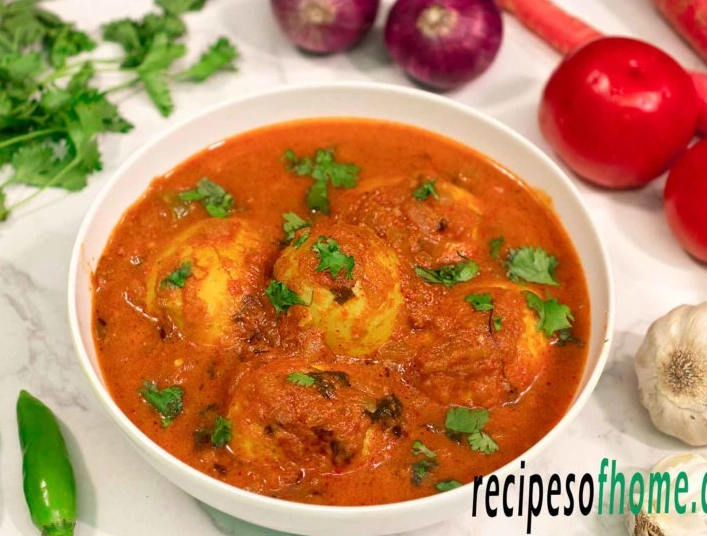
Dal Tadka: A Step-by-Step Case Study in Simple North Indian Cooking
Let's dive deep into one recipe. Dal Tadka is the perfect starting point. It's forgiving, nutritious, and the technique—the "tadka"—is used everywhere. I'll walk you through it like I'm in your kitchen.
Ingredients You'll Need
For the Dal (Lentils): 1 cup yellow lentils (moong dal or toor dal), rinsed. 3 cups water. 1/2 tsp turmeric. Salt to taste.
For the Tadka (Tempering): 2 tbsp ghee or neutral oil. 1 tsp cumin seeds. 2-3 dried red chilies. 1 tsp mustard seeds (optional). 4-5 garlic cloves, thinly sliced. 1 pinch asafoetida (hing). A handful of fresh cilantro, chopped.
The Process, Demystified
Step 1: Cook the Dal. This is the easy part. Combine rinsed lentils, water, and turmeric in a pot. Bring to a boil, skim off any foam, then simmer partially covered for 25-30 minutes until soft. Mash some with the back of a spoon. It should be soupy but not watery. Season with salt. Done. Set aside.
Step 2: Make the Tadka (The Magic Step). Here's where flavor is born. In a small pan, heat the ghee over medium heat. When hot, add the cumin seeds and mustard seeds. Let them sizzle for about 30 seconds until the cumin darkens slightly and the mustard seeds pop. Now add the dried chilies and sliced garlic. Fry until the garlic turns golden brown—not burnt! This takes less than a minute. The second you smell that incredible aroma, turn off the heat. Stir in the pinch of asafoetida.
Step 3: Combine. Immediately pour this entire sizzling oil-and-spice mixture (the tadka) over the cooked dal. It will crackle and foam gloriously. Stir it in. Garnish with cilantro.
That's it. The hot oil "blooms" the spices and garlic, releasing their essential oils directly into the dal, creating a layered flavor that simmering could never achieve. This technique is non-negotiable.
What is the Most Common Mistake When Making Simple North Indian Recipes?
It's not the spices. It's the tomato-onion base for curries like Chana Masala. Most beginners don't cook it down enough. You sauté onions until soft, add tomatoes and spices, and then you're tempted to add the chickpeas after just 5 minutes. Big mistake.
That tomato-onion mix needs to cook on medium-low heat, stirring occasionally, until the oil starts to separate from the mixture. It can take 10-15 minutes. The mixture will thicken, darken in color, and lose its raw, acidic taste. This "bhunao" process is what creates the deep, rich base of the curry. If you skip it, your curry will taste thin and sour. Be patient here. It's the single biggest difference between a home-style taste and a restaurant-style depth.
Another subtle error: adding garam masala at the beginning of cooking. Garam masala is a finishing spice. Add it in the last 2 minutes of cooking. If you cook it for too long, the delicate aromatics (like cardamom, clove) evaporate, and you're left with a bitter note.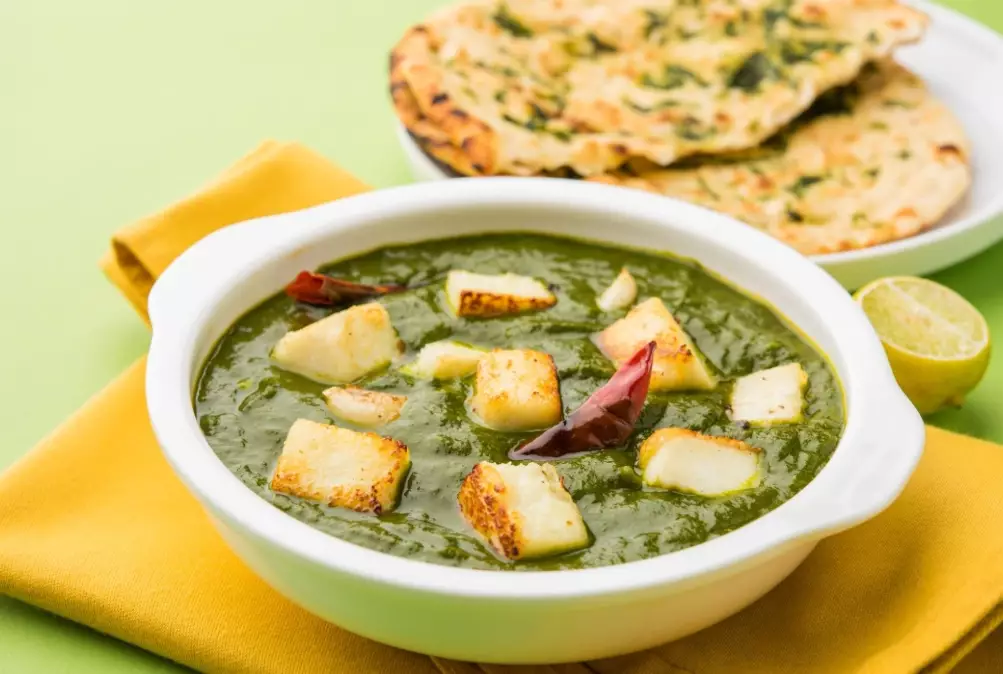
Your Simple North Indian Recipes Questions, Answered
I don't have an Indian grocery store nearby. Can I still make these simple North Indian recipes?
Absolutely. The core spices—cumin, coriander, turmeric, red chili powder—are in most supermarkets. For garam masala, check the international aisle or order a small bottle online. Skip asafoetida if you can't find it; add a tiny bit of minced garlic to the tadka instead. The recipes will still be delicious.
My dal or curry always turns out too watery. How do I fix the consistency?
This usually means you added too much water at the start or didn't cook the tomato-onion base down enough. For dal, you can simmer it uncovered for a few extra minutes to thicken. For a curry, mash a few chickpeas or potatoes against the side of the pan with your spoon—the starch will naturally thicken the sauce. Next time, start with less water; you can always add more.
What's the best oil to use for authentic flavor?
For the true taste, use ghee (clarified butter) for the tadka. It has a high smoke point and a nutty flavor that's irreplaceable. If you're vegan or prefer oil, a neutral oil like avocado or grapeseed works fine. Mustard oil is traditional in some regions but has a very strong, pungent flavor that can be divisive—I'd avoid it as a beginner.
 Can I make these recipes in an Instant Pot or slow cooker?
Yes, but with a crucial caveat. The Instant Pot is great for cooking the dal itself (high pressure for 8-10 minutes). However, always do the tadka separately on the sauté function or on the stove. Adding raw spices to pressure cooking makes them taste muddy. For curries, use the sauté function to properly cook down your onion-tomato base before pressure cooking the rest. The slow cooker can make dal mushy; I don't recommend it for these specific dishes.
How do I make my simple North Indian food spicier or milder?
Control the heat with the red chili powder and fresh green chilies. For milder food, use Kashmiri red chili powder (it's more for color) or even sweet paprika, and deseed any fresh chilies. For more heat, add a bit of cayenne pepper or extra green chilies. Remember, you can always add more heat at the end, but you can't take it away. Start conservative.
The goal isn't to replicate a five-star restaurant menu. It's to get wholesome, flavorful, satisfying food on your table without stress. Start with the Dal Tadka. Master the tadka technique. Then try Aloo Gobi. Notice how the dry-roasting technique is different. Bit by bit, you'll build confidence and a genuine understanding of how these simple North Indian recipes work.
You'll stop seeing a list of spices and start seeing a process: toast, bloom, simmer, finish. That's when cooking becomes intuitive. And honestly, a perfectly executed, simple dal tadka with jeera rice and raita is more impressive than a complicated dish done poorly. Give it a shot tonight.
Discussion