Your Curry Journey Map
- Why Indian Curries Are Actually Perfect for Beginners
- The Foundation: Your Non-Negotiable Pantry Shortlist
- Your Toolkit: What You Really Need
- The Master Template: How Almost Every Easy Curry is Built
- Three Foolproof Recipes to Build Your Confidence
- Navigating Common Curry Conundrums & Questions
- The Pro Move: Building a Curry Library
- Let's Wrap This Up: Your Curry Confidence Checklist
Let's be honest. The thought of making Indian curry from scratch can feel a bit overwhelming. All those spices lined up in the market, recipes with 20 ingredients, stories about toasting and grinding... it's enough to make anyone reach for a jar of pre-made sauce. I get it. I was there too. My first attempt at a "simple" curry involved burning the cumin seeds into black, bitter pellets and using garam masala like it was black pepper. The result was, to put it kindly, inedible.
But here's the secret they don't always tell you: authentic flavor doesn't have to be complicated. At its heart, a great Indian curry is about layering a few key flavors in a pot. You don't need a pantry that looks like a spice merchant's stall. You don't need to spend hours. What you need is a shift in perspective—from seeing it as a complex ritual to understanding it as a simple, forgiving process.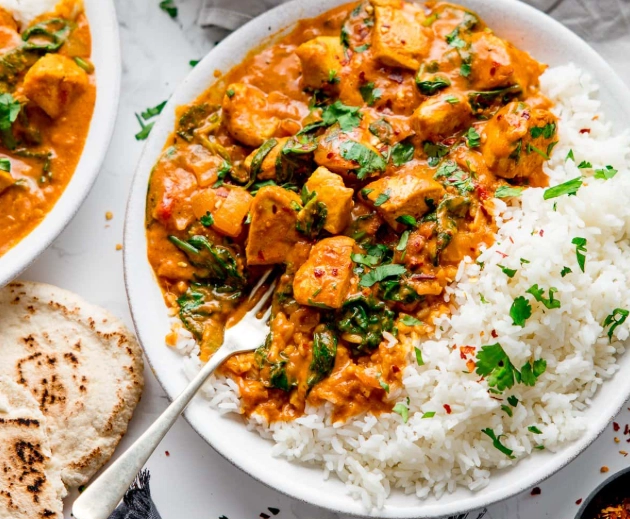
That's what this guide is for. We're throwing out the rulebook that says it has to be hard. We're focusing on easy Indian curry recipes that deliver on flavor without the fuss. Whether you have 30 minutes or an hour, whether you eat meat or stick to plants, there's a path here for you. I've cooked these recipes dozens of times, made every mistake so you don't have to, and figured out the shortcuts that actually work.
Why Indian Curries Are Actually Perfect for Beginners
Think about it. What's the most common kitchen disaster? Overcooked, dry meat. Undercooked vegetables. Indian curry recipes are your safeguard against that. You're simmering everything in a flavorful sauce. The liquid keeps proteins tender and infuses veggies with taste. It's a forgiving method. If you let it go a few minutes longer while you set the table, it's usually fine. If you need to add a splash of water because it's thickening up, no problem.
The other thing? Versatility. Don't have chicken? Use chickpeas. Out of fresh spinach? Throw in some frozen peas. The spice base adapts. This flexibility makes finding easy Indian curry recipes for what you have on hand totally doable.
I remember a Tuesday night when I planned to make a chicken curry but found the chicken had gone bad. Panic? Nope. I had a can of butter beans. I used the exact same onion-tomato-ginger-garlic base I was going to use for the chicken, tossed in the beans, and ended up with one of the most comforting meals I'd had all week. The recipe didn't fail me; it saved my dinner.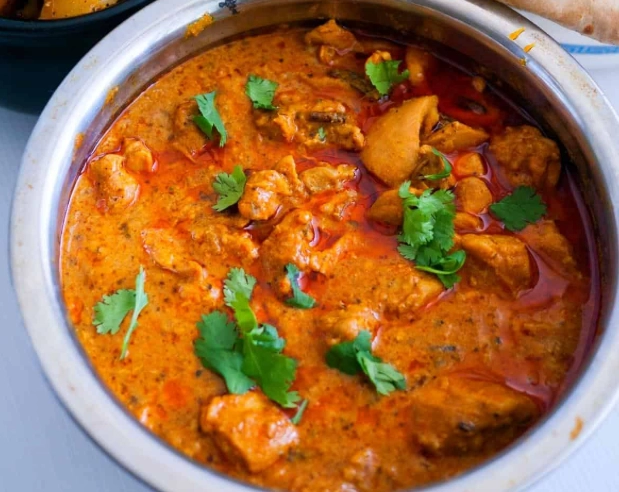
The Foundation: Your Non-Negotiable Pantry Shortlist
You can't build a house without a foundation, and you can't build flavor without a few key items. This isn't a sprawling list. This is the absolute minimum to get authentic-tasting results. Forget the fancy, single-use spices for now.
The Spice Trinity (Plus Two)
If you buy only five spices, make them these. They form the backbone of countless Indian curry recipes easy enough for a beginner.
| Spice | What It Does | Buying Tip & My Take |
|---|---|---|
| Cumin Seeds | Provides an earthy, warm, slightly nutty base note. It's often the first spice in the oil. | Buy whole seeds, not powder. The pre-ground stuff loses its soul (and flavor) fast. Toasting them in the first step makes your whole kitchen smell amazing. |
| Coriander Powder | The workhorse. It has a mild, lemony, floral flavor that adds body and rounds out the heat. | This is the one spice you can buy pre-ground if you must, but try to get it from a store with high turnover. Stale coriander powder tastes like dust. |
| Turmeric Powder | Gives that iconic golden color and a warm, peppery, slightly bitter earthiness. | A little goes a long way. It will stain wooden spoons and plastic containers forever. Consider it a badge of honor. |
| Garam Masala | A warm spice blend (usually cinnamon, cardamom, cloves, pepper). It's the "finishing touch." | This is your flavor booster. Add it at the end of cooking, not the start. Heating it too long makes it bitter. I'm partial to brands like MDH or Everest, or a small batch from an Indian grocer. |
| Red Chili Powder (or Paprika) | Provides heat and color. Kashmiri red chili powder gives vibrant color with moderate heat. | For a totally easy Indian curry recipe, start with mild paprika or Kashmiri chili powder. You can always add cayenne later if you want more fire. This avoids accidental mouth-numbing. |
See? Not so scary. Keep these in small jars. Light and air are the enemy of spice flavor.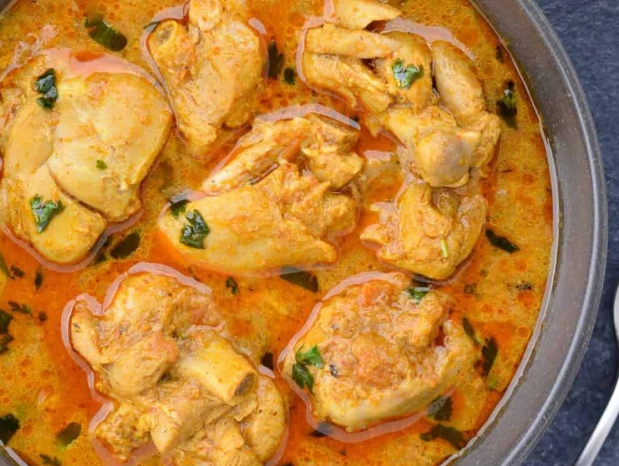
The Fresh Arsenal
Onions, garlic, ginger, and tomatoes. That's it. These four fresh ingredients, cooked down into a paste, are what create the lush, thick gravy you're craving. No cream or cashew paste required for a basic version.
- Onions: Yellow or white, finely chopped. They need time to soften and turn golden. Rushing this step is the #1 reason home curries taste raw.
- Garlic & Ginger: The dynamic duo. I keep a jar of pre-minced ginger and garlic in the fridge for true desperation, but freshly grated (use a microplane!) makes a noticeable difference. A 1:1 ratio is a safe bet.
- Tomatoes: Canned, crushed tomatoes are your friend. They're consistent, ripe year-round, and save you the trouble of blanching and peeling. Pomi brand is excellent. Fresh tomatoes only work if they're actually ripe and flavorful.
Your Toolkit: What You Really Need
You don't need a tandoor or a stone grinder. You need:
- A heavy-bottomed pot or Dutch oven. Thin pots burn spices. A Lodge Dutch Oven is affordable and indestructible.
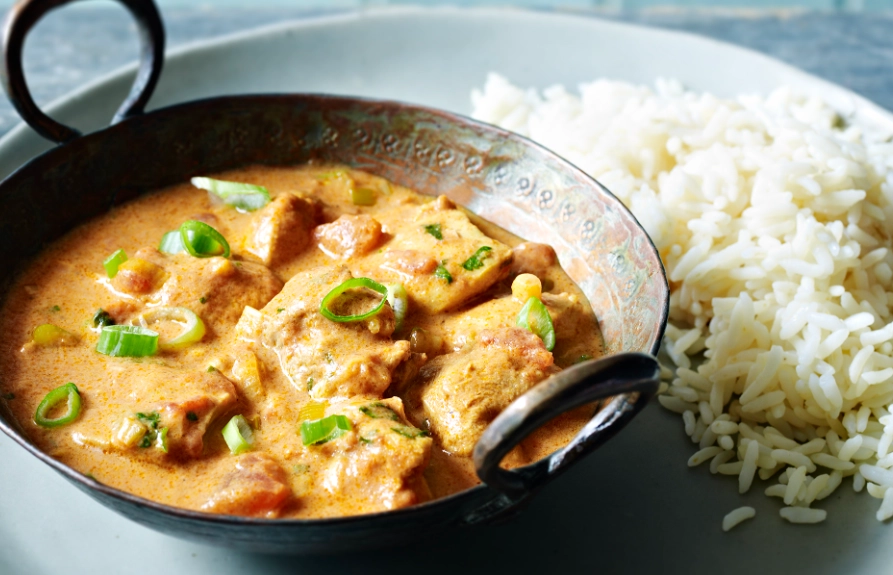
- A good wooden spoon for scraping up the tasty bits (the "fond").
- A lid that fits.
- A blender or food processor (optional, but great for super-smooth sauces).
That's it. Fancy knives are nice, but a sharp chef's knife will do all the work here.
The Master Template: How Almost Every Easy Curry is Built
Once you see the pattern, you can make anything. It's like a formula. Let's break down the universal steps for easy Indian curry recipes.
The 6-Step Curry Blueprint
- The Fat & Seed Start: Heat oil or ghee. Add whole cumin seeds (maybe a bay leaf, mustard seeds if you're feeling fancy). Wait for the seeds to sizzle and pop. This infuses the oil.
- The Onion Foundation: Add chopped onions. Cook on medium heat, stirring now and then, until they're soft and golden brown. This can take 10-15 minutes. Don't rush. This is where patience pays flavor dividends.
- The Ginger-Garlic Paste: Add the grated ginger and garlic. Cook for 1-2 minutes until the raw smell disappears. It should smell fragrant, not pungent.
- The Spice Bloom: Add your ground spices—turmeric, coriander, chili powder. Stir constantly for about 30 seconds. This "blooms" the spices in the oil, waking up their flavors. If it looks dry, add a tiny splash of water to prevent burning.
- The Tomato & Simmer: Add the tomatoes (canned or fresh). Add salt (it helps break down the tomatoes). Cook, stirring occasionally, until the oil starts to separate from the mixture and you see little droplets around the edges. This is the "masala" base. You can now blend it smooth or leave it chunky.
- The Main Event & Finish: Add your main ingredient (chicken, veggies, beans) and enough water or broth to cover halfway. Simmer until cooked through. Stir in garam masala and fresh cilantro at the very end. Taste and adjust salt.
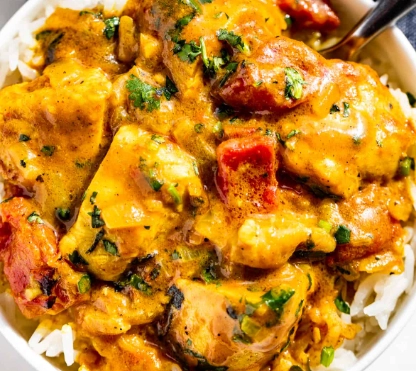
That's the framework. Every recipe is a variation on this theme. Knowing this means you can look at a recipe and understand the "why" behind each step.
Three Foolproof Recipes to Build Your Confidence
Let's apply the blueprint. These are my go-to, tested-a-million-times, crowd-pleasing (and toddler-approving) recipes. They are the definition of easy Indian curry recipes.
1. The 30-Minute Chicken Tikka Masala (Sort Of)
I call it "sort of" because a true Tikka Masala involves marinating and grilling chicken. This is the weeknight, one-pot version that captures the spirit. It's creamy, tangy, and deeply satisfying.
Ingredients:
- 1.5 lbs boneless chicken thighs, cut into chunks
- 1 large onion, chopped
- 4 cloves garlic, grated
- 1 tbsp ginger, grated
- 1 can (14 oz) crushed tomatoes
- 1 tsp cumin seeds
- 1.5 tsp coriander powder
- 1 tsp turmeric
- 1 tsp Kashmiri chili powder (or 1/2 tsp paprika + 1/2 tsp cayenne)
- 1 tsp garam masala
- 1/2 cup heavy cream or full-fat coconut milk
- Salt, oil
Method: Follow the blueprint. After step 5 (when the tomato masala is cooked), add the chicken pieces. Brown them for a few minutes in the masala. Add 1 cup of water, cover, and simmer for 15-20 mins until chicken is cooked through. Stir in the cream and garam masala. Heat through (don't boil hard after adding cream). Finish with cilantro. Serve with rice or naan. The cream tames the spices and creates that iconic restaurant-style sauce. If you want a lighter version, use Greek yogurt stirred in at the very end, off the heat.
2. The "I Have Cans" Chickpea Curry (Chana Masala)
This is the ultimate pantry raid meal. It's vegan, hearty, and packed with protein and fiber. The chickpeas hold their shape beautifully and soak up all the flavors.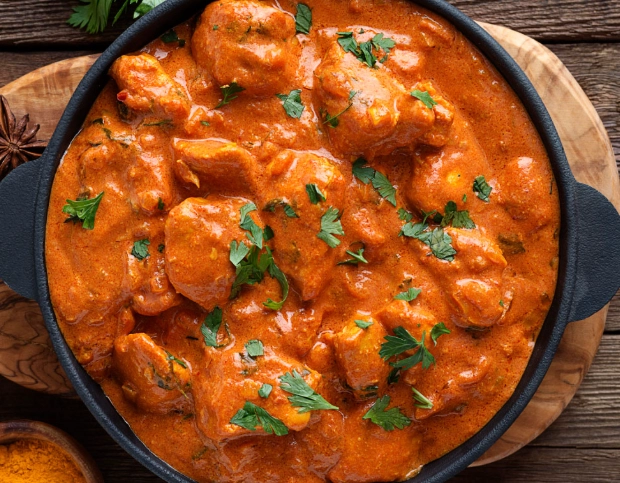
My twist: I add a black tea bag to the simmering water. It sounds weird, but it gives a subtle depth and beautiful dark color that mimics the effect of dried amla (gooseberry) used in traditional versions. Try it once.
Ingredients:
- 2 cans (15 oz each) chickpeas, drained and rinsed
- Onion, ginger, garlic (as above)
- 1 can crushed tomatoes
- Spices: cumin seeds, coriander powder, turmeric, chili powder, 1 tbsp dried mango powder (amchur) or 2 tbsp lemon juice
- 1 black tea bag (optional, but recommended)
- Garam masala for finish
Method: Build your masala base (steps 1-5). Add the drained chickpeas. Cover with water by about an inch. Add the tea bag if using. Simmer for 15-20 minutes. The longer it simmers, the better the flavor. Mash a few chickpeas against the side of the pot to thicken the gravy. Stir in amchur or lemon juice (the sour element is crucial here) and garam masala. This is a spectacularly easy Indian curry recipe that feels nourishing and complex.
3. The 20-Minute Spinach & Potato (Saag Aloo-ish)
When greens are wilting in your fridge, this is the answer. You can use fresh spinach, but frozen chopped spinach is the ultimate shortcut here. No one will know. I use it all the time.
Ingredients:
- 2 medium potatoes, cubed (peeled if you prefer)
- 1 lb frozen chopped spinach, thawed and squeezed dry
- 1 onion, finely chopped
- 1 tsp cumin seeds
- 1/2 tsp fenugreek seeds (optional, but adds authentic bitterness)
- 1 tsp ginger, grated
- 2-3 cloves garlic, grated
- 1 green chili, chopped (optional)
- 1 tsp coriander powder
- 1/2 tsp turmeric
- Salt, oil
Method: Par-boil the potato cubes until just tender. Drain. In your pot, do the cumin/fenugreek seed step. Add onion, cook until soft. Add ginger, garlic, green chili, cook 1 min. Add coriander and turmeric. Now, add the squeezed-dry spinach. It will look like a lot, but it wilts down. Cook for 5-7 minutes, stirring. Add the potatoes and about 1/2 cup water. Simmer together for 10 minutes until flavors meld. Mash a few potato pieces to thicken. Season heavily with salt—spinach needs it. This is a dryish curry, perfect with roti or as a side.
"The beauty of these easy Indian curry recipes is their adaptability. No spinach? Use kale or chard. No chickpeas? Use kidney beans or lentils. The template supports your creativity."
Navigating Common Curry Conundrums & Questions
You'll hit snags. Everyone does. Here's how to troubleshoot like a pro.
Your Easy Indian Curry Recipe FAQ
The Pro Move: Building a Curry Library
Once you're comfortable, you can start exploring regional variations. It's all about swapping one or two elements in your blueprint.
- For a South Indian vibe: Start with mustard seeds and curry leaves in the oil. Use more coconut and tamarind.
- For a North Indian restaurant style: Finish with a "tadka"—heat ghee, fry a pinch of dried fenugreek leaves (kasuri methi) and pour it sizzling over the finished curry.
- For a Persian influence: Add dried limes (limoo amani) or a splash of pomegranate molasses for a sweet-sour note.
Resources like BBC Good Food have vast, reliably tested recipe collections that can inspire your next variation. I cross-reference their recipes with traditional ones to find a happy middle ground for a busy kitchen.
Let's Wrap This Up: Your Curry Confidence Checklist
You've made it. You now have more than just a few recipes; you have a system. Before you go raid your pantry, run through this final checklist to ensure success with your easy Indian curry recipes.
- Mise en place: Chop your onions, grate your ginger-garlic, measure your spices into a small bowl before you turn on the stove. It prevents frantic searching and burning spices.
- Embrace the onion cook. Give it the full 10-15 minutes on medium heat. This is non-negotiable for flavor.
- Bloom your ground spices. That 30 seconds in hot oil transforms them from dusty powder to flavor bombs.
- Wait for the oil to separate from the tomato masala. It's the visual cue that the base is ready.
- Season in layers. A little salt when cooking onions, more with the tomatoes, and a final adjustment at the end.
- Finish with fresh. Garam masala and cilantro (or a squeeze of lemon) added at the very end lift the whole dish.
- Taste, taste, taste. Adjust before serving. More salt? A pinch of sugar to balance acidity? A dab of butter for richness? You're the boss.
The journey from intimidated to confident in the kitchen is just a few pots of curry away. It's not about perfection. It's about the process—the smell of toasting cumin filling your kitchen, the steady simmer of tomatoes thickening into a sauce, the satisfaction of turning simple ingredients into something magical.
So go on. Pick one of the easy Indian curry recipes above. Follow the blueprint. Make a mess. Adjust it to your taste. And then sit down and enjoy what you made. That's the real goal, isn't it? Not just to follow a recipe, but to create something delicious that makes your ordinary weeknight feel a little bit special.
You've got this.
Discussion