Let's be honest. You've followed an online recipe for butter chicken to the letter. It tasted... fine. But it didn't have that deep, complex, inexplicably rich flavor of the version from your favorite Indian restaurant. The sauce was a bit thin, the spices felt separate, not unified. What did they forget to tell you?
I spent a month in the kitchens of a family-run restaurant in Delhi, not as a chef, but as a desperately curious home cook. I learned that the gap between a good home cook and a restaurant chef isn't about better ingredients—it's about technique, patience, and a few guarded secrets they assume you already know.
This isn't just another list of recipes. It's a translation of those kitchen secrets into your home kitchen.
Your Roadmap to Indian Restaurant Magic
The Non-Negotiable Spice Foundation
Forget pre-mixed curry powder. Restaurant kitchens use whole spices, toasted and ground in small batches, and specific spice blends (garam masala) added at specific times.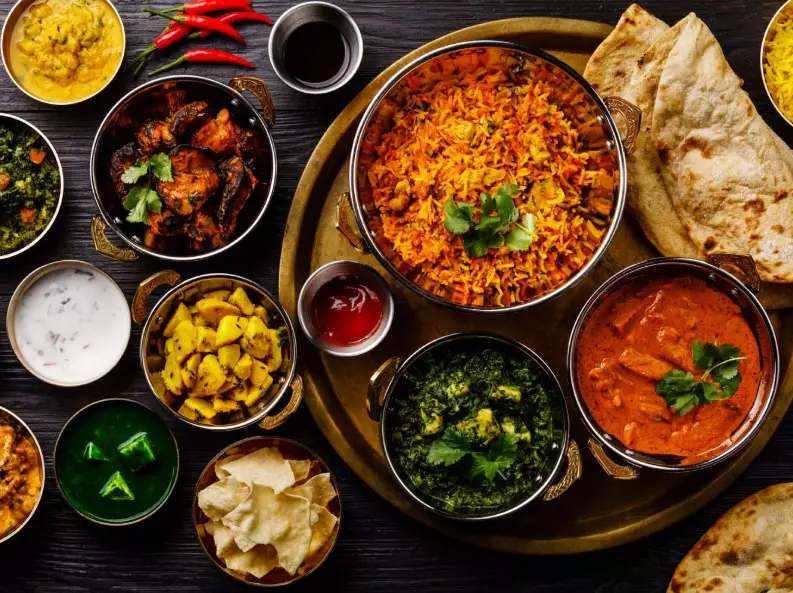
Here’s the core arsenal you need:
| Spice | Form (Whole/Ground) | Restaurant Kitchen Role |
|---|---|---|
| Cumin (Jeera) | Both | Whole: tempering (tadka) for earthy aroma. Ground: base flavor in curries. |
| Coriander (Dhania) | Seeds (ground) | The workhorse. Provides body and a warm, citrusy base note. Used in tablespoons, not teaspoons. |
| Turmeric (Haldi) | Ground | Color and earthy depth. Added early with other powdered spices. |
| Garam Masala | Ground blend | The finishing spice. Added in the last 5 minutes or sprinkled on top. Contains cardamom, cinnamon, cloves, etc. Never cooked for long. |
| Kashmiri Red Chili | Ground | The secret to vibrant color without brutal heat. Essential for that restaurant red hue. |
The biggest home cook mistake? Adding ground spices to cold oil. They just turn bitter and grainy. The technique is called "blooming." Heat oil or ghee, add whole spices first until they sizzle, then add your onions or ginger-garlic paste. For ground spices (coriander, turmeric, cumin powder), add them directly to the cooking onion-tomato mixture for a minute until fragrant—this "cooks" the raw taste out.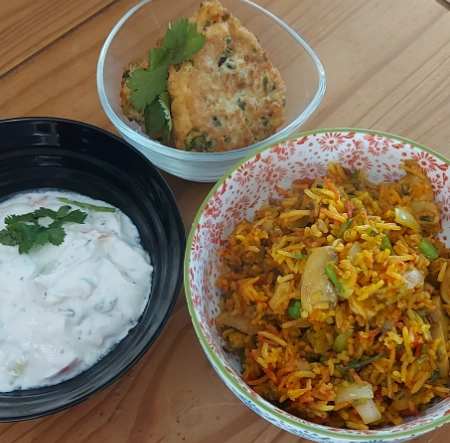
Butter Chicken (Murgh Makhani): The Ultimate Test
This dish exposes every shortcut. The restaurant version is silky, tangy, subtly sweet, and rich. Here’s how they do it, broken down.
The Yogurt Marination Secret
It's not just about tenderness. The marinade builds the first layer of flavor that penetrates the chicken.
For 500g boneless chicken:
- 1/2 cup full-fat, strained (Greek-style) yogurt. Low-fat yogurt will make the marinade watery.
- 1 tbsp each: ginger-garlic paste, Kashmiri red chili powder, lemon juice.
- 1 tsp garam masala, turmeric, salt.
- 1 tbsp mustard oil (or vegetable oil). This adds a pungent depth.
Mix, coat the chicken, and marinate overnight, or at least 4 hours. The acid and enzymes in the yogurt work slowly. Rushing this is mistake #1.
Then, the chicken is traditionally cooked in a tandoor (clay oven). At home, you can get 90% of the way there by broiling or grilling on high heat until slightly charred. That char is flavor gold for the final gravy.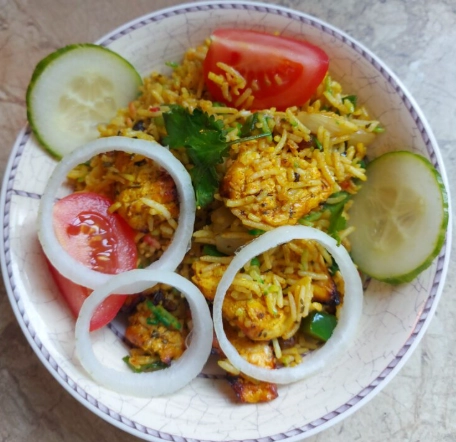
Gravy Alchemy: Onions, Tomatoes, Time
This is the heart of the dish and where most recipes fail you.
1. Fry 4 roughly chopped onions in 3 tbsp butter/ghee on medium-low heat for 20-25 minutes. Stir occasionally. They must turn deeply golden, almost caramelized, not just translucent.
2. Add 4 chopped tomatoes and cook for another 15-20 minutes until the mixture is pulpy and the oil separates. This long cooking time is crucial—it removes raw acidity and concentrates flavor.
3. Cool, then blend into a smooth paste.
4. Cook this paste again with a bit more butter, adding your ground spices (coriander, cumin, turmeric, chili powder). Let it fry for 5-7 minutes until it deepens in color and the oil separates again.
5. Add the grilled chicken and simmer. Finish with a splash of cream and a sprinkle of garam masala and crushed kasuri methi (dried fenugreek leaves).
Dal Makhani: The Slow-Cooked Secret
Restaurant dal makhani isn't just boiled lentils. It's an overnight affair. The creaminess comes from patience, not just cream.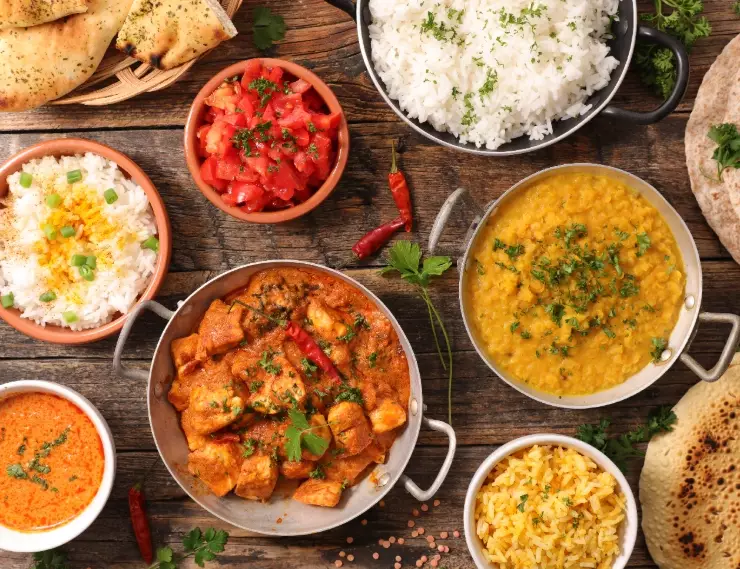
1. Soak 1 cup whole black lentils (urad dal whole) and 1/4 cup kidney beans overnight.
2. Pressure cook with water, salt, and a large knob of ginger until completely soft. This can take 45-60 minutes.
3. Now, the restaurant trick: They take this cooked dal and let it simmer on the lowest possible heat (a "dum") for 4-6 hours, sometimes overnight in a heavy pot. The dal breaks down further, thickens naturally, and the flavors marry. At home, a slow cooker on low for 8 hours is perfect.
4. In the last hour, stir in a mixture of butter, cream, and tomato puree. The long cooking emulsifies everything.
5. The final tadka (tempering) of ghee, cumin, garlic, and red chili poured on top is mandatory. It's the aromatic wake-up call for the dal.
Using only yellow split lentils? That's a different dish. The texture of the whole black lentil skin is part of the experience.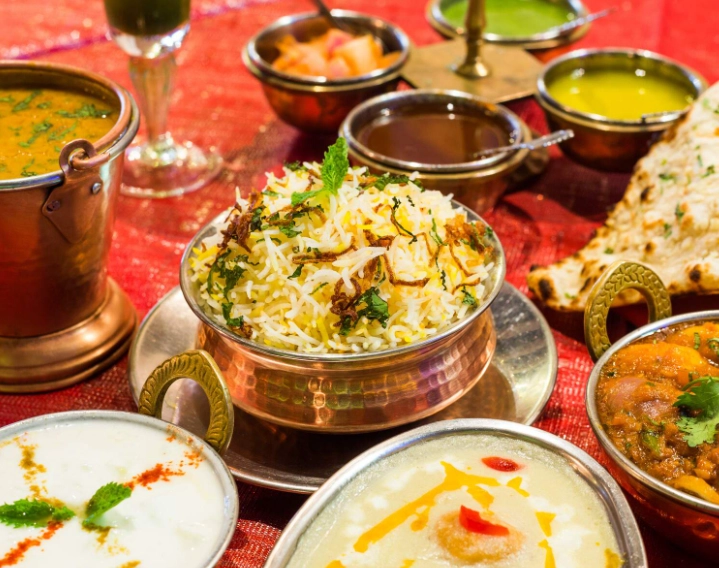
Chicken Tikka Masala: A British-Indian Icon Decoded
Often confused with butter chicken, but it's different. The gravy is more tomato-forward, tangier, and often uses a different creaminess agent.
The chicken tikka (marinated and grilled chunks) is the same as the first step for butter chicken.
The gravy magic?
- A base of onion-ginger-garlic paste, but often less onion than butter chicken.
- More tomato—sometimes tomato puree is used for a smoother, brighter sauce.
- The creaminess often comes from cashew paste or almond paste instead of, or along with, cream. Soak 1/4 cup raw cashews, blend with water into a smooth paste, and add it to the gravy. It gives a luxurious, velvety body that's hard to pinpoint but unmistakable.
- The flavor profile is less buttery, more sharp from tomatoes, balanced with cream/cashew and a hint of sweetness (a pinch of sugar is not uncommon).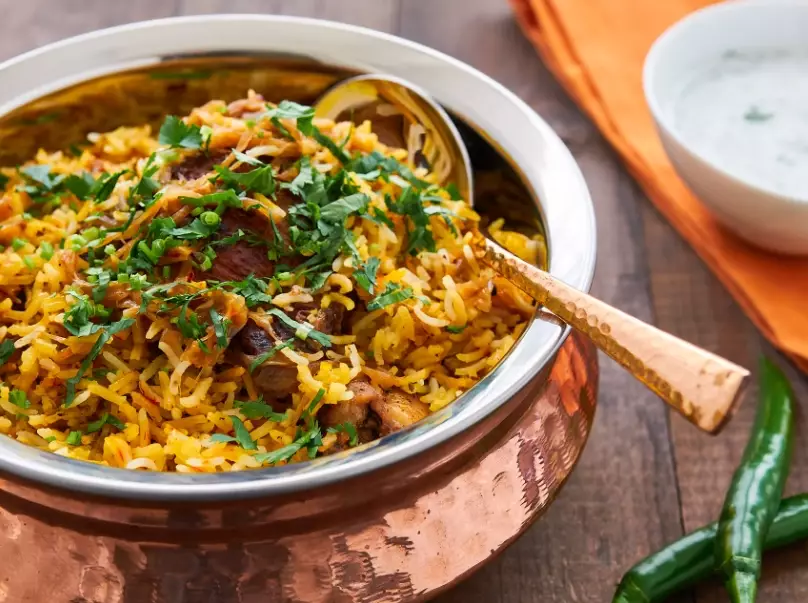
The Supporting Cast: Raita, Naan, Rice
A restaurant meal is a symphony. Here’s how to complete the plate.
Raita: Grate a cucumber, salt it, and squeeze out ALL the water. Mix with full-fat yogurt, a pinch of roasted cumin powder, and fresh mint. The key is removing cucumber water so your raita isn't diluted.
Restaurant-Style Basmati Rice: Wash rice until water runs clear. Soak for 20 mins. In a pot, heat ghee, add a cinnamon stick, cardamom pods, and cloves. Add drained rice, fry for a minute. Add boiling water (1.5x the volume of rice) and salt. Cook covered on lowest heat for 15 mins. Let it steam, off heat, for 10 more. Fluff with a fork. The frying step adds fragrance.
Garlic Naan (Home Hack): While making proper naan needs a tandoor, a cast-iron skillet and your broiler get close. Use a simple yogurt-based dough. Roll a piece, slap it onto a very hot, dry skillet. When bubbles form, flip it. Then, hold the skillet directly under a hot broiler for 30-60 seconds until it puffs and chars. Brush immediately with ghee mixed with minced garlic and cilantro.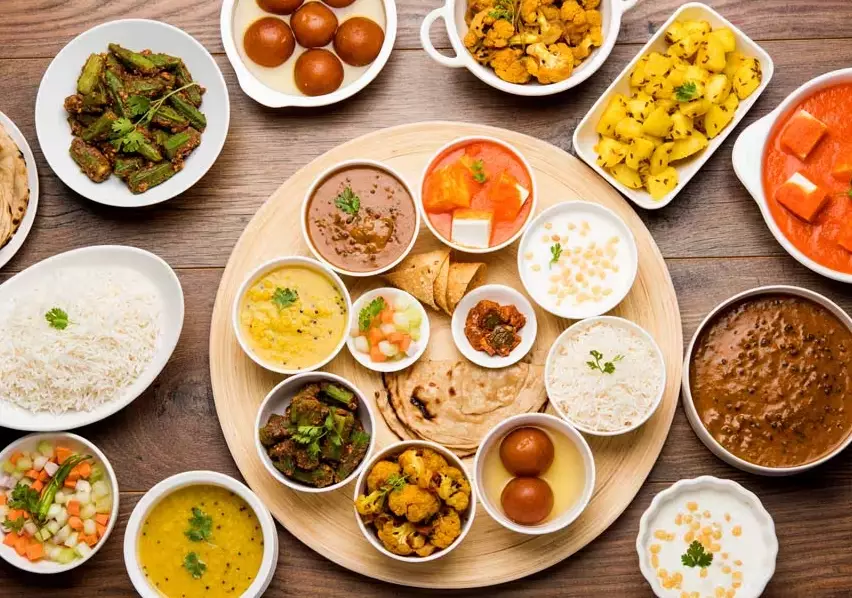
Your Burning Questions, Answered
The final word? It's about respect for the process. Indian restaurant cuisine isn't fast food. It's layers of technique built on patience. Start with one dish—maybe the dal makhani in your slow cooker this weekend. Give it the time it demands. That first bite, when it tastes just like it came from your favorite corner booth, will make every minute worth it.
Discussion