That half-eaten loaf on your counter, going stale and hard—it’s not trash. In an Indian kitchen, it’s the start of something delicious. Throwing away food feels wrong, especially when you know the stats. The UN Environment Programme's Food Waste Index Report highlights just how big the household food waste problem is globally. But more than guilt, there's a simple pleasure in transforming something seemingly past its prime into a meal that makes everyone ask for seconds. I learned this not from a fancy cookbook, but from watching my grandmother. She never wasted a crust. That frugal, creative spirit is at the heart of these leftover bread recipes Indian families have relied on for generations.
Your Quick Recipe Guide
The Sweet Comfort: Indian-Style Bread Pudding (Double Ka Meetha/Shahi Tukda)
Let's start with royalty. This isn't your standard bread-and-custard pudding. Indian bread pudding, often called Double Ka Meetha in the south or Shahi Tukda in the north, is rich, aromatic, and feels like a celebration. The stale bread is key—it soaks up the flavored milk without disintegrating into mush.
How to Make Indian-Style Bread Pudding (Double Ka Meetha)
What you need: 6-8 slices of stale bread (white or wheat), 1 liter full-fat milk, 1/2 cup sugar, 4-5 green cardamom pods (crushed), a pinch of saffron strands (optional but magical), 2 tbsp ghee or butter, a handful of chopped nuts (almonds, pistachios), and raisins.
The simple process:
- Trim the crusts if they're very hard. Cut the bread into triangles or squares.
- Heat the ghee in a pan and lightly toast the bread pieces on both sides until golden and slightly crisp. This step is non-negotiable—it gives the pudding structure. Set aside.
- In a heavy-bottomed pot, bring the milk to a boil. Reduce heat and simmer, stirring frequently, until it reduces by about one-third. This takes 20-25 minutes.
- Add the sugar, crushed cardamom, and saffron. Stir until the sugar dissolves. Let this sweetened milk (rabri base) cool slightly.
- In a serving dish, arrange the toasted bread pieces. Pour the warm (not hot) sweetened milk over them, ensuring all pieces are soaked.
- Garnish generously with fried nuts and raisins. Let it sit for at least 30 minutes before serving warm or chilled.
The texture is everything. The bread should be tender but still have a slight bite, swimming in that fragrant, reduced milk. It’s a dessert that honestly tastes better the next day.
The Savory Breakfast Hero: Bread Upma
If you know traditional upma made with semolina (rava), this is its clever, quick-fire cousin. Bread upma is the ultimate 15-minute meal for when you have leftover bread and zero time. It’s savory, lightly spiced, and incredibly adaptable.
Here’s where most recipes get it meh. They tell you to add water. Don’t. Not directly. The bread will turn into a soggy, gluey mess. The trick is to use the moisture from vegetables and a technique I picked up from a street food vendor in Mumbai.
Chop an onion, a tomato, a green chili, and some coriander leaves. Tear your stale bread into rough, bite-sized chunks—don’t use a knife, tearing creates better edges for soaking up flavors.
Heat some oil in a kadai or pan. Add mustard seeds, cumin seeds, and curry leaves. Let them crackle. Throw in the onions and green chili, sauté until soft. Add the tomatoes and cook them down until mushy. This tomato mush is your natural sauce. Now, add your torn bread. Toss it vigorously on medium heat, letting the bread coat itself in the tomato-onion mixture. The steam from the vegetables and the residual moisture is all you need.
Season with salt, a pinch of turmeric, and a dash of red chili powder. Give it one final toss, sprinkle with fresh coriander, and squeeze half a lime over the top. The result is fluffy, flavorful, and perfectly dry.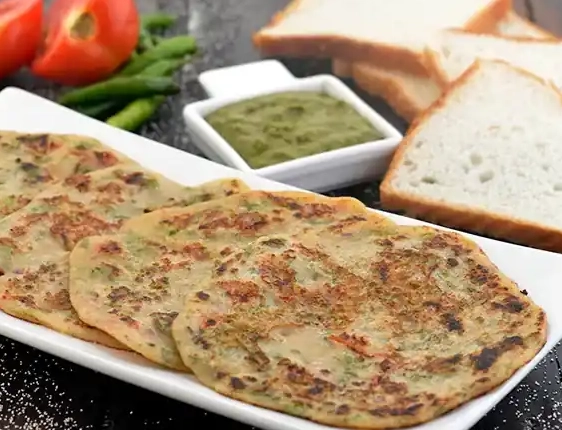
The Crispy Crowd-Pleaser: Bread Pakoras
Rainy day? Unexpected guests? Stale bread to the rescue again. Bread pakoras are the ultimate Indian comfort snack. Slices of bread, stuffed with a spiced potato mash, dipped in a chickpea flour batter, and deep-fried to golden perfection. The stale bread holds up to the stuffing and frying much better than fresh bread would.
The filling is simple: mashed boiled potatoes mixed with chopped green chilies, coriander, chaat masala, and a bit of amchur (dry mango powder) for tang. Sandwich this between two slices of bread, press the edges.
Now, the batter. This is another pitfall. A thick, lumpy batter will give you a doughy coating. You want a smooth, flowing consistency, like heavy cream. For one cup of besan (chickpea flour), add about 3/4 cup water, a pinch of baking soda, salt, red chili powder, and a spoon of rice flour for extra crunch. Whisk until smooth.
Cut your stuffed bread sandwich into triangles or rectangles. Dip each piece in the batter, let the excess drip off, and gently slide into medium-hot oil. Fry until crisp and golden. Serve immediately with tamarind chutney and a hot cup of chai. The contrast of the crispy exterior, soft bread, and flavorful potato filling is irresistible.
Pro Tips for Leftover Bread Success
Working with stale bread isn't just about the recipe. A few small adjustments make a huge difference.
- The Dryness Spectrum: Rock-hard bread is perfect for breadcrumbs in a blender. Just-drying-out bread is ideal for upma and pudding. Slightly stale but still soft bread works for pakoras.
- Reviving Tactics: If your bread is too hard for upma, don't soak it. Lightly sprinkle some water over the torn pieces in a colander, cover with a lid for 5 minutes, and let the steam soften it.
- Flavor Boosters: For savory dishes, a teaspoon of ginger-garlic paste fried with the onions adds depth. For sweet pudding, a drop of kewra water or rose water in the milk is divine.
- The Storage Secret: If you won't use the bread immediately, slice and freeze it. You can take slices straight from the freezer to the toaster or frying pan for these recipes.
Quick Recipe Comparison
| Recipe | Best For | Key Ingredient (Besides Bread) | Prep/Cook Time | Texture Goal |
|---|---|---|---|---|
| Bread Pudding | Dessert, Festive Occasion | Reduced Sweetened Milk | ~45 mins | Soft, Soaked, Creamy |
| Bread Upma | Breakfast, Quick Lunch | Fresh Vegetables (Onion, Tomato) | ~15 mins | Fluffy, Dry, Grain-like |
| Bread Pakoras | Snack, Monsoon Treat | Spiced Potato Filling & Chickpea Flour | ~30 mins | Crispy Outside, Soft Inside |
This isn't just about following steps. It's about understanding the role of the stale bread in each dish. In the pudding, it's a sponge. In the upma, it's a substitute for grain. In the pakora, it's a sturdy vessel.
Your Leftover Bread Questions Answered
The next time you see that loaf turning stale, see potential, not waste. Try the bread upma for a lazy Sunday breakfast, or treat yourself to a small portion of that fragrant bread pudding. It’s more than saving money; it’s connecting with a practical, creative way of cooking that turns everyday leftovers into something truly special. Your kitchen, your rules. Start with one recipe and make it your own.
Discussion