Let's cut to the chase. You're here because you love the rich, aromatic, and soul-satisfying taste of north Indian food. Maybe you had an unforgettable Butter Chicken in Delhi, or a Biryani that haunted your dreams. Now you want to recreate that magic at home, but recipes online are either too complicated, inauthentic, or just plain wrong. I get it. I've spent over a decade cooking, eating, and dissecting north Indian cuisine, from home kitchens in Punjab to street stalls in Old Delhi. This isn't just a list of recipes. It's a curated guide to the best north Indian recipes that actually work, with the insider tricks most blogs won't tell you. We're skipping the fluff and diving straight into the flavors that define this incredible cuisine.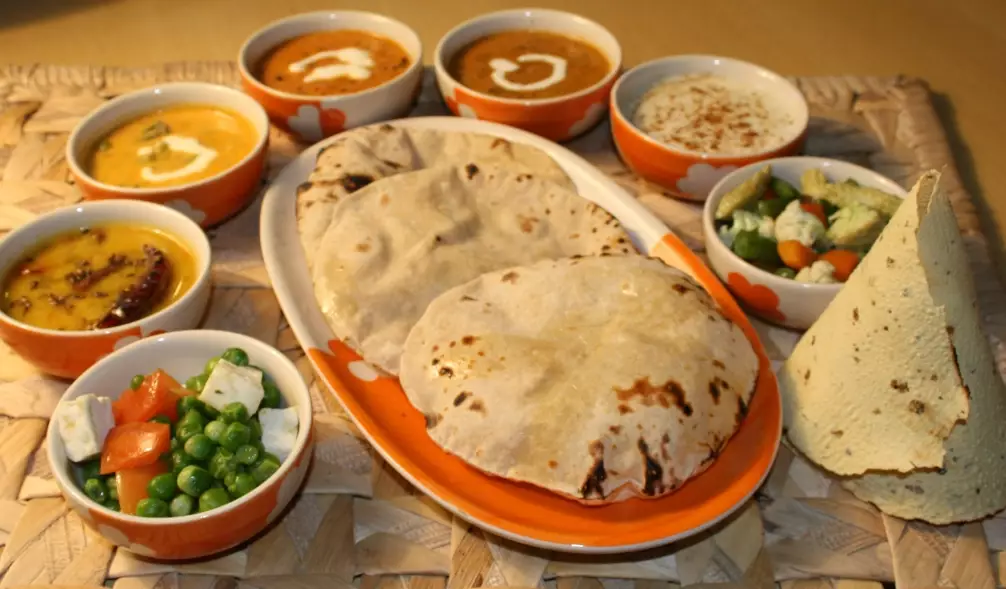
Your Recipe Roadmap
Butter Chicken: The Global Icon, Done Right
Everyone knows Butter Chicken, or Murgh Makhani. But most home versions are a sweet, orange gloop far from the real deal. Authentic Butter Chicken is about balance—tangy, creamy, lightly spiced, and smoky. The secret isn't just dumping cream into tomato sauce.
The Core Process (The "Why" Behind the Steps)
First, marinate chicken in yogurt, ginger-garlic paste, Kashmiri red chili powder (for color, not heat), and a bit of oil. This isn't just for flavor; the yogurt's acids tenderize the meat. Grill or pan-fry until slightly charred. That char is non-negotiable—it gives the dish its signature tandoori soul.
The gravy starts with a tomato puree, cooked down with butter, more ginger-garlic, and whole spices like cardamom and bay leaf. The magic step? Once the tomatoes are cooked, you blend the gravy until silky smooth. This is where most fail—they skip the blending, resulting in a chunky, inelegant sauce. After blending, you add the grilled chicken, finish with cream, kasuri methi (dried fenugreek leaves), and a pinch of sugar to round off the tomato's acidity.
Chicken Biryani: The Layered Crown Jewel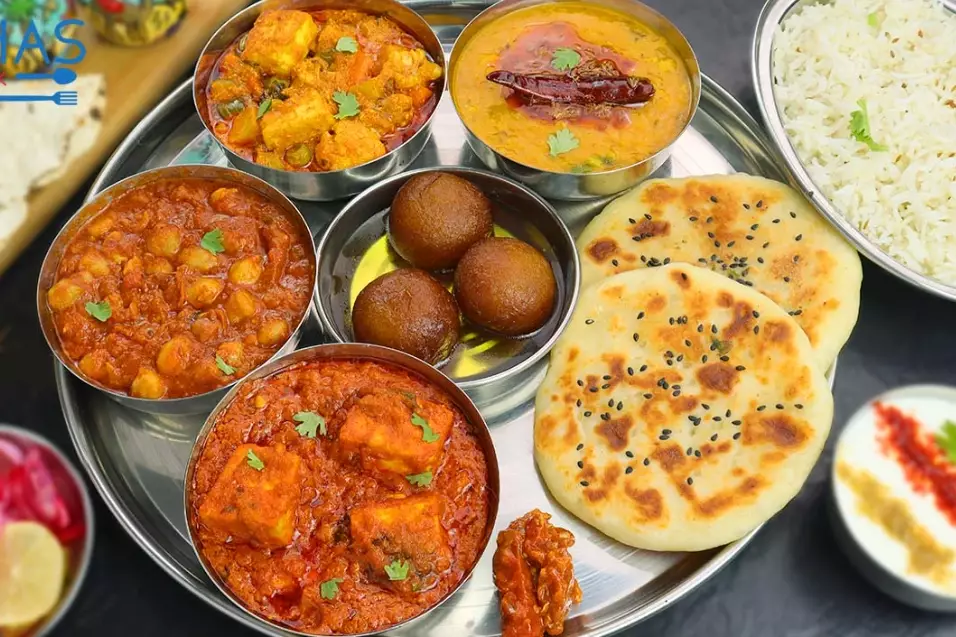
Biryani intimidates people. Layers, timing, the fear of undercooked rice. I've seen countless pots of mushy rice and bland chicken. The key is understanding it's a layered rice dish, not a chicken fried rice.
Let's break down the two main components:
The Chicken Marinade (The Flavor Foundation)
Marinate the chicken for at least 2 hours, ideally overnight. Use yogurt, fried onions (birista), biryani masala (I recommend the brand Shan or make your own), ginger-garlic paste, mint, cilantro, and a bit of lemon juice. This isn't a quick soak; it's a flavor infusion.
The Rice Parboiling (The Texture Control)
Parboil basmati rice with whole spices (cumin, cardamom, cinnamon) until it's 70% cooked. This means the grain is soft on the outside but has a hard core. Drain immediately. If you cook it fully now, the final dum cooking will turn it to mush.
The assembly, or layering, is where the magic happens. In a heavy-bottomed pot, start with a layer of the marinated chicken. Then a layer of the parboiled rice. Sprinkle saffron milk, fried onions, ghee, and herbs. Repeat. Seal the pot with a tight lid or dough to trap steam (dum). Cook on very low heat for 25-30 minutes. Let it rest for 15 minutes before digging in—this allows the flavors to settle and the layers to set.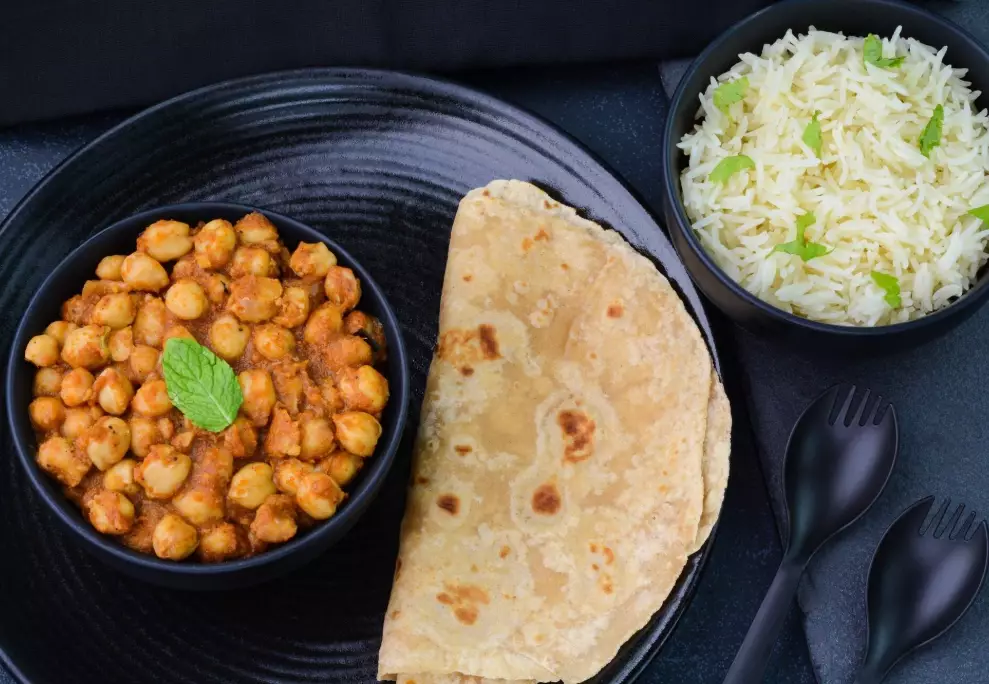
| Common Biryani Mistake | Result | The Fix |
|---|---|---|
| Using fully cooked rice for layering | Mushy, sticky biryani | Parboil to 70% doneness only. |
| Not sealing the pot during dum | Dry, unevenly cooked rice | Use a tight lid or dough seal to trap steam. |
| Skimping on marination time | Bland, tasteless chicken pieces | Marinate overnight, or minimum 2 hours. |
| Stirring the biryani after layering | Broken rice, mixed-up layers | Never stir after assembly. Serve in vertical layers. |
Palak Paneer: The Vegetarian Powerhouse
A good Palak Paneer is vibrant green, creamy, and has a subtle depth. A bad one is a dull, bitter, watery spinach soup with rubbery cheese. The difference is in the treatment of the spinach.
Blanching the spinach is crucial. Plunge fresh spinach into boiling water for 2 minutes, then immediately into ice water. This locks in the bright green color and removes any raw, bitter edge. Puree it until smooth.
The gravy base is simple: sauté cumin, ginger, garlic, green chilies, and onions. Add the spinach puree and cook for 5-7 minutes. Now, here's a trick from a friend's grandmother in Amritsar: add a paste of 2 tablespoons of soaked cashews or a spoonful of white poppy seeds (khus khus). It adds a velvety creaminess without overpowering the spinach. Finally, add lightly fried cubes of paneer (Indian cottage cheese) and season with garam masala and cream.
Paneer note: Don't use the paneer straight from the packet. Soak it in warm, lightly salted water for 15 minutes. It becomes incredibly soft and absorbs flavors better.
Soft, Fluffy Naan: No Tandoor Needed
Store-bought naan is often leathery. The real stuff from a clay tandoor is soft, slightly chewy, with beautiful charred bubbles. You can get close at home without special equipment.
The dough needs yeast, yogurt, a bit of sugar, and warm water. Knead it well and let it rise until doubled. The yogurt is the key to tenderness. For cooking, a very hot, heavy cast-iron skillet or a preheated pizza stone works. Stretch the dough into an oval, brush one side with water, and slap the wet side onto the hot surface. The steam helps it stick and cook. In 2-3 minutes, you'll see bubbles. Flip it briefly to cook the other side. Finish with a brush of garlic butter or ghee and cilantro.
For that classic buttery Garlic Naan, mix minced garlic into melted butter and brush it on immediately after cooking.
Discussion