Let's be honest, a great dosa isn't just about the recipe—it starts with the stuff you put in the bowl. Get the ingredients wrong, and you'll end up with a sad, limp crepe that sticks to the pan or tastes like cardboard. I've had my share of dosa disasters. After years of tweaking (and plenty of failed batches), I've learned that understanding the dosa recipe ingredients is 90% of the battle. This isn't just a list. It's a deep dive into why each component matters, how to choose them, and the little secrets that turn good batter into legendary, restaurant-crisp dosas.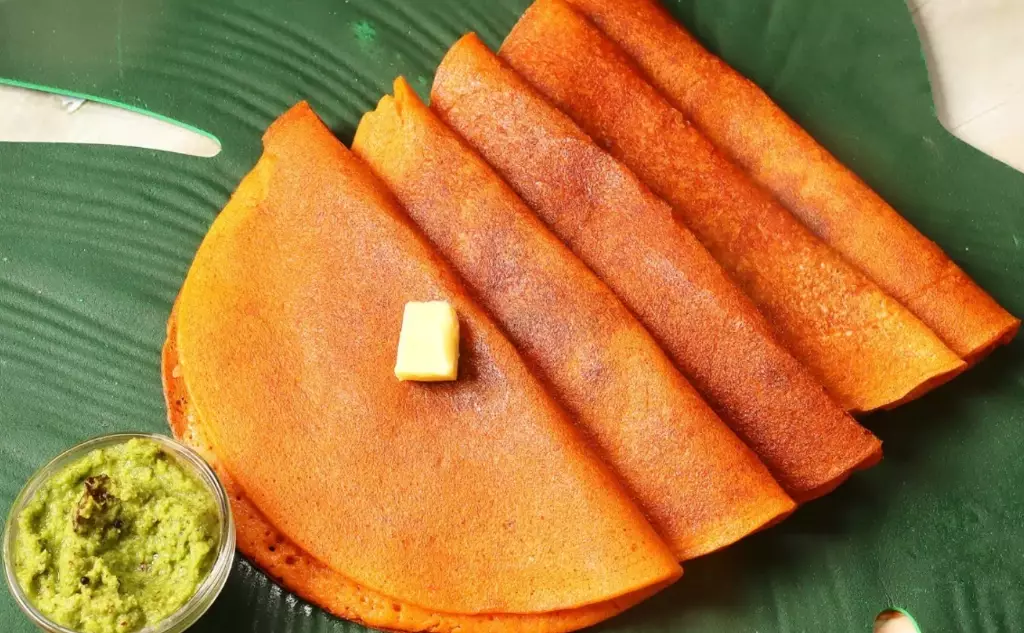
What's Inside This Guide
- The Core Four: Essential Dosa Batter Ingredients
- Beyond the Batter: Key Ingredients for Fillings & Chutneys
- How to Choose Your Dosa Ingredients: A Practical Guide
- The Secret Ratio: Getting the Dosa Batter Proportions Right
- Common Dosa Ingredient Mistakes & How to Fix Them
- Your Dosa Ingredients Questions Answered (FAQ)
The Core Four: Essential Dosa Batter Ingredients
Forget the fancy additions for now. A classic, crispy plain dosa lives or dies by four humble ingredients. Mess with this foundation, and everything else is just decoration.
1. Rice: The Backbone of Crispness
This isn't your everyday jasmine or basmati. You need a parboiled rice, often labeled as "idli rice" or "dosa rice" in Indian stores. Why? Parboiling gelatinizes the starches inside the grain. When ground and fermented, these starches break down into sugars that the yeast feeds on, and later, they crisp up beautifully on the hot tawa. Using regular raw rice often results in a dosa that's soft, chewy, and lacks that signature golden-brown, lacy texture. In a pinch, a mix of parboiled and raw rice can work, but for reliability, stick with the parboiled variety.
2. Urad Dal (Black Gram Dal): The Fermentation Engine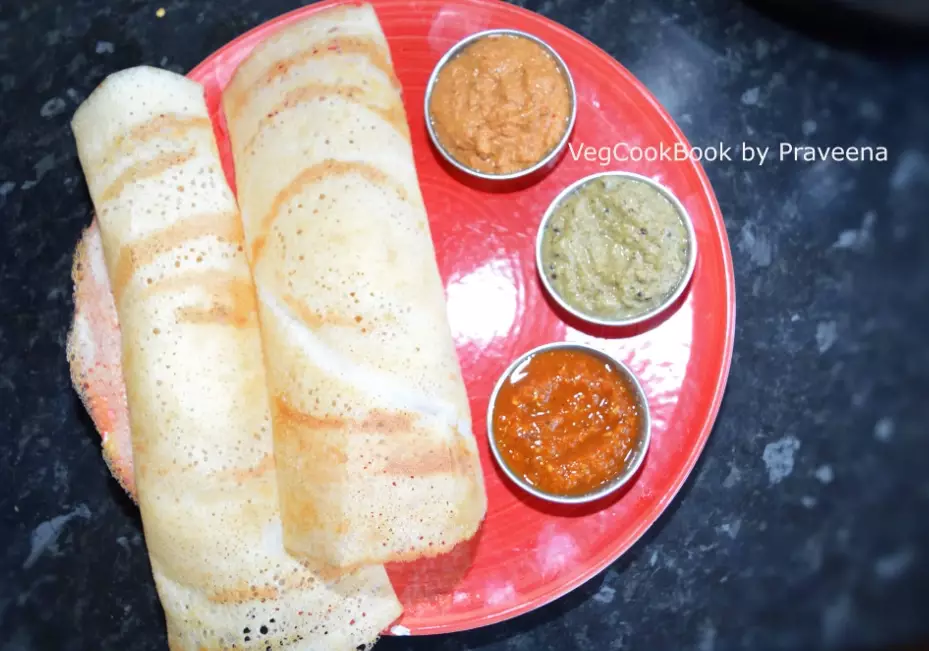
This is the magic bean. Split and skinned urad dal (it's white, not black, once hulled) is packed with protein. When soaked and ground, it creates a glutinous, fluffy paste that traps air during fermentation. This is what gives the batter its volume and the final dosa its characteristic soft-yet-crisp contrast. Don't substitute with other lentils like chana dal. They won't ferment the same way. The quality of your urad dal is non-negotiable. Fresh dal ferments vigorously; old, stale dal might leave your batter flat and sour.
3. Fenugreek Seeds (Methi): The Unsung Hero
A teaspoon of these bitter seeds does three critical jobs. First, they act as a natural preservative, slowing down over-fermentation. Second, they contribute to that complex, slightly tangy aroma. Third, and most importantly, they contain compounds that strengthen the gluten-like network formed by the urad dal, helping the batter hold its air bubbles better. Skip them, and your batter might collapse faster.
4. Salt & Water: More Important Than You Think
Use non-iodized salt. Iodine can sometimes inhibit the wild yeast and bacteria you want for fermentation. As for water, use filtered or boiled-and-cooled water if your tap water is heavily chlorinated. Chlorine is meant to kill microbes, and you need those microbes alive and well.
Beyond the Batter: Key Ingredients for Fillings & Chutneys
A dosa is a vehicle for flavor. The batter is the chassis, but the fillings and chutneys are the engine and interior.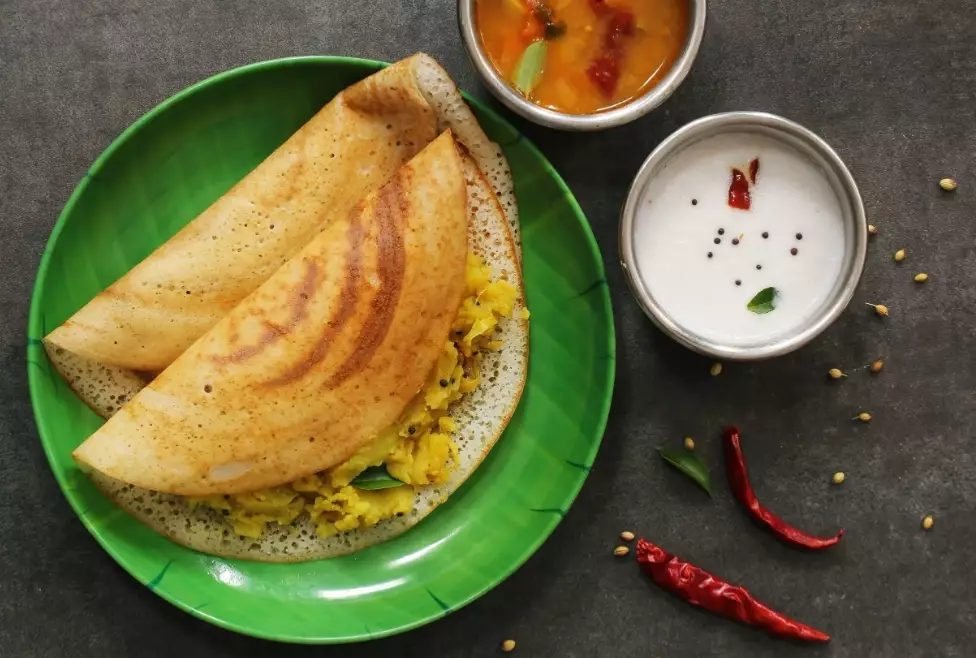
For Masala Dosa Filling (Aloo Masala):
- Potatoes: Waxy potatoes like Yukon Gold hold their shape better than starchy Russets.
- Onions & Green Chilies: The aromatic base. Slice, don't dice, the onions for texture.
- Mustard Seeds, Curry Leaves, Turmeric, Asafoetida (Hing): This is the flavor trifecta. Hing, in particular, is crucial for that authentic, savory depth and is known to aid digestion—a perfect pairing for a fermented food like dosa.
- Raw Cashews or Peanuts: For a bit of crunch and richness. Often overlooked in basic recipes, but a game-changer.
For Coconut Chutney:
- Fresh Grated Coconut: Frozen works in a pinch, but fresh is brighter.
- Roasted Chana Dal (Dalia): This is the thickener and body-builder. It gives the chutney a nutty, substantial feel instead of being watery.
- Tempering (Tadka): Mustard seeds, urad dal, dried red chili, and curry leaves fried in oil and poured on top. This isn't optional. It transforms the chutney from a side to a star.
For Sambar: While a full sambar recipe is its own world, the key ingredients that make it *dosa sambar* are drumsticks (the vegetable), a specific sambar powder blend, and tamarind for the essential sweet-sour tang.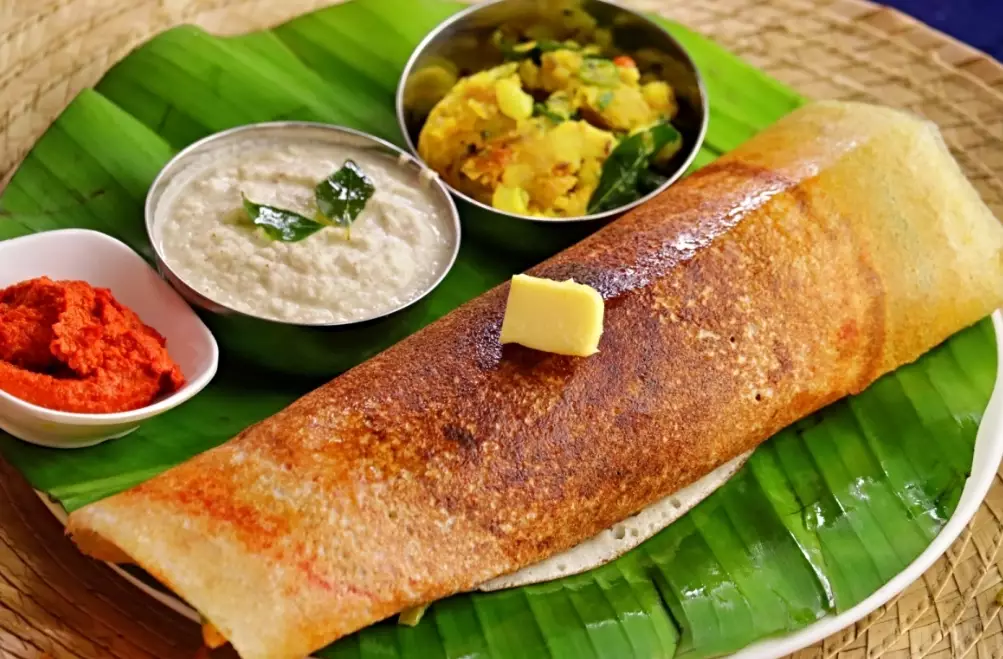
How to Choose Your Dosa Ingredients: A Practical Guide
Walking into an Indian grocery can be overwhelming. Here’s what to look for, shelf by shelf.
Rice Aisle: Grab a bag clearly labeled "Idli Rice" or "Dosa Rice." Brands like Double Horse or Manna are reliable. If you can't find it, look for "parboiled rice" or "ponni rice." Avoid basmati or sona masoori for the main batter.
Lentils Aisle: You want "Split Black Gram Dal (Urad Dal)" that is white and skinless. There will be whole black gram and split with skin—avoid those. The split and skinned version should look like little ivory-colored discs.
Spices Aisle:
- Fenugreek Seeds (Methi): Buy a small quantity. They lose potency over time.
- Asafoetida (Hing): Always buy the compounded powder in a jar, not the raw resin (unless you're a serious expert). The powder is ready-to-use and less overpowering.
- Sambar Powder & Chutney Dal: Pick a reputable brand like MTR or Eastern for sambar powder. For chutney, look for roasted chana dal (often called "pottukadalai" in South Indian stores).
The Secret Ratio: Getting the Dosa Batter Proportions Right
The classic ratio is your starting point, but it's not set in stone. Your climate and taste dictate the final tweak.
| Ratio (Rice : Urad Dal) | Best For | Texture & Flavor Profile | Fermentation Time (approx.) |
|---|---|---|---|
| 3:1 | Beginner-friendly, all climates | Crisp, sturdy, slightly thicker. Reliable fermentation. | 8-12 hours |
| 4:1 | Classic restaurant style, warm climates | Extremely crispy, lacy, and thin. Requires good fermentation. | 10-14 hours |
| 2:1 | Cold climates, softer dosa preference | Softer, spongier center with a crisp edge. Ferments easily. | 6-10 hours |
My go-to is a 4:1 ratio (4 cups rice to 1 cup urad dal) with 1 teaspoon of fenugreek seeds. But in winter, I might shift to 3.5:1. The urad dal is the live culture. More of it means more fermentation power, which is great in warmth but can over-ferment and turn too sour if it's hot. Less dal means a milder ferment, better for cold kitchens.
Water proportion is by feel. You want a batter that is thick but pourable, like a smoothie or pancake batter. Too thick, and it won't spread; too thin, and it becomes a watery mess that won't crisp up.
Common Dosa Ingredient Mistakes & How to Fix Them
I've made all these errors so you don't have to.
Mistake 1: Using the wrong rice. In my early attempts, I used Thai jasmine rice. The dosas were gummy and pale. Fix: Source parboiled/idli rice. It's the single biggest upgrade you can make.
Mistake 2: Skimping on fermentation time because the batter "looks" bubbly. Fermentation isn't just about bubbles; it's about acid development and flavor. A batter that has only doubled in volume after 6 hours in a warm place hasn't fully developed. Fix: Let it go until it has at least tripled and has a distinct, pleasant tangy smell. This can take a full 24 hours in a cool kitchen. Patience is key.
Mistake 3: Adding salt at the beginning of fermentation. Salt can slow down microbial activity. Fix: Always add salt after fermentation is complete, just before you start cooking.
Mistake 4: Not adjusting for climate. Trying to force a 4:1 ratio in a 65°F (18°C) kitchen will lead to disappointment. Fix: In cold weather, use a warmer ratio (3:1), place the batter bowl in an oven with the light on, or near a radiator. In very hot weather, reduce fermentation time and maybe use a 4:1 or even 5:1 ratio to prevent over-souring.
Your Dosa Ingredients Questions Answered (FAQ)
My dosa batter won't ferment in a cold kitchen. What can I do?
Temperature is everything. The ideal range is 80-90°F (27-32°C). In a cold kitchen, create a micro-climate. Place the batter bowl inside your oven with just the interior light turned on—the bulb generates enough warmth. Alternatively, fill a large cooler with warm water (not hot), place the sealed batter container inside, and close the lid. Check the water temperature every few hours. A tablespoon of yogurt (with live cultures) or a pinch of sugar added to the batter can also provide a kickstart for the microbes.
Can I make dosa batter gluten-free?
Traditional dosa batter is naturally gluten-free, as it's made from rice and lentils. The main concern is cross-contamination if you're highly sensitive. Ensure your rice and dal are processed in a gluten-free facility, and be cautious with asafoetida (hing) powder—some cheaper brands use wheat flour as a filler. Look for certified gluten-free hing.
What's the best substitute for urad dal if I can't find it?
There is no perfect 1:1 substitute for urad dal's unique fermentation properties. However, in an absolute bind, you can try using split yellow mung beans (moong dal). The fermentation will be less vigorous and the texture softer, but it will still work. The flavor profile will be different—lighter and less robust. It's a passable backup, but for authentic dosa, sourcing urad dal is worth the effort.
Why is my dosa sticking to the pan even with a good batter?
This is usually a cooking technique issue, but ingredients play a part. First, ensure your cast iron or non-stick tawa is properly seasoned and heated to the right temperature (a drop of water should sizzle and dance). Second, if your batter is too thick, it won't spread thinly and is more likely to stick. Thin it out slightly with water. Third, a lack of fat. Use a high-smoke point oil like peanut or sunflower oil, and don't be shy with the first dosa—it often acts as a further seasoning for the pan.
How long does homemade dosa batter last in the fridge?
Fermented batter will keep in the fridge for up to 5-7 days. Its sourness will increase over time. If it becomes extremely sour, you can balance it by adding a pinch of baking soda (just a pinch!) to a small portion of batter right before cooking. Never add baking soda to the main batch in the fridge, as it will ruin the fermentation. For longer storage, you can freeze fermented batter for up to a month. Thaw in the refrigerator and stir well before use—it may separate.
 It all comes back to the ingredients. Choosing the right rice and dal, understanding their ratio, and respecting the fermentation process isn't just cooking—it's a bit of edible science. Start with the core four, master the plain dosa, and then let the world of fillings and chutneys open up. Your first perfectly crisp, golden-brown dosa, made from your own carefully sourced and prepared batter, is a victory worth every minute of the wait. Now go check your pantry. You might already have half of what you need.
Discussion