Ask someone to describe North Indian cuisine, and you'll likely hear "butter chicken" and "naan." That's like describing Italian food as just pizza and pasta. The reality is far more complex and delicious. North Indian food is a symphony of regions, from the fertile plains of Punjab to the mountainous valleys of Kashmir, each with distinct flavors, ingredients, and culinary traditions. It's defined by its generous use of dairy, a spectacular array of leavened breads, slow-cooked curries, and the iconic tandoor clay oven. But to truly understand it, you need to look at the map, the history, and the dinner plate.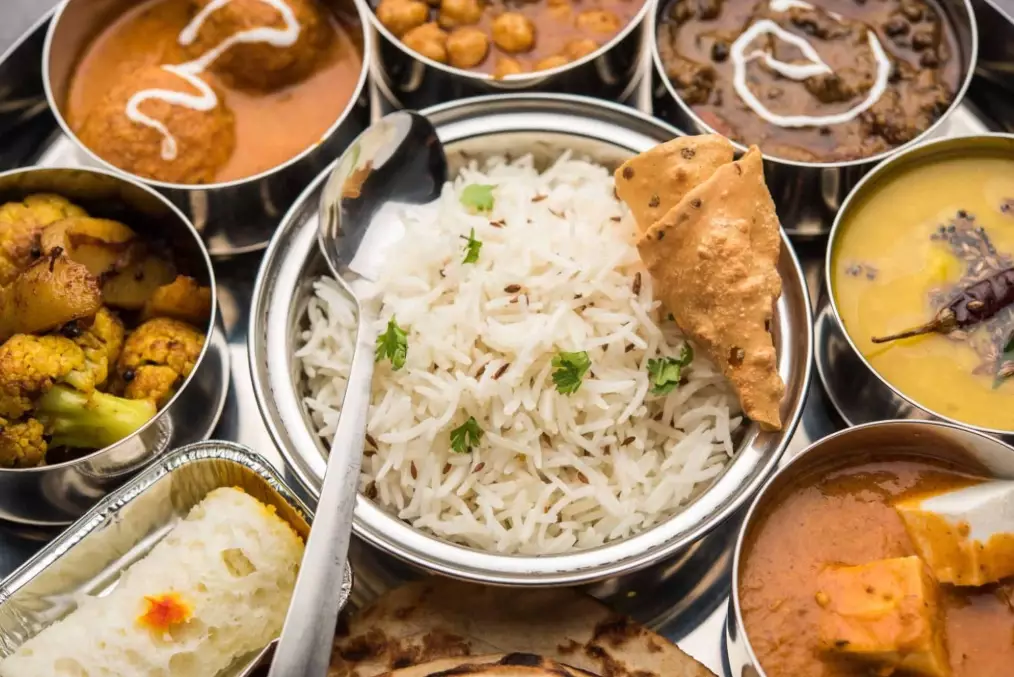
Your Quick Guide to North Indian Cuisine
What Are the Core Characteristics of North Indian Food?
Think of these as the foundational pillars. Without them, it wouldn't be North Indian.
The Dairy Dynasty. Milk, cream, yogurt (dahi), paneer (fresh cheese), and ghee (clarified butter) aren't just ingredients; they're the soul of the cuisine. They provide richness, balance heat, and create those luxurious, creamy gravies. A common mistake is thinking all North Indian curries are tomato-based. Many, like the classic kadhai paneer or malai kofta, derive their body and flavor from dairy.
Bread Over Rice. While rice is eaten, bread is king. The variety is staggering. You have the fluffy, leavened naan cooked in a tandoor, the whole-wheat roti or chapati cooked on a flat griddle, the layered paratha (often stuffed with potatoes or cauliflower), and the deep-fried, puffy puri. Each bread serves a purpose—naan for rich curries, roti for everyday meals, puri for festive breakfasts.
The Tandoor's Magic. This cylindrical clay oven reaches extreme temperatures, imparting a unique smoky char and locking in juices. It's responsible for iconic dishes like tandoori chicken (marinated in yogurt and spices), seekh kebabs (spiced minced meat skewers), and of course, naan. The tandoor's influence is so profound it defines an entire sub-category of North Indian cooking.
Spice Blends, Not Just Heat. Yes, spices are central, but it's about layered complexity, not just scoville units. Ground spices like coriander, cumin, and turmeric form the base. Garam masala (a warm blend of cinnamon, cardamom, cloves, etc.) is often added at the end. The "heat" typically comes from green chilies or dried red chilies, and its level is highly adjustable. A well-made curry should let you taste the individual spices, not just feel a burn.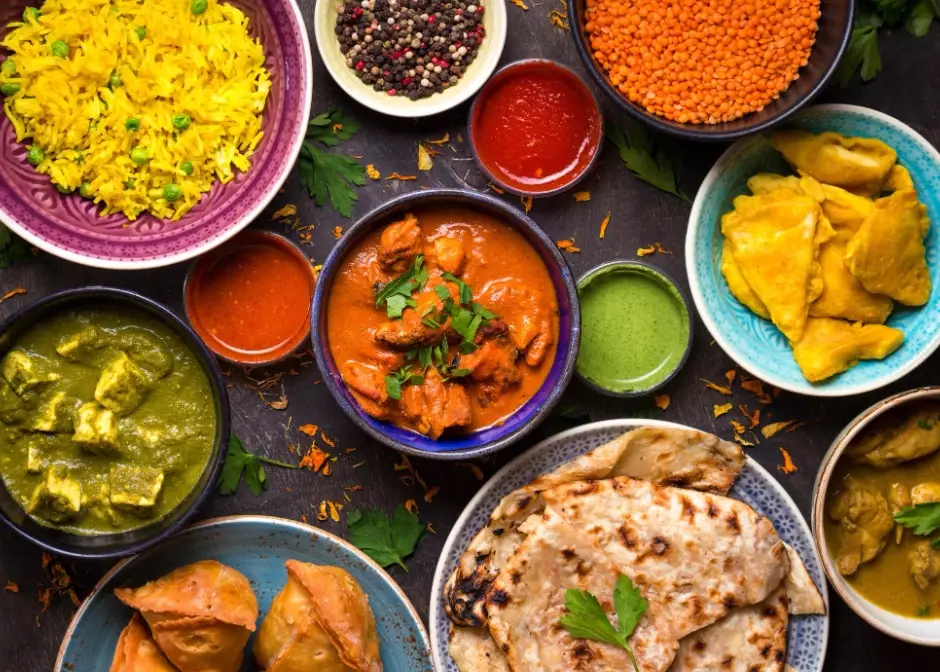
One subtle error I see even in good restaurants is overusing dried fenugreek leaves (kasuri methi). It has a bitter, celery-like punch that can dominate a dish if not used sparingly. A pinch crumbled in at the end is perfect; a tablespoon makes everything taste the same.
A Regional Breakdown: It's Not All the Same
Lumping all North Indian food together is a disservice. The climate and culture change dramatically across the north, and so does the food.
| Region | Key Characteristics & Staples | Signature Dish Example |
|---|---|---|
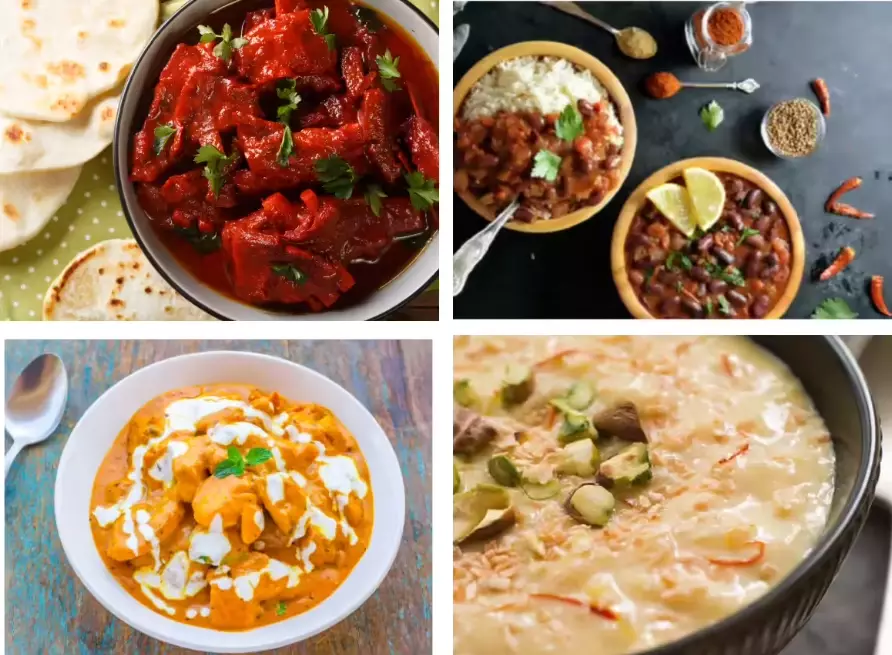
| Punjab | The "breadbasket." Hearty, robust, dairy-rich food. Famous for tandoori items, sarson ka saag (mustard greens) with makki di roti (cornbread), and rich lentil stews (dal makhani). | Butter Chicken (Murgh Makhani), Amritsari Fish Fry |
| Kashmir | Mountain cuisine. Uses minimal dairy, more mustard oil. Known for delicate flavors with saffron, fennel, and dried ginger. Meat-heavy (often lamb), with iconic slow-cooked curries. | Rogan Josh (lamb curry), Gushtaba (spiced meatballs in yogurt gravy) |
| Uttar Pradesh & Delhi | The Mughlai influence is strongest here. Rich, aromatic, nut-and-cream-based gravies. Birthplace of biryani, kebabs, and slow-cooked meats like nihari. | Galouti Kebab (melt-in-mouth patties), Lucknowi Biryani |
| Rajasthan | Arid region cuisine. Relies on preserved ingredients (dried lentils, berries), gram flour, and buttermilk. Less fresh vegetables, more hunting game (historically). Often quite spicy. | Laal Maas (fiery red mutton curry), Dal Baati Churma (lentils with hard wheat rolls) |
I remember my first time trying authentic Kashmiri Rogan Josh in a small family-run place in Srinagar. It was nothing like the red, tomato-heavy version I'd had elsewhere. The color came from Kashmiri chilies (which are more about color than heat), the fragrance of fennel and ginger was profound, and the meat was fall-apart tender. It was a lesson in regional specificity.
Must-Try Dishes: The North Indian Hall of Fame
Beyond the ubiquitous butter chicken, here are dishes that showcase the cuisine's depth.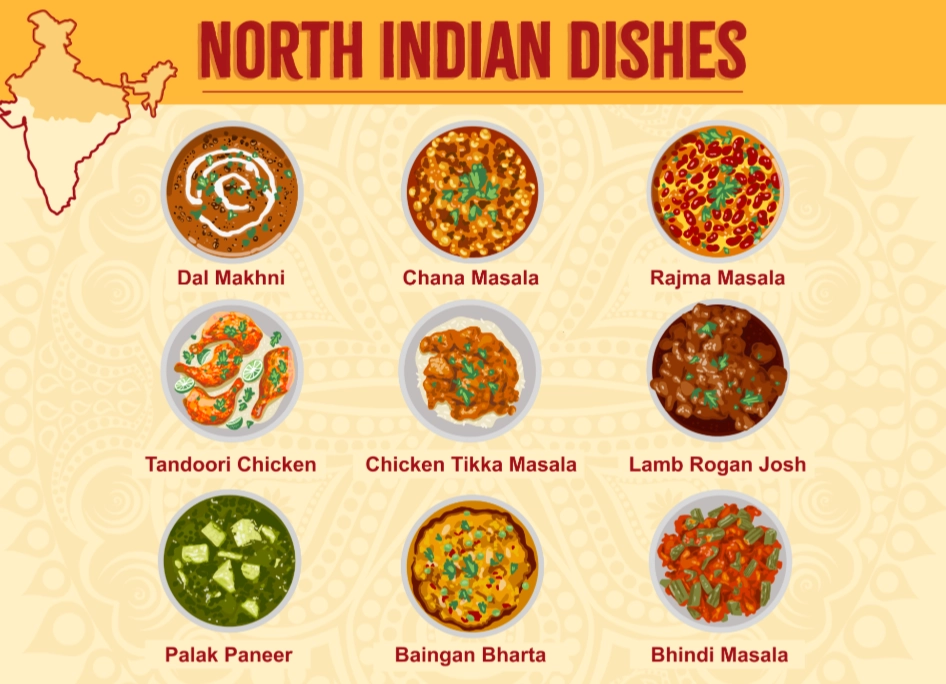
Vegetarian Stars
Chole Bhature: Spicy chickpea curry paired with giant, deep-fried, fluffy bread (bhatura). A Delhi street food classic and a heavy, glorious breakfast.
Palak Paneer: Fresh spinach puree with cubes of paneer. It's vibrant green, creamy, and healthy-tasting (despite the cream).
Rajma Chawal: Red kidney beans in a thick, spiced gravy, served with steamed rice. The ultimate Punjabi comfort food, like a hug in a bowl.
Non-Vegetarian Essentials
Butter Chicken (Murgh Makhani): Yes, it's famous for a reason. Tandoori chicken pieces in a silky, mildly sweet, and tangy tomato-cream gravy. The benchmark for a good North Indian restaurant.
Raan: A whole leg of lamb or goat, marinated for hours and slow-roasted until the meat is incredibly tender and flavorful. Festive and impressive.
Fish Amritsari: Bite-sized pieces of fish (often sole or cod) marinated in gram flour and spices, deep-fried. Crispy on the outside, moist inside, with a distinct carom seed (ajwain) flavor.
How to Experience Authentic North Indian Food?
You can read about it, but you need to taste it. Here’s how to navigate, whether you're dining out or trying to cook.
If You're in Delhi: Two Iconic Stops
Signature: Dal Bukhara (black lentils cooked overnight), Sikandari Raan, their legendary naan.
Vibe/Price: High-end, rustic-chic. Expect to spend $80+ per person. Book weeks in advance.
My take: It's an institution for a reason. The dal is life-changing. But it's a splurge—you're paying for the legend as much as the food.
Signature: Mutton Burra (tandoori chops), Badami Pasanda (meat in almond gravy), roomali roti.
Vibe/Price: No-frills, historic, chaotic. $10-15 per person. Go for lunch, expect crowds.
My take: This is history on a plate. The flavors are robust, direct, and less polished than a fine-dining spot. The location in the old city alley is part of the experience. Don't expect fancy service.
Ordering Strategy at a Restaurant: Don't just order all cream-based dishes. Create a balance. Pair a rich curry (like butter chicken or malai kofta) with a drier, spiced dish (like a bhuna gosht or tandoori items). Always order a dal (lentils). Include bread and/or rice. Finish with a plain yogurt (raita) to cool the palate.
Cooking at Home: Start with a simple dal tadka or paneer butter masala. Invest in whole spices and grind them yourself for a fresher taste. The key technique is "bhuno"—cooking the spice paste in oil until it releases its oils and deepens in color. Rushing this step leads to a raw, gritty taste. A great resource for authentic recipes is the website of chef and author VahChef, who breaks down regional techniques.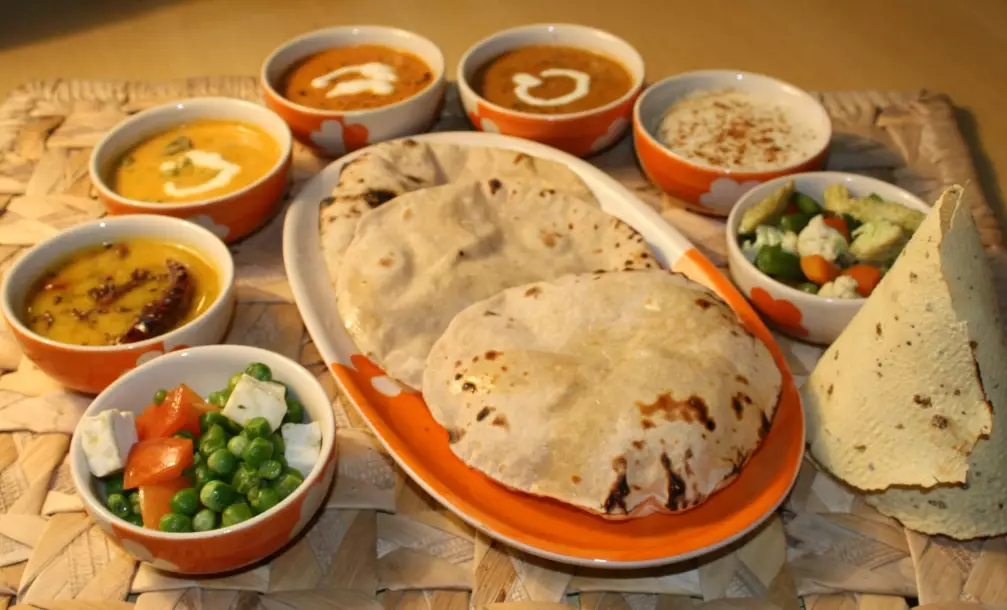
Your North Indian Food Questions, Answered
 How is North Indian food different from South Indian food?
So, what is considered North Indian food? It's not a single entity. It's the warmth of a tandoor, the comfort of dal and roti, the regality of a Mughlai feast, and the earthiness of a Punjabi saag. It's a cuisine of generosity and bold flavors, where bread is ripped by hand to scoop up richly spiced gravies. To know it, you must taste its regional voices—from the smoky kebabs of Delhi to the saffron-infused wazwan of Kashmir. Start with the classics, but don't stop there. The real journey begins when you move beyond the butter chicken.
Discussion