You see them on every Indian restaurant menu: Butter Chicken, Tikka Masala, Vindaloo. The names are familiar, but what do they actually mean? What's hiding behind that creamy gravy or that fiery red sauce? A simple list of Indian chicken dish names isn't enough. You need the story behind them—the flavors, the regions they come from, and crucially, how to pick the right one for your taste buds, whether you're at a fancy restaurant or trying to cook at home.
I remember my first time ordering "Chicken Chettinad" based on a friend's recommendation. I expected a standard curry. What arrived was a fragrant, black-pepper laden masterpiece that made my nose run in the best way possible. It was nothing like the Butter Chicken I knew. That's when I realized these names are passports to different parts of India.
What You'll Find in This Guide
The Essential Chicken Dish List: Decoding the Classics
Let's move beyond just names. Here’s what you're really getting when you order these iconic dishes.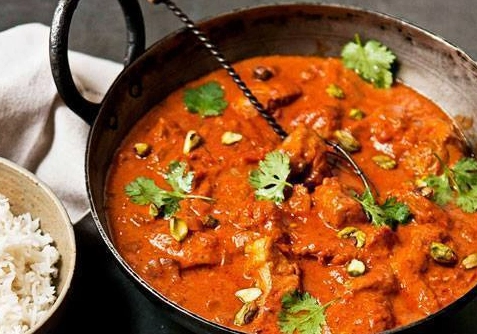
Butter Chicken (Murgh Makhani)
The gateway dish. Tender tandoori chicken pieces swimming in a silky, mildly spiced sauce of tomatoes, cream, butter, and cashews. It's rich, comforting, and universally loved. A common myth is that it's overly sweet; a well-made version balances tangy tomato with aromatic spices like kasuri methi (dried fenugreek leaves). If your Butter Chicken tastes like ketchup with cream, you're at the wrong place.
Chicken Tikka Masala
Britain's beloved national dish (with Indian roots). Similar to Butter Chicken in its creamy tomato base, but often tangier, with a more pronounced spice blend. The chicken is always the "tikka"—marinated in yogurt and spices, then charred in a tandoor or pan before joining the gravy. The sauce clings to the nooks and crannies of the chicken beautifully.
Chicken Curry (The Basic, The Brilliant)
A deceptively simple name. In India, "curry" just means a spiced gravy. A North Indian-style chicken curry is a onion-tomato-ginger-garlic base, flavored with coriander, cumin, turmeric, and garam masala. It's the home-style staple, less rich than restaurant classics but deeply flavorful. South Indian versions might use coconut and more curry leaves.
Chicken Vindaloo
Proceed with caution. Hailing from Goa, influenced by Portuguese cuisine ("vin" for wine/vinegar, "alho" for garlic). It's a fiery, tangy, garlic-heavy curry with a base of dried red chilies and vinegar. Authentic Vindaloo doesn't have potatoes (that's a British-Indian adaptation). It's for those who equate flavor with a serious, sweat-inducing heat.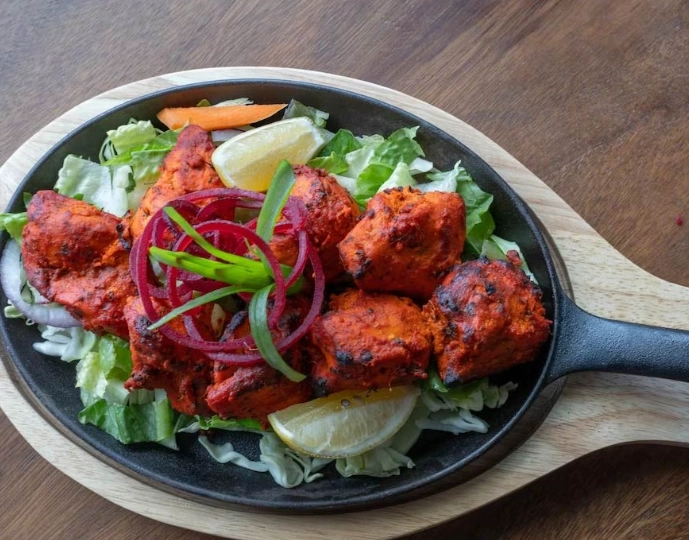
Regional Stars You Must Know
Chicken Chettinad: From Tamil Nadu. A dry-ish, fiercely aromatic curry with a base of freshly ground black pepper, fennel, coconut, and poppy seeds. It's less about creamy heat and more about complex, warming spice layers.
Chicken Korma: Often misunderstood as "mild." A Mughlai dish where chicken is braised in a velvety sauce of yogurt, cream, nuts (almonds, cashews), and subtle spices like cardamom and saffron. It's fragrant, slightly sweet, and luxurious. A bad korma can be cloyingly sweet; a good one is perfectly balanced.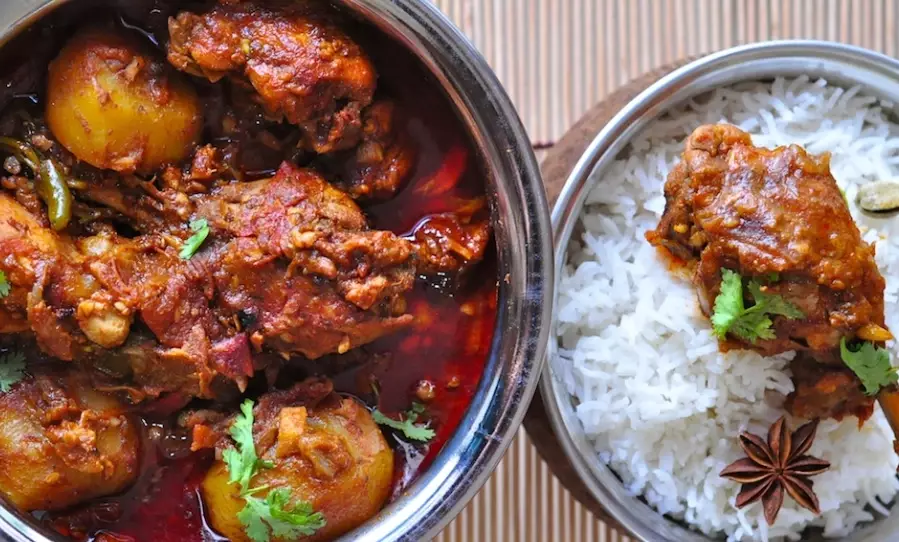
Chicken Xacuti (or Shagoti): A Goan-Portuguese fusion. The sauce is a thick, dark, complex paste of roasted coconut and a dozen different spices including poppy seeds and stone flower (dagad phool). It has a unique, earthy flavor you won't find elsewhere.
Where to Try Authentic Versions (Beyond Your Local Takeout)
Reading about dishes is one thing. Tasting them in their element is another. If you ever travel to India, or find a highly specialized restaurant, here are some iconic spots. This isn't just a list—it's a cheat sheet for an unforgettable culinary tour.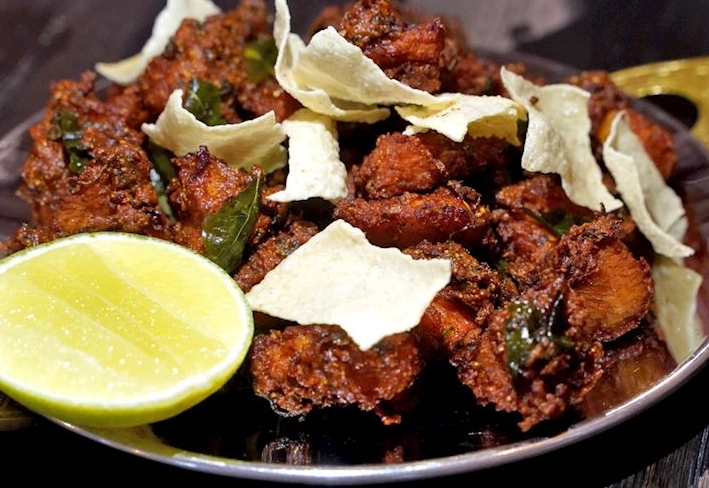
| Restaurant Name | City / Location | Signature Chicken Dish to Try | Price Range & Notes |
|---|---|---|---|
| Moti Mahal Delux | Delhi (multiple outlets) | Butter Chicken – They often claim to have invented it. Their version is less sweet, more smoky from the tandoor. | $$ | Bustling, historic feel. Go to the Daryaganj original if you can. |
| Karaikudi | Chennai, Tamil Nadu | Chettinad Chicken – The real deal. Pepper-forward, aromatic, and served in a no-frills, authentic setting. | $ | Expect robust flavors and a no-nonsense dining experience. |
| Bastian | Mumbai, Bandra | Spicy Chicken Tikka Masala – A modern, upscale take. Creamy but with a serious kick, popular with the city's trendy crowd. | $$$ | Reservations essential. Portions are huge, meant for sharing. |
| O'Coqueiro | Goa (near Panaji) | Chicken Cafreal & Vindaloo – A Goan institution. Cafreal is a vibrant green, cilantro-mint based curry that's a must-try alongside the classic Vindaloo. | $$ | Lively atmosphere, perfect after a beach day. |
| Dum Pukht | Delhi (ITC Maurya) | Dum Ki Raan or Murgh Kofta – For a royal experience. They specialize in 'dum' cooking (slow-cooked in sealed pots). Their chicken dishes are subtle, refined, and expensive. | $$$$ | Fine dining. Book well in advance. |
Can't travel? Your best bet is to find a restaurant with a regional focus. A "South Indian" or "Goan" restaurant will almost always do a better job with Chettinad or Vindaloo than a generic "Indian" place trying to cater to all tastes.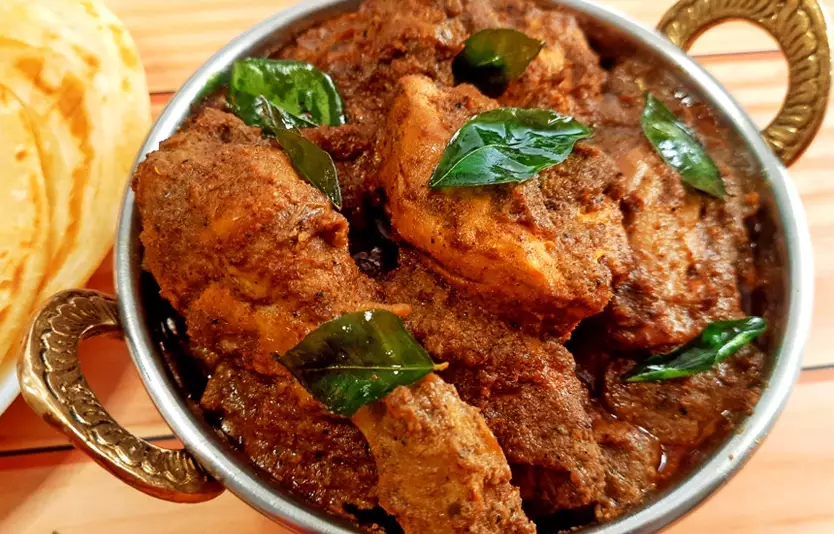
Bringing the Flavors Home: Key Cooking Tips
Want to move from ordering to cooking? Here’s the insider advice most recipe blogs gloss over.
Marination is Non-Negotiable, But It's Not Just About Time. Yes, marinate your chicken in yogurt, ginger-garlic paste, and spices for at least 2 hours. But the real trick is using full-fat yogurt. The fat coats the protein, leading to a more tender result after cooking. Low-fat yogurt can sometimes make the chicken slightly rubbery.
The "Bhunao" or "Frying the Masala" Step. This is where home cooks fail. After you make your onion-tomato-spice paste, you need to cook it in oil or ghee on medium heat, stirring often, until it darkens slightly and the oil separates from the paste. This can take 10-15 minutes. It deepens the flavor immensely, removing any raw taste. If you skip this, your curry will taste bland and one-dimensional, no matter how many spices you added.
Spice Sequencing Matters. Whole spices (cumin seeds, cardamom, cinnamon) go into hot oil first to infuse it. Then your ground spices (coriander, turmeric) go in for a quick fry before adding wet ingredients. Delicate spices like garam masala and kasuri methi are added at the very end, off the heat, to preserve their aroma. Adding garam masala at the start kills its fragrance.
My personal hack? A tiny pinch of sugar (just a quarter teaspoon) added to the tomato paste while it cooks. It doesn't make it sweet; it caramelizes and rounds out the acidity of the tomatoes, giving a more balanced, restaurant-style base for dishes like Butter Chicken or Tikka Masala.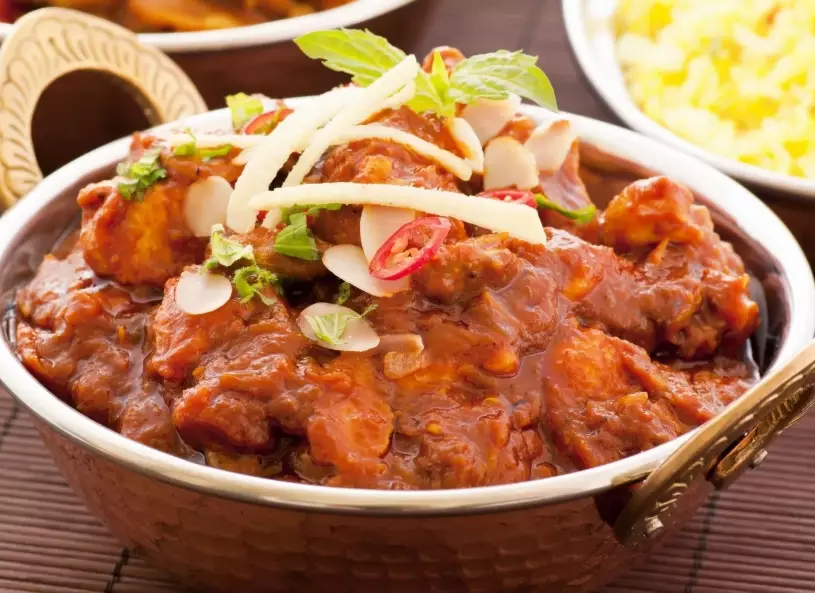
Discussion