Quick Guide
Let's be honest. When you hear "curry," you probably picture a generic, yellowish, creamy sauce. I did too, for the longest time. My first attempts at making Indian food involved a jar of pre-mixed powder and a can of coconut milk. It was... fine. Edible. But it had nothing to do with the vibrant, layered, and shockingly diverse world of authentic South Indian curry recipes.
Then I spent some time with a friend's family from Chennai. The aromas that came from their kitchen were a revelation—earthy, sharp, fragrant, and completely different from any "curry" I'd ever tasted. There was no single "curry" flavor. There were dozens. That experience sent me down a rabbit hole, and honestly, it's a journey I'm still on. This guide is my attempt to map out what I've learned, so you can skip the jarred powder and get straight to the good stuff.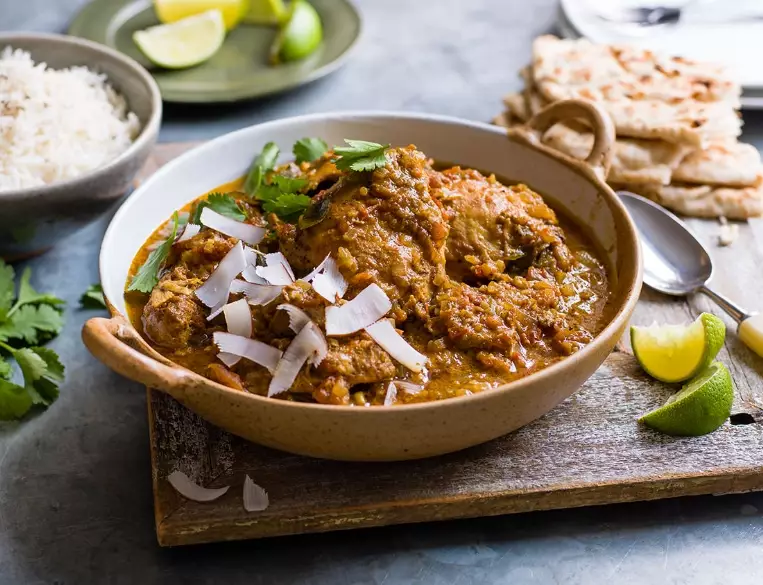
South Indian cuisine isn't a monolith. It's a tapestry woven from the states of Tamil Nadu, Kerala, Karnataka, Andhra Pradesh, and Telangana. Each region brings its own geography, history, and palate to the table. A curry from the coastal backwaters of Kerala, bursting with coconut and seafood, shares little more than a name with a fiery, tamarind-laced curry from inland Andhra. That's the first key: South Indian curry recipes are a category, not a single dish.
The Soul of the Dish: Non-Negotiable Spices & Ingredients
You can't build a house without bricks, and you can't build authentic South Indian curry recipes without their foundational elements. This isn't about having a cabinet full of a hundred spices. It's about really understanding a core few.
The Aromatic Starters: Tempering (Tadka/Thalippu)
This is the magic first step for a majority of South Indian dishes. You heat oil or ghee and fry whole spices to release their essential oils into the fat. This flavored oil is then poured over a dish or used to start the cooking. It's the flavor bomb that defines the curry's base character.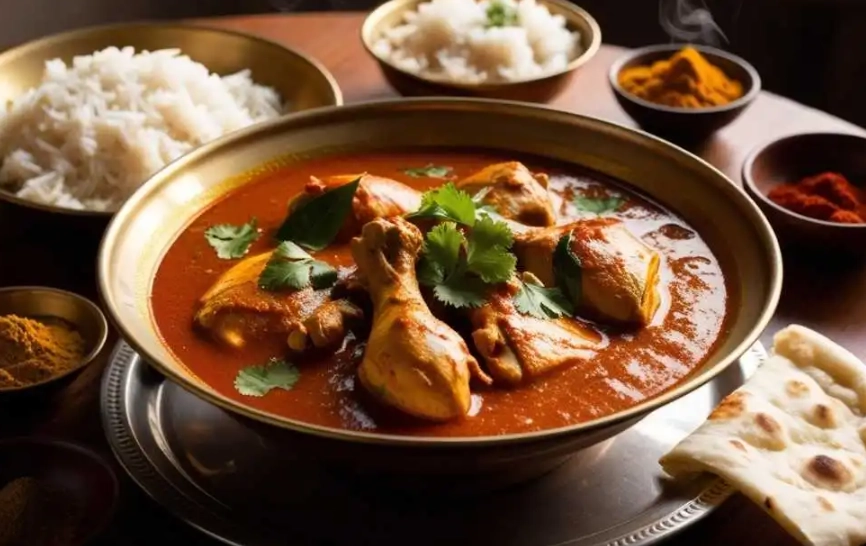
Must-haves for your tempering kit:
- Mustard Seeds: Tiny black or brown seeds that pop and crackle when hot. They add a pungent, nutty aroma. Don't substitute yellow mustard seeds; the flavor is different.
- Cumin Seeds: Earthy and warm. Often paired with mustard seeds.
- Curry Leaves: THIS IS THE SECRET WEAPON. Fresh curry leaves (not "curry powder") have a unique, citrusy, slightly bitter fragrance that is unmistakably South Indian. Dried ones are a pale shadow. If you have an Indian grocer nearby, buy fresh and freeze them. It's a game-changer.
- Dried Red Chilies: Used whole for a deep, smoky heat rather than just burning spice. The variety matters—Guntur chilies from Andhra are famously hot, while Byadgi chilies add more color.
- Asafoetida (Hing): A pungent resin sold as a powder. A tiny pinch, fried in the hot oil, adds a savory, almost garlic-onion flavor that's crucial for many vegetarian South Indian curry recipes. It's also great for digestion.
The Grind-it-Yourself Crew: Spice Pastes & Powders
While North Indian curries often use dry, powdered spice mixes (garam masala), South Indian curries frequently rely on wet pastes or freshly roasted and ground spices. The freshness is incomparable.
The big three for pastes:
- Coconut: Freshly grated coconut, ground with water, cumin, and green chilies, forms the creamy, sweet base for many Kerala and coastal Karnataka curries. The canned coconut milk you use for Thai curry works in a pinch, but the texture and sweetness of fresh is another level.
- Onion-Tomato-Ginger-Garlic: This quartet, finely minced or pureed, is the workhorse base for richer, gravy-based dishes like Chettinad curries. You fry this down until the oil separates—that's the sign it's cooked through and the raw taste is gone.
- Roasted Spice Mixes: Coriander seeds, cumin seeds, black peppercorns, fenugreek seeds, and dried chilies are dry-roasted until fragrant and then ground. This homemade "curry powder" is worlds away from store-bought. The Spices Board of India has great resources on the properties of individual spices, which helps you understand why these combinations work.
A Tour of the South: Regional Curry Stars
Okay, let's get specific. Here’s where you see the theory in practice. These are some of the hallmarks, the dishes that define their regions.
| Region | Signature Curry Style | Key Characteristics | A Classic Dish to Try First |
|---|---|---|---|
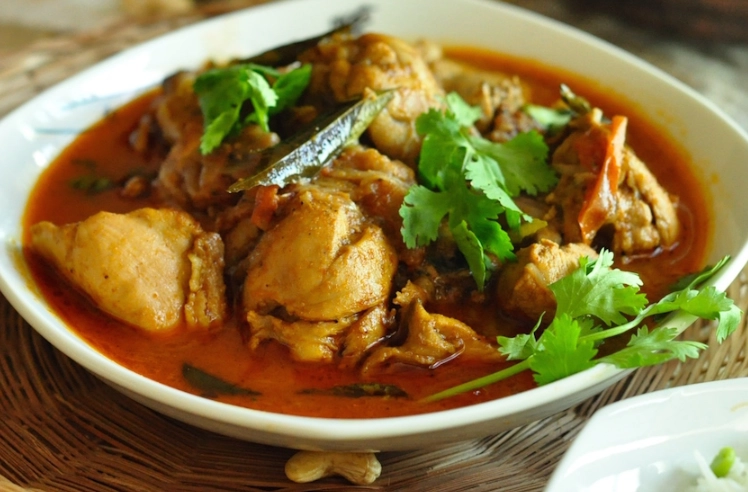
| Tamil Nadu | Kuzhambu & Chettinad | Tangy (from tamarind), heavily spiced with pepper, roasted spices. Often uses a base of ground coconut or lentils. | Chettinad Chicken Curry: A fiery, aromatic, thick gravy with a masala of fennel, star anise, and lots of black pepper. |
| Kerala | Coconut-based & Ishtu | Creamy, mild, sweet from fresh coconut. Frequent use of black mustard seeds and curry leaves. "Ishtu" is a mild, coconut-milk stew influenced by the British "stew." | Kerala Fish Curry (Meen Curry): Tangy, spicy, and coconut-based, often cooked in an earthen pot. The official tourism site for Kerala often highlights this as a culinary icon. |
| Andhra Pradesh & Telangana | Pulusu & Koora | Extremely spicy and sour. "Pulusu" is a tangy, tamarind-based stew. "Koora" refers to drier vegetable preparations. Heavy use of red chilies and tamarind. | Andhra Gongura Mamsam (Lamb with Sorrel Leaves): A stunningly sour and hot curry made with a unique leafy green called gongura (sorrel). |
| Karnataka | Huli, Saaru & Kodava | Diverse. "Huli" is similar to sambar. "Saaru" is a peppery, watery rasam. Coastal areas use coconut, Kodagu (Coorg) region uses vinegar and kachampuli (a souring fruit). | Bisi Bele Bath: Technically a rice dish, but it's essentially a spicy, ghee-laden lentil and vegetable curry cooked with rice. Comfort food at its finest. |
See what I mean? Calling all of these just "South Indian curry recipes" feels almost disrespectful now, right?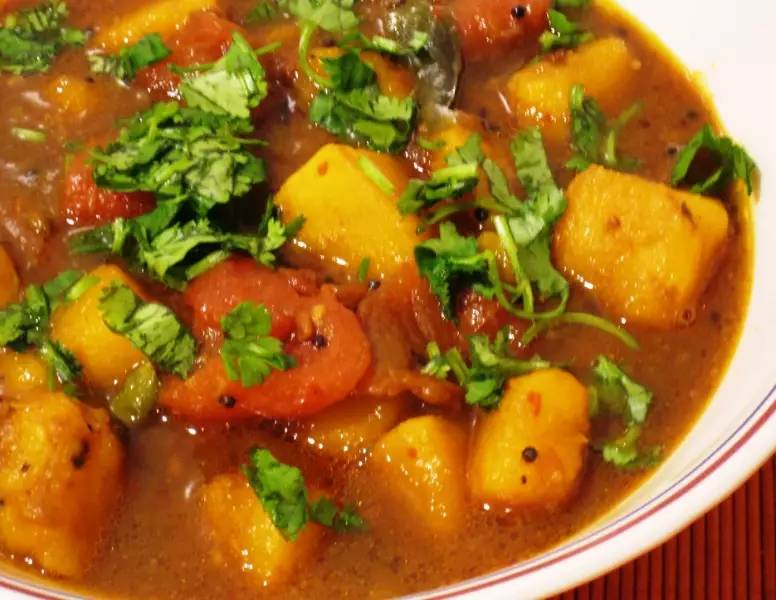
Let's Get Cooking: Two Can't-Go-Wrong Recipes
Enough talk. Let's make something. I'll give you two paths: one vegetarian staple that's easier than you think, and one iconic non-veg dish that's worth the effort.
Recipe 1: The Everyday Hero - Tomato Onion Kuzhambu
This is a Tamil Nadu classic. It's tangy, savory, and perfect with a mound of steamed rice. It's also incredibly forgiving.
What you'll need:
- 2 tbsp oil (sesame oil is traditional, but any works)
- 1 tsp mustard seeds
- 1 tsp cumin seeds
- 10-12 fresh curry leaves
- 2 dried red chilies
- A big pinch of asafoetida
- 1 large onion, finely chopped
- 2 large tomatoes, chopped
- 1 tbsp tamarind paste (or a lemon-sized ball of pulp soaked in water)
- 2 tsp sambar powder (a South Indian spice mix you can buy or make)
- 1/2 tsp turmeric
- Salt to taste
The method:
- Heat the oil. Do the tempering: add mustard seeds, let them pop. Add cumin, let them sizzle. Toss in the broken red chilies, curry leaves, and asafoetida. Swirl for 5 seconds until fragrant.
- Add the onions. Cook on medium until soft and golden. This takes time—don't rush it.
- Add the tomatoes, turmeric, and salt. Cook until the tomatoes break down and the whole mixture looks mushy and the oil starts to glisten at the edges.
- Add the sambar powder and stir for a minute to cook the spice.
- Add about 2 cups of water and the tamarind paste. Bring to a boil, then simmer for 15-20 minutes. The gravy will thicken slightly.
That's it. The flavor is complex, but the process is straightforward. You've just made a real, from-scratch South Indian curry.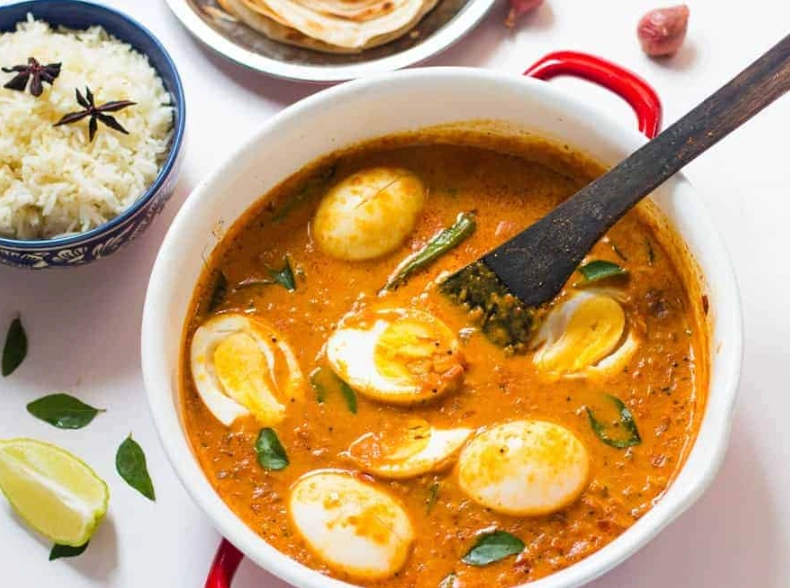
Recipe 2: The Showstopper - Kerala-style Prawn Curry (Konju Curry)
This one showcases the beautiful coconut-coastal fusion. The key is the fresh coconut paste.
The core technique: You'll make a paste of fresh coconut, cumin, turmeric, and chilies. You'll do a tempering of mustard seeds and fenugreek seeds (adds a slight bitterness that balances the sweet coconut). You add this paste to the tempering, cook it out, then add the prawns. The prawns cook quickly in the fragrant, creamy gravy.
The result is a symphony of sweet coconut, sharp mustard, earthy fenugreek, and the briny sweetness of prawns. It's unlike any other prawn curry you've had.
Navigating Common Hurdles & Questions
Two likely culprits: 1) You burned your spices during tempering. Oil was too hot. 2) You didn't cook your onion-tomato base long enough. The raw taste of onions or tomatoes can read as bitter. Cook until the oil separates from the mixture.
Salt. I know it sounds simple, but salt is the amplifier of all flavors. Undersalting is the number one reason home-cooked curries taste flat. Season in stages. Also, ensure your spice powders (like coriander or chili powder) are fresh. Stale spices have no potency.
They are often BETTER the next day! The flavors meld and deepen. Most South Indian curry recipes reheat beautifully. In fact, many traditional meals rely on making a large pot of sambar or kuzhambu to last a couple of days.
South Indian food is a paradise for dietary restrictions. A huge portion of the cuisine is traditionally vegetarian and vegan (using coconut milk or water as the base, not cream or yogurt). Ghee is used but can be swapped for oil. Thickeners are usually lentils, rice flour, or coconut—not wheat flour. Asafoetida sometimes contains wheat as an anti-caking agent, so if you have celiac disease, look for certified gluten-free brands or omit it.
The Final, Non-Negotiable Step: How to Eat It
You can't just plop this curry in a bowl and eat it with a fork. The experience is part of the recipe.
The Vessel: A deep plate or a wide, rimmed bowl called a "thali."
The Base: A large mound of plain, steamed white rice (like sona masoori or basmati). The rice is the neutral canvas.
The Pour: Ladle the hot curry directly over the center of the rice.
The Mix: Use your fingers (right hand only, traditionally) or a spoon to mix the curry thoroughly into the rice, ensuring every grain is coated. The act of mixing is essential—it brings the rice to the right temperature and texture.
The Accompaniments: A spoonful of ghee drizzled over the top is divine. Have some crispy papadum or a simple cucumber raita on the side to cool the palate if the curry is spicy.
So, there you have it. It's not about one magic recipe. It's about a mindset. It's about respecting the ingredients—the crackle of mustard seeds, the citrus punch of a fresh curry leaf, the slow-cooked sweetness of onions, the tang of tamarind.
Start with one recipe. Master the tempering. Don't panic if it's not perfect. My first sambar was so watery it was basically spiced lentil tea. But you learn. You adjust. And eventually, the aromas coming from your kitchen will tell you you're on the right path. You're not just making curry anymore. You're making a Chettinad chicken, a Kerala meen curry, a Tamil kuzhambu. And that makes all the difference.
Discussion