You're staring at a restaurant menu, or maybe scrolling through a recipe blog. You see "Chicken Masala" and right next to it, "Chicken Tikka Masala." The prices are different. They sound almost identical. Your brain freezes for a second—are they the same thing with a fancy extra word, or completely different dishes?
Let's clear this up right at the start: No, they are not the same. Calling them the same is like calling a burger and a cheeseburger identical. One is a foundational concept; the other is a specific, globally famous preparation that builds upon it.
This mix-up happens all the time. I've seen it cause mild panic at dinner tables and lead to disappointing home-cooked meals. You think you're getting one thing, but the plate that arrives is something else entirely. Understanding the difference isn't just culinary trivia—it's the key to ordering what you actually crave and cooking it properly at home.
What You'll Find in This Guide
The Core Difference in 60 Seconds
Think of it as a two-step process versus a one-step process.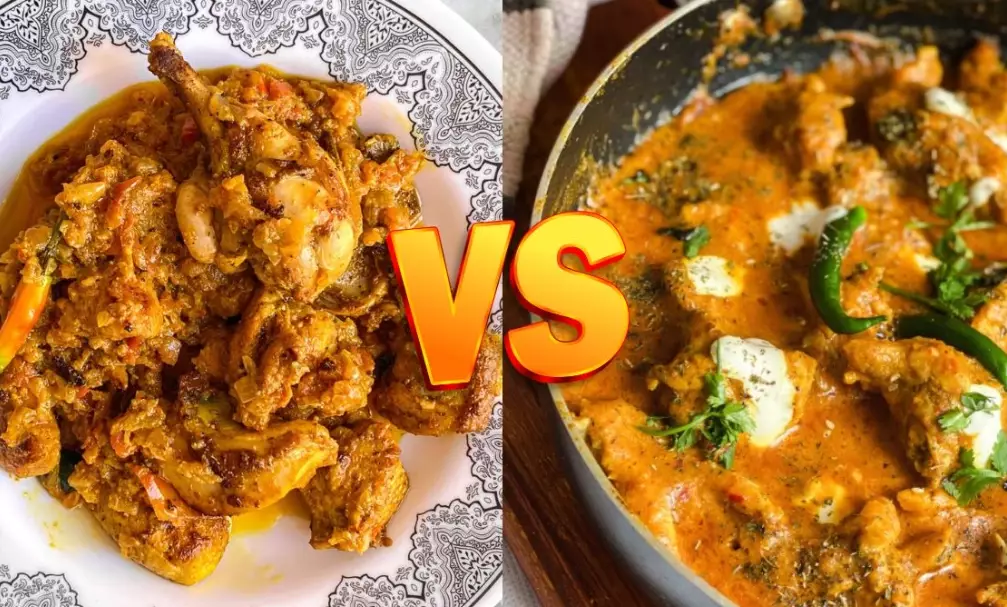
Chicken Masala is a broader term. "Masala" just means a mix of spices. So, chicken masala essentially means chicken cooked in a spiced gravy. The chicken is usually raw when it goes into the pot, simmering and absorbing the flavors of the sauce as it cooks. The gravy base can vary—onion-tomato, coconut-based, yogurt-based, you name it. It's the generic "spiced chicken curry."
Chicken Tikka Masala is a specific dish with a very specific method. First, you make "Chicken Tikka"—cubes of boneless chicken marinated in yogurt and spices (like garam masala, turmeric, ginger, garlic), then cooked in a tandoor (clay oven) or under a broiler/grill until slightly charred. Then, you take that smoky, cooked chicken tikka and add it to a rich, creamy, slightly sweet, and tangy tomato-based sauce (the "masala").
The tl;dr: All Chicken Tikka Masala is a type of chicken masala, but not all chicken masala is Chicken Tikka Masala. The "tikka" (marinated & grilled) part is the non-negotiable, game-changing difference.
Chicken Masala Deconstructed: The Versatile Workhorse
When an Indian home cook says they're making "chicken masala" for dinner, they're talking about a dependable, customizable dish. It's a weeknight hero. The formula is flexible, which is its strength and the source of confusion.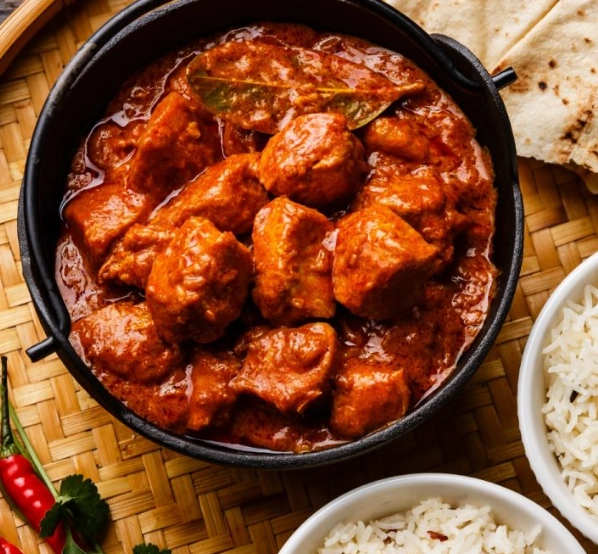
The process is straightforward. You sauté onions, ginger, garlic. Add tomatoes and a core blend of powdered spices—turmeric, coriander, cumin, red chili powder, maybe some garam masala. You fry this masala paste until the oil separates (a critical step for depth of flavor). Then, you add your raw chicken pieces, coat them in the spices, add water, and let it all simmer together until the chicken is tender and the gravy has thickened.
The gravy texture and color can swing widely: A drier, brownish gravy is common in North Indian homes. A richer, redder gravy with more tomatoes and cream is often what you get in restaurants labeled simply as "Chicken Masala" or "Butter Chicken" (though Butter Chicken, or Murgh Makhani, has its own even richer, smoother sauce). In the south, you might find a chicken masala with a coconut milk base.
I remember trying to replicate my friend's mom's chicken masala for years. Mine always tasted flat. The mistake? I wasn't cooking the spice paste long enough. That extra 3-4 minutes of frying until it darkens and releases oil is what transforms powdered spices from dusty to deeply aromatic.
Chicken Tikka Masala Breakdown: The Global Superstar
Now, let's talk about the dish that arguably conquered the British palate and then the world. Its origins are famously murky—many credit its invention to Bangladeshi chefs in Glasgow or London in the 1970s, possibly as an improvisation to satisfy a customer who found plain chicken tikka too dry. The BBC even has a classic recipe that reflects its British-Indian identity.
The magic here is in the layering of flavors and textures.
The Two-Part Symphony
Part 1: The Tikka. This isn't just marinated chicken. The yogurt marinade tenderizes the meat, and the high-heat cooking (traditionally in a tandoor's intense dry heat) creates those beautiful, flavorful black spots and a smoky undertone. This char is non-negotiable for authenticity. If your chicken tikka is just pale, boiled-looking cubes, you've lost half the dish's soul.
Part 2: The Masala Sauce. This sauce is distinct. It's typically smoother, creamier (with heavy cream or yogurt), and sweeter (often with a touch of sugar or honey) than a standard chicken masala gravy. It's heavy on tomato, either pureed or from paste, and has a vibrant orange-red hue. The sauce is cooked separately and is designed to coat the already-cooked tikka, not to simmer raw chicken in it.
When you bite into a piece of chicken tikka masala, you get the juicy, smoky, slightly tangy hit from the tikka, immediately followed by the rich, creamy, sweet-tangy embrace of the sauce. It's a one-two punch that regular chicken masala doesn't deliver.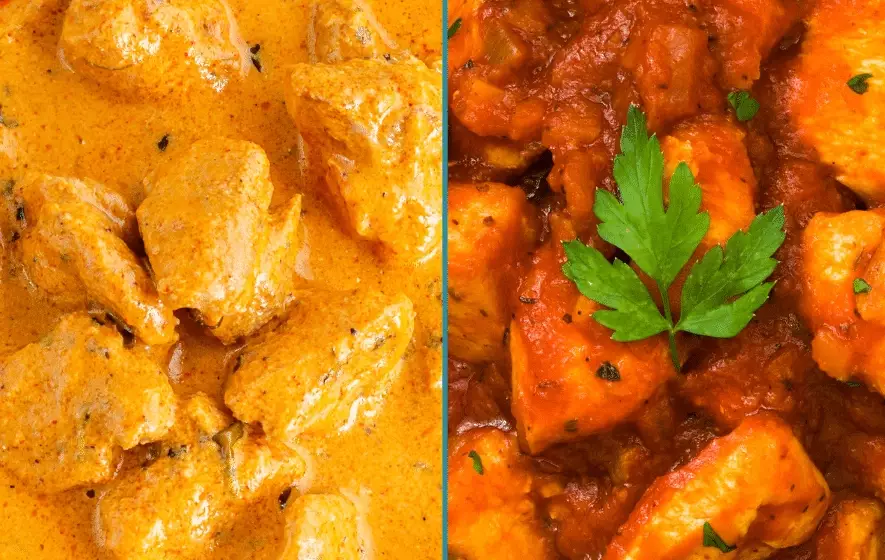
Side-by-Side: A Quick Comparison Table
| Aspect | Chicken Masala (Generic) | Chicken Tikka Masala |
|---|---|---|
| Chicken Prep | Raw, often bone-in or boneless, added directly to gravy. | Boneless, marinated in yogurt & spices, grilled/roasted first. |
| Cooking Method | One-pot simmer. | Two-step: cook chicken separately, then combine with sauce. |
| Key Flavor Note | Unified spice flavor throughout meat and gravy. | Layered: smoky/charred chicken + rich, creamy tomato sauce. |
| Gravy Texture | Can vary from dry to semi-dry to curry-like. | Almost always a creamy, smooth, pouring consistency. |
| Color | Brown, red, or yellow, depending on spices. | Iconic bright orange-red. |
| Cultural Roots | Broadly Indian subcontinent, many regional versions. | Widely considered a British-Indian creation. |
| On a Menu | Might be listed as "Chicken Curry" or "Butter Chicken" (similar style). | Almost always explicitly called "Chicken Tikka Masala." |
How to Order What You Actually Want
Let's get practical. You're at a restaurant. Here’s how to decode the menu and ask the right questions.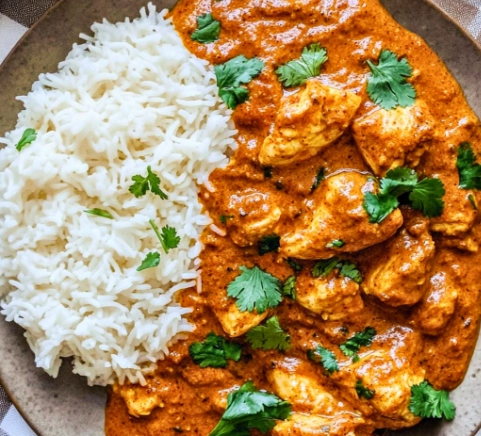
If you see "Chicken Masala" alone, ask: "Is that more like a curry with the chicken cooked in the sauce, or is it like a tikka masala style?" This simple question saves you from surprise. In many Western restaurants, "Chicken Masala" might actually be their version of a butter chicken or a creamy tomato curry. If you want the smoky grilled element, you need to confirm.
If you see "Chicken Tikka Masala," you're likely getting the classic two-step dish. But quality varies wildly. A good sign? The chicken pieces should have visible slight charring or darker edges. If they look uniformly pale and soft, it was probably boiled or poached in the sauce—a major shortcut that sacrifices flavor.
My personal rule? In a standard high-street Indian restaurant, I order the tikka masala. I'm paying for that extra step. In a more regional or specialist restaurant, I might explore their specific "Chicken Masala" which could be a family recipe with unique spices.
The Biggest Home Cooking Mistake (And How to Fix It)
So you want to make chicken tikka masala at home. You find a recipe. The most common error I see—and I've made it myself—is trying to turn it into a one-pot dish.
You marinate the chicken, then you dump it raw into the tomato sauce to simmer. What happens? The yogurt marinade splits and curdles in the acidic tomato sauce, creating a grainy texture. The chicken steams instead of sears, so you lose that crucial smoky dimension. You end up with a pinkish, creamy chicken curry that tastes fine, but it's not tikka masala.
The non-negotiable fix: Cook the marinated chicken separately. Use a screaming hot grill pan, your oven's broiler, or even a regular skillet with a little oil. Get color on it. Let it rest. Then add it to your finished, simmering sauce. Let it warm through for just a few minutes. This preserves the integrity of both components.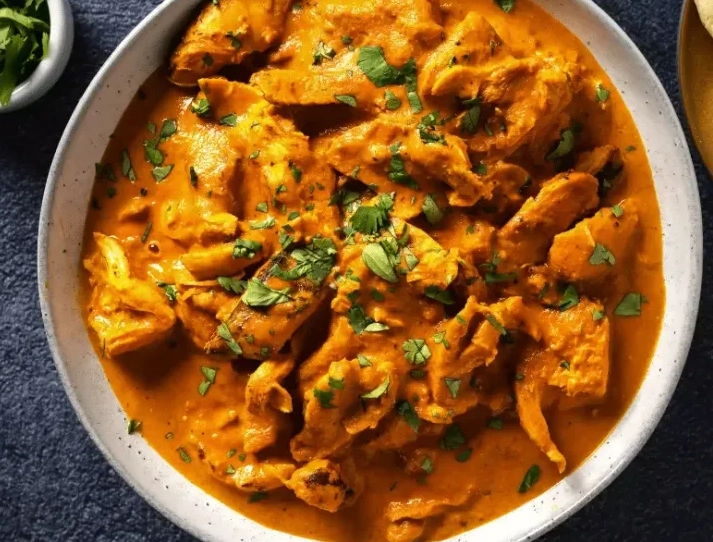
For a standard chicken masala, this isn't an issue. One-pot is the way.
Your Questions, Straight Answers
What is the main difference between chicken masala and chicken tikka masala?
The core difference is the chicken preparation. Chicken masala uses raw chicken pieces simmered directly in the spiced gravy. Chicken tikka masala uses chicken tikka—boneless chicken marinated in yogurt and spices, then roasted or grilled—which is added to a rich, creamy tomato-based sauce. This gives tikka masala a distinct smoky, charred flavor layer.
Is chicken tikka masala actually an Indian dish?
Its origins are widely debated. While its flavors are rooted in Indian cuisine (particularly Punjabi butter chicken or murgh makhani), chicken tikka masala is largely considered a British-Indian creation, popularized in the UK in the 1970s. It's a fantastic example of culinary adaptation, but purists often distinguish it from traditional regional Indian dishes. You can read more about its debated history on sources like Wikipedia.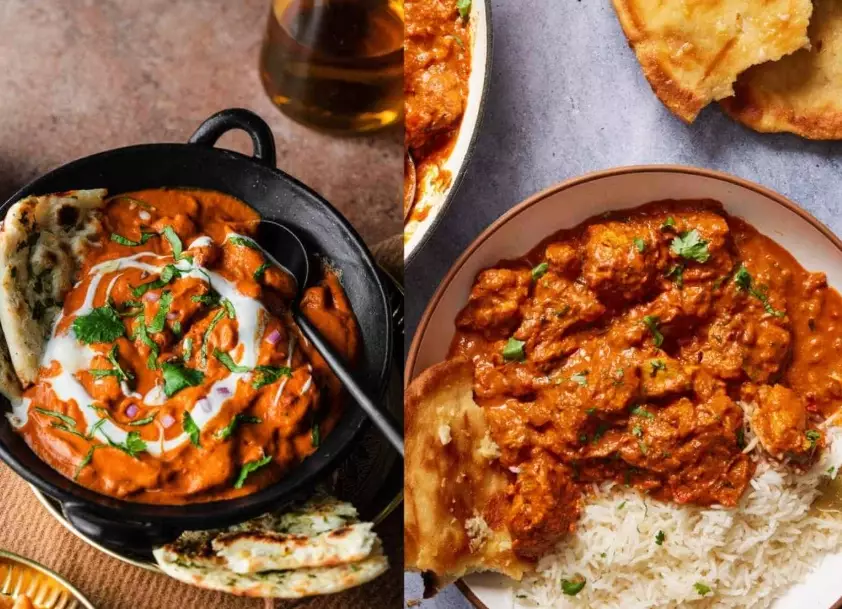
Which dish is easier to make at home: chicken masala or chicken tikka masala?
Chicken masala is generally simpler for a weeknight meal. It's a one-pot dish where you cook everything together. Chicken tikka masala requires an extra, crucial step: marinating and cooking the chicken separately before combining it with the sauce. Skipping or rushing the marination is the most common home-cook mistake that leads to dry, bland chicken.
Can I use chicken tikka masala sauce for regular chicken?
You can, but you'll miss the defining characteristic. The sauce is designed to complement the smoky, grilled flavor of the tikka. If you simmer raw chicken in a tikka masala sauce, you'll get a tasty curry, but it will be closer to a tomato-cream chicken masala. For authenticity, always grill or pan-sear marinated chicken first.
So, next time you're faced with the choice, you'll know. Craving something hearty, homestyle, and unified in flavor? Go for the Chicken Masala. Want that iconic, layered experience of smoky grilled meat in a luxuriously creamy sauce? Chicken Tikka Masala is your call. Both are delicious. They're just different paths to curry satisfaction.
Discussion