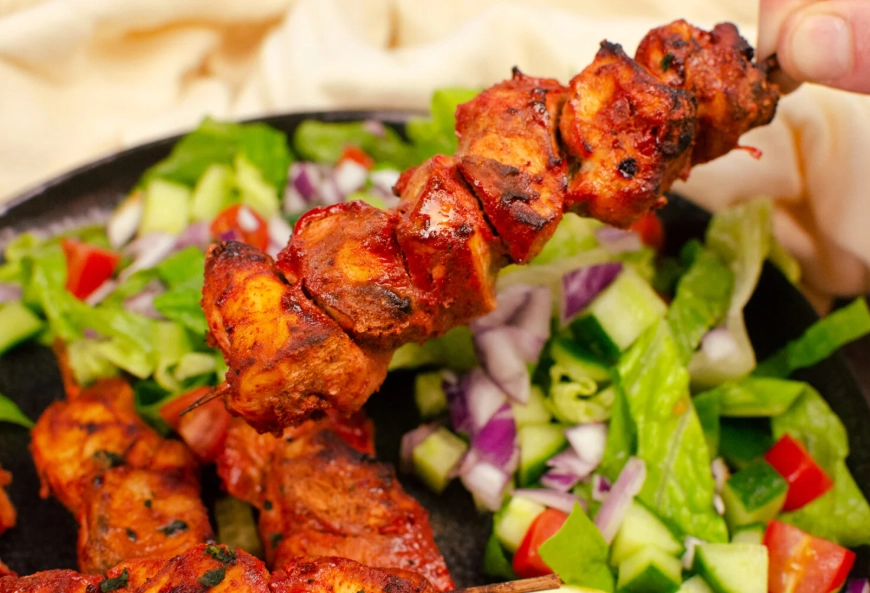
You've bitten into a perfectly grilled Indian chicken kebab. The exterior is lightly charred, the inside impossibly juicy, and the flavor is a complex punch that's smoky, earthy, tangy, and warm all at once. That magic doesn't come from a single ingredient. It's the result of a carefully orchestrated symphony of spices. If you've ever wondered what exactly goes into that unforgettable taste, you're asking the right question. This isn't just a list; it's a deep dive into the essential spices for Indian chicken kebabs, how they work together, and the common mistakes that keep home cooks from achieving that authentic depth.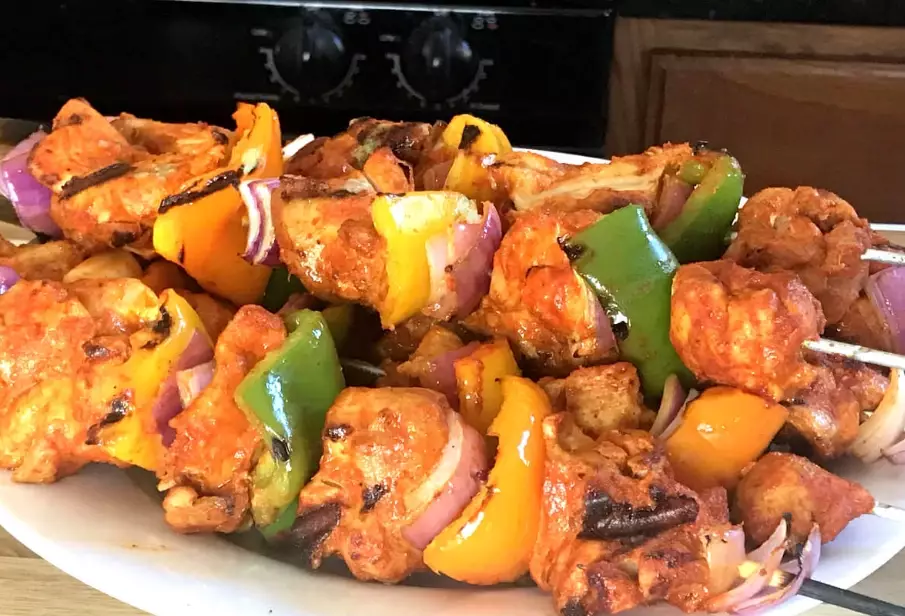
I learned this the hard way. My first attempt at chicken kebabs years ago was a bland, dry disaster. I used store-bought "curry powder" and wondered why it tasted nothing like the kebabs from my favorite spot in London's Tooting Broadway. The owner, a man named Raj who's been grilling for 40 years, later told me, "Son, curry powder is for tourists. We build flavor from the ground up." That lesson changed everything.
What You'll Learn in This Guide
The Non-Negotiable Core Spices in Your Kebab Pantry
Think of these as your foundation. Skip one, and the whole flavor profile feels unbalanced. We can break them into categories: the aromatics, the heat providers, the color and earth, and the final flourishes.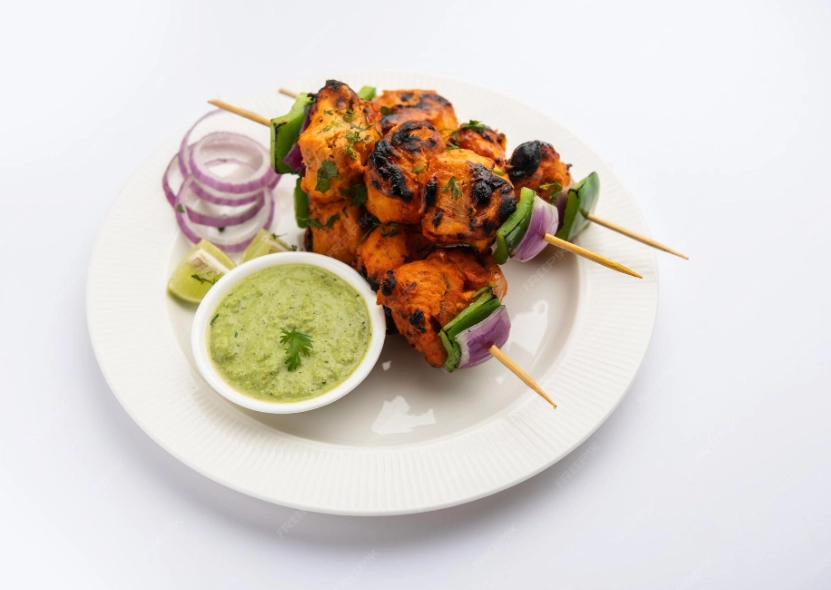
The Aromatic Base: Cumin and Coriander
This is the dynamic duo. Ground cumin brings a warm, nutty, slightly smoky backbone. It's the first note you often smell. Ground coriander is its brighter, citrusy partner. It has a lemony, floral quality that lifts the heavier spices. A common rookie error is using pre-ground spices that have been sitting in the cupboard for years. They lose their volatile oils and taste like dust. For the biggest flavor impact, buy whole cumin and coriander seeds and dry-toast them in a pan for 30-60 seconds until fragrant, then grind them yourself. The difference is night and day.
The Heat Spectrum: Red Chili and Black Pepper
Heat in Indian kebabs is about layering, not just assault. Kashmiri red chili powder is the star here. It provides a vibrant red color and a mild, fruity heat that's more about flavor than burn. If you can't find it, a mix of sweet paprika and a pinch of cayenne is a decent substitute. Then you have freshly ground black pepper, which adds a sharp, pungent warmth that hits differently. It's a more complex heat that lingers.
Color and Earth: Turmeric and Garam Masala
Turmeric is there for its golden hue and its distinct, earthy bitterness. It's a background note, but crucial. Use too much, and your kebabs will taste medicinal. A quarter to half a teaspoon is usually plenty. Garam masala is the wild card. It's not a single spice but a blend of warming spices like cardamom, cinnamon, cloves, and nutmeg. It's almost always added at the end of cooking or marinading to preserve its delicate aroma. Adding it with the raw spices at the start is a subtle mistake that mutes its character.
| Spice | Primary Flavor Role | Pro Tip & Common Form |
|---|---|---|
| Cumin (Jeera) | Warm, earthy, smoky base note | Always toast & grind whole seeds. Pre-ground loses potency fast. |
| Coriander (Dhania) | Citrusy, bright, floral lift | Pairs inseparably with cumin. Use a 1:1 ratio as a starting point. |
| Kashmiri Red Chili Powder | Vibrant color, mild fruity heat | Not just for heat. Essential for the classic kebab red hue. |
| Turmeric (Haldi) | Earthy bitterness, golden color | Use sparingly. More than ½ tsp can dominate and taste bitter. |
| Garam Masala | Warming, aromatic finish (cinnamon, cardamom, etc.) | Add last. Heat destroys its complex aroma. |
| Dried Fenugreek Leaves (Kasuri Methi) | Savory, slightly bitter, maple-like aroma | Crush between palms before adding to release oils. The secret restaurant ingredient. |
It's Not Just a List: The Art of the Spice Blend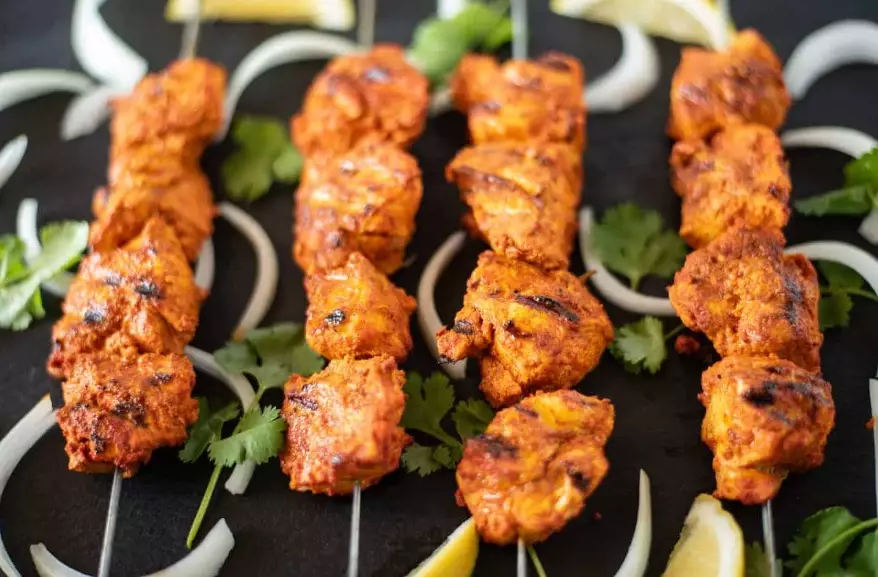
Listing spices is easy. Understanding why they work together is where the craft begins. Indian cooking is big on synergy.
Cumin's smokiness is balanced by coriander's brightness. Without coriander, the cumin can taste flat and one-dimensional. Kashmiri chili's fruitiness needs the sharp bite of black pepper to create a rounded heat profile. Turmeric's earthiness is tempered by the sweet warmth of garam masala.
Then there's the texture. A great kebab marinade often includes a wet binder like yogurt or cream, and an acidic component like lemon juice or raw papaya paste. The spices don't just sit on the chicken; they dissolve into this medium, penetrating the meat. The acid and enzymes help tenderize, while the fat in the yogurt carries fat-soluble flavor compounds deep into the fibers. This is why marinating for at least 4 hours, preferably overnight, is non-negotiable for flavor that goes beyond the surface.
A note from experience: Many online recipes will tell you to add salt to the marinade early. For chicken breast, this can actually draw out moisture and make it tougher during cooking. For kebabs, I've had better results adding most of the salt just 20-30 minutes before grilling. It seasons the meat without the prolonged moisture draw. Try it both ways and see what you prefer.
From Theory to Practice: A Actionable Kebab Spice Recipe
Let's make this concrete. Here's a reliable, restaurant-style spice mix for about 1 lb (450g) of boneless chicken thighs (thighs are more forgiving and flavorful than breast for kebabs).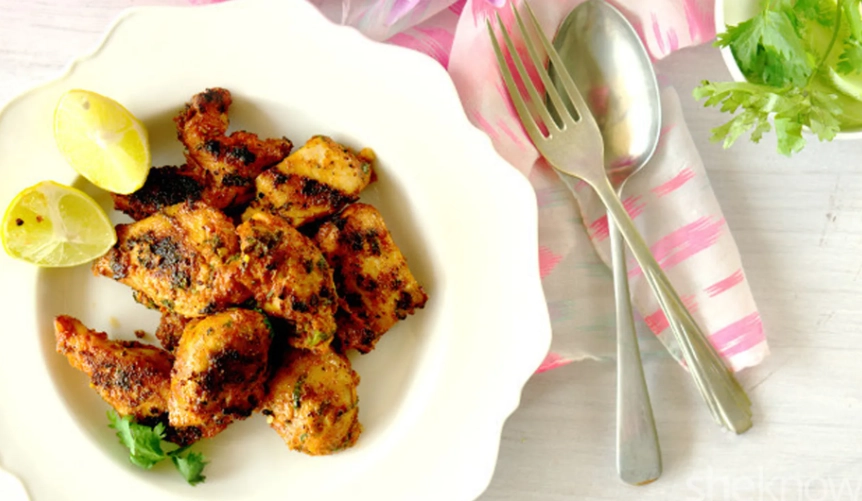
The Dry Spice Mix:
• 1.5 tsp freshly ground cumin
• 1.5 tsp freshly ground coriander
• 1.5 tsp Kashmiri red chili powder
• 1 tsp garam masala
• ¾ tsp turmeric powder
• 1 tsp freshly crushed black pepper
• 1 tbsp dried fenugreek leaves (kasuri methi), crushed
• 1.5 tsp salt (adjust later)
• ½ tsp optional: amchur (dry mango powder for tang) or 1 tbsp lemon juice
The Wet Marinade Base:
• ½ cup thick, full-fat Greek yogurt
• 1 tbsp ginger-garlic paste (freshly made is best)
• 1 tbsp neutral oil
• 1 tbsp lemon juice
Method: Whisk the wet ingredients together. Add all the dry spices except the garam masala. Mix into a paste. Coat the chicken pieces thoroughly. Cover and refrigerate for 6-24 hours. 30 minutes before cooking, take the chicken out, fold in the garam masala, and let it come closer to room temperature. Skewer and grill over high heat for that signature char.
This isn't just mixing; it's timing. Adding garam masala at the end preserves its soul.
5 Subtle Mistakes That Ruin Kebab Flavor (And How to Fix Them)
After years of trial, error, and talking to chefs, these are the pitfalls I see most often.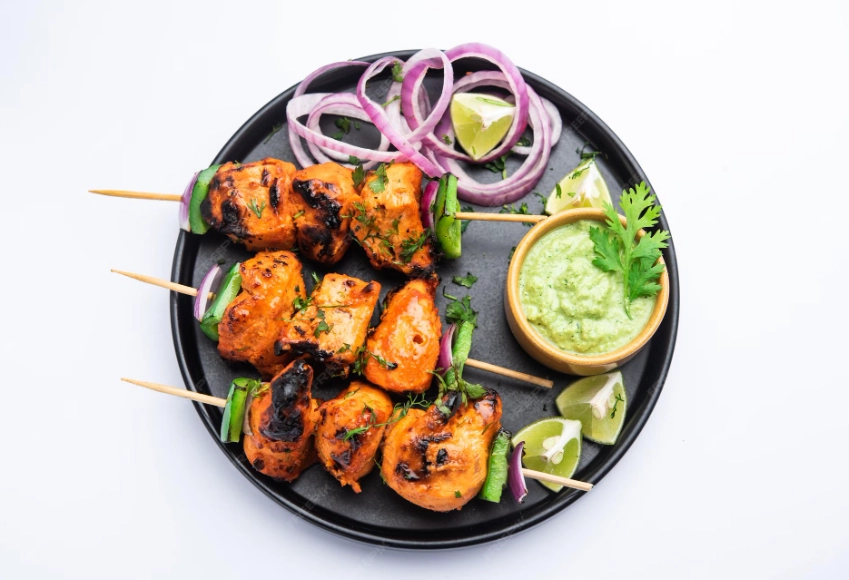
1. Using Stale, Pre-Ground Spices. This is the number one flavor killer. Ground spices lose most of their potency within 3-6 months. Your kebabs will taste muted. Fix: Invest in whole spices. A cheap coffee grinder dedicated to spices is a game-changer. Toast, then grind.
2. Skipping the Acidic Component. Spices need help to penetrate. Lemon juice, vinegar, or raw papaya paste aren't just for taste; they break down protein, allowing flavor and tenderness in. Fix: Always include an acid. For chicken, lemon juice or yogurt is perfect.
3. Over-marinating with Dairy. Yes, you need to marinate. But if your marinade is very yogurt-heavy and you leave chicken in it for more than 48 hours, the enzymes can actually turn the outer layer mushy. Fix: 6-24 hours is the sweet spot. For longer marinating, reduce the yogurt quantity.
4. Grinding Spices While Still Hot. If you toast whole spices and immediately grind them, the heat creates steam which can clump the powder and cause it to lose aroma faster. Fix: Let the toasted spices cool completely on a plate before grinding.
5. Forgetting the Finish. A sprinkle of chaat masala or a squeeze of fresh lemon and some chopped cilantro right after grilling adds a burst of freshness that cuts through the richness. It makes the spices pop. Fix: Have your finishing elements ready. Don't serve the kebabs straight off the grill without this final touch.
Your Indian Chicken Kebab Spice Questions, Answered
I don't have Kashmiri chili powder. What's the best substitute?
Mix 2 parts sweet paprika with 1 part mild chili powder (like ancho) or a very small pinch of cayenne. The goal is the color and mild flavor, not intense heat. Paprika alone will give the color but lack the subtle kick.
Can I make the spice mix in bulk and store it?
You can, but with a major caveat. Mix all the dry, powdered spices except the garam masala. Store that base mix in an airtight jar in a dark cupboard for up to a month. Always add the garam masala fresh when you're ready to marinate. Its complex oils fade fastest.
Why do my kebabs taste bitter?
Two likely culprits. First, burnt spices. If you're toasting whole spices, keep the heat medium-low and shake the pan constantly. They can burn in seconds. Second, too much turmeric. It's a powerful spice. Stick to ½ tsp or less per pound of meat.
 Is there a single "kebab masala" I can buy?
Yes, brands like Shan and MDH make good quality kebab masala blends. They're a convenient shortcut. However, they are a generic blend. Making your own allows you to control the heat, salt, and balance to match the specific kebab style (e.g., seekh kebab vs. tandoori chicken tikka) and your personal taste. A store-bought blend is a good start, but homemade is the path to mastery.
How important is the yogurt? Can I use a dairy-free alternative?
Yogurt is crucial for tenderizing and carrying flavor. Its fat and acidity are perfect. For a dairy-free version, thick coconut milk or a plain, unsweetened vegan yogurt can work, but the flavor profile will shift slightly. Add an extra teaspoon of lemon juice to compensate for the missing tang.
The journey to perfect Indian chicken kebab spices is part science, part intuition. It starts with fresh, whole spices, respects their individual characters, and understands how they harmonize in the marinade and on the grill. Forget the vague notion of "curry." Embrace the specific, powerful language of cumin, coriander, chili, and garam masala. Once you get this foundation right, you're not just following a recipe—you're speaking the language of flavor itself.
Discussion