You've followed the recipe. You bought good meat. You grilled them carefully. Yet your seekh kababs came out dry, dense, and crumbly, nothing like the succulent, juicy skewers you get at a great Indian restaurant. I've been there. My first batch was so tough, my dog looked at me with pity. The problem? Almost every home cook focuses on the wrong thing. They chase a magic ingredient, but tenderness is a process, not a single step. After years of burning, crumbling, and finally mastering these skewers, I can tell you the secret isn't a spoonful of yogurt or breadcrumbs (though they help). It's a combination of three non-negotiable pillars: meat science, binding alchemy, and controlled heat.
Your Quick Guide to Juicy Kebabs
The Meat That Makes or Breaks Your Kabab
Let's start where the kabab starts: the meat. This is the foundation, and getting it wrong means no amount of technique can save you.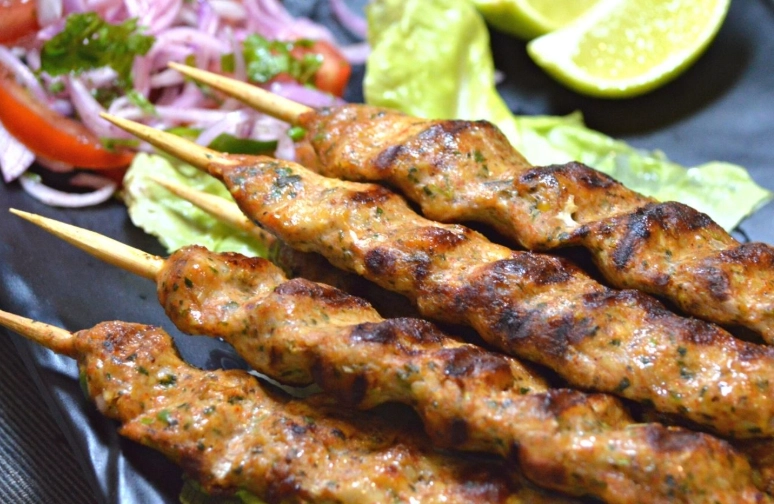
Fat is your friend, not the enemy. The single biggest mistake is using lean meat. Restaurant-quality seekh kababs demand a fat content of 20-25%. I use 80/20 ground beef (80% lean, 20% fat) as a reliable standard. For lamb, ask your butcher for shoulder or leg meat with visible fat marbling, and have them grind it coarse, not fine. That fat melts during cooking, basting the kabab from the inside, creating juiciness and flavor you cannot replicate with oil. If you use 95% lean meat, you're essentially making dense meat sticks.
Temperature is critical. Your meat must be ice-cold throughout the prep process. Warm meat causes the fat to smear, resulting in a pasty, tight texture. I keep the grinding blade in the freezer, chill the bowl, and even put my hands under cold water before mixing. It feels excessive until you taste the difference: a light, aerated texture versus a rubbery sausage.
A Quick Meat Selection Guide
Best Choice (Guaranteed Results): Coarsely ground lamb shoulder or 80/20 ground beef. The coarse grind gives you tiny pockets for moisture and creates a better bind.
Good Alternative: Ground chicken or turkey thighs (dark meat only). The higher fat content in thighs is crucial. Breast meat will be disastrously dry.
Pro-Tip Most Miss: If you only have lean meat, don't add liquid oil to compensate. Grate in frozen beef tallow or lamb fat. Solid fat integrated into the cold mix behaves much better during cooking than poured-in oil.
Beyond Breadcrumbs: The Binding Alchemy
Binding is where the magic happens. It's not just about holding the kabab together; it's about trapping moisture and creating a tender matrix.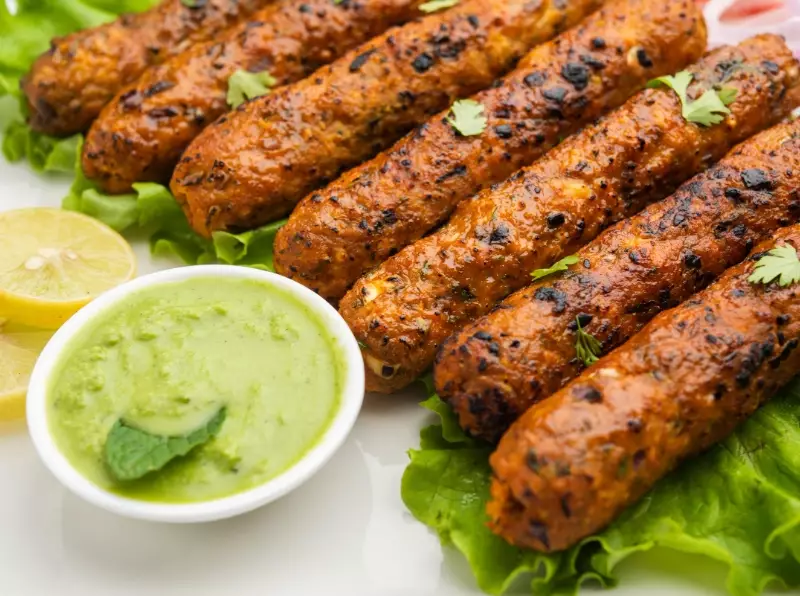
Everyone knows about breadcrumbs (called ‘rusk’ in South Asia) or chickpea flour (‘besan’). They act as a sponge. But the real secret agent is raw, grated onion. And I mean grated, not chopped. Grating creates an onion pulp that releases moisture and natural enzymes which gently break down meat proteins, tenderizing them without making them mushy. You must squeeze out ALL the water from this pulp using a cheesecloth. The dry onion fiber left behind is pure binding gold, adding sweetness and tenderness without making the mix wet.
Here's my non-negotiable binding trifecta for 500g of meat:
- 1 large onion, grated and squeezed bone-dry. This is non-negotiable.
- 1.5 tbsp of fine breadcrumbs or roasted chickpea flour. Chickpea flour adds a nutty flavor.
- 1 tbsp of thick, full-fat Greek yogurt. The lactic acid further tenderizes, and the fat adds richness.
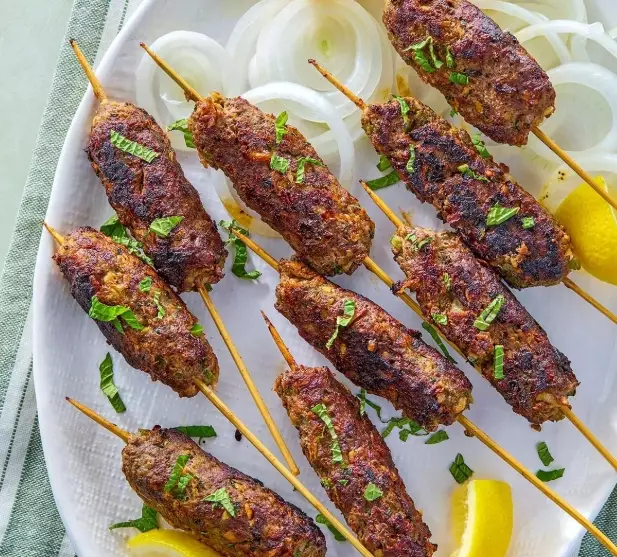
The mixing technique is the silent killer of tenderness. Do NOT overwork the mixture like dough. You're not developing gluten. Use a folding, gentle motion just until everything is combined. Over-mixing compacts the meat proteins, guaranteeing a tough result. I mix with a light hand for no more than 60 seconds.
The Spice Factor: Freshness Over Quantity
Your spices must be freshly ground. Pre-ground coriander and cumin lose their volatile oils and can taste dusty. Toast whole spices like coriander seeds, cumin seeds, and dried Kashmiri red chilies for 60 seconds, then grind them. The flavor is brighter, cleaner. A pinch of ground mace (‘javitri’) is an old-timer's secret—it adds a warm, complex note that elevates everything. Don't go overboard. A balanced spice mix enhances the meat, it doesn't mask it.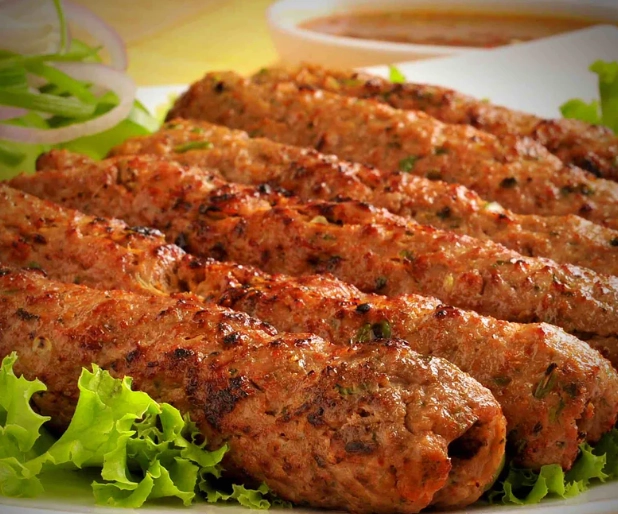
Grill Mastery: Heat Control is Everything
You can have perfect meat and a perfect mix, then ruin it in 90 seconds on the grill. The goal is to create a flavorful, slightly charred crust while gently cooking the interior to juicy perfection.
Your grill or pan must be screaming hot. I mean, oil should shimmer and almost smoke. This initial sear is vital—it instantly sets the exterior, sealing in juices and preventing the kabab from sticking and breaking. If the heat is too low, the kabab will sweat, steam, stick, and fall apart.
But here's the twist most recipes don't tell you: after the initial sear, you must reduce the heat. Once you have a good crust on all sides (about 2 minutes total), move the skewers to a cooler part of the grill or lower your pan's heat. Let them cook through gently for another 5-7 minutes. This slow, secondary cooking allows the interior fat to render and the proteins to set without tightening up and squeezing out all the moisture. Constant high heat will give you a burnt shell and a raw, or worse, dry center.
Don't poke them! Use a flat spatula or tongs to turn them gently. Poking releases the precious juices you've worked so hard to keep in.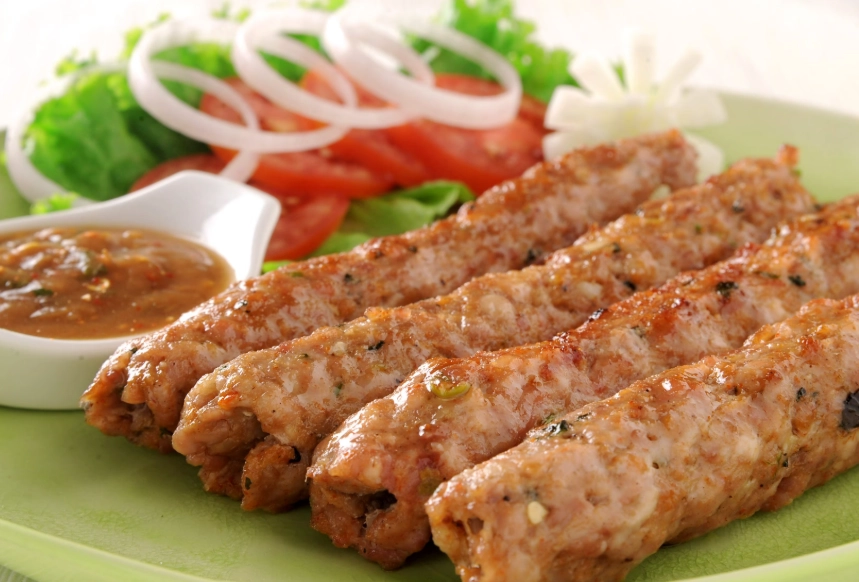
Why Your Kababs Fail (And How to Fix It)
Let's diagnose common disasters. I've made all these mistakes so you don't have to.
The Kabab Falls Apart on the Grill: The mix is too wet (did you squeeze that onion dry?), it's under-chilled, or your cooking surface wasn't hot enough for the initial sear. Also, ensure you're pressing the meat firmly onto the skewer—there should be no air pockets.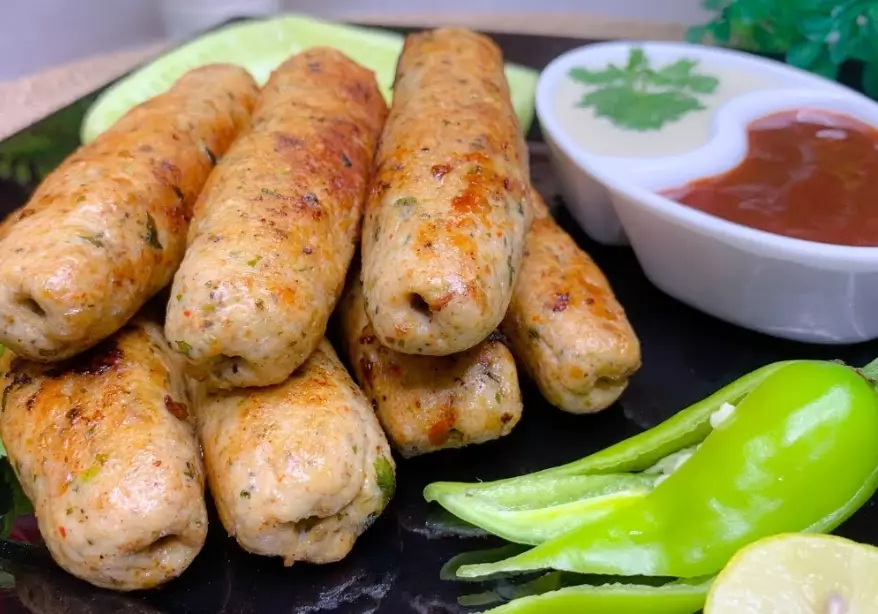
The Kabab is Dry and Crumbly: The meat was too lean. You overcooked it on relentless high heat. You skipped the fat-containing binders (yogurt, the right fat content).
The Kabab is Dense and Rubbery: You over-mixed the meat. You used meat that was too finely ground or warm. You compressed the meat too tightly on the skewer.
The Outside Burns Before Inside Cooks: Heat was too high throughout. Remember: sear hot, then finish medium. Also, your kababs might be too thick. Aim for a uniform, 3/4-inch thickness around the skewer.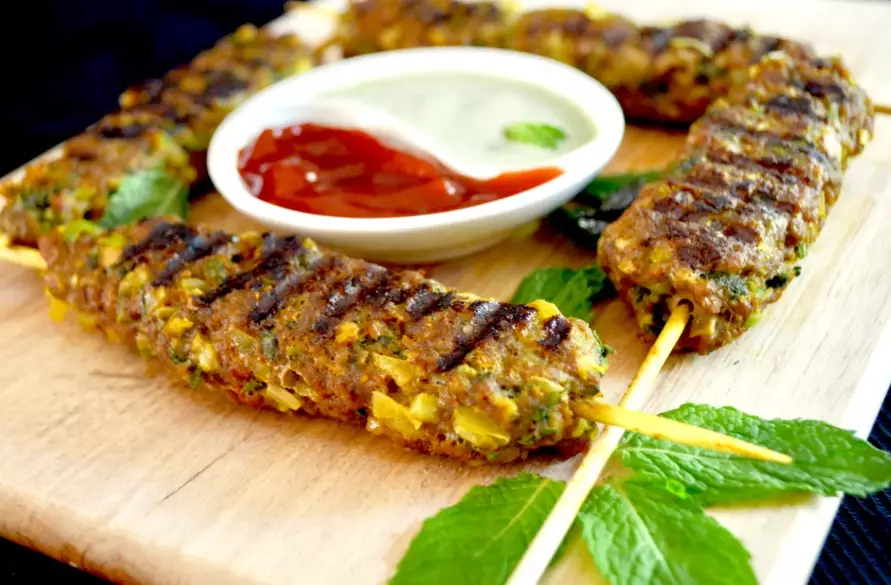
Discussion