Ask anyone on the street in Mumbai, Delhi, or London what the most popular chicken dish from India is, and nine times out of ten, you'll get the same answer: Butter Chicken, or Murgh Makhani. It's not just a dish; it's a global phenomenon. Creamy, mildly spiced, and impossibly rich, it has conquered palates far beyond India's borders. But its popularity isn't just about taste—it's a story of culinary ingenuity, perfect balance, and universal appeal.
I remember my first real butter chicken in a packed, noisy Delhi restaurant. The steam from the copper bowl carried the scent of smoked tomatoes and butter. Tearing a piece of fluffy naan and dragging it through that orange-gold gravy was a revelation. It wasn't just food; it was comfort in a bowl. That experience is what millions seek, and it's why this dish sits at the top.
What You'll Find in This Guide
From Leftovers to Legend: The Humble History
Unlike ancient recipes passed down for centuries, butter chicken has a relatively modern, and wonderfully pragmatic, origin story. It was born in the 1950s at the iconic Moti Mahal restaurant in Delhi.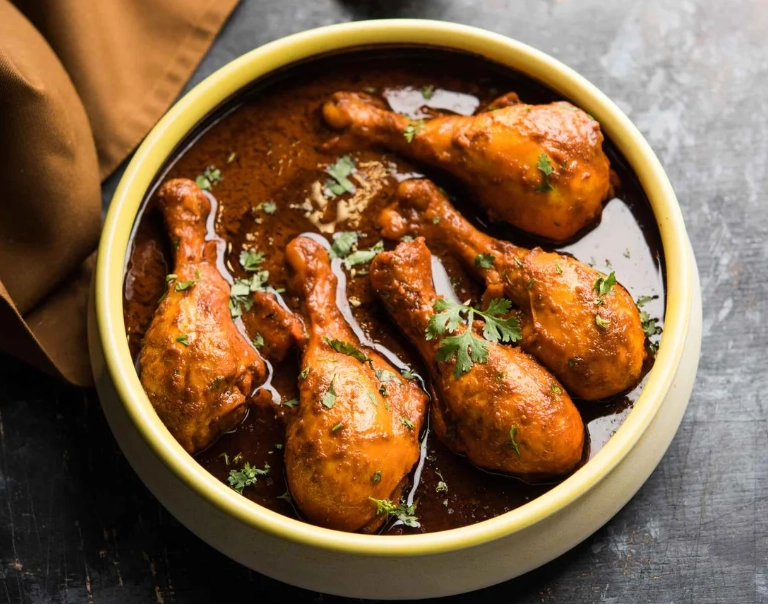
The tale goes that the chefs, Kundan Lal Gujral and his team, couldn't bear to waste leftover tandoori chicken, which would dry out by the end of the night. Their solution? Simmer the dry chicken pieces in a rich gravy made from tomatoes, butter, and cream. They added some mild spices to tie it together. It was an act of thrift that created magic.
The dish was an instant hit. Its mildness made it accessible, its richness made it luxurious, and its use of tandoori chicken gave it a unique texture and smoky depth. From Moti Mahal, it spread across Delhi, then India, and eventually, the world. The BBC and other food historians have documented this journey, cementing its place in culinary lore.
Fun Fact: The original Moti Mahal in Daryaganj, Delhi, still operates. While it's a pilgrimage site for foodies, be prepared for a no-frills, bustling atmosphere. The butter chicken there is less creamy and more tomato-forward than modern versions—a taste of history.
Why Butter Chicken Wins the Popularity Contest
Let's break down its winning formula. It's not an accident.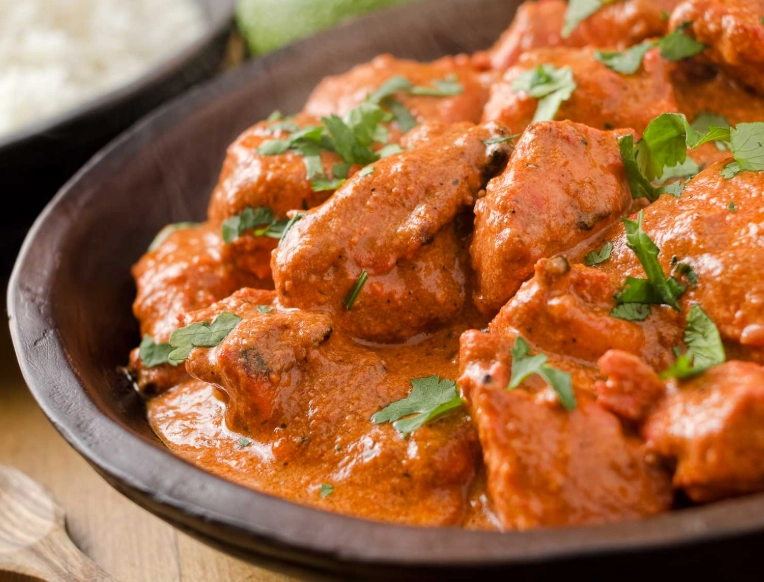
- The Flavor Profile is Universally Appealing: It's not too spicy, not too sour, not too sweet. The cream, butter, and tomato create a harmonious, velvety sauce that's deeply satisfying without challenging the palate. It's the ultimate "crowd-pleaser."
- Perfect with Indian Breads & Rice: The gravy is the star. It's designed to be mopped up with naan or soaked into basmati rice. This interactive, saucy element makes the meal fun and complete.
- Restaurant-Friendly: For restaurants, it's a dream. The tandoori chicken can be prepped in advance, and the gravy held. Assembly is quick, ensuring consistency and fast service, even on busy nights.
- The "Gateway" Effect: For many people outside India, butter chicken is their first foray into Indian cuisine. A positive first experience creates lifelong fans and opens the door to exploring spicier, more complex dishes.
Compare it to other contenders. Chicken Tikka Masala, while wildly popular, especially in the UK, has a more debated origin and a tangier, sometimes thinner sauce. Rogan Josh is a lamb dish. Chicken Chettinad is explosively spicy, which limits its mass appeal. Butter chicken occupies a sweet spot no other dish can match.
How to Make Butter Chicken at Home (The Right Way)
Most home cooks make one critical mistake: they skip the tandoori step. You can't just fry chicken and throw it in a tomato gravy. The smoky, charred flavor from the marinade and high-heat cooking is non-negotiable. Here's the breakdown.
The Two-Part Process You Can't Rush
Part 1: The Tandoori Chicken. Marinate boneless chicken thighs (thighs stay juicier) in a mix of yogurt, ginger-garlic paste, Kashmiri red chili powder (for color, not heat), turmeric, garam masala, and a touch of oil and lemon juice. Let it sit for at least 2 hours, ideally overnight. Then, cook it under a broiler/grill, on a stovetop grill pan, or in a very hot oven until slightly charred. This is your flavor foundation.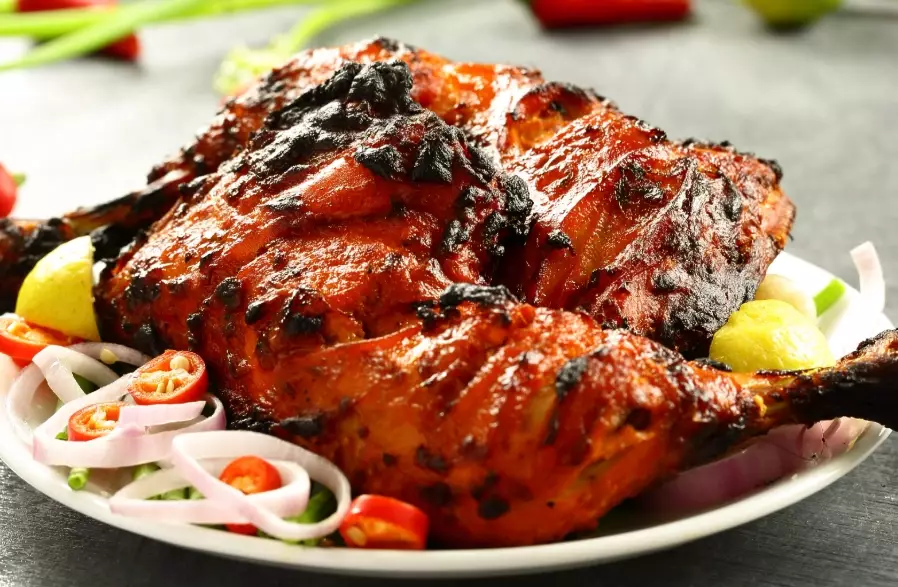
Part 2: The Makhani (Butter) Gravy. This is where the magic happens.
- Base: Sauté onions, then add ginger, garlic, and green chili.
- Tomatoes: Add pureed fresh tomatoes or good-quality canned tomatoes. Cook until the oil separates—this is key for depth.
- Spices & Nuts: Add your ground spices (coriander, cumin, garam masala, Kashmiri chili) and a handful of soaked cashews for creaminess and body.
- Blend: Let this mixture cool slightly, then blend it into a smooth paste. This step creates the signature silky texture.
- Finish: Return the paste to the pan. Add butter, cream (or for a tangier twist, a bit of yogurt), kasuri methi (dried fenugreek leaves—another non-negotiable), and honey or sugar to balance the acidity.
- Unite: Add the charred tandoori chicken pieces. Simmer gently for 10-15 minutes, letting the chicken soak up the gravy. Do not boil vigorously after adding cream.
The Expert Tip Everyone Misses: Don't add raw cream directly from the fridge to a boiling gravy. It can split. Take the pan off the heat, stir in the cream, and then return to a very low simmer. And go easy on the butter at the end—you can always add more to taste. The dish should be rich, not greasy.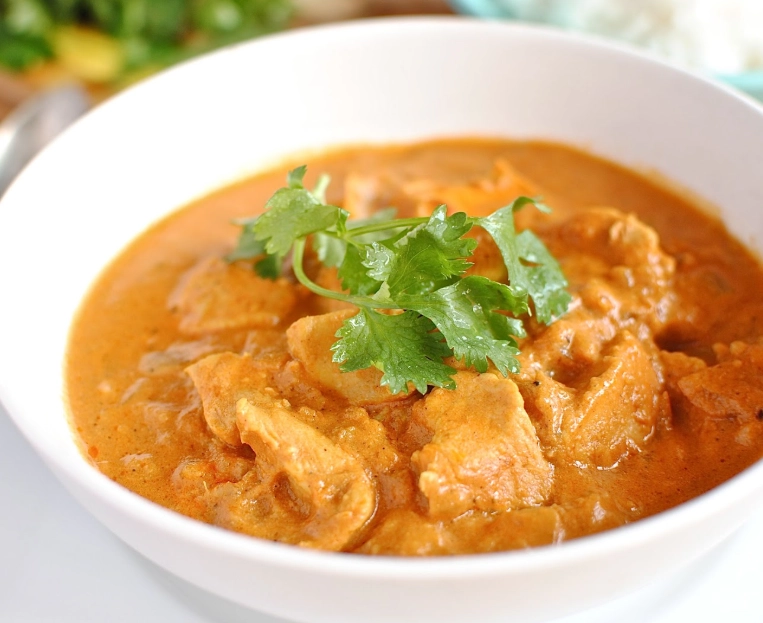
Where to Find the Best Butter Chicken in India & Abroad
Tasting the benchmark is essential. Here are temples of butter chicken, from the old guard to modern masters.
| Restaurant | Location | What Makes It Special | Price Range (Approx.) |
|---|---|---|---|
| Moti Mahal | Daryaganj, Delhi (Original) | The original. Less creamy, more tomatoey and smoky. A historical experience. | ₹600 - ₹800 |
| Bukhara | ITC Maurya, Delhi | Legendary. Intense, robust flavors, cooked in a traditional clay oven. Consistently ranked among the world's best. | ₹2000+ |
| Kasturi | Mumbai | Mumbai's favorite. Perfect balance of sweet, tangy, and smoky. Always packed. | ₹700 - ₹1000 |
| Dishoom | London (Multiple) | Perfected the UK-Indian version. Silky, complex, and utterly addictive. Expect queues. | £12 - £15 |
| Locals' Secret: Any dhaba near you | Highway or city outskirts | Often surprisingly excellent. Made fresh with local ingredients, less cream, more rustic flavor. | ₹300 - ₹500 |
My personal dark horse? A small, family-run place in South Delhi's Safdarjung Enclave market. No fancy sign, plastic tables, but their butter chicken has a hint of black cardamom that's unforgettable. It reminds you that the best food isn't always in the guidebooks.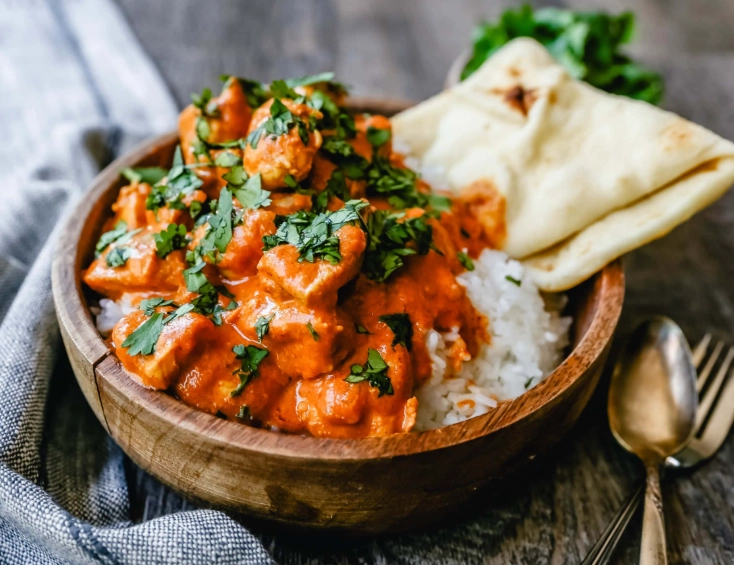
Beyond the Classic: Regional Twists and Variations
While the Delhi-style is canonical, chefs across India and the world have put their spin on it.
- Punjabi Dhaba Style: Often has a more pronounced tomato tang and is less homogenized—you might find chunks of tomato and onion in the gravy. It feels heartier.
- Kashmiri Influence: Some versions add a pinch of fennel powder or use saffron-infused cream, giving it a distinct aromatic lift.
- Modern & "Health-Conscious": You'll see versions with almond milk instead of cream, grilled chicken instead of tandoori, or added spinach. They can be tasty but are a different dish altogether.
- The Butter Chicken Pizza/Pasta: A fusion trend born in urban Indian cafes. It's exactly what it sounds like—butter chicken as a topping. It's indulgent, controversial, and surprisingly popular.
Then there's the vegetarian cousin: Paneer Makhani (butter paneer). It replaces chicken with cubes of Indian cottage cheese (paneer) and is just as popular, if not more, in vegetarian households and restaurants. The gravy is essentially identical.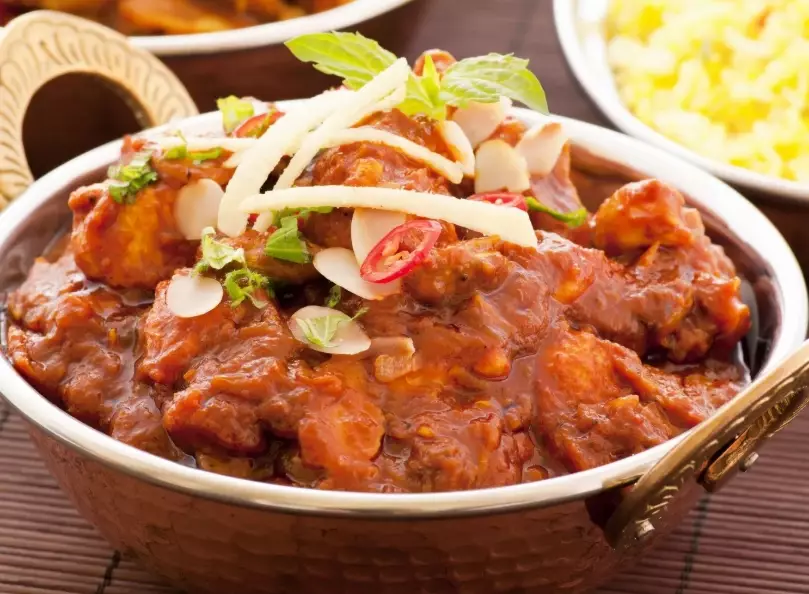
- Basmati Rice: The fluffy, aromatic grains are perfect for soaking up the gravy.
- Buttered Naan or Garlic Naan: Tear off pieces to scoop up the chicken and sauce – this is the quintessential experience.
- Raita: A cool yogurt side with cucumber or mint cuts through the richness and balances the spices.
- A simple onion salad (sliced red onions with lemon and chaat masala) adds a crunchy, sharp contrast.
So, there you have it. The most popular chicken dish in India isn't just a recipe; it's a cultural icon with a deliciously humble beginning. Its rise from a clever use of leftovers to a global superstar is a testament to its perfect formula. Whether you seek out the original in Delhi, master it in your own kitchen, or enjoy its many interpretations, butter chicken offers a taste of India that is universally comforting and endlessly craveable. Now, pass the naan.
Discussion