Jump to What You Need
I still remember the first time I messed up a pot of dal. It was too watery, the spices felt raw, and my kitchen smelled like a spice bomb gone wrong. That was years ago, and since then, I've cooked Indian lentil recipes more times than I can count—for family dinners, potlucks, and even lazy weeknights. These dishes aren't just food; they're comfort in a bowl, packed with protein and flavor. If you're looking to dive into vegetarian Indian cooking, lentils are your best friend. Let's cut through the noise and get straight to what works.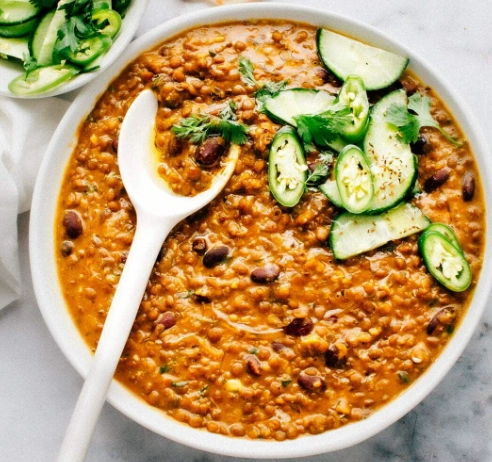
Lentil Basics: Types and Uses in Indian Cooking
Indian cuisine uses a variety of lentils, each with its own personality. Calling them all "dal" is like calling every pasta "noodles"—it misses the nuances. Here's a quick breakdown based on my experience.
| Lentil Type | Common Name in Hindi | Best For | Cooking Time (Approx.) |
|---|---|---|---|
| Masoor Dal | Red Lentils | Quick soups, creamy dal | 15-20 minutes |
| Moong Dal | Split Yellow Lentils | Light dishes, khichdi | 20-25 minutes |
| Toor Dal | Pigeon Peas | Sambar, hearty curries | 30-40 minutes |
| Urad Dal | Black Gram | Dosa batter, rich dal makhani | 45-60 minutes (soaked) |
| Chana Dal | Split Chickpeas | Salads, spicy curries | 25-35 minutes |
Most beginners grab red lentils because they cook fast, but toor dal gives that authentic South Indian sambar punch. A tip from my grandma: always rinse lentils in cold water until it runs clear. It removes dust and any bitterness. Don't skip this—I've tasted the difference.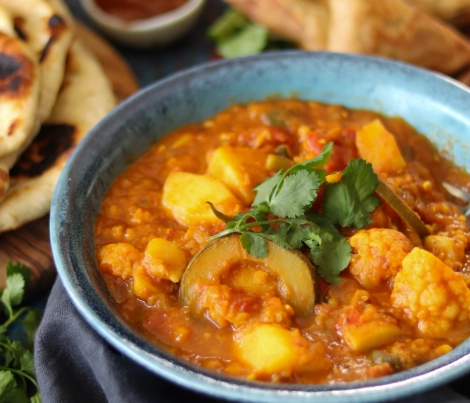
Why Lentils Are a Vegetarian Powerhouse
Lentils are cheap, nutritious, and versatile. According to health reports from sources like the USDA, they're high in protein, fiber, and iron. For vegetarians, they're a staple that can replace meat in terms of satiety. But here's something most recipes don't tell you: combining lentils with a grain like rice or roti boosts protein absorption. It's called complementary protein, and it makes your meal more balanced.
Top 3 Must-Try Indian Lentil Recipes for Vegetarians
Let's get practical. These three recipes cover different moods—comfort, spice, and simplicity. I've cooked them dozens of times, tweaking along the way.
1. Classic Dal Tadka: The Comfort Bowl
This is the lentil dish you'll find in almost every Indian home. It's simple but easy to ruin. Here's my go-to method.
Ingredients: 1 cup toor dal, 3 cups water, 1 tsp turmeric, salt, 2 tbsp ghee or oil, 1 tsp cumin seeds, 2 dried red chilies, 1 onion (chopped), 2 tomatoes (diced), cilantro for garnish.
Steps: Rinse the dal. Cook it with water, turmeric, and salt in a pressure cooker for 4 whistles or simmer for 30-40 minutes until soft. Mash it lightly. In a separate pan, heat ghee, add cumin and chilies until they sizzle. Add onion, cook until golden, then tomatoes until mushy. Pour this tempering over the dal. Mix, garnish with cilantro. Serve with rice or roti.
My twist: Add a pinch of asafoetida (hing) to the tempering—it adds depth and aids digestion. Many skip it, but it's a game-changer.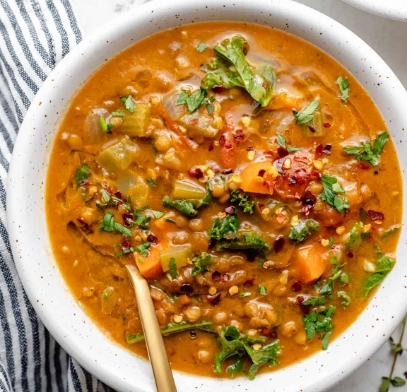
2. Spicy Sambar: South Indian Staple
Sambar is a lentil-based stew with vegetables. It's tangy, spicy, and perfect with idli or rice. The key is the sambar powder, which you can make or buy.
Ingredients: 1/2 cup toor dal, 1 cup mixed veggies (like drumsticks, carrots), 1 tsp tamarind paste, 2 tbsp sambar powder, 1/2 tsp mustard seeds, curry leaves, oil.
Steps: Cook dal until soft. In a pot, boil veggies until tender. Add cooked dal, tamarind paste, sambar powder, and salt. Simmer for 10 minutes. Temper mustard seeds and curry leaves in hot oil, add to sambar. Done.
Common pitfall: Overcooking the dal until it disintegrates. Keep it slightly intact for texture.
3. Easy Moong Dal Khichdi: One-Pot Wonder
Khichdi is like Indian risotto—creamy, mild, and soothing. It's my go-to when I'm sick or just want something light.
Ingredients: 1 cup moong dal, 1 cup rice, 4 cups water, 1 tsp cumin, 1/2 tsp turmeric, ghee, salt.
Steps: Rinse dal and rice together. Sauté cumin in ghee until fragrant. Add dal-rice mix, turmeric, water, and salt. Cook until mushy, stirring occasionally. Top with more ghee.
Serve with yogurt or pickle. It's forgiving—add more water for soupier consistency.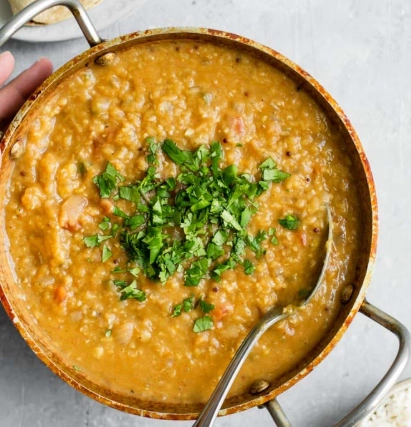
How to Cook Lentils Perfectly Every Time
Cooking lentils isn't rocket science, but small details matter. I learned this through trial and error.
Soaking: Whole lentils benefit from soaking; split ones often don't. For urad dal, soak overnight for dishes like dal makhani. For masoor dal, a quick rinse is enough. Oversoaking can make them mushy—I've ended up with dal soup instead of curry because of this.
Water Ratio: A common rule is 1:3 lentil to water for most dals, but adjust based on desired thickness. For khichdi, use 1:4. Start with less water; you can always add more.
Spicing: Add turmeric and salt while cooking lentils—it infuses flavor. Save other spices for tempering later. Many recipes add everything at once, but that dulls the spices.
Use a pressure cooker to cut time by half. If you don't have one, simmer on low heat, covered. Stir occasionally to prevent sticking.
Common Mistakes and How to Avoid Them
I've made these errors so you don't have to.
- Undercooking Spices in Tempering: If your cumin or mustard seeds don't crackle in hot oil, they'll taste raw. Heat the oil properly before adding them.
- Adding Acid Too Early: Tomatoes or tamarind added early can toughen lentils. Cook lentils first, then add acidic ingredients.
- Neglecting Salt Timing: Salt lentils at the beginning—it helps them cook evenly. Waiting until the end can result in bland dal.
- Using Stale Lentils: Old lentils take forever to cook. Buy from stores with high turnover, and store in airtight containers.
One more thing: don't be afraid to experiment. I once added spinach to dal tadka, and it turned out great. Indian cooking is flexible.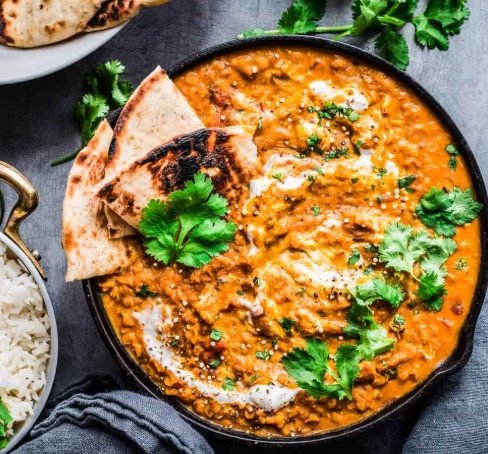
Your Lentil Cooking Questions Answered
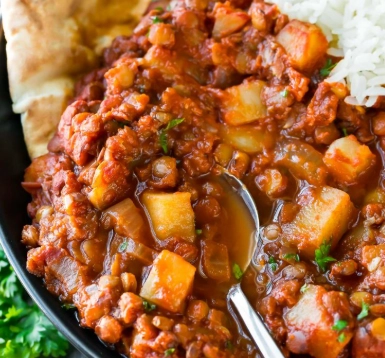
That's it. Indian lentil recipes are more than just food—they're a way to bring warmth to your table. Start with one dish, like dal tadka, and build from there. Don't stress over perfection; even my first failed attempt taught me something. Happy cooking!
Discussion