Let's clear something up right away. Authentic vegan Indian cooking isn't just regular Indian food with the paneer and ghee ripped out. That approach leaves you with a sad, hollow version of the real thing. I learned this the hard way after a decade of cooking and eating my way across different regions of India. The real magic happens when you start from the ground up, with traditions that have been plant-based for centuries.
Think about it. A huge portion of India's population has eaten lacto-vegetarian for generations. Dairy? Yes. But eggs and meat? Often not. The culinary genius of the subcontinent developed incredible ways to build flavor, texture, and satisfaction directly from lentils, vegetables, grains, and spices. The vegan part isn't a modern restriction; it's often a return to the roots.
What's Cooking? Your Quick Guide
Forget Garam Masala: Your Real Spice Foundation
Most blogs and pre-mixed powders get this backwards. Garam masala is the finishing touch, the perfume. If your entire spice strategy is "add curry powder" or "add garam masala," your food will taste flat and one-note.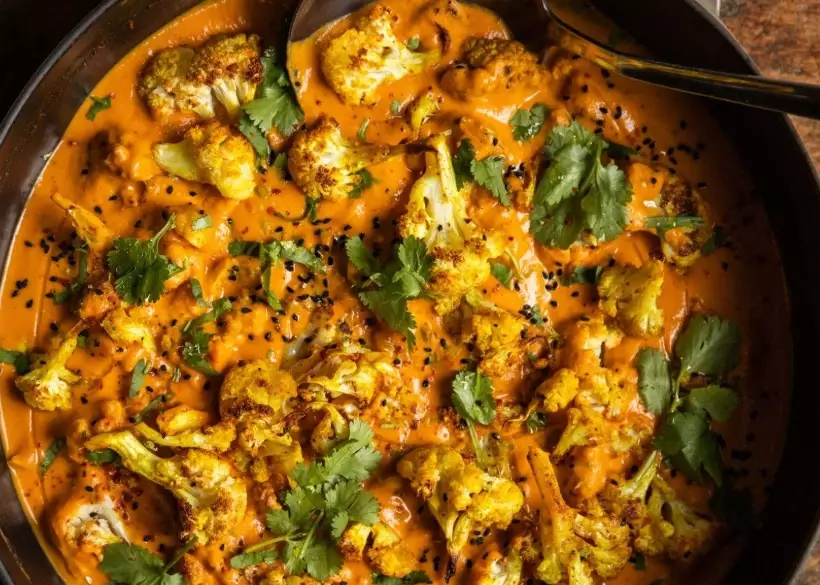
The foundation is a trio you should buy whole and toast/grind yourself. The flavor difference is staggering.
| Spice | Its Real Job | How to Use It (The Right Way) |
|---|---|---|
| Cumin Seeds (Jeera) | Earthy, warm base note. It's the bassline. | Temper in hot oil until they sizzle and darken a shade. Don't let them burn. This is step one for 80% of Indian dishes. |
| Coriander Seeds (Dhania) | Citrusy, floral aroma. It brightens everything. | Dry toast lightly until fragrant, then grind. Use the powder during the main cooking stage, not at the end. |
| Turmeric (Haldi) | Earthy depth and color. It's not just for health. | Add ground turmeric early with other powdered spices to cook out its raw edge. It mellows and blends. |
I keep small jars of each—whole and pre-ground from my own toasting—right by the stove. That garam masala bottle? It's in the cabinet, for the final 30 seconds of cooking.
The Vegan Building Blocks You're Probably Missing
Texture is where vegan versions often fail. You need to replace the chew of paneer, the creaminess of yogurt, the richness of slow-simmered meat. Indian kitchens have answers that aren't just tofu.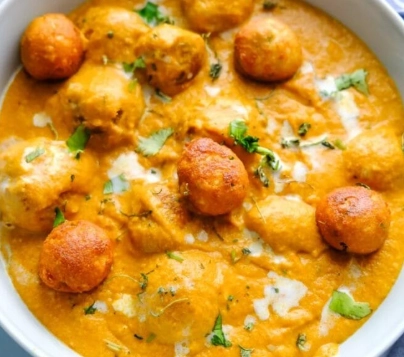
For Creaminess (Without Coconut Overkill): Soaked cashews, blended smooth with water, are your best friend for North Indian-style curries. It's neutral, rich, and doesn't shout "tropical." For a quicker fix, a tablespoon of raw cashew butter whisked in at the end works wonders. Save coconut milk for specific South Indian dishes where it belongs, like a Kerala-style vegetable stew.
For "Meaty" Texture: Look to mushrooms, sure, but don't overlook pressed, crumbled extra-firm tofu that's been marinated in spices and a bit of soy sauce, then pan-fried until chewy. It's fantastic in a "keema" (spiced mince) style dish. Jackfruit gets all the press, but it's a pain to prepare from fresh and the canned stuff often tastes metallic. I use it sparingly.
The Flavor Bomb No One Talks About: Dried fenugreek leaves, or kasuri methi. Crush a pinch between your palms and stir it into a curry right before serving. It adds a savory, slightly bitter, almost cheesy depth that magically mimics the complexity dairy brings. A total game-changer for vegan "butter chicken" or "palak paneer" sauces.
A quick story: I once spent a week in a Gujarati household where no onion or garlic was used (a Jain tradition). I thought the food would be bland. It was the opposite—the cook used incredibly complex spice blends (like goda masala) and leveraged the natural sweetness of vegetables and the tang of dried mango powder (amchur) to create layers I'd never tasted. It taught me that the rules are deeper than any single ingredient.
Three Core Recipes to Master First
Skip trying to veganize the most dairy-heavy dishes right away. Build confidence with these inherently vegan or easily adapted classics.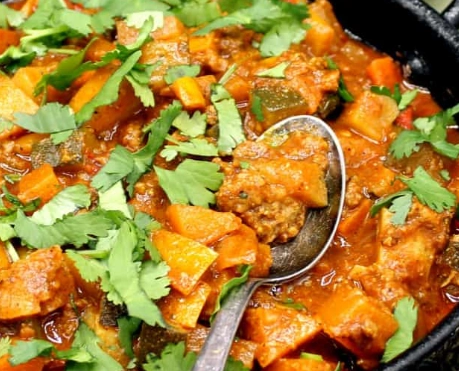
1. The Perfect Tadka Dal (Tempered Lentil Stew)
This is home cooking at its soulful best. The technique is in the "tadka"—the tempering of spices in hot oil poured on top.
- Cook 1 cup yellow lentils (toor dal) with turmeric and salt until mushy.
- In a small pan, heat 2 tbsp oil. Add 1 tsp mustard seeds. When they pop, add 1 tsp cumin seeds, 2 dried red chilies, a pinch of asafoetida (hing), and 8-10 curry leaves.
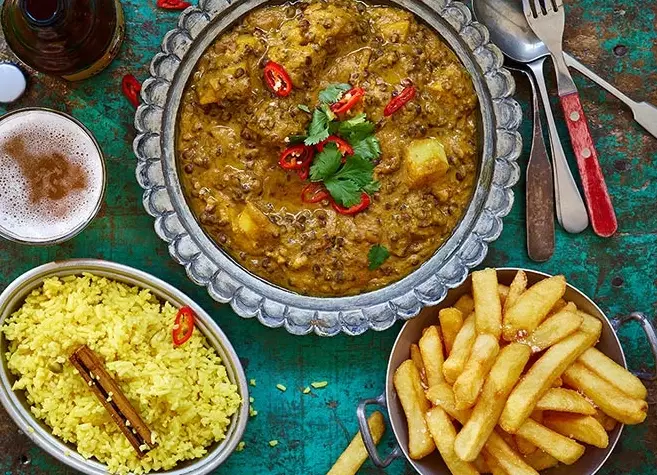
- Let this sizzle for 20 seconds, then pour the entire sputtering oil mixture into the cooked dal.
- The sound, the aroma—it transforms simple lentils into something magical. Serve with rice.
2. Aloo Gobi (Potato & Cauliflower Dry Curry)
A dry, spiced dish that showcases how to cook vegetables without a heavy sauce. The key is cooking the potatoes and cauliflower just right—tender but not mushy, with a slight bite.
My non-consensus tip? Don't add water. Let the vegetables steam in their own moisture with the pan covered. You get concentrated flavor. A sprinkle of amchur (dried mango powder) at the end adds the perfect tang.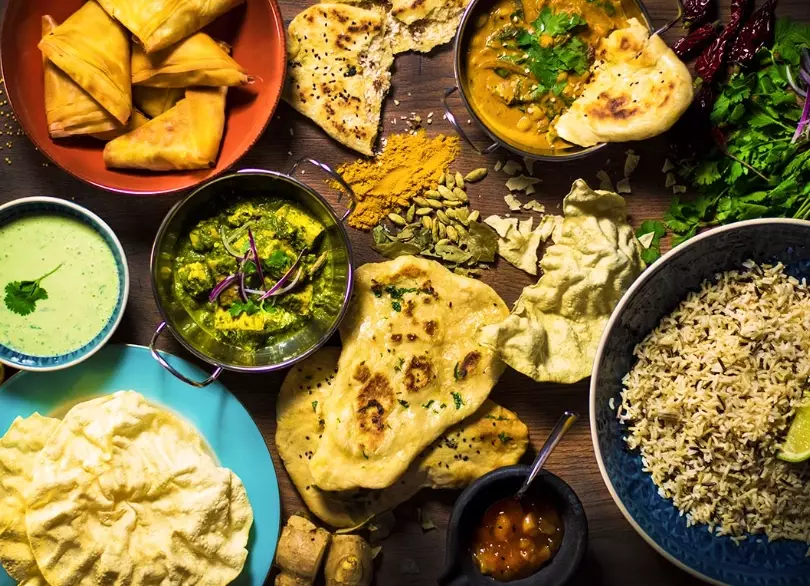
3. Chana Masala (Chickpea Curry) – The Restaurant Version
Everyone makes this, but few get the deep, layered gravy right. The secret is the "bhuno"—frying the onion-tomato masala paste.
- Sauté onions until golden, add ginger-garlic paste, then tomatoes.
- Cook this down, stirring often, for a good 10-12 minutes until the oil separates from the paste. It will darken. This is the step you're likely skipping.
- Then add your coriander, cumin, turmeric, and a good chana masala blend. Fry for another minute.
- Add boiled chickpeas and water, simmer. Finish with a squeeze of lemon and that crushed kasuri methi.
It's robust, tangy, and needs no dairy whatsoever.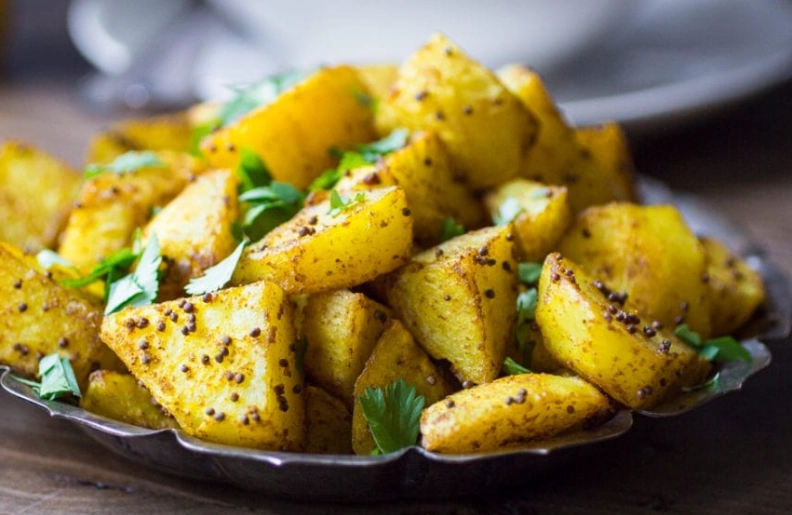
The Subtle Mistakes That Ruin Vegan Indian Food
After teaching this stuff for years, I see the same errors repeatedly.
Mistake 1: Using raw spice powders. If you're adding ground coriander or cumin directly from the jar into a watery broth, you're getting maybe 30% of the flavor. Always toast whole seeds lightly in a dry pan, let them cool, then grind. Or, at the very least, add the ground spices to the hot oil for 30 seconds before adding any liquid. It "wakes them up."
Mistake 2: Underseasoning. Lentils and beans are bland sponges. You need more salt than you think, and you need acid. A dal isn't finished until you've adjusted the salt and added a squeeze of lemon or lime. That acid brightens all the spices.
Mistake 3: Assuming all Indian food is curry. Explore the vast world of dry dishes (sabzis), flatbreads (like besan chilla—chickpea flour pancakes), rice dishes (vegetable pulao), and snacks (masala roasted chickpeas). It expands your repertoire beyond the bowl of sauce.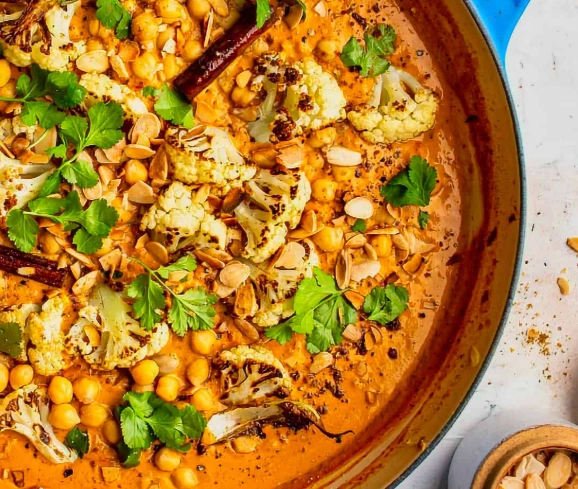
Your Questions, Answered
Start with the dal. Master the tadka. Respect the bhuno. Authentic vegan Indian food isn't a limitation—it's a deep, flavorful, and incredibly satisfying culinary tradition waiting for you to explore it on its own terms.
Discussion