If you're trying to eat healthier or build muscle, Indian cuisine is a goldmine for high-protein meals that don't skimp on flavor. I've been cooking Indian food for over a decade, and let me tell you, the protein options here go way beyond just chicken tikka. From lentils to paneer, you can pack your diet with nutrients without feeling like you're on a bland diet. This guide cuts through the noise to give you practical, tasty recipes you can make tonight.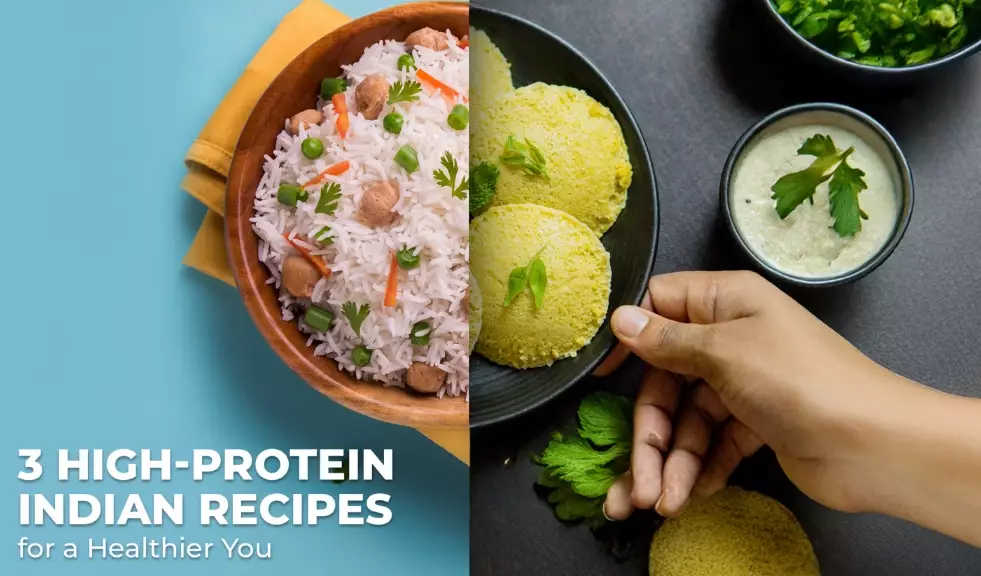
Jump to What You Need
Why Indian Cuisine is a Protein Powerhouse
Indian cooking isn't just about spices—it's built on protein-rich staples that have fueled generations. Think about it: lentils, chickpeas, dairy, and nuts are everywhere in traditional dishes. According to the Indian Council of Medical Research, legumes contribute significantly to daily protein intake in vegetarian diets. That's why dishes like dal and chana masala are so common.
But here's something most blogs miss. The real magic happens when you combine these ingredients. Rice and lentils together create a complete protein, meaning all essential amino acids are covered. It's a simple trick that makes Indian meals nutritionally balanced without extra effort.
Traditional Protein Sources in Indian Cooking
Let's break it down. Lentils (dal) come in varieties like masoor, toor, and moong—each offering 15-20 grams of protein per cooked cup. Chickpeas (chana) are another star, with about 15 grams per cup. Then there's paneer, an Indian cottage cheese that gives you 18 grams of protein per 100 grams. Even spinach and potatoes in dishes like aloo palak add a bit of protein when paired right.
I remember when I first started, I'd just throw everything in a pot. Big mistake. Soaking lentils for the right time (30 minutes, not overnight) makes a huge difference in texture and nutrient absorption. More on that later.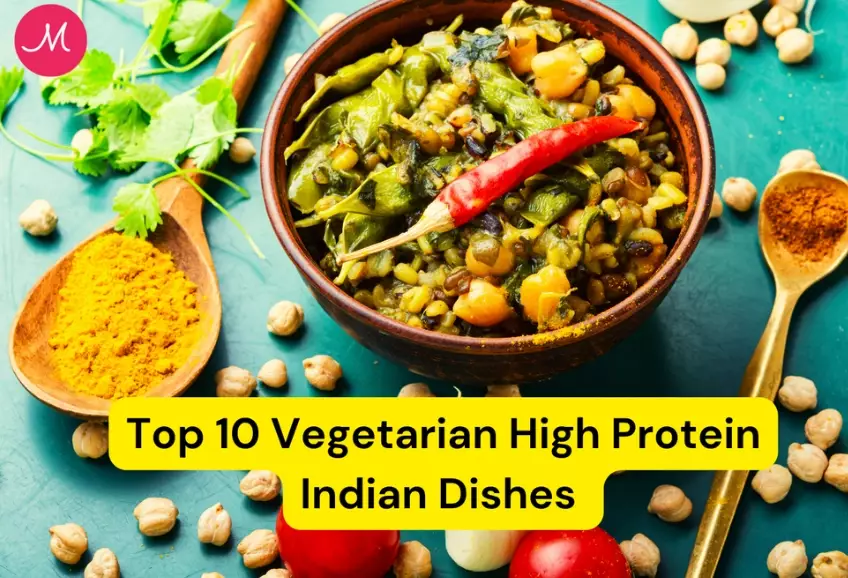
Top 5 High Protein Indian Recipes You Can Make Today
These aren't your average recipes—I've tweaked them to boost protein and simplify steps. Each one serves 4 and takes under 45 minutes.
1. Protein-Packed Chana Masala
Chana masala is a classic, but many versions drown in oil. My version uses canned chickpeas for speed and adds extra spinach for nutrients. You'll get about 20 grams of protein per serving.
Ingredients: 2 cans chickpeas, 1 onion, 3 tomatoes, 2 cups spinach, spices (cumin, coriander, turmeric, garam masala), 1 tbsp oil.
Steps: Sauté onions until golden, add tomatoes and spices, cook for 5 minutes. Stir in chickpeas and spinach, simmer for 10 minutes. Done. Serve with brown rice for extra fiber.
2. Spinach and Paneer Delight (Palak Paneer)
Palak paneer is creamy, but it can be heavy. I use low-fat paneer and skip the cream—still creamy thanks to blended cashews. Each serving has around 22 grams of protein.
Ingredients: 200g paneer, 4 cups spinach, 1 onion, 2 garlic cloves, 10 cashews, spices, 1 tsp oil.
Steps: Blanch spinach, blend with cashews. Sauté onions and garlic, add spinach paste and spices, cook for 5 minutes. Add paneer cubes, heat through. That's it. Some people fry the paneer first, but I find it gets too greasy—just add it raw for a lighter touch.
3. Lentil Dal with a Twist
Dal is the ultimate comfort food, but to up the protein, I mix red lentils (masoor dal) with split chickpeas (chana dal). This combo gives you 25 grams of protein per bowl.
Ingredients: 1 cup red lentils, 1/2 cup split chickpeas, 1 tomato, ginger, spices, water.
Steps: Rinse lentils, add to pot with water, tomato, and ginger. Boil for 20 minutes until soft. Temper spices in a separate pan with a teaspoon of oil, then mix into the dal. Don't overcook—lentils should be tender, not mushy.
4. Quick Tofu Tikka Masala
For a vegan option, tofu works surprisingly well. Marinate firm tofu in yogurt (or vegan yogurt) and spices, then bake or pan-fry. Add to a tomato-based gravy. Protein: 18 grams per serving.
Ingredients: 300g firm tofu, 1 cup yogurt, 2 tomatoes, spices, 1 tbsp oil.
Steps: Cube tofu, marinate in yogurt and spices for 15 minutes. Bake at 200°C for 15 minutes. Meanwhile, make gravy by cooking tomatoes and spices. Combine and simmer for 5 minutes. Easy and foolproof.
5. High-Protein Indian Breakfast: Moong Dal Chilla
Chilla are savory pancakes made from ground lentils. Moong dal is high in protein and easy to digest. One large chilla packs about 15 grams of protein.
Ingredients: 1 cup moong dal (soaked), 1 onion, green chilies, spices, water.
Steps: Grind soaked dal into a batter, mix with chopped onions and spices. Pour onto a hot pan like a pancake, cook until golden on both sides. Serve with chutney. Perfect for a quick morning meal.
See? No fancy techniques needed. These recipes use everyday ingredients. I often double the batch and freeze portions—saves time on busy days.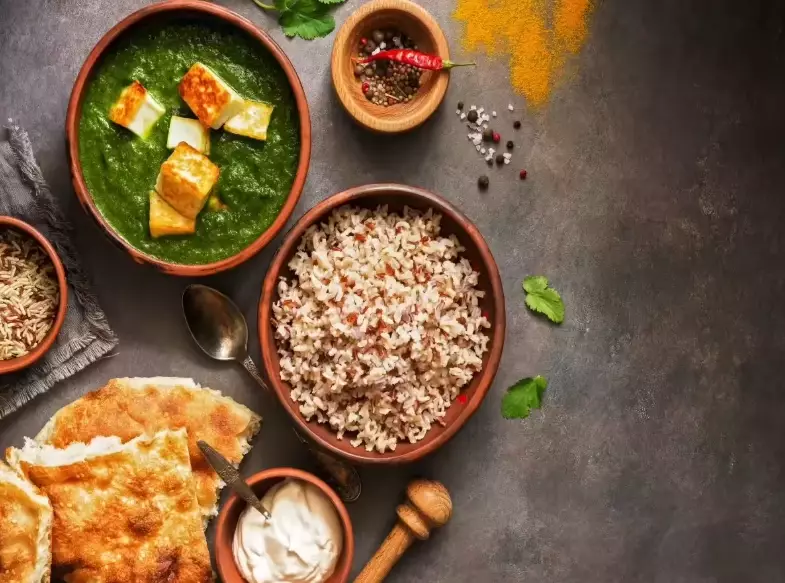
How to Maximize Protein in Your Indian Cooking
It's not just about the recipes; how you cook matters. Here are pro tips from my experience.
First, pair wisely. Combine legumes with grains. For example, eat dal with rice or roti to get all essential amino acids. It's a simple trick that boosts protein quality.
Second, use whole spices instead of powders when possible. They retain more nutrients and add depth. Toast cumin seeds before adding—it enhances flavor without extra salt or oil.
Third, don't skip the tadka (tempering). But use less oil. A teaspoon of ghee or oil is enough to bloom spices. Many recipes call for tablespoons, which just adds empty calories.
Here's a non-consensus view: soaking lentils overnight isn't always better. For dishes like dal, a quick 30-minute soak preserves texture and reduces cooking time. Overnight soaking can make them too soft, losing some protein structure.
Also, consider protein supplements in cooking. I sometimes add a scoop of unflavored protein powder to smoothies or even knead it into roti dough. It's invisible but boosts intake—great for athletes.
Common Mistakes and Expert Fixes
I've seen beginners make these errors repeatedly. Avoid them to save time and nutrients.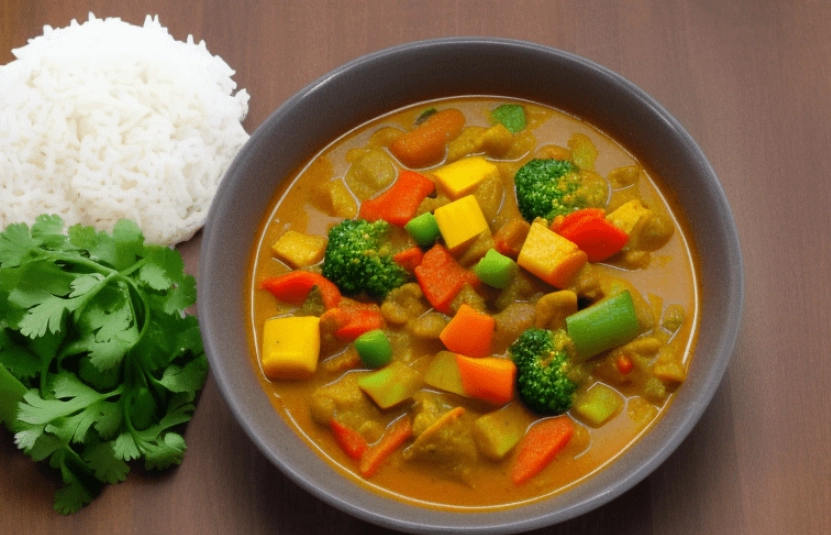
Mistake 1: Overcooking legumes until they're mush. It kills texture and can reduce protein digestibility. Fix: Cook lentils just until tender—about 20-25 minutes for most dals. Use a timer.
Mistake 2: Using too much oil in tempering. It makes dishes greasy and adds unnecessary fat. Fix: Measure oil with a spoon. One teaspoon is plenty for most tempering. Heat it well before adding spices to extract maximum flavor.
Mistake 3: Skipping acid. Tomatoes or lemon juice at the end help absorb iron from legumes, which aids protein synthesis. Fix: Always add a squeeze of lemon or a tomato base.
Mistake 4: Not balancing meals. Eating just dal without carbs or veggies limits overall nutrition. Fix: Plate with a grain, a protein dish, and a vegetable side. For instance, chana masala with brown rice and a cucumber salad.
I learned this the hard way—once I made dal so watery it was like soup. Now I keep the water ratio tight: 3 cups water for 1 cup lentils.
Your Questions Answered
That wraps it up. Start with one recipe, tweak it to your taste, and build from there. Indian cooking is forgiving—don't stress over perfect measurements. The key is to enjoy the process and fuel your body well. Happy cooking!
Discussion