Key Insights
- Why Indian Cuisine is a Natural Fit for Weight Management
- The Golden Rules: How to Structure Your Indian Meals for Weight Loss
- Your Go-To Indian Food for Weight Loss: The Ultimate A-List
- What to Avoid: The Calorie Bombs Disguised as Indian Food
- A Sample Week of Indian Meals for Weight Loss
- Answering Your Burning Questions (FAQs)
- Putting It All Together: Your Action Plan
Let's get one thing straight right off the bat. When you think of Indian food for weight loss, what pops into your head? Is it bland, boring plates of steamed vegetables? Or maybe you're worried it's all creamy curries and buttery naan that'll derail any diet. I get it. I used to think the same way. But after digging into the real principles of Indian home cooking and talking to nutritionists, my perspective flipped completely. The truth is, traditional Indian cuisine is a hidden goldmine for anyone looking to shed pounds without feeling deprived. Seriously, it’s one of the most flavorful and satisfying ways to eat healthy.
The secret isn't in some exotic, hard-to-find ingredient. It's in the foundational approach. Indian meals are built around legumes, vegetables, whole grains, and a symphony of spices that do more than just add taste. This isn't about finding a single "magic" dish. It's about understanding the framework that makes Indian food for weight loss not just possible, but genuinely enjoyable and sustainable for the long haul. Forget the restaurant-style heavy meals. We're talking about the everyday food cooked in homes across India.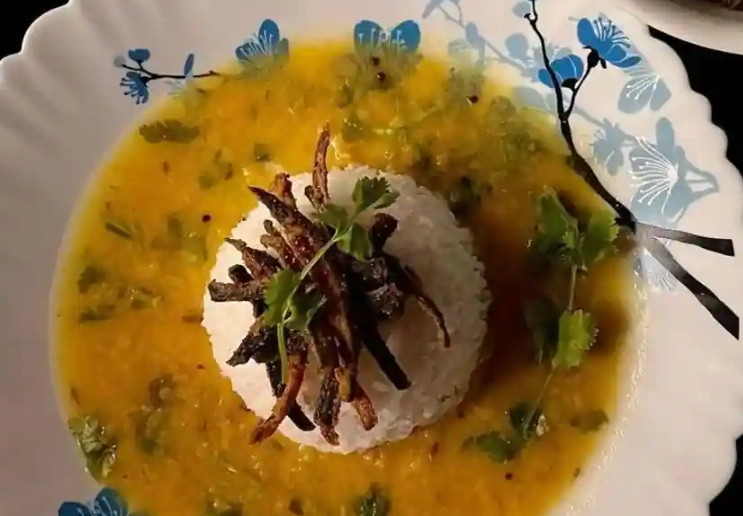
Why Indian Cuisine is a Natural Fit for Weight Management
You might wonder why this particular cuisine gets so much hype for health. It's not a fad diet. The principles align almost perfectly with what modern nutrition science recommends for sustainable weight loss. Think about it. The classic Indian thali (plate) is a perfect example of portion-controlled, balanced eating. You get a little bit of everything: dal (lentils) for protein and fiber, a vegetable dish, a small portion of whole grains like roti or brown rice, maybe some yogurt. It’s variety and balance on a single plate.
Then there's the spice factor. This is where Indian food for weight loss really shines. Turmeric contains curcumin, which some research suggests has anti-inflammatory properties. Inflammation can sometimes be linked to weight struggles. Cumin and coriander aren't just flavor enhancers; they've been used in Ayurveda for centuries to aid digestion. A sluggish digestive system can make weight loss feel like an uphill battle. Fenugreek seeds? They might help with blood sugar control, which is crucial for managing cravings. While more research is always needed, the historical use and preliminary studies are promising. For a deeper dive into the science of spices, resources like the Harvard T.H. Chan School of Public Health's nutrition source often discuss bioactive compounds in foods, which includes many common Indian spices.
But here's the personal bit. When I switched to eating more home-style Indian meals, the biggest change wasn't the number on the scale first—it was how I felt. I wasn't constantly hungry or thinking about my next snack. The meals were satisfying. The complex flavors from the spices meant my taste buds were happy, and the fiber from the lentils and vegetables kept my stomach quiet for a long time. That psychological win is huge when you're trying to change your eating habits.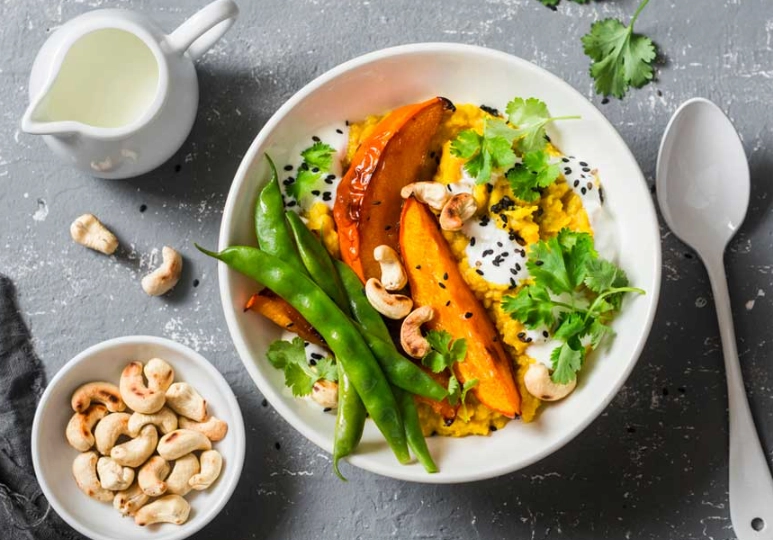
The Golden Rules: How to Structure Your Indian Meals for Weight Loss
Okay, so you're convinced to give it a try. Where do you start? You can't just eat anything labeled "Indian" and expect results. You need a game plan. These aren't strict rules, but more like guiding principles I've found incredibly effective.
Prioritize Protein and Fiber at Every Meal
This is non-negotiable. The goal is to build your meal around a protein source and a fiber source. In the Indian context, this is beautifully simple.
- Protein Powerhouses: Lentils (masoor dal, moong dal), chickpeas (chana), kidney beans (rajma), black gram (urad dal), and paneer (cottage cheese). A bowl of dal is a weight loss superstar.
- Fiber Champions: All non-starchy vegetables (spinach, okra, cauliflower, peppers, eggplant), along with the lentils and beans themselves. Don't forget salads like kachumber (cucumber, tomato, onion).
When your plate has these two, you've already won half the battle against hunger.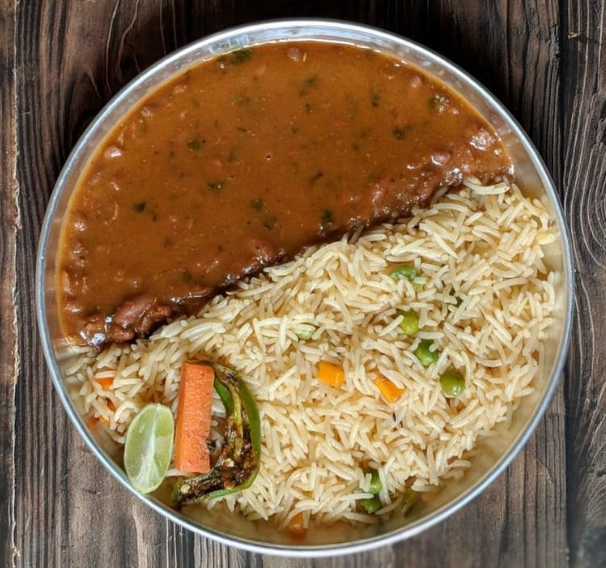
Be Smart About Your Carbs
Carbs aren't the enemy. The type and quantity are what matter. Swap out refined grains for whole grains whenever you can.
- Great Choices: Whole wheat roti or chapati, jowar (sorghum) roti, bajra (pearl millet) roti, brown rice, quinoa, or even a small serving of oats.
- Limit or Rethink: White rice, naan (typically made with maida/refined flour), and fried breads like puri or paratha (unless occasionally and made with whole wheat).
My personal trick? I often have one roti instead of two, and I load up my plate with extra sabzi (vegetables) and dal. Sometimes, I'll even skip the grain altogether and have my curry with a big side salad. It's about finding what keeps you full.
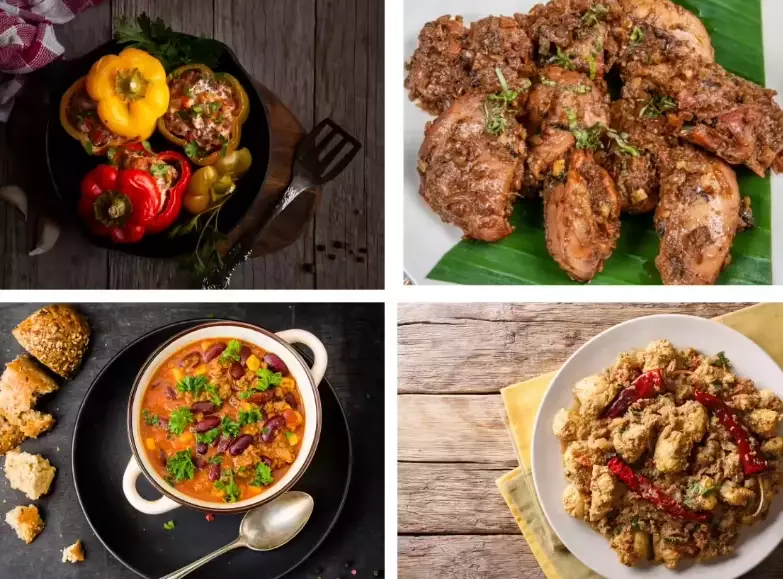
Master the Art of "Light" Cooking
This is the biggest shift from restaurant to home cooking. Restaurant food uses staggering amounts of oil, butter (ghee), and cream to achieve that rich, addictive taste. Home cooking doesn't need to.
- Sauté, Don't Deep Fry: Use a non-stick pan and a spray or teaspoon of oil to sauté your spices and onions.
- Tomato-Based > Cream-Based: Choose curries with a tomato, onion, and yogurt base (like a basic curry or kadhai style) over creamy makhani or malai sauces.
- Roast and Grill: Tandoori-style cooking is fantastic. Marinate chicken, fish, or paneer in spices and yogurt and bake or grill it. The flavor is insane, and the fat content is low.
- Use Yogurt, Not Cream: To add a touch of creaminess, use hung curd (strained yogurt) instead of fresh cream. It adds tang and protein with far fewer calories.
I messed this up at first. I'd pour oil like my grandma did (bless her heart, her food was amazing). My "healthy" curry was probably swimming in 300 extra calories. Now I measure. One to two tablespoons of oil for an entire pot that serves four is plenty.
Your Go-To Indian Food for Weight Loss: The Ultimate A-List
Let's get specific. Here’s a breakdown of the absolute best dishes and ingredients to focus on. Think of this as your shopping and cooking checklist.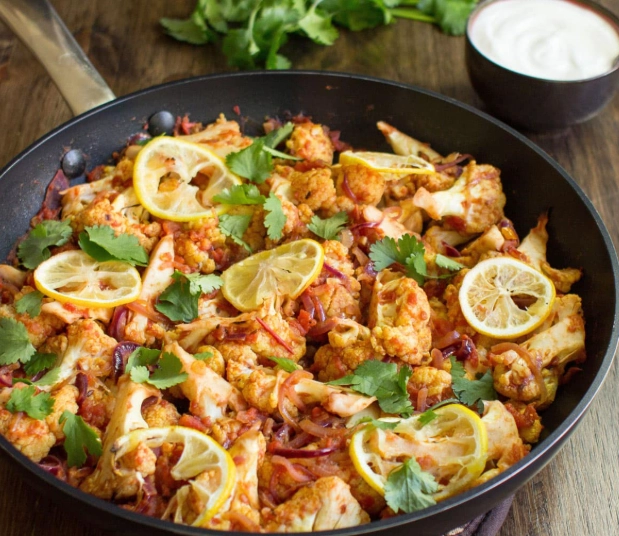
| Food Category | Top Picks for Weight Loss | Why They Work | Watch Out For |
|---|---|---|---|
| Dals & Legumes | Moong Dal (yellow lentils), Masoor Dal (red lentils), Chana Dal (split chickpeas), Whole Black Gram (Sabut Urad) | Extremely high in protein and fiber, low in fat, incredibly filling. Stabilize blood sugar. | Overdoing the tadka (tempering) with too much ghee/oil. Keep it light. |
| Vegetables | Leafy Greens (Saag), Okra (Bhindi), Cauliflower (Gobi), Bottle Gourd (Lauki), Bitter Gourd (Karela) | Low in calories, high in volume and nutrients. Dishes like bhindi masala or lauki ki sabzi are classic healthy staples. | Vegetable dishes that are deep-fried first (like pakora-style curries) or cooked with excessive oil. |
| Proteins | Grilled Tandoori Chicken/Fish, Chana Masala (chickpea curry), Rajma (kidney bean curry), Paneer Tikka (grilled) | Builds and preserves muscle mass during weight loss, boosts metabolism through the thermic effect of food. | Paneer in heavy gravies, fried fish/chicken pakora, meat cooked in rich korma sauce. |
| Grains | Whole Wheat Roti, Jowar/Bajra Roti, Brown Rice, Quinoa Upma, Oats Dhokla | Provide sustained energy, more fiber, and keep you fuller longer than refined counterparts. | Naan, paratha (especially if fried), white rice, refined flour (maida) items. |
| Spices & Herbs | Turmeric, Cumin, Coriander, Black Pepper, Fenugreek Seeds, Ginger, Garlic, Green Chilies | Add flavor without calories, potential metabolic and digestive benefits, reduce need for salt and fat. | Ready-made spice pastes that can be high in salt and preservatives. |
Look, I'm not a fan of bitter gourd (karela). I've tried. It's just too bitter for me. So I don't force it. I stick with bhindi and cauliflower, which I love. The point is to find the healthy foods in this cuisine that you genuinely enjoy. Sustainability is key.
What to Avoid: The Calorie Bombs Disguised as Indian Food
To make Indian food for weight loss work, you also need to know what to sidestep. This isn't about never having these foods again—it's about understanding they are treats, not everyday staples.
- Deep-Fried Everything: Samosas, pakoras, vada, bhajiya, puri. The oil absorption is massive.
- Rich, Creamy Curries: Butter Chicken (Murgh Makhani), Paneer Makhani, Malai Kofta, any "pasanda" or "korma" with a nut-and-cream base.
- Breads Made with Refined Flour: Naan, especially butter naan. It's often brushed with more butter after baking. Garlic naan is the same story.
- Dishes Loaded with Ghee or Oil: Some traditional recipes call for generous amounts of ghee for flavor. While ghee has its benefits, for weight loss, the calorie density is a major factor.
- Sweetened Yogurt Drinks & Desserts: Mango lassi (can be a sugar bomb), sweetened chaas, and desserts like gulab jamun, jalebi, or kheer. The sugar content is extremely high.
I have a weakness for a good samosa. My approach? I might have one as a very rare treat, and I'll pair it with a huge salad to fill up first. Or, I'll try a baked version at home. Denial often leads to binging, so smart strategy beats strict prohibition.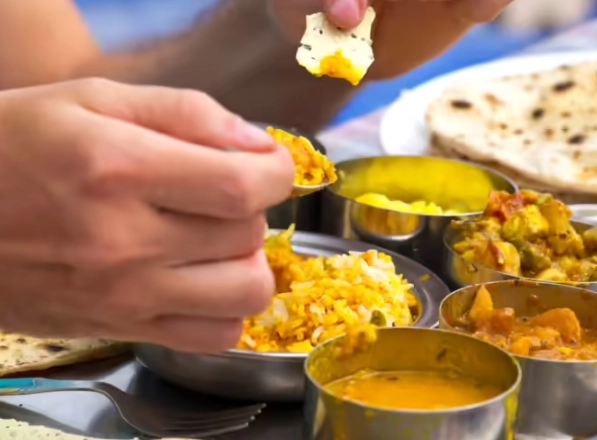
A Sample Week of Indian Meals for Weight Loss
Seeing it on paper helps. This is a rough sketch of how you can mix and match. Remember, portion size is personal. Listen to your hunger cues.
- Monday: Breakfast - Moong dal chilla (savory lentil pancake) with mint chutney. Lunch - 1-2 whole wheat rotis with bhindi masala and a bowl of masoor dal. Dinner - Chicken saag (spinach curry) with a small side of brown rice.
- Tuesday: Breakfast - Vegetable upma made with semolina or quinoa. Lunch - Leftover chicken saag over a big salad. Dinner - Chana masala (chickpea curry) with 1 roti and cucumber raita.
- Wednesday: Breakfast - A smoothie with yogurt, spinach, banana, and a pinch of cardamom. Lunch - Rajma (kidney bean curry) with a small portion of brown rice and a side of kachumber. Dinner - Tandoori fish (baked) with roasted cauliflower and bell peppers.
- Thursday: Breakfast - Poha (flattened rice) with peanuts and peas. Lunch - Large salad with leftover tandoori fish and chickpeas. Dinner - Lauki ki sabzi (bottle gourd curry) and moong dal with 1 roti.
- Friday: Breakfast - Scrambled eggs with onions, tomatoes, and green chilies. Lunch - Mixed vegetable sambar (lentil and vegetable stew) with a small serving of brown rice. Dinner - Paneer tikka (grilled) with sautéed mushrooms and onions.
See the pattern? Protein + Veggies + (smart carb). Snacks could be a handful of roasted makhana (fox nuts), a piece of fruit, or some buttermilk (chaas—unsweetened!).
Answering Your Burning Questions (FAQs)
Putting It All Together: Your Action Plan
So, where do you begin tomorrow?
First, take a look in your pantry. Do you have any lentils? If not, grab a bag of moong dal or masoor dal. They cook fast. Get some basic spices: turmeric powder, cumin seeds, coriander powder, and red chili powder. That's your starter kit.
Second, plan one "Indian food for weight loss" meal for tomorrow. Maybe it's a simple lunch of chana masala from a can (drain and rinse it well!) that you simmer with tomatoes, onions, and your new spices. Have it with a whole wheat tortilla if you don't have roti. Or make a big batch of vegetable sambar over the weekend.
The beauty of using Indian food for weight loss is that it doesn't feel like a diet. It feels like eating delicious, hearty, comforting food. You're not counting every leaf of lettuce; you're savoring complex flavors and feeling truly nourished. That's a lifestyle you can maintain. And when you can maintain it, the weight loss follows naturally and stays off.
It's not magic. It's just smart, traditional eating applied with a modern understanding of nutrition. Give it a honest try for a few weeks. Your taste buds—and your waistline—might just thank you.
Discussion