Let's get one thing straight. You don't need to be an expert to cook incredible vegan Indian food at home. The best Indian vegan recipes aren't about fancy techniques or hard-to-find ingredients. They're about understanding a few core principles and then letting the spices do the work. I've spent years tweaking family recipes and restaurant favorites to make them dairy-free without losing an ounce of flavor. The result? Dishes that are often richer, lighter, and more vibrant than their traditional counterparts.
Think about it. Indian cuisine has a massive vegetarian foundation. Dishes built on lentils, chickpeas, potatoes, and vegetables are already halfway there. The real trick is replacing dairy elements like ghee, yogurt, and cream in a way that adds depth, not just mimics. That's where most online recipes fall short. They tell you to use coconut milk for everything, which can make every dish taste vaguely tropical. We can do better.
Here's What You'll Find Inside
Why Indian Cuisine is Naturally Vegan-Friendly
It's not an accident. Centuries of dietary traditions across the subcontinent have created a treasure trove of plant-based dishes. From the protein-packed dals of the north to the coconut-based stews of the south, meat and dairy were often luxuries, not staples. This built a cuisine where vegetables and legumes are the stars, not sidekicks.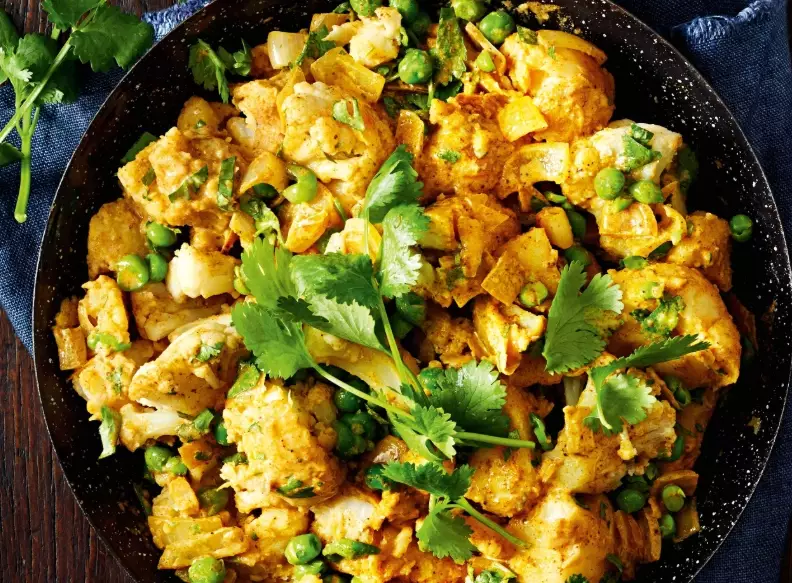
Take Chana Masala. It's inherently vegan—chickpeas simmered in a tangy tomato gravy. The creaminess in a restaurant Palak Paneer? That comes from blending the spinach thoroughly and using cream or paneer. For a vegan version, we achieve that silkiness with cashews. The flavor blueprint of toasted cumin, ginger, and garam masala remains untouched. That's the secret: we're not reinventing the wheel, just swapping the axle grease.
Your Spice Arsenal: The Flavor Foundation
You don't need fifty jars. Start with these six. Buy them whole if you can, toast them lightly, and grind small batches. The difference in fragrance is night and day compared to pre-ground dust that's been sitting on a shelf for years.
| Spice | Form to Buy | Its Superpower in Vegan Cooking |
|---|---|---|
| Cumin Seeds | Whole seeds | Provides an earthy, warm base note. Toasting is non-negotiable. |
| Coriander Seeds | Whole seeds | Adds a citrusy, floral backbone. Balances heat. |
| Turmeric Powder | Ground | Gives color and a subtle earthy bitterness. Anti-inflammatory bonus. |
| Garam Masala | Ground (or make your own) | The finishing spice blend. Adds warming complexity (cinnamon, cardamom, cloves). Add at the end of cooking. |
| Kashmiri Red Chili Powder | Ground | Provides vibrant red color and mild heat, not searing spice. |
| Black Mustard Seeds | Whole seeds | Used for tempering (tadka). They pop in hot oil, releasing a nutty, pungent aroma essential for dals and South Indian dishes. |
A quick story. I used to add my ground spices at the same time. Everything tasted flat. An old auntie pointed out I was burning the delicate garam masala. Now, I toast the hardy seeds (cumin, coriander) first, add ground turmeric and chili powder with the liquids, and stir in garam masala in the last two minutes of cooking. The flavor transformation was ridiculous.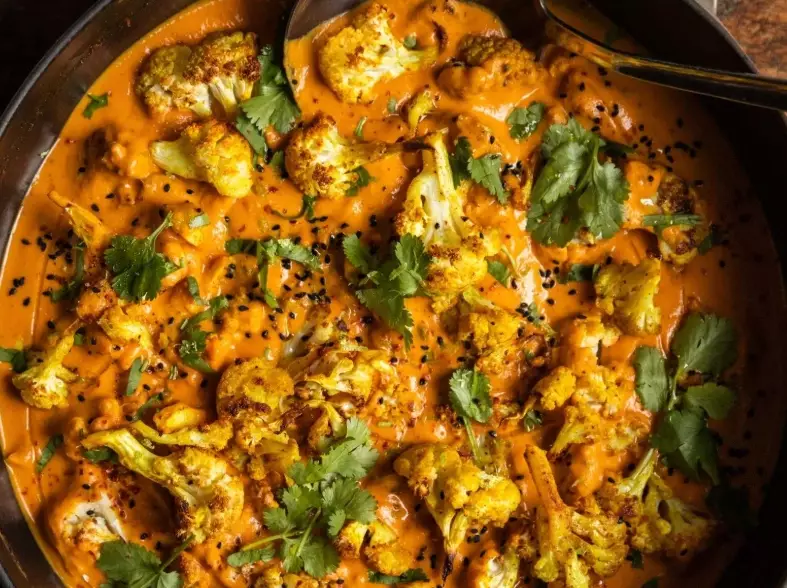
5 Must-Make Vegan Indian Recipes (That Actually Work)
These aren't just a list. They're a progression, from a "can't mess it up" curry to a show-stopping biryani. Each one teaches you a core technique.
1. Creamy Cashew & Pea Curry (Vegan "Matar Paneer")
This is your gateway recipe. It's rich, satisfying, and comes together in one pan. The cashew paste is the magic—it mimics the richness of cream and the soft bite of paneer cheese.
What you'll learn: Making and using a nut paste for creaminess.
Key Ingredients: Raw cashews, frozen peas, tomatoes, ginger, garam masala.
The Shortcut: Soak the cashews in boiling water while you chop everything else. Blend them until completely smooth—gritty paste ruins the texture.
2. Classic Chana Masala (Chickpea Curry)
The ultimate pantry meal. This recipe skips the canned "Chana Masala" spice mix, which is mostly salt and filler. We build the flavor from scratch. The tang from dried mango powder (amchur) or a squeeze of lemon at the end is critical. It cuts through the richness.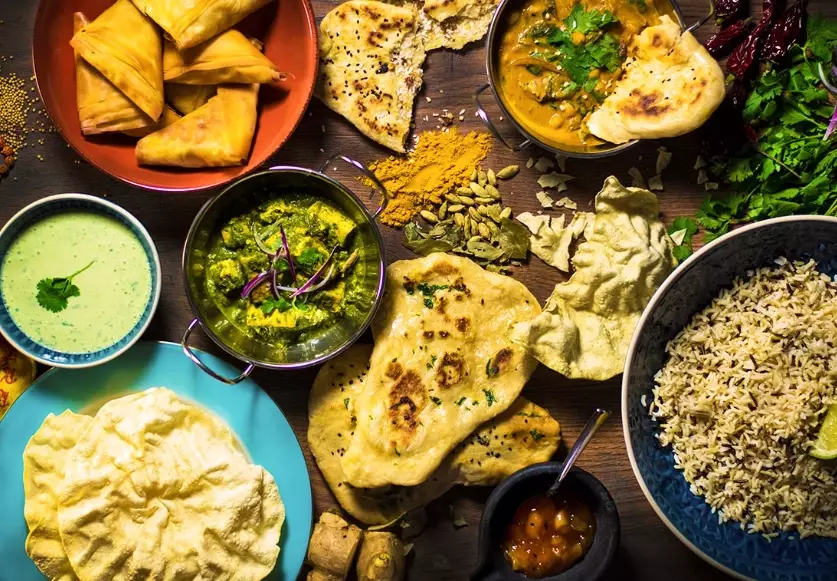
3. Crispy Aloo Tikki (Spiced Potato Patties)
Street food at home. Boil and mash potatoes, mix in peas, coriander, and cumin, then pan-fry until golden. The common error? Using wet potatoes. After boiling, spread them on a plate for 10 minutes to steam off excess moisture. Your tikkis won't fall apart.
4. Lentil & Spinach Dal (Vegan Dal Palak)
Comfort in a bowl. Use red lentils (masoor dal) for quick cooking. Blend half the cooked lentils to thicken the dal, and stir in chopped fresh spinach at the very end. The tadka (tempering) of mustard seeds, cumin, and dried red chilies sizzled in oil and poured on top is non-negotiable for authentic aroma.
5. One-Pot Vegetable Biryani
It seems complex, but it's just layered cooking. Sauté spices and veggies, add rinsed basmati rice and water, then let it steam on low heat. The pro move? Fry sliced onions until deep brown and crispy for garnish. They add a sweet, crunchy contrast. Don't stir after adding the rice—you'll make mush.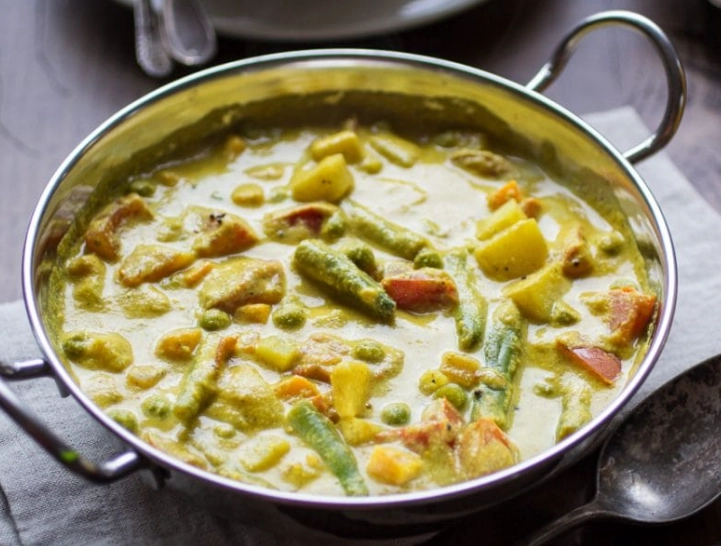
The 3 Mistakes That Sabotage Vegan Indian Food
I've eaten (and made) my share of bland, oily, or weirdly sweet vegan curries. Here's what usually goes wrong.
Mistake 1: Under-toasting the spices. Adding cumin seeds to oil and waiting 10 seconds isn't enough. Toast them until they darken a shade and smell incredibly fragrant. This "blooming" releases their essential oils. It's the single biggest flavor lever you have.
Mistake 2: Using raw ginger-garlic paste. That jarred paste? It often has a sharp, raw bite. Instead, grate fresh ginger and garlic and sauté them in the oil after the seeds pop but before adding tomatoes or powder spices. Cook until the raw smell disappears (about 1-2 minutes). It mellows and sweetens them.
Mistake 3: Skipping the acid.
Dairy often provides a slight tang. Without it, flavors can taste one-dimensional. Always finish with a squeeze of lemon juice, a pinch of amchur powder, or even a dash of tomato paste. It brightens the entire dish.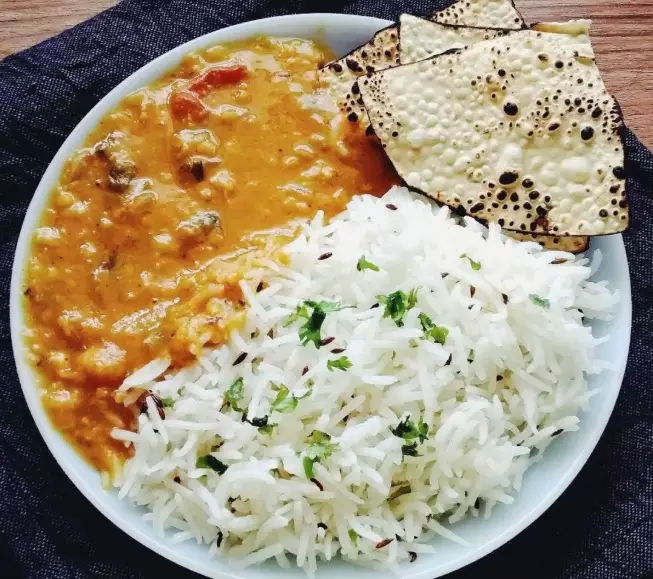
Your Vegan Indian Cooking Questions, Answered
The journey to making the best Indian vegan recipes is really about trusting the process. Start with one dish, master the spice bloom, and don't fear the blender for that creamy texture. Before you know it, you'll be improvising with whatever vegetables are in your fridge, toasting spices by smell, and creating food that's deeply satisfying and uniquely yours. That's the real goal—not just following a recipe, but making the cuisine your own.
Discussion