Let's be honest. Figuring out what to make for a vegetarian Indian lunch that's satisfying, healthy, and doesn't take all morning can feel like a puzzle. You're tired of the same old dal-routine, but the thought of complex gravies and a mountain of dishes is enough to order takeout.
It doesn't have to be that way.
I've spent years in my kitchen, and hosting friends, figuring out the sweet spot between authentic flavor and weekday practicality. The secret isn't in a magic ingredient, but in a handful of reliable recipes and a few game-changing strategies. This guide is about building a delicious, nutritious vegetarian Indian lunch from the ground up, without the stress.
What's Inside?
The Core Dishes: Your Lunch Foundation
Think of these as your reliable anchors. Master a few from this list, and you can mix and match endlessly. I've included a quick-reference table because seeing the practical details helps you plan.
| Dish | Key Ingredients | Prep & Cook Time | Why It Works for Lunch |
|---|---|---|---|
| Palak Paneer | Spinach, paneer, onions, tomatoes, basic spices (cumin, garam masala) | ~30 mins | Packed with iron, creamy without heavy cream (if you do it right), pairs perfectly with roti or rice. The spinach cooks down surprisingly fast. |
| Chana Masala | Chickpeas (canned or pre-cooked), onions, tomatoes, tea bag or amchoor (dry mango powder) for tang | ~25 mins | High-protein, fiber-rich, and incredibly forgiving. The flavor deepens if made ahead, making it ideal for meal prep. |
| Vegetable Biryani (One-Pot) | Basmati rice, mixed veggies (carrots, peas, beans), yogurt, biryani spices, fried onions | ~40 mins | A complete meal in one pot. The layering technique seems fancy but is just assembly. Leftovers taste even better. |
| Rajma | Red kidney beans, onion-tomato gravy, ginger-garlic, cumin, coriander powder | ~30 mins (with canned beans) | The ultimate comfort food. Hearty, nutritious, and the thick gravy clings wonderfully to rice. A north Indian staple for a reason. |
| Aloo Gobi | Potatoes, cauliflower, peas, turmeric, cumin, coriander | ~30 mins | Dry sabzi that travels well. Doesn't get soggy. Perfect for stuffing in a wrap or having with pooris. Simple, homely, and always satisfying. |
Let's Talk About Palak Paneer for a Second
Most recipes get one thing wrong: they boil the spinach. You should blanch it—a quick dip in boiling water followed by an ice bath. This locks in that vibrant green color. No one wants grey-green palak. Also, don't just cube and add the paneer. Pan-fry the cubes until golden on at least two sides. That slight crust prevents them from turning mushy in the gravy and adds a textural contrast that's completely missed in restaurant versions.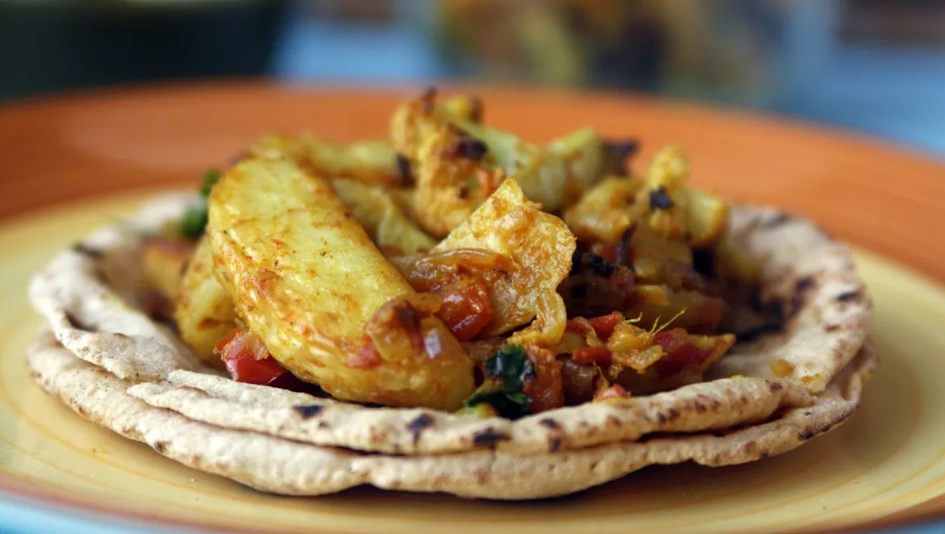
My weekday shortcut? I use frozen chopped spinach. The quality is consistent, it's already cleaned, and it works perfectly fine when you're in a rush. The flavor difference is minimal if you boost your tadka (tempering) with an extra clove or two of garlic.
The Unsung Hero: Dry Sabzis
While curries are great, don't underestimate the power of a well-made dry vegetable dish like Bhindi Masala (okra) or Green Beans Sukha. They cook faster (no simmering gravy), use less oil, and are excellent for packing in lunchboxes. The key with okra is to wash and dry it thoroughly before chopping. Any moisture leads to slime. I often make a big batch on Sunday, and it stays good for 2-3 days, making for an instant side dish.
Beyond the Recipe: Pro Strategies for Easy Lunches
Recipes are half the battle. The other half is strategy. Here’s how you make these ideas work in real life.
The Sunday Prep Session (It's Not What You Think): I don't cook full meals on Sunday. Instead, I do the foundational work: 1) Chop onions, tomatoes, ginger, garlic for the week and store in separate airtight containers. The time saved on weekdays is massive. 2) Cook a big pot of beans or lentils (rajma, chana, whole moong). They freeze beautifully in portion-sized bags. 3) Make a basic ginger-garlic-green chili paste. This paste is a flavor bomb that cuts down chopping time on busy nights.
Another thing? Balance your plate. A good vegetarian Indian lunch isn't just one curry. Think in components:
- Main Protein/Vegetable: Your dal, rajma, chana, or paneer dish.
- Dry Vegetable: A simple stir-fried veg like cabbage or zucchini.
- Carb: Roti, rice, or quinoa.
- Accompaniment: A dollop of yogurt/raita, a pickle, or a simple salad (onion, cucumber, tomato with lemon).
This structure ensures nutrition and keeps things interesting. You don't need all four every day, but aiming for two or three creates a more complete meal.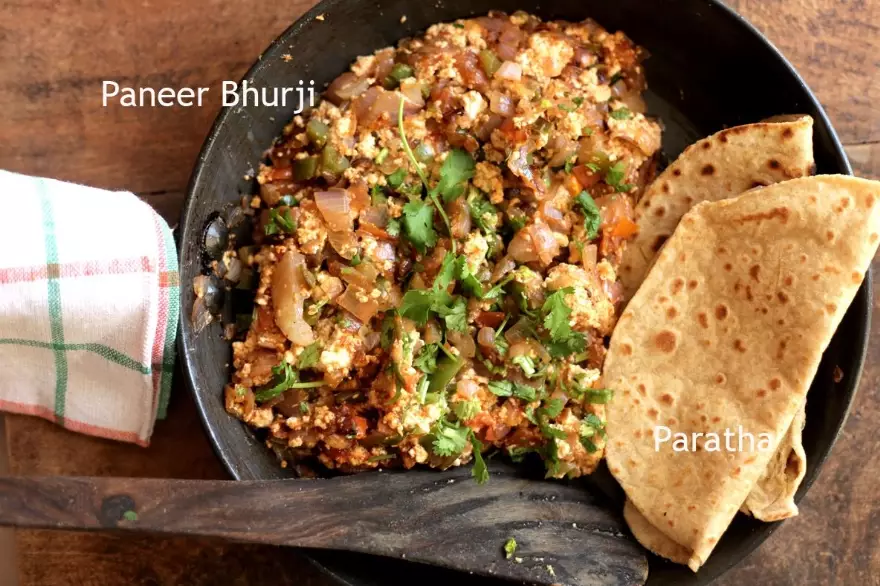
The Flavor Lever: Your Spice Box (Masala Dabba)
You don't need 50 spices. Start with the core five: cumin seeds, mustard seeds, turmeric powder, coriander powder, and red chili powder (or paprika for less heat). Garam masala is your finish line—add it in the last two minutes of cooking.
A common mistake is adding powdered spices to hot oil for too long. They burn in seconds, turning bitter. The technique? Lower the heat, add the spices, and stir for literally 10-15 seconds before adding your next ingredient (like onions or tomatoes). This toasts them without burning.
Your Vegetarian Indian Lunch Questions, Answered
Over the years, these are the questions that keep coming up. Let's tackle them head-on.
The goal isn't perfection. It's about getting a tasty, wholesome meal on the table without draining your energy. Start with one new recipe this week. Maybe it's that one-pot biryani, or giving rajma a try with canned beans. Get your components ready, play with the spices, and remember that even a simple dal-chawal with a good tadka is a beautiful, complete vegetarian Indian lunch.
It's all about building your own repertoire, one satisfying lunch at a time.
Discussion