Planning an Indian lunch for adults doesn't have to mean spending all day in the kitchen or ordering a mountain of takeout. The real trick is picking the right dishes—ones that are big on flavor but manageable on effort, that can be partly made ahead, and that create a satisfying, balanced spread. Forget the cliché of an overly heavy meal. A well-planned Indian lunch is vibrant, varied, and incredibly social. Let's cut to the chase and build a lunch that will impress your friends without causing you a pre-party meltdown.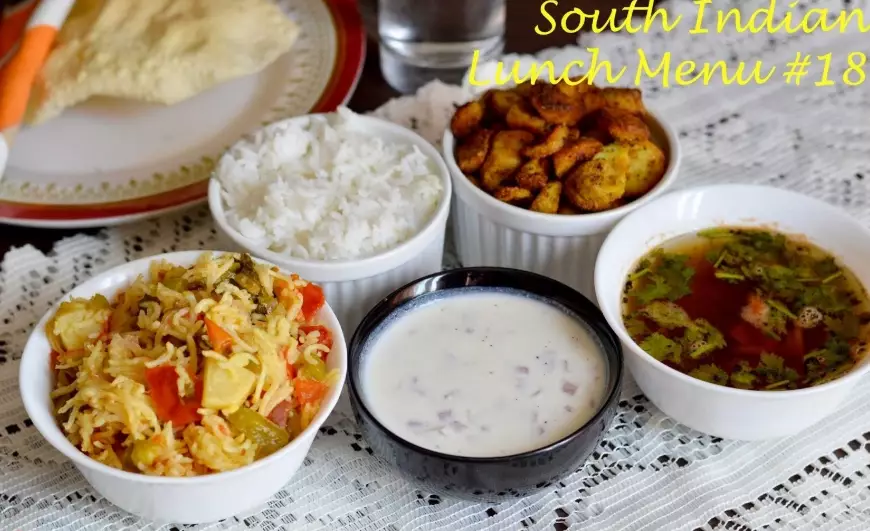
Your Quick Guide to This Article
Why Indian Food is a Perfect Lunch Choice
Think about it. The flavors are bold and exciting, which makes the meal feel like an event. Most curries and dals taste even better the next day, so you can prep ahead. And the structure—a main curry, a dal, rice, bread, and sides—is inherently shareable and interactive. It gets people talking, passing dishes, and customizing their plates. For a weekend gathering, a casual birthday lunch, or even a more refined potluck, it just works.
I remember trying to host a "fancy" Italian lunch once. Everything needed to be served immediately. The pasta got cold, the stress was high. With Indian food, I can have the Butter Chicken simmering gently, the dal ready to reheat, and I'm just warming up naan when guests arrive. The difference in host-experience is night and day.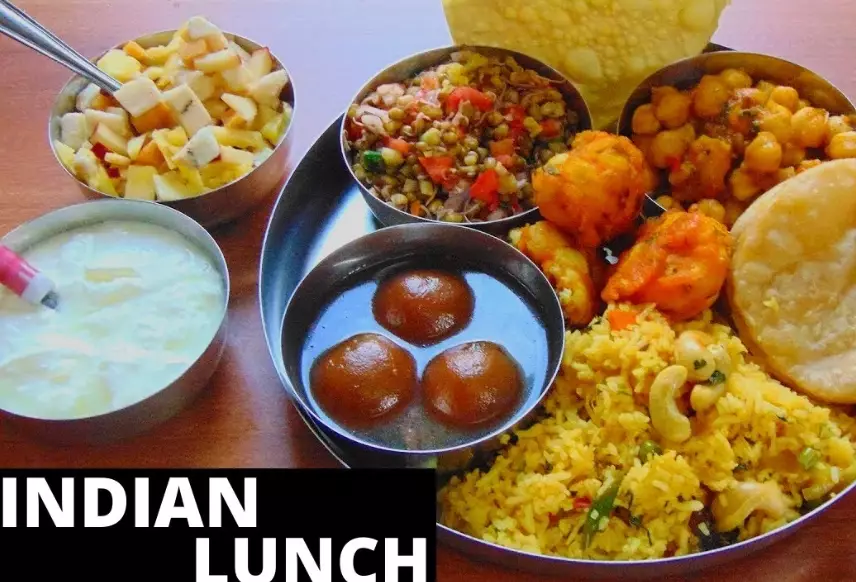
The Core Lunch Ideas: A Balanced Menu
Don't try to cook ten things. Focus on a few stellar dishes that complement each other. Here’s a breakdown of three foolproof pillars for your menu, balancing effort with massive flavor payoff.
| Dish Pillar | Perfect For | Key Flavor Profile | Make-Ahead Tip |
|---|---|---|---|
| Butter Chicken (Murgh Makhani) | Crowd-pleaser, mild yet rich | Creamy, tomato-based, aromatic | Make sauce & marinate chicken 1 day ahead. Cook together day-of. |
| Chana Masala (Chickpea Curry) | Vegetarian centerpiece, hearty | Tangy, spicy, earthy | Fully prepared 2 days ahead. Flavors meld beautifully. |
| Hyderabadi Vegetable Biryani | One-pot wonder, fragrant & complete | Layered, spiced rice with veggies | Assemble & par-cook 1 day ahead. Final steam before serving. |
Butter Chicken: The Unlikely Weekday Hero
Yes, it's on every menu, but there's a reason. When made at home, it's a different beast. The secret isn't just cream; it's the slow cooking of the tomato base and the yogurt-marinated chicken. Use boneless, skinless thighs—they stay juicy. A pro tip from an old recipe I follow: add a small handful of raw, soaked cashews when blending the tomato sauce. It adds a subtle richness and helps thicken the gravy without making it overly heavy. You can blend the tomato-onion-spice gravy two days in advance. On the day, cook your marinated chicken (grill or pan-fry for best texture), then combine with the gravy and finish with cream.
Chana Masala: The Flavor Powerhouse
This is where canned chickpeas are your best friend. The work is in the sauce. The non-negotiable step? Dry roasting whole cumin and coriander seeds before grinding them. That 90-second step adds a deep, nutty aroma you can't get from pre-ground spices. Use black tea or a tiny bit of amchur (dry mango powder) for that authentic tang. This dish is practically designed for making ahead. It freezes wonderfully too.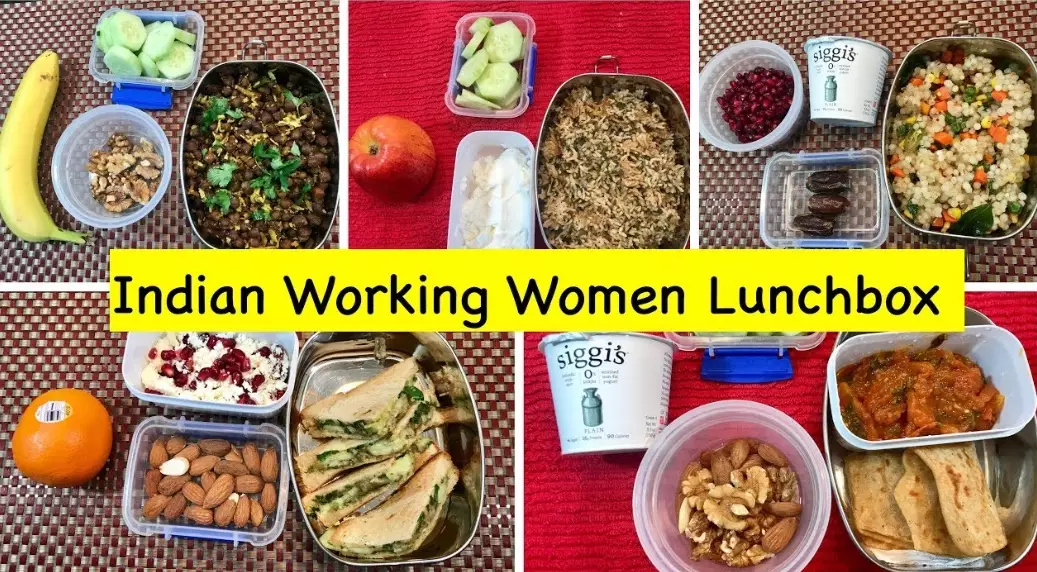
Hyderabadi Vegetable Biryani: The Showstopper
People think biryani is hard. The layering technique seems fussy. But for a lunch, it's genius. You get your spiced rice and vegetables in one dish. The key is par-boiling the basmati rice until it's 70% cooked. Layer it with semi-cooked veggies, fried onions, mint, and saffron milk. Then, the "dum" (steam) method. You can do the layering in the pot the night before, cover it tightly, and keep it in the fridge. Next day, let it come to room temp, then steam on low heat for 25 minutes. The result is fragrant, every grain separate, and it feels incredibly special.
How to Build the Complete Lunch Spread
One curry alone isn't a lunch. It's the combination that creates the experience. Here’s how to think like a host, not just a cook.
The Carb Foundation: You need both rice and bread. Plain steamed basmati rice is perfect. For bread, don't kill yourself making naan from scratch unless you love to bake. Store-bought naan or parathas warmed in the oven or on a tava work great. Even better, offer a simple roomali roti or plain paratha.
The Supporting Cast (This is crucial):
- Raita: A must. Grate cucumber, whisk with thick yogurt, add a pinch of roasted cumin powder and salt. It's a cooling counterpoint.
- Kachumber Salad: Diced cucumber, tomato, onion, cilantro with a squeeze of lemon. It adds fresh crunch.
- Something Crispy: Papadums fried quickly or roasted poppadums. They add texture and fun.
- Chutneys: One sweet (mango), one herby (mint-cilantro), one tangy (tamarind). Small bowls in the center.
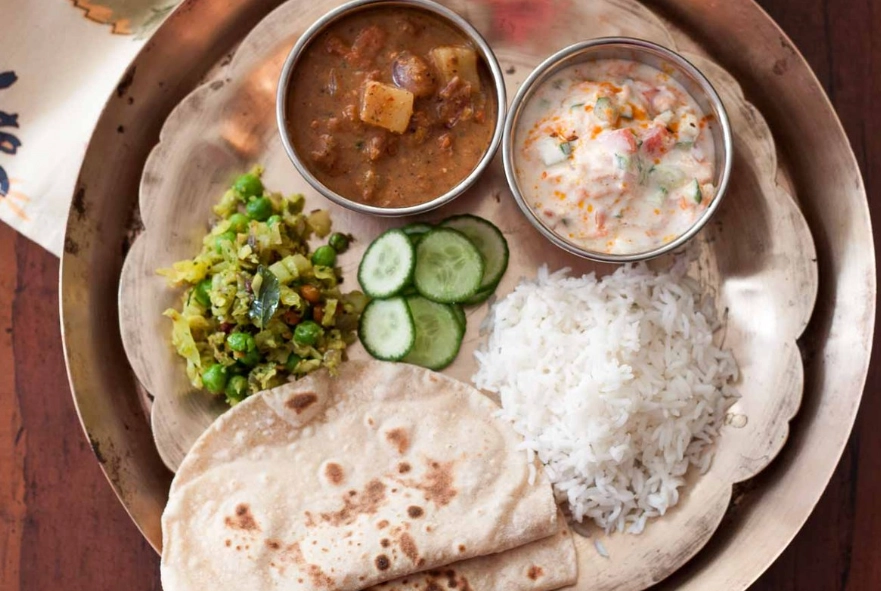
See how that works? Creamy curry, fluffy rice, warm bread, cool raita, crunchy salad, crispy papad. Every bite can be different. Set it all out in the middle of the table and let people serve themselves.
Common Mistakes & How to Sidestep Them
After cooking these meals for years and watching others do it, I see the same patterns.
Mistake 1: The Spice Blitz. Adding all your chili powder at once with the other spices. Heat builds. Add half at the cooking stage, then taste and adjust at the end. You can always add more, but you can't take it out. Have plain yogurt on hand to rescue if you go too far.
Mistake 2: Undercooked Onions. This is the big one. That instruction to cook onions "until golden brown"? It's not a 5-minute job on high heat. On medium-low, it takes 15-20 minutes for onions to properly caramelize, sweeten, and melt into the oil. This is the base of your flavor. Rushing it gives you a raw, bitter undertone. Be patient here.
Mistake 3: Skipping the Finish. A curry isn't done when it's cooked. It's done 10 minutes later, after it's sat off the heat. The flavors settle and marry. Always budget this resting time. Right before serving, finish with a "tadka"—heat a tablespoon of ghee or oil, throw in a teaspoon of cumin seeds and a dried red chili until they sizzle, then pour this over your dal or curry. The aroma explosion is unreal.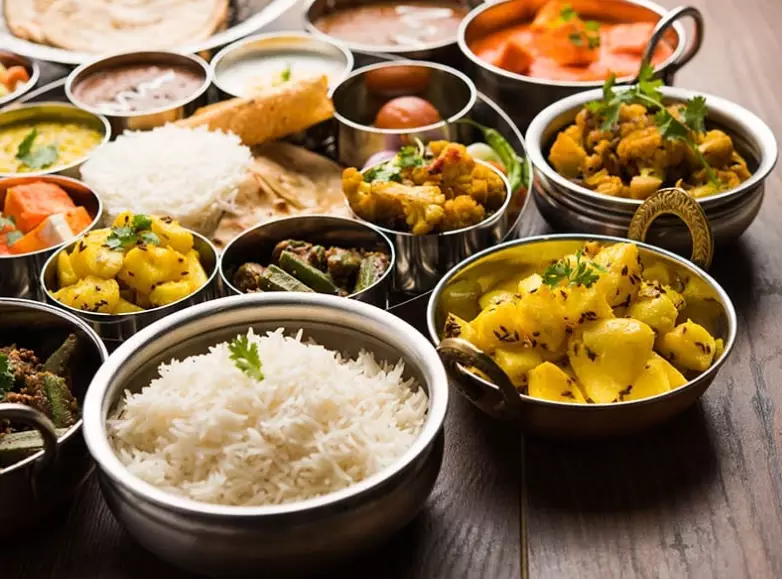
Your Questions, Answered
 So, there you have it. It's not about mastering every Indian recipe. It's about choosing two or three, understanding how they fit together, and using time smartly. Prep your bases ahead, focus on nailing the core techniques like caramelizing onions and tempering spices, and don't forget the supporting acts like raita and salad. Your lunch will be a hit, and you might actually enjoy your own party.
Discussion