Let's be honest. When you think "healthy Indian vegetarian recipes," you might picture bland boiled lentils and steamed cauliflower. Or worse, you think of the heavy, oily dishes from your local restaurant that leave you in a food coma. I did too, for years. I loved the flavors but hated how I felt after. Then I spent a summer with a friend's grandmother in Chennai, watching her cook. That's when I realized the real, home-style Indian vegetarian diet is one of the most balanced, flavorful, and genuinely healthy ways to eat on the planet. It's not about deprivation. It's about smart combinations.
The secret isn't in fancy ingredients. It's in the logic of the plate: protein-rich lentils, fiber-packed vegetables, whole grains, and a symphony of spices that do more than just taste good. This guide cuts through the confusion. We're going back to basics, stripping away the unnecessary cream and oil, and focusing on recipes that nourish you.
Your Quick Guide to Healthy Indian Vegetarian Cooking
Why Indian Vegetarian Food is a Health Powerhouse (It's Not Just Curry)
Forget the Western idea of a "meal" centered on one main protein. Traditional Indian thali is a masterclass in nutritional balance. You have your dal (lentils) for protein and iron, a whole grain like roti or brown rice for sustained energy, a couple of vegetable dishes (sabzi) for vitamins and fiber, a side of yogurt (raita) for probiotics and calcium, and maybe a small salad or chutney. It's a complete, synergistic system.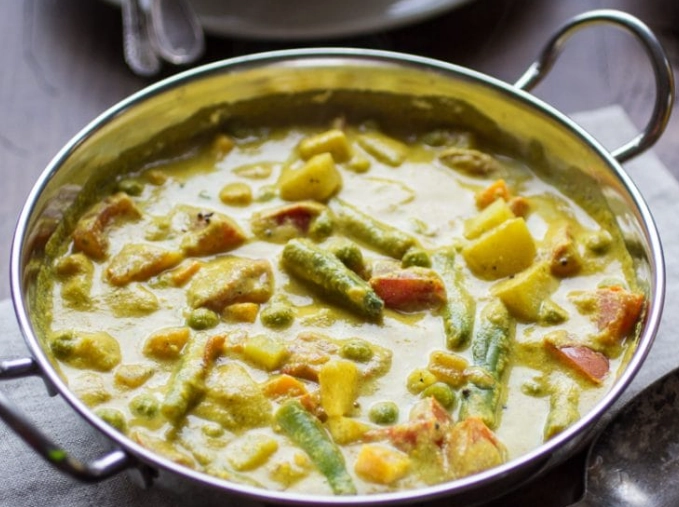
Most people get hung up on the fat content. Yes, ghee (clarified butter) and oil are used. But in home cooking, it's about tempering—using a small amount of hot fat to bloom whole spices at the start, which infuses the entire dish with flavor so you don't need to drown it in sauce later. A tablespoon of ghee or cold-pressed mustard oil divided across four servings of dal is not a health crisis; it helps your body absorb fat-soluble vitamins from the vegetables.
The real magic, though, is in the spices. Turmeric isn't just for color. Its active compound, curcumin, is a potent anti-inflammatory. Cumin aids digestion. Coriander is loaded with antioxidants. Fenugreek can help regulate blood sugar. You're not just seasoning food; you're adding a layer of preventative medicine. A study published in the Journal of Nutrition & Food Sciences highlights how the traditional combination of spices in Indian cuisine contributes to its therapeutic potential.
My Aha Moment: I used to make dal by just throwing red lentils, water, and salt into a pot. It was... edible. My friend's grandma showed me the "tadka"—tempering cumin seeds, garlic, and dried red chilies in a spoonful of ghee and pouring it sizzling over the cooked lentils. The flavor explosion was unreal. That one technique, taking two extra minutes, transformed my cooking. It taught me that health and deep flavor aren't enemies.
5 Core Healthy Indian Vegetarian Recipes to Master
Start here. Don't try to cook an entire feast. Master one of these building blocks each week. They're forgiving, flexible, and form the backbone of countless meals.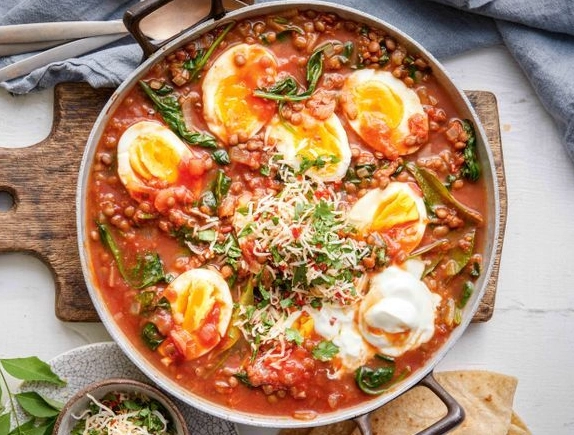
1. The Daily Dal: Your Protein Anchor
Dal is soul food. It's humble, hearty, and infinitely variable. The healthiest versions use less oil and focus on the lentils themselves.
Go-To Recipe: Moong Dal (Yellow Lentil Soup)
Split yellow moong dal cooks fast and is incredibly easy to digest. Rinse one cup of dal until the water runs clear. Cook it with 3 cups of water, a teaspoon of turmeric, and half a teaspoon of salt in a pressure cooker for 3 whistles or a pot for 25-30 minutes until mushy. Mash it slightly. Now, the tadka: heat a teaspoon of ghee or oil in a small pan. Add a teaspoon of cumin seeds, a pinch of asafoetida (hing), and two chopped garlic cloves. Let them sizzle for 30 seconds until fragrant, then pour this over the cooked dal. Stir, garnish with cilantro. Done.
Common Pitfall: Using old lentils. They take forever to cook and never get creamy. Buy from a store with good turnover.
2. The Versatile Sabzi: Spiced Vegetables
This is where you get your veggies in. The method is simple: sauté spices, add your main vegetable, cook until tender but not mushy.
Go-To Recipe: Bhindi Masala (Okra Stir-fry)
Okra gets a bad rap for being slimy, but this method prevents that. Wash and completely dry 250g of okra. Chop into 1-inch pieces. Heat a tablespoon of oil in a wide pan. Add a teaspoon of cumin seeds and a chopped onion. Cook until golden. Add a tablespoon of coriander powder, a teaspoon of cumin powder, and half a teaspoon of red chili powder. Stir for 20 seconds. Throw in the okra. Stir to coat. Cook on medium heat for 15-20 minutes, stirring occasionally, without adding any water. The okra will be tender and crisp. Finish with a squeeze of lemon. No slime in sight.
3. The Wholesome Grain: Beyond White Rice
Swap white rice for brown basmati, quinoa, or millets like foxtail (kangni) or pearl (bajra). My favorite is a simple Jeera Rice made with brown basmati.
Cook one cup of brown basmati rice as usual. While it's cooking, heat a teaspoon of ghee in a small pan. Add a teaspoon of cumin seeds and a few curry leaves if you have them. Let them crackle, then mix this into the cooked rice with a pinch of salt. The fragrance is incredible, and the fiber keeps you full for hours.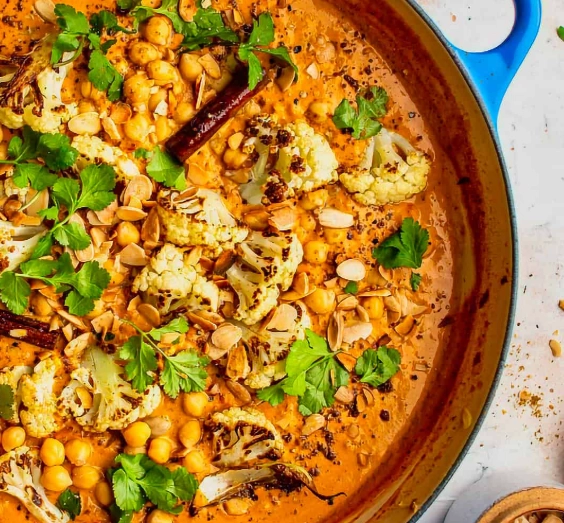
| Recipe | Key Healthy Twist | Primary Health Benefit |
|---|---|---|
| Moong Dal | Minimal tadka oil; no cream. | High plant-based protein, easy digestion. |
| Bhindi Masala | Dry-cooked method, no extra water. | High fiber, retains vitamins, low calorie. |
| Brown Jeera Rice | Uses brown basmati rice instead of white. | More fiber & nutrients, lower glycemic index. |
| Besan Chilla (Savory Pancake) | Non-stick pan, minimal oil; add grated veggies. | High-protein gluten-free breakfast/meal. |
| Raita | Use full-fat or Greek yogurt, no sugar. | Probiotics, calcium, cools digestion. |
The One Spice Mistake Everyone Makes (And How to Fix It)
I see this all the time. Someone buys a jar of garam masala, dumps a spoonful into their simmering coconut milk, and wonders why their curry tastes bitter and dusty.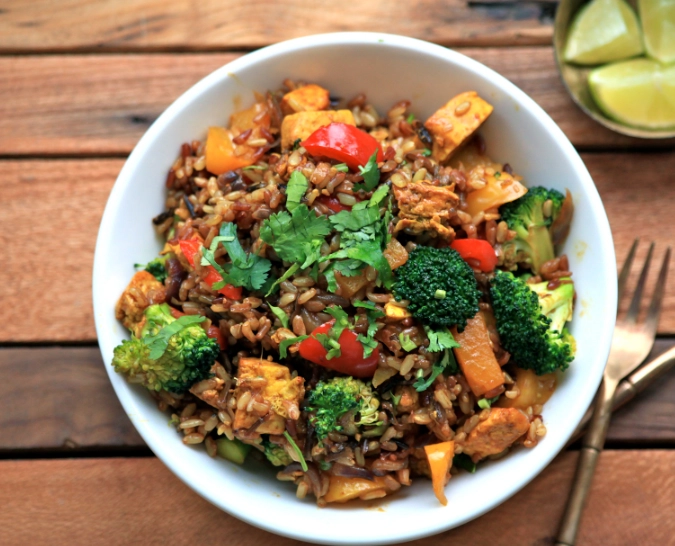
Ground spices burn. Fast. You should almost never add powdered coriander, cumin, or garam masala directly to hot, empty oil. The technique is called "bhuno" or roasting.
Here's the right way: After you temper your whole spices (cumin seeds, etc.) and sauté your onions/ginger/garlic until golden, lower the heat. Add your ground spices (turmeric, coriander, red chili powder) to the onion mixture with a splash of water or crushed tomatoes. Cook, stirring, for a good 60-90 seconds. You'll see the oil start to separate from the mixture. This cooks out the raw flavor of the spices and toasts them gently, unlocking their full aroma and depth. Then you add your main ingredients like lentils or vegetables.
It's a game-changer. Try it once and you'll never go back.
A Simple 3-Day Healthy Indian Vegetarian Meal Plan
This isn't restrictive. It's a template to show you how the pieces fit together.
Day 1
Lunch: Moong Dal + Brown Jeera Rice + a simple cucumber-tomato salad (kachumber).
Dinner: Leftover dal with 2 whole wheat rotis and a side of spinach raita (blend spinach into yogurt).
Day 2
Lunch: Chickpea salad (boiled chickpeas, onion, tomato, lemon, chaat masala) with a side of roasted papad.
Dinner: Bhindi Masala + a quick lentil soup (use leftover dal, thin it with water, add lemon).
Day 3
Lunch: Besan Chilla (chickpea flour pancakes) stuffed with grated carrots and onions. Serve with green chutney.
Dinner: A simple potato and pea curry (aloo matar) made with tomatoes and minimal oil, with quinoa.
See the pattern? Protein + Veg + Grain. Mix and match.
Discussion