Let's be honest. The thought of making a full Indian vegetarian dinner can feel overwhelming. All those spices, the long cooking times, the fear of ending up with a bland curry. I get it. I've been there, staring at a recipe that requires 20 ingredients I don't have.
But here's the secret: authentic flavor doesn't require a restaurant kitchen or three hours of your time. It's about a few key techniques and understanding how to build layers of flavor, even on a Tuesday night.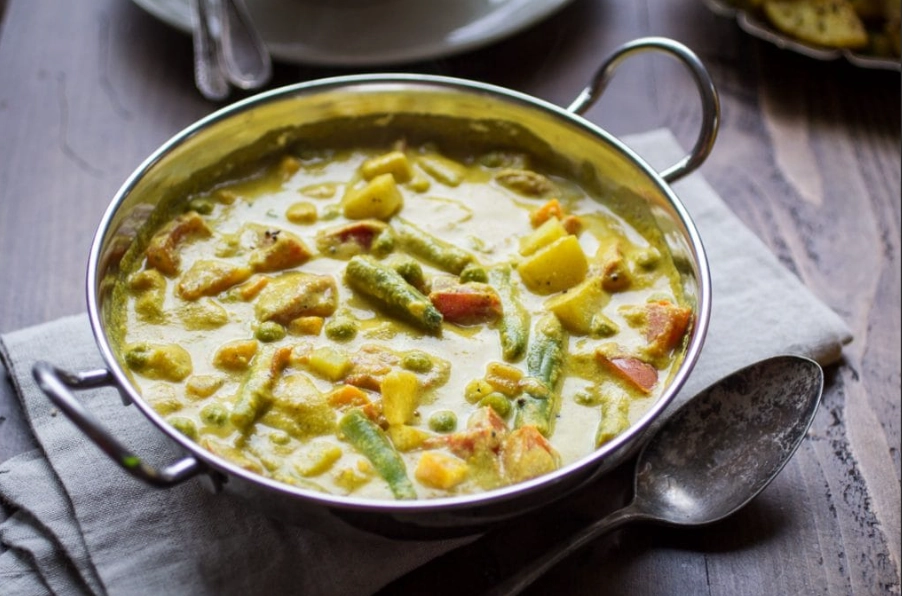
What's Inside?
The Real Philosophy Behind Indian Vegetarian Cooking
It's not just about removing meat. Indian vegetarian cuisine, or shakahari, is a centuries-old tradition built on balance, nutrition, and incredible depth of flavor. The protein comes from lentils (dal), chickpeas, kidney beans, paneer (Indian cottage cheese), and yogurt. Vegetables aren't just a side; they're the star, transformed by a symphony of spices.
The biggest mistake I see? Treating "curry" as a single, monolithic dish. It's not. A vegetarian Indian dinner is usually a combination of dishes: a hearty legume curry (like chana masala), a dry vegetable dish (like bhindi masala), a flatbread (roti or naan), rice, and often a raita (yogurt sauce) or salad. You don't need to make all five. Pick one or two mains, and pair with rice or store-bought flatbread.
Forget the generic "curry powder." The magic is in whole spices—cumin seeds, mustard seeds, cardamom pods—toasted in oil to release their essential oils, creating a flavor base called a tadka or chaunk.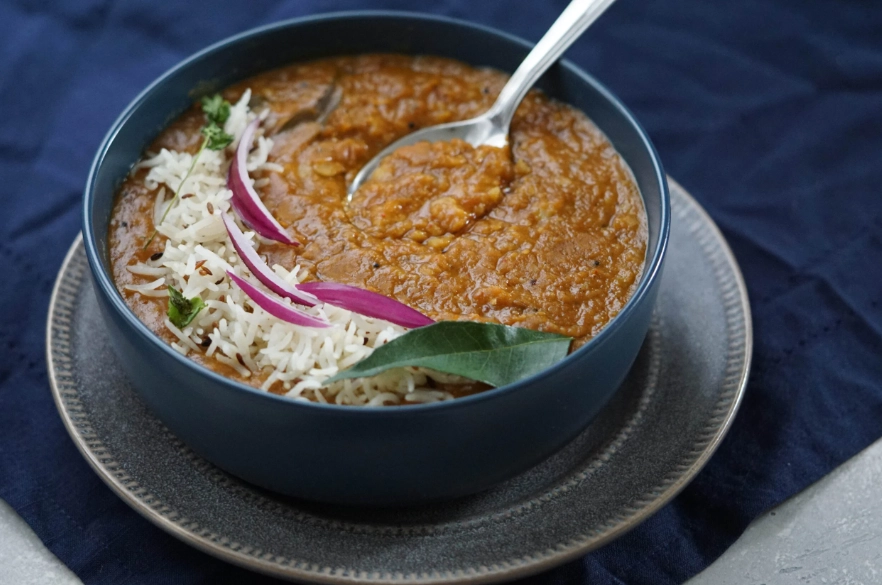
3 Must-Make Vegetarian Indian Dinner Recipes
These aren't just any recipes. These are my workhorses, tested for clarity and guaranteed to deliver restaurant-style results without the fuss. Each serves 4.
1. The Unbeatable Classic: Chana Masala (Spiced Chickpea Curry)
This is the ultimate crowd-pleaser and my go-to for a reliable, protein-packed meal. The tang from dried mango powder (amchur) is non-negotiable for authenticity.
What You'll Need:
- 2 cans (15 oz each) chickpeas, drained and rinsed (or 1 cup dried, soaked overnight and boiled until tender).
- 1 large onion, finely chopped.
- 3 tomatoes, pureed, or 1 cup canned tomato puree.
- 2 tbsp oil (vegetable or avocado).
- Whole Spices: 1 tsp cumin seeds, 2 bay leaves, 4-5 cloves, 1-inch cinnamon stick.
- Ground Spices: 1 tbsp coriander powder, 1 tsp cumin powder, 1/2 tsp turmeric, 1 tsp red chili powder (adjust to taste), 1 tsp amchur (dried mango powder), 1 tsp garam masala.
- Salt to taste, fresh cilantro for garnish.
How to Make It:
- Heat the oil in a deep pan. Add the whole spices (cumin seeds, bay leaves, etc.) and let them sizzle for 30 seconds until fragrant.
- Add the chopped onion. Cook on medium heat, stirring often, for 8-10 minutes until deeply golden brown. This step (browning the onions) is crucial for flavor. Don't rush it.
- Add all the ground spices except garam masala and amchur. Stir for 30 seconds to cook the raw taste out.
- Pour in the tomato puree. Cook, stirring occasionally, until the oil separates from the mixture and it looks paste-like. This can take 8-12 minutes.
- Add the chickpeas and 1.5 cups of water. Bring to a simmer, cover, and cook for 15 minutes.
- Stir in the amchur and garam masala. Cook for another 2 minutes. Garnish with cilantro. Serve hot with basmati rice or roti.
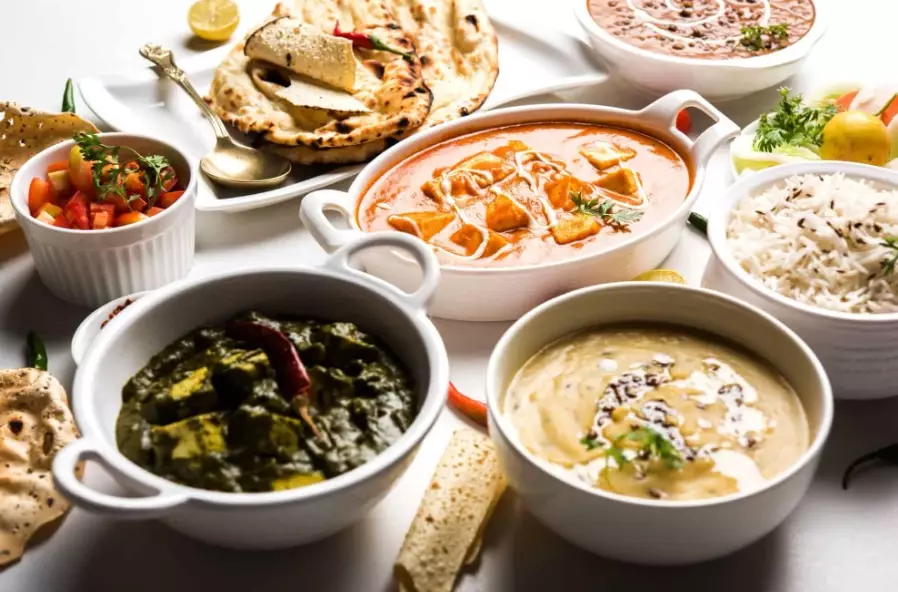
2. The Creamy Comfort: Palak Paneer (Spinach with Indian Cottage Cheese)
This vibrant green curry is easier than you think. The key is blanching the spinach quickly to retain its color. Using frozen spinach is a perfectly acceptable weeknight cheat.
The Silent Step Everyone Misses: Lightly pan-fry the paneer cubes before adding them to the curry. It gives them a slightly crisp exterior that prevents them from turning mushy. Just 2 minutes in a non-stick pan with a teaspoon of oil.
For a detailed breakdown of the blanching and pureeing process, resources like BBC Good Food often provide good visual guides, though their spice blends might differ.
3. The One-Pot Wonder: Vegetable Biryani (Layered Spiced Rice)
Biryani seems intimidating, but a simplified dum (steam) method works beautifully at home. It's a complete meal in one pot.
Use basmati rice, soaked for 30 minutes. Parboil it with whole spices until it's 70% cooked. Sauté your veggies (carrots, peas, potatoes, beans) separately with biryani spices like biryani masala or a mix of coriander, cumin, and chili powders. Then, layer the rice and veggie mixture in the pot, sprinkle with saffron milk (or turmeric milk for color), drizzle with ghee, seal the lid with foil, and cook on the lowest heat for 20 minutes. Let it rest for 10 minutes before fluffing.
The result? Fragrant, separate grains of rice infused with spice and mixed with tender vegetables.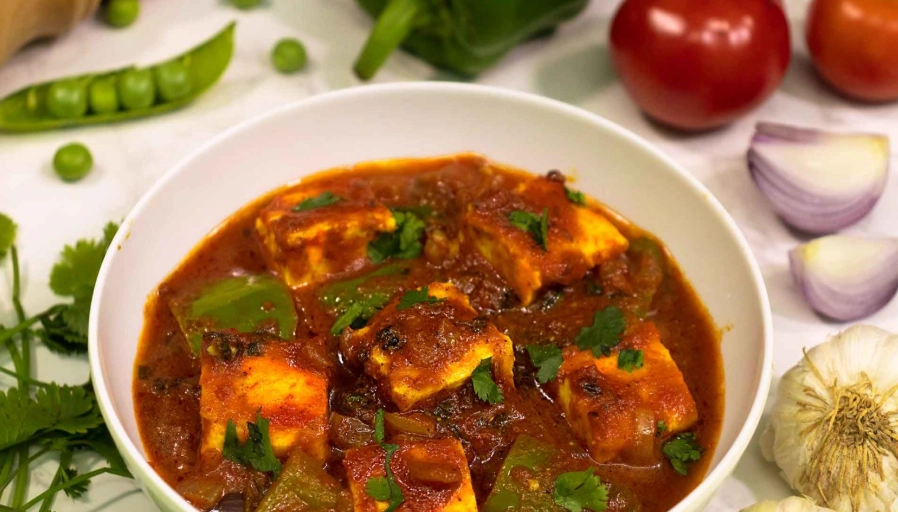
Expert Techniques Most Recipes Don't Tell You
After cooking these dishes for years, here's what makes the difference between good and great.
Toast Your Ground Spices. Most recipes tell you to add coriander powder to wet onions. Try this instead: in a dry pan, lightly toast your coriander and cumin powder for 60-90 seconds on low heat until they smell incredibly fragrant. Let them cool before adding. This removes any raw, dusty taste and deepens the flavor profile dramatically.
The "Oil Separation" Myth. Recipes always say "cook until the oil separates." This is visual shorthand, but it can confuse people. You're not trying to extract pools of oil. You're cooking the moisture out of the onion-tomato-spice paste until it becomes a cohesive mass and the fat visibly glistens around the edges. It means the base is properly cooked and won't taste raw or sour.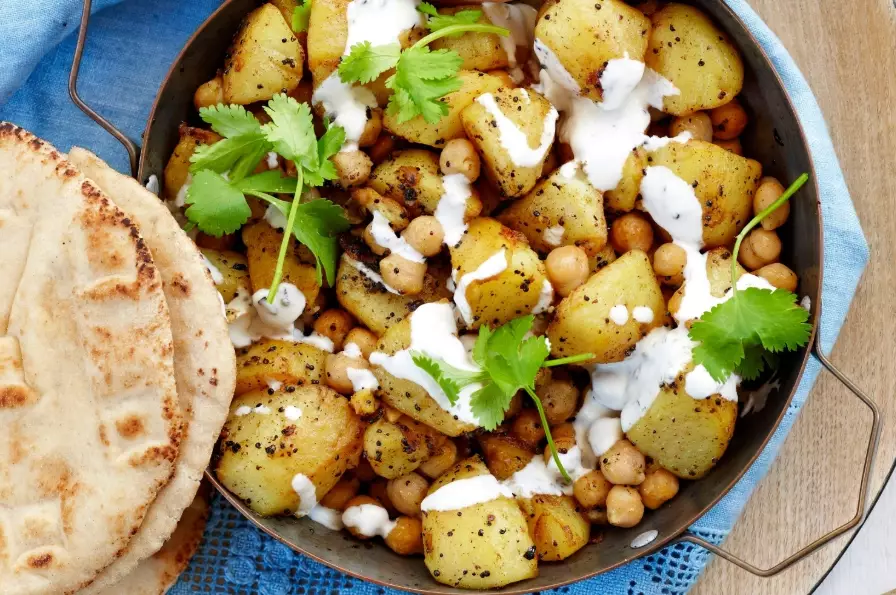
Fresh vs. Dry: A Quick Spice Guide
| When to Use Fresh (Ginger, Garlic, Green Chili) | When Dry is Better (or Essential) |
|---|---|
| For the initial flavor base (paste or finely chopped). Provides sharp, bright notes. | For depth and background warmth (coriander, cumin, turmeric). For the final aroma boost (garam masala, kasuri methi). |
| Pro Tip: Make a big batch of ginger-garlic paste (equal parts peeled ginger and garlic, blended with a little water) and freeze it in ice cube trays. Game-changer for speed. | Pro Tip: Dry roast whole spices like cumin or coriander seeds, then grind them into powder. The flavor is incomparable to store-bought pre-ground. |
Another resource for understanding the science and sourcing of spices is the Indian government's Spices Board website, which provides information on quality and varieties.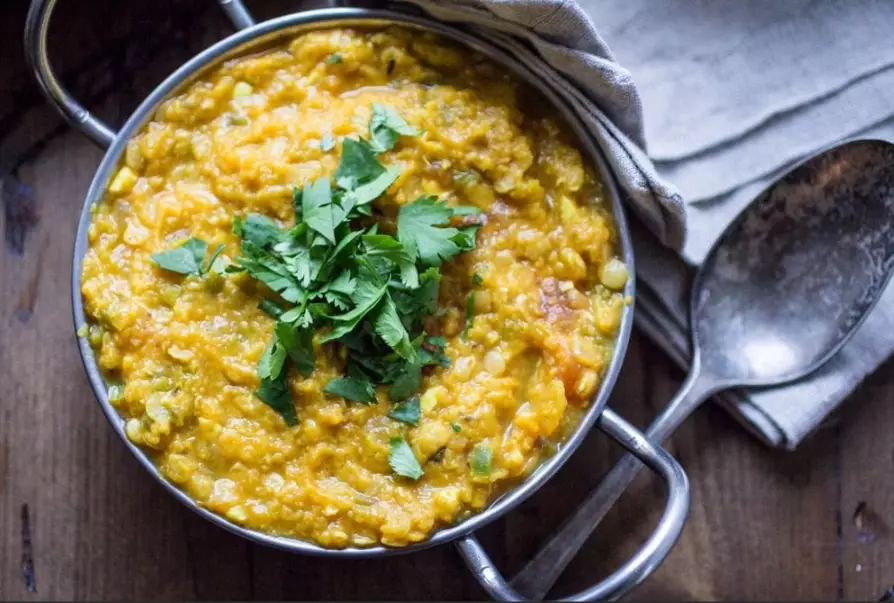
Your Indian Vegetarian Dinner Questions, Answered
How can I make my vegetarian Indian curry richer and creamier without dairy?
Can I prepare any parts of an Indian vegetarian dinner ahead of time?
 My family has different spice tolerances. How do I adjust the heat level?
Discussion