Let's be honest. The idea of making Indian pickle at home is fantastic until you read recipes that say "ferment for 4-6 weeks in sunlight." Who has that kind of time or consistent sunshine? I thought I didn't either, until I messed up enough batches to figure out the shortcuts. A proper, flavorful Indian achar doesn't need a calendar. You can have a tangy, spicy, ready-to-eat mango pickle in about five days. This quick Indian pickle recipe breaks the old rules while keeping all the authentic taste.
What's Inside This Jar?
Why a "Quick" Indian Pickle Actually Works
Traditional pickling relies on slow, natural lactic acid fermentation. It's great for preservation but slow. The quick method uses two accelerants: acid and salt. We add vinegar (acid) upfront, which immediately lowers the pH, creating an environment where harmful bacteria struggle. The salt draws out moisture from the vegetables, starting the preservation process instantly. The short "fermentation" period of 4-5 days at room temp isn't for creating new bacteria; it's for letting the flavors from the toasted spices and oil mingle and penetrate the fruit deeply. According to resources on food preservation from the USDA, the combination of acid, salt, and lack of oxygen (from the oil layer) is a scientifically sound method for safe, quick preservation.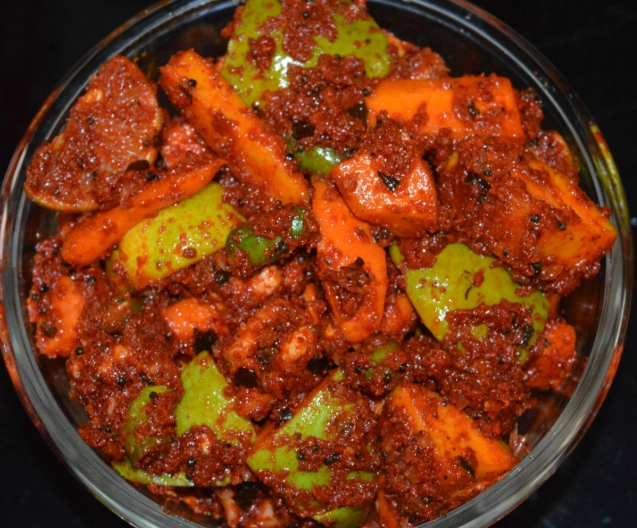
You lose the complex probiotic profile of a year-old pickle, sure. But you gain a condiment that's explosively flavorful and ready with your next meal.
Gathering Your Arsenal: Ingredients & Tools
Precision matters more when you're speeding things up. Here’s exactly what you need for a classic quick mango pickle (Kerri ka achar).
| Ingredient | Quantity & Specifics | The "Why" Behind It |
|---|---|---|
| Raw Mangoes | 500g (about 2 medium), rock-hard and sour (Totapuri or Kesar variety ideal) | The backbone. Hard mangoes stay crunchy. Sourness balances spices. |
| Mustard Oil | 1 cup (use Kachi Ghani, cold-pressed for authentic pungency) | Adds distinctive flavor and acts as a preservative barrier. Non-negotiable for taste. |
| Salt | 3 tbsp (Non-iodized sea salt or pickling salt) | Draws out moisture, inhibits microbes, enhances flavor. Iodized salt can darken pickle. |
| Turmeric Powder | 1.5 tsp | For color, earthiness, and its mild antiseptic properties. |
| Red Chili Powder | 2-3 tbsp (Kashmiri chili for color + a hotter one like Bedgi for heat) | Provides heat and vibrant red color. |
| Fenugreek Seeds (Methi) | 2 tsp, lightly toasted and coarsely ground | Gives that bitter, maple-syrup undertone essential in pickle. |
| Fennel Seeds (Saunf) | 1 tbsp, toasted | Adds a sweet, licorice-like aroma. |
| Mustard Seeds (Rai) | 1 tbsp | For pungency and texture. |
| Asafoetida (Hing) | 1/2 tsp (use compounded hing powder) | The flavor powerhouse. Adds a savory, umami depth. |
| Vinegar | 1/4 cup (white or apple cider vinegar) | The acid that jump-starts preservation and adds tang. |
Tools: A completely dry glass jar (1-liter size), a large dry mixing bowl, a small frying pan for tempering spices, a sharp knife, and a clean spoon for serving later. Any hint of water in your tools can introduce mold.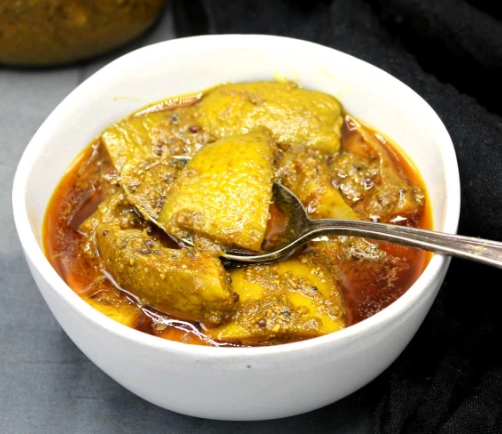
My Personal Note on Mangoes: Don't use those slightly soft, sweet-ish mangoes you got on sale. They'll turn to mush. Go to an Indian grocery and ask for "pickling mangoes" or choose the hardest, greenest ones you can find. The variety matters less than the firmness and sourness.
The 5-Day, Step-by-Step Process
Day 1: The Foundation
Wash and thoroughly dry the mangoes. Chop them into 1-inch cubes. Not too small. Toss them in a large bowl with the salt and turmeric powder. Mix well with clean, dry hands. Cover the bowl with a clean cloth and leave it on your counter for 8-12 hours. This is the "curing" step. You'll see a pool of mango water at the bottom. That's good. Drain this liquid completely. This step removes excess water, preventing dilution later.
Day 2: The Flavor Bomb
Heat the mustard oil in a pan until it just starts to smoke. Then turn off the heat and let it cool down for 3-4 minutes. You want it hot but not nuclear, around 250°F (120°C). If it's too cool, the pickle tastes raw; too hot, it burns the spices. While it cools, dry roast the fenugreek and fennel seeds separately until fragrant. Grind the fenugreek coarsely.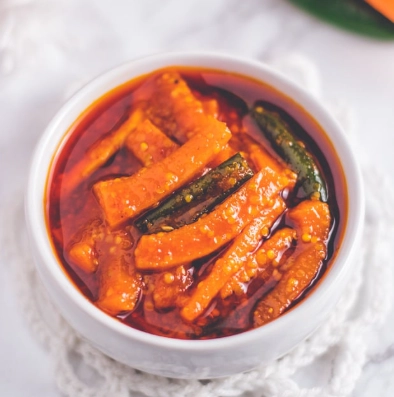
In a small bowl, mix your red chili powder, ground fenugreek, and asafoetida. Now, pour the warm oil over this spice mix. It will sizzle gloriously. This "tadka" or tempering unlocks the oils and flavors. Let this spiced oil cool to room temperature.
Day 2 (Part 2): The Marriage
Pour the cooled spiced oil and the vinegar over the drained mango cubes. Add the toasted fennel and mustard seeds. Mix everything with a dry spoon until every mango piece is coated in that crimson, oily spice paste. It should look already delicious.
Days 2-5: The Wait
Transfer the mixture to your dry glass jar. Press down gently. The oil should rise and cover the top layer of mangoes. If it doesn't, heat another 2 tbsp of mustard oil, cool it slightly, and pour it on top to seal. Close the lid tightly.
Keep the jar in a warm spot in your kitchen, away from direct sunlight. A pantry shelf is perfect. Over the next three days, give the jar a gentle shake or invert it once daily. Don't open it. You're letting the magic happen.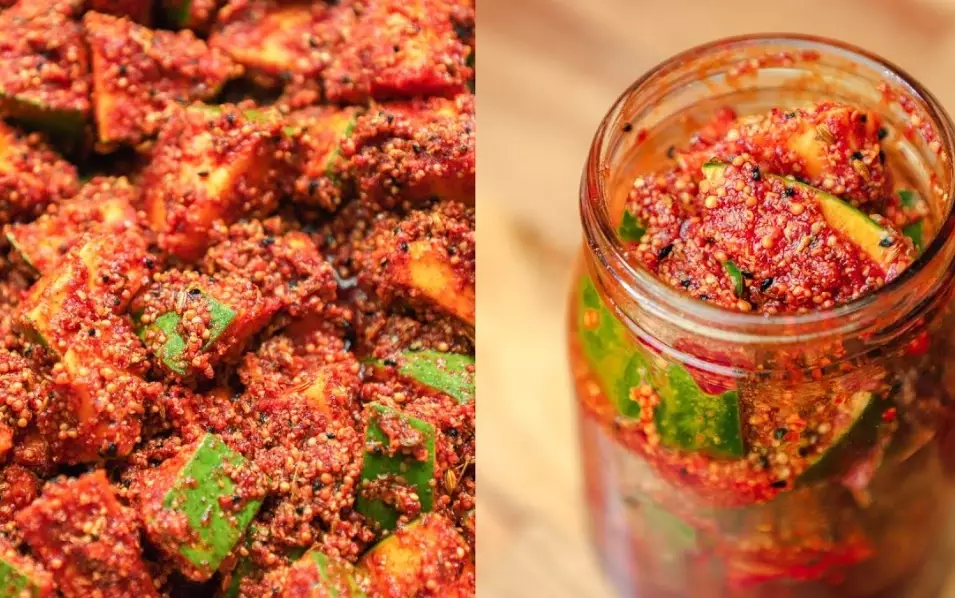
Day 5: Taste Test
Open the jar. The aroma should be sharp, spicy, and mouthwatering. Taste a piece. The mango should still have a bite but be infused with flavor. The sharpness of the vinegar will have mellowed. It's ready. For optimal flavor and safety, refrigerate it after this point. It keeps for 2-3 months easily.
The Expert's Bag of Tricks
After making this for a decade, here's what most blogs don't tell you.
The "Sunlight" Shortcut: If you want to mimic the traditional method's sun-baking, place your sealed jar in a warm car dashboard (out of direct sun if it's scorching) for a few hours. The gentle, even heat accelerates the flavor melding. Sounds weird, works wonders.
Spice Grinding: Always dry roast whole spices like fenugreek and coriander before grinding. But here's the kicker: grind them just before use. Pre-ground spices from the store have lost most of their volatile oils—the very soul of your pickle.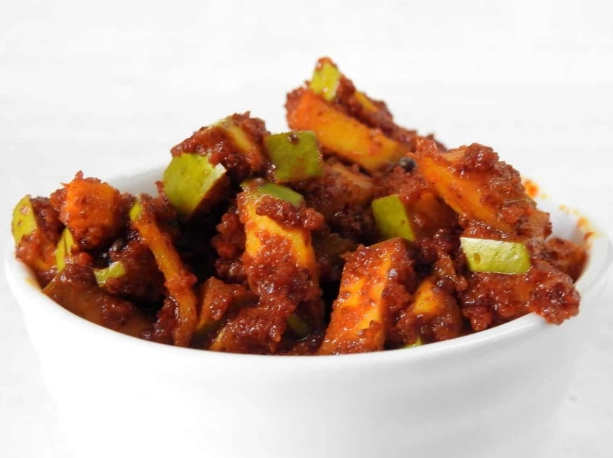
The Oil Myth: Many think the oil is the main preservative. It's not. It's primarily a barrier against air. The real preservation comes from the acid-salt-moistureless environment. So don't skimp on the vinegar or salt thinking extra oil will compensate. It won't.
3 Mistakes That Will Ruin Your Quick Pickle
I've learned these the hard way so you don't have to.
1. Using a Wet Jar or Spoon. This is the number one cause of mold. Sterilize your jar by washing it in hot soapy water, rinsing, and then drying it in a low oven (250°F for 15 mins) or letting it air dry completely overnight. A single water droplet is the enemy.
2. Not Heating the Oil Enough. "Cold-pressed" is great for salads, but for pickle, the oil must be heated to its smoking point and cooled. This process removes the raw, bitter notes of mustard oil and makes it safe for consumption. If your pickle tastes harshly pungent and gives a throat burn, you likely didn't heat the oil properly.
3. Opening the Jar Too Often During the First Week. Every time you open it, you introduce air and potential contaminants. Be patient. Let the anaerobic environment do its work. Once refrigerated after day 5, it's fine to open and scoop from it regularly.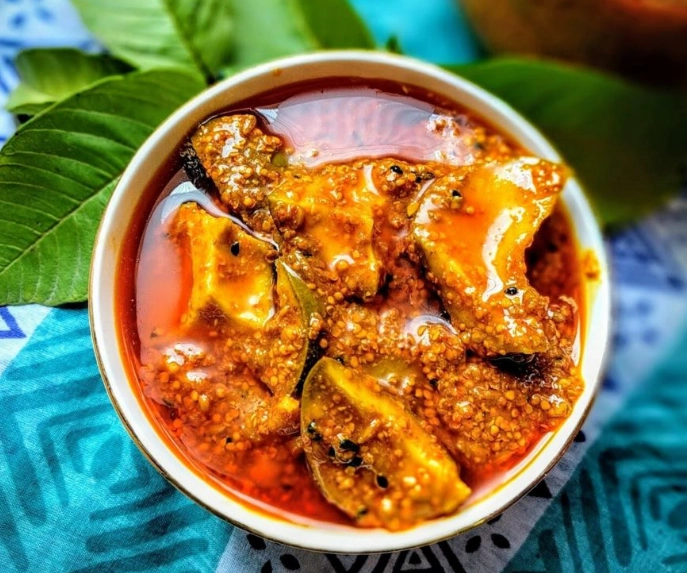
Your Quick Pickle Questions, Answered
Can I make a quick lime or lemon pickle with this same method?
Absolutely, but the prep changes. Use small, firm lemons or limes. Wash, dry, and cut them into quarters or eighths, but don't cut through—keep them attached at the base. Follow the same curing step with salt and turmeric. The rest of the process is identical. Citrus peel takes on the flavors beautifully.
My quick pickle turned out too salty. How can I fix it?
It's tricky to remove salt, but you can dilute the effect. Add more of the main vegetable (like more chopped raw mango) or some roasted, crushed peanuts to the jar. They'll absorb some salt and oil over a couple of days. For future batches, remember the mangoes are already cured and drained; you don't need as much salt in the spice mix as a traditional recipe says. Start with 2 tbsp instead of 3.
Is there a substitute for mustard oil? I can't find it.
You can use a neutral oil with a high smoke point like sunflower or avocado oil. But you must add 1 teaspoon of powdered mustard to your dry spice mix to approximate the flavor. It won't be the same—mustard oil is irreplaceable—but it'll still be a tasty pickle.
How do I know if my quick pickle has gone bad?
Trust your senses. Visible fuzz or mold (not just white yeast specks, which can happen on the surface of the oil and are usually harmless if you scoop them off) means toss it. A foul, rotten smell instead of a sharp, fermented aroma is a bad sign. If the mangoes have become slimy or mushy, fermentation has likely gone wrong.
Discussion