I remember the first time I tried to cook a "proper" Indian dinner for my family. It was a Saturday, I had ambitious plans for a multi-dish feast, and by 7 PM I was surrounded by pots, a cloud of spice smoke, and two very hungry, slightly skeptical kids. The chicken was okay, the rice was gluey, and I'd used enough chili to power a rocket. We ordered pizza.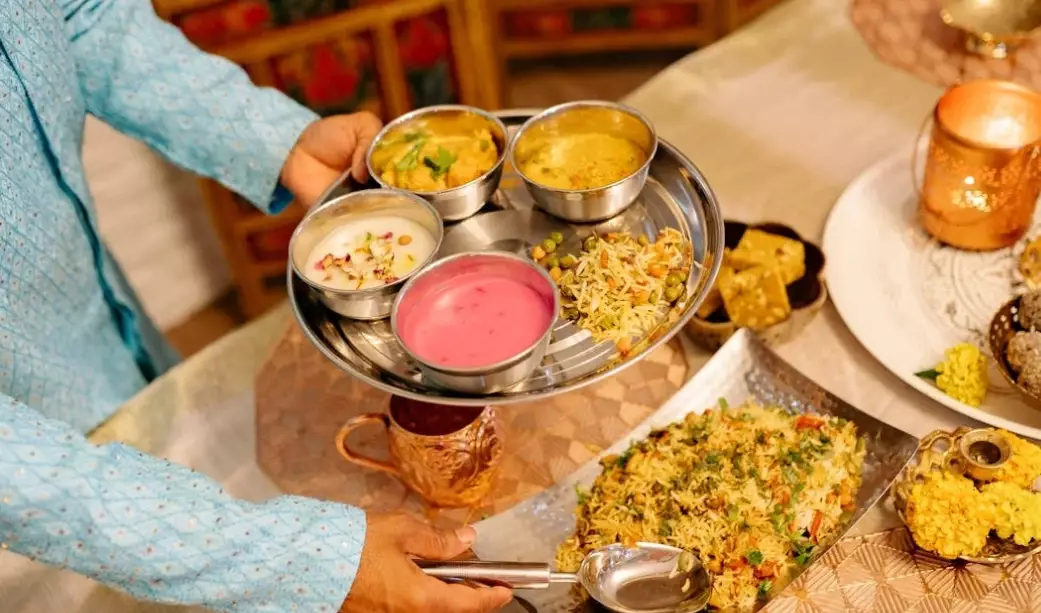
That was years ago. Since then, I've learned—the hard way—that a successful Indian family dinner isn't about replicating a restaurant menu. It's about flavor, yes, but also about simplicity, balance, and knowing a few clever shortcuts that keep weeknights sane. This guide is the one I wish I'd had.
What’s Inside This Guide
The Real Secret to Easy Indian Family Dinners
Forget the three-hour marinations and twenty-ingredient curries for a moment. The goal here is to get a delicious, satisfying meal on the table without losing your mind. After cooking these dishes for my own family for a decade, I've settled on three non-negotiable principles.
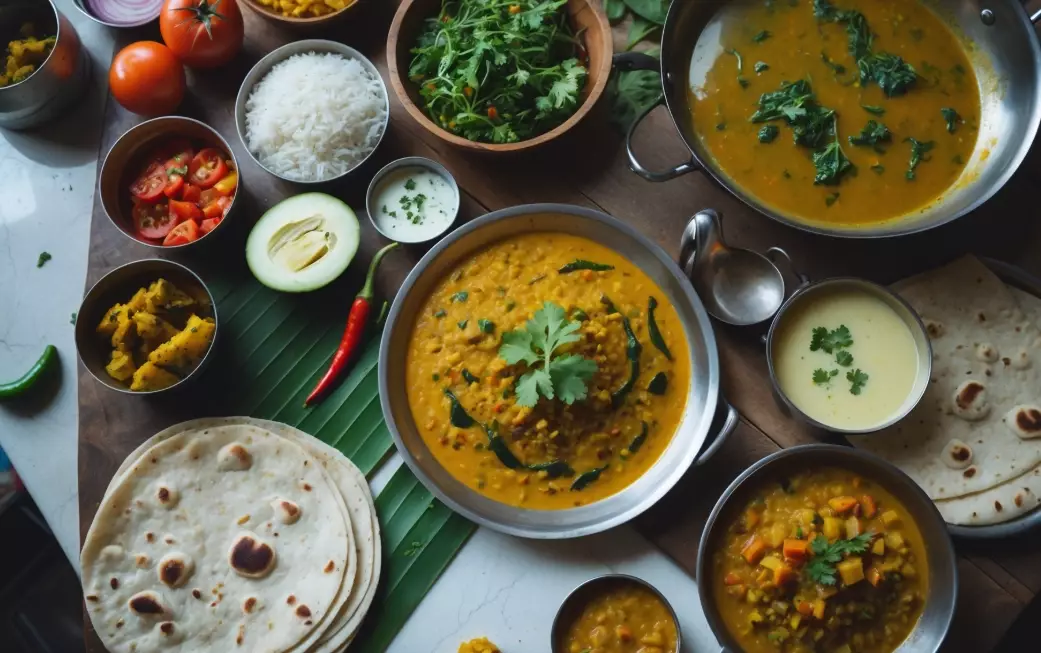
First, embrace the "one main, one side, one carb" rule. You don't need five different bowls. A single flavorful curry or dry dish, a simple dal (lentil soup), and a pile of rice or roti is a complete, balanced meal. It's less stressful and cuts down on dishes dramatically.
Second, your spice cabinet is your best friend, but you need to organize it. The most common mistake I see? Using stale spices. Ground cumin or coriander older than six months loses its punch. Buy small quantities, store them away from heat and light, and smell them before use. If it doesn't smell like much, it won't taste like much.
Third, the "base gravy" is a game-changer for busy nights. This is a pro-restaurant trick you can use at home. On a lazy Sunday, sauté a big batch of onions, ginger, garlic, and tomatoes with basic spices until it forms a thick paste. Blend it smooth, freeze it in ice cube trays, and you have an instant flavor bomb. Drop a couple of cubes into a pan with your protein or veggies, and you're 80% done. It's the ultimate shortcut for quick Indian dinners.
Crowd-Pleaser #1: One-Pan Butter Chicken (The Easy Way)
Let's be honest, butter chicken is the universal gateway dish. My version cuts corners without cutting flavor, and it all happens in one pan—minimal cleanup.
Simplified Family-Style Butter Chicken
Active Time: 25 mins | Total Time: 40 mins | Serves: 4-5
What You'll Need:
- 1.5 lbs (700g) boneless chicken thighs, cut into bite-sized pieces
- 1 cup plain full-fat yogurt (Greek yogurt works too, it's thicker)
- 2 tbsp ginger-garlic paste (store-bought is fine, or blend equal parts fresh)
- 1 tsp turmeric, 2 tsp garam masala, 1 tsp Kashmiri red chili powder (for color, not heat)
- 3 tbsp butter
- 1 large onion, finely chopped
- 1 can (14 oz) crushed tomatoes
- 1/2 cup heavy cream
- 1 tsp kasuri methi (dried fenugreek leaves), crushed between your palms
- Salt to taste
- Fresh cilantro for garnish
How to Make It:
1. Marinate (The Quick Way): In a bowl, mix the chicken with yogurt, half the ginger-garlic paste, turmeric, 1 tsp garam masala, and chili powder. Let it sit for 15 minutes while you prep everything else. Overnight is great, but 15 minutes with yogurt still tenderizes.
2. Cook the Chicken: In a large, deep skillet or Dutch oven, melt 1 tbsp butter over medium-high heat. Add the marinated chicken pieces (shake off excess marinade) and sear until they get some color on all sides. They don't need to be cooked through. Remove and set aside.
3. Build the Sauce: In the same pan, add the remaining 2 tbsp butter. Sauté the onion until soft and golden. Add the remaining ginger-garlic paste and cook for a minute until fragrant. Pour in the crushed tomatoes and cook for 5-7 minutes, letting it thicken and the raw tomato taste disappear.
4. Bring It Together: Add the seared chicken back to the pan. Stir in the cream, remaining 1 tsp garam masala, and kasuri methi. Reduce heat to low, cover, and let it simmer for 10-12 minutes. The sauce will thicken and coat the chicken beautifully.
5. Finish: Taste for salt. Garnish with cilantro. Serve hot with steamed basmati rice or warm naan.
The One Thing Everyone Gets Wrong: Adding the cream at the very end and not letting the sauce simmer afterwards. This makes the sauce thin and separates the fat. Add the cream a few minutes before finishing, and let it simmer gently to integrate and thicken.
Crowd-Pleaser #2: Weeknight Chana Masala
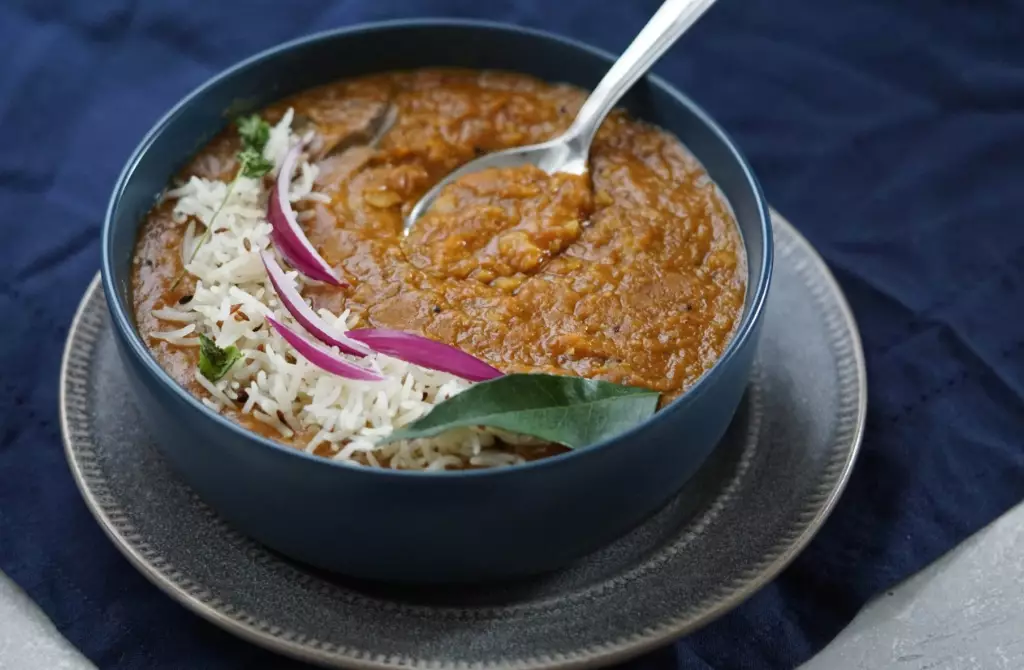 This is my vegetarian staple, a hearty chickpea curry that's packed with protein and fiber. It's forgiving, cheap, and cooks in under 30 minutes if you use canned chickpeas.
30-Minute Chana Masala
Active Time: 20 mins | Total Time: 30 mins | Serves: 4
What You'll Need:
- 2 tbsp oil
- 1 tsp cumin seeds
- 1 large onion, finely chopped
- 1 tbsp ginger, grated
- 3-4 garlic cloves, minced
- 1 green chili, finely chopped (optional, omit for kids)
- 2 tsp coriander powder, 1 tsp cumin powder, 1/2 tsp turmeric, 1 tsp amchur (dry mango powder)*
- 1 can (14 oz) diced tomatoes, or 2 fresh tomatoes chopped
- 2 cans (15 oz each) chickpeas, drained and rinsed
- 1 cup water
- 1 tsp chana masala powder (or more garam masala)
- Salt to taste
- Juice of half a lemon
- Fresh cilantro
*Amchur gives the classic tangy note. No amchur? Use 2 tbsp of lemon juice at the end instead.
How to Make It:
Heat the oil in a pan. Add cumin seeds and let them sizzle for 10 seconds. Add the onion and cook until soft. Stir in the ginger, garlic, and green chili for a minute.
Add all the dry spices (coriander, cumin, turmeric, amchur) and cook for 30 seconds—this "blooms" the spices. Dump in the tomatoes and cook until they break down into a paste.
Add the chickpeas and water. Bring to a boil, then simmer for 15-20 minutes, mashing a few chickpeas against the side of the pan to thicken the gravy. Stir in the chana masala powder, salt, and lemon juice. Garnish with cilantro. Done.
This dish is a blank canvas. Toss in some spinach in the last 5 minutes, or add cubed potatoes with the chickpeas for a more substantial meal.
How to Adapt Any Recipe for Your Family
Every family has its own quirks. Maybe someone is gluten-free, a kid hates anything green, or you're trying to eat less meat. Indian food is incredibly adaptable.
For Picky Eaters (The "No Visible Spices" Rule)
The texture of whole spices like cloves or cardamom can be off-putting. Use ground versions instead. Or, tie whole spices in a small muslin pouch (a "potli") and remove it before serving. For onions, blend the sautéed onion-tomato base into a smooth gravy—no detectable pieces.
For Dietary Restrictions
Gluten-Free: Most Indian food is naturally gluten-free. Just ensure you use certified GF ingredients like chickpea flour (besan) and serve with rice, quinoa, or gluten-free grains instead of regular breads like naan (which contain wheat).
Dairy-Free: Swap butter for a neutral oil or vegan butter. Use coconut milk or cashew cream (soak and blend raw cashews with water) instead of heavy cream. It adds a lovely richness.
Vegetarian/Vegan: The chana masala above is vegan. Paneer can be swapped for firm tofu, pressed and pan-fried. Lentils (dal) are your best friend for protein.
The "Make It Milder" Button
Control heat with these two spices: Kashmiri red chili powder (adds color with mild heat) and black pepper. Avoid cayenne or regular chili powder if you're sensitive. You can always serve a spicy chutney or pickle on the side for those who want more kick.
Your Indian Family Dinner Questions, Answered
 What are 3 essential spices I should buy to start, beyond salt and pepper?
Discussion