Let's be honest. Sometimes you look at a restaurant menu or a fancy cookbook, see the price tag or the long list of exotic ingredients, and think "nope, not today." I've been there more times than I can count. The craving for a good, soul-warming curry or some perfectly spiced lentils hits, but the idea of spending a fortune or tracking down ten different specialty items just kills the mood.
Good news. That's a complete myth. Authentic, delicious Indian food at home is one of the most budget-friendly cuisines you can possibly cook. It's built on a foundation of humble, nutritious, and inexpensive staples. The trick isn't finding rare ingredients; it's learning how to use the common ones in the right way.
This whole guide is about smashing that expensive myth. We're diving deep into the real world of budget-friendly Indian recipes, where flavor comes from technique and smart choices, not your wallet. I'll share the recipes I actually make on a tight week, the ingredients that are worth every penny, and the shortcuts that don't sacrifice taste.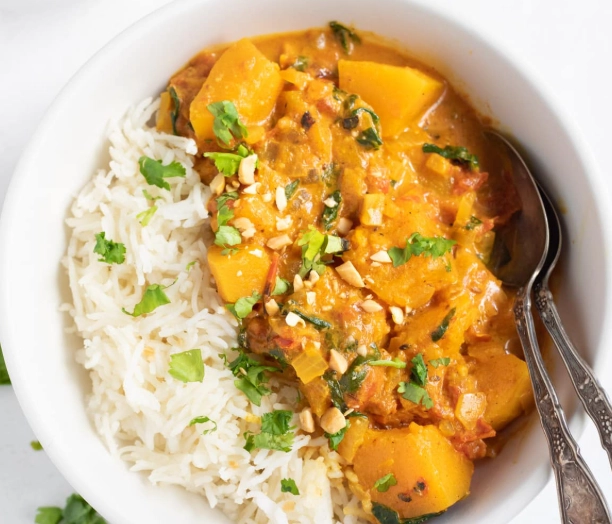
Navigate This Post
- Why Indian Food is a Budget Cook's Best Friend
- The Non-Negotiable Pantry Staples (The Budget Heroes)
- 5 Can't-Miss, Truly Budget-Friendly Indian Recipes
- The Smart Shopper's Guide: Where the Real Savings Happen
- Answering Your Budget Indian Cooking Questions
- Putting It All Together: A Sample Budget Week of Meals
Why Indian Food is a Budget Cook's Best Friend
It's not an accident. The core of everyday Indian home cooking – what millions of people eat daily – is designed to be economical, nutritious, and scalable. Think about it. What fills the plate? Lentils (dal), chickpeas, vegetables, rice, and flatbreads made from simple flour. These are some of the cheapest sources of protein and complex carbs you can find in any grocery store worldwide.
Meat is often used as a flavoring or a special addition, not the central, expensive star of the show. The real magic, the flavor powerhouse, comes from spices. And here's the key: you buy a bag of cumin seeds, coriander powder, or turmeric once, and it lasts for dozens of meals. The cost-per-use becomes microscopic.
My Aha Moment: I used to buy those little jars of pre-ground spices. Then I bought a 200g bag of whole cumin seeds from an Indian grocery for the same price. The jar was gone in two recipes. The bag lasted me six months. The flavor from toasting and grinding the seeds myself? Absolutely no comparison. That was the day my budget-friendly Indian cooking journey really began.
The other huge factor is flexibility. Most budget Indian recipes are incredibly forgiving. Don't have spinach? Use kale or chard. No fresh tomatoes? Canned work beautifully (sometimes even better for curries). Out of chickpeas? Use any bean you have. This adaptability means you can cook based on what's on sale or what you already have, reducing waste and cost.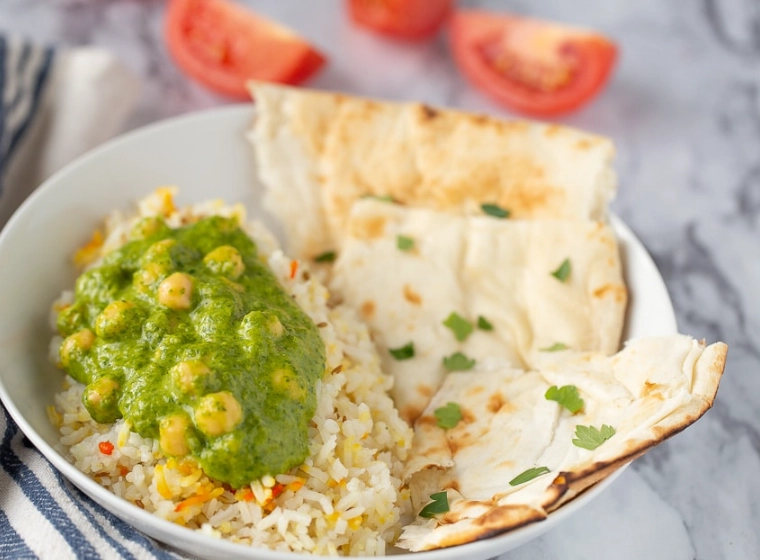
The Non-Negotiable Pantry Staples (The Budget Heroes)
You don't need a pantry that looks like a spice bazaar. You need a small, strategic selection. Investing in these once will open up 90% of budget-friendly Indian recipes.
The Dry Goods Foundation:
- Lentils (Dal): Masoor (red lentils), Toor (pigeon pea), Moong (split mung bean). They cook fast, need no soaking, and are packed with protein. A 1kg bag costs very little.
- Rice: Basmati is nice, but any long-grain rice works perfectly for everyday meals.
- Chickpea Flour (Besan): This is a secret weapon. Makes savory pancakes (cheela), binds veggie fritters, and can thicken curries.
- All-Purpose Flour (or Whole Wheat): For simple flatbreads like chapatis or parathas.
The Flavor Arsenal (Spices):
Start small. Don't buy a 20-jar set.
- Whole Spices (Buy these whole, trust me): Cumin seeds, brown mustard seeds, coriander seeds. Store them in a cool, dark place and toast/grind as needed.
- Ground Spices: Turmeric powder, red chili powder (or Kashmiri chili for color without too much heat), garam masala (a blend you can also make).
- Fresh Aromatics (bought weekly): Onions, garlic, ginger, green chilies. The holy quartet.
Where to buy? For dry lentils and spices, an Indian or Asian grocery store is almost always drastically cheaper than a standard supermarket. Online retailers like Amazon also sell larger, more economical bags of reputable brands like Everest or MDH.
A quick word on "curry powder." In India, you won't find a single all-purpose "curry powder" in home kitchens. The flavor comes from combining specific spices for each dish. A store-bought curry powder can be okay in a pinch, but it often contains fillers and lacks freshness. Building flavors from a few core spices is cheaper and gives you far more control. It's easier than you think.
5 Can't-Miss, Truly Budget-Friendly Indian Recipes
Let's get to the good stuff. These aren't just cheap; they're beloved, everyday classics. I've included my own tweaks and cost-saving notes for each.
1. The Ultimate Comfort Food: Masoor Dal (Red Lentil Soup)
This is my weeknight savior. Red lentils cook in under 30 minutes and dissolve into a creamy, comforting soup. It's the definition of a budget-friendly Indian recipe.
My Pro-Tip for Max Flavor: The "tadka" or tempering is everything. Don't just throw spices in. Heat a tablespoon of oil or ghee in a small pan. Add 1 tsp cumin seeds and 2 dried red chilies. Let them sizzle for 30 seconds until fragrant, then pour this sizzling oil over the cooked dal. The flavor transformation is magical.
Budget Hack: Use water instead of stock. The lentils and spices create their own rich broth. A squeeze of lemon at the end brightens everything up.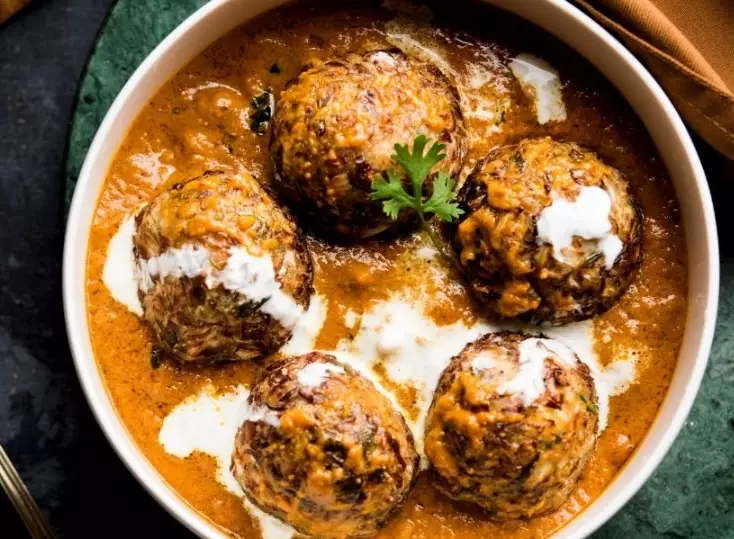
2. The Crowd-Pleaser: Chana Masala (Chickpea Curry)
Canned or dried chickpeas – both are winners. This is a robust, tangy, and deeply satisfying curry that feels indulgent but costs pennies per serving.
The Flavor Secret: Amchur (dried mango powder) gives it that authentic tang. If you can't find it, a bit of lemon juice at the very end works. Don't add it while cooking or it can turn bitter.
Budget Hack: Use dried chickpeas. Soak them overnight, then boil them. The texture is better, and the cost is about one-third of canned. Cook a big batch and freeze portions. The USDA's FoodData Central is a great resource to see just how nutritious and cost-effective dried legumes are. Also, bulk up the curry with a diced potato or some cauliflower if you have it. It stretches the meal without losing heartiness.
See how this works? You're building flavor layers, not just dumping a sauce on beans.
3. The 20-Minute Wonder: Aloo Gobi (Potato & Cauliflower Stir-fry)
Two of the cheapest vegetables, transformed. This dry stir-fry is packed with flavor and texture. It's a staple side that can easily become a main with some yogurt on the side.
Common Mistake: Overcrowding the pan. You want the potatoes and cauliflower to get some little browned bits, not steam in their own moisture. Cook in batches if your pan is small.
Budget Hack: Frozen cauliflower works perfectly here and is often cheaper, especially out of season. Thaw and pat it dry before using.
I used to skip the fresh cilantro garnish, thinking it was just decoration. Wrong. That fresh, herbal hit at the end makes the earthy spices sing. If you can swing a small bunch, it's worth it. If not, it's still delicious.
4. The Protein-Packed Breakfast/Dinner: Chilla (Savory Lentil Pancakes)
This is where chickpea flour (besan) shines. You mix it with water, spices, and maybe some finely chopped onions and tomatoes to make a batter. Then you cook it like a thin pancake. It's gluten-free, high-protein, and incredibly cheap. It feels like you're eating something special, but it's just clever, budget-friendly Indian cooking at its best.
5. The "Clean Out the Fridge" Curry: Mixed Vegetable Sabzi
This isn't one recipe; it's a formula. Any sturdy vegetables work – carrots, peas, beans, peppers, potatoes, okra. The base is a simple sauté of cumin seeds, onions, and tomatoes with turmeric and chili powder. Add your chopped veggies, a splash of water, cover and cook. Finish with garam masala.
This is the ultimate no-waste, budget-friendly Indian recipe. It's different every time, and it always works.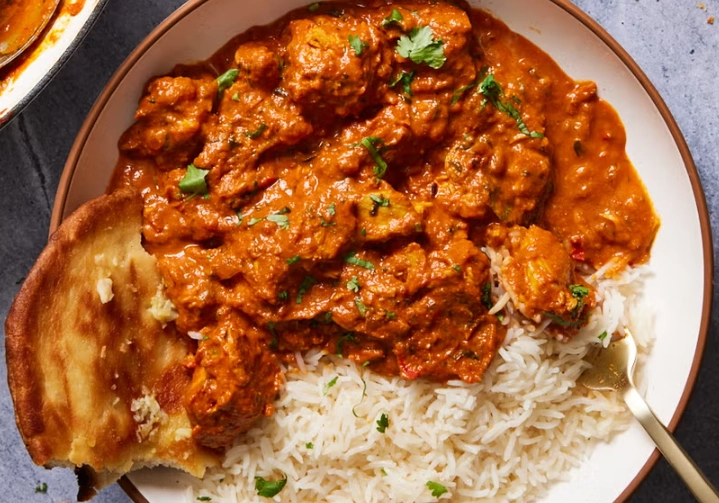
The Smart Shopper's Guide: Where the Real Savings Happen
Knowing recipes is half the battle. The other half is shopping like a pro. Here’s a breakdown that changed how I look at my grocery cart.
| Ingredient Category | Standard Supermarket Price | Indian/Asian Grocery or Bulk Price | Potential Savings & Notes |
|---|---|---|---|
| Red Lentils (Masoor Dal) | $3.50 for 500g (store brand) | $5.00 for 2kg (common brand) | Save ~65%. The bulk bag lasts for 15+ meals. Quality is often better too. |
| Cumin Seeds (Whole) | $5.00 for a 30g jar | $4.00 for a 200g bag | Save over 80% per gram. The jar is for convenience, the bag is for cooking. |
| Chickpeas (Dried) | $2.50 for 500g | $3.00 for 1kg | Save 40%. Requires planning (soaking), but texture and flavor are superior. |
| Basmati Rice | $6.00 for 1kg (standard brand) | $10.00 for 5kg (premium Indian brand) | Save over 60%. Buying a large bag of a good brand is a serious long-term win. |
| Fresh Ginger & Garlic | Small, pre-packaged pieces | Large, loose roots/bulbs | Save 50-70%. Buy a big piece of ginger, peel, and freeze it. Grates perfectly from frozen. |
See the pattern?
Buying in bulk for shelf-stable staples is the single biggest lever you can pull. It requires a slightly higher upfront cost, but the cost-per-meal plummets. That 2kg bag of lentils seems big until you realize it's dinner for a month.
Freezer is Your Friend: I always make a double or triple batch of things like chana masala base or a simple ginger-garlic paste. Portion it out and freeze. On a tired Tuesday, I can have a restaurant-quality curry simmering in 15 minutes because the foundational work is done. This is how you make cheap easy Indian recipes even easier.
Answering Your Budget Indian Cooking Questions
I get a lot of questions from friends starting out. Here are the big ones.
A: Hands down, Masoor Dal (Red Lentil Soup). There's no soaking, it cooks fast, and it's very forgiving. If you can boil water and stir, you can make a great dal. Follow a simple recipe from a trusted source like BBC Good Food's vegetarian collection to get the basic proportions right. Once you master the dal and its tadka (tempering), you've unlocked a core technique.
A: In the short term, maybe the jar seems cheaper. But let's break it down. A jar of sauce costs $3-5 and might make 2 servings. For that same $5, you can buy a bag of lentils or chickpeas AND the spices that will make 8-10 servings from scratch. The homemade version will also taste better, be healthier (less sugar, salt, and preservatives), and you control exactly what's in it. Long-term, cooking from scratch wins on cost and quality every time.
A: Not cooking the onions enough. Rushing the first step. You need to sauté the onions until they are deeply golden brown and sweet, not just translucent. This can take 10-15 minutes over medium heat. This "onion base" is the foundation of flavor for countless curries. If it's pale and raw-tasting, the whole dish will be weak. Be patient here. It's free flavor.
A: Another huge myth! Restaurant food often uses cream and butter for richness. Home cooking, especially in India, is much lighter. Yogurt (dahi) is used for tang and creaminess. Dishes are often sautéed or simmered, not drowned in fat. Lentils, vegetables, and legumes are inherently healthy. The spices like turmeric and cumin have noted anti-inflammatory properties. By controlling the oil and ghee at home, you can make incredibly nutritious meals. A bowl of dal and rice with a side of spinach is a balanced, healthy, and ultra-budget-friendly Indian dinner.
Putting It All Together: A Sample Budget Week of Meals
Let's make this concrete. Here’s what a week of eating well on a tight budget could look like, using overlapping ingredients.
- Monday: Masoor Dal with rice. Make extra rice.
- Tuesday: Use leftover rice to make Lemon Rice (season with mustard seeds, turmeric, peanuts, and lemon juice). Side of leftover dal.
- Wednesday: Chana Masala with frozen cauliflower added in. Soak chickpeas tonight for tomorrow.
- Thursday: Chickpea flour pancakes (Chilla) with a quick tomato-onion salad. Uses the besan and leftover onions.
- Friday: "Clean-out-the-fridge" Vegetable Sabzi with any remaining veggies, served with simple chapatis (flour+water+oil).
Notice how the core ingredients – lentils, chickpeas, flour, rice, spices – are used again and again in different ways. There's no waste. Nothing feels repetitive because the flavors change dramatically.
That's the real secret.
It's not about finding one magical cheap recipe. It's about building a system – a pantry, a set of techniques, and a flexible mindset – that lets you create delicious, satisfying food no matter what your budget looks like. Indian home cuisine has perfected this system over centuries.
Start with one pot of dal. Master the tadka. Feel the satisfaction of making something so flavorful from such simple things. Then try the chana masala. You'll quickly see that the world of budget-friendly Indian recipes isn't about limitation. It's about abundance – of flavor, nutrition, and creativity, all without stressing your wallet.
Honestly, some of the best meals I've ever eaten have come from this approach. It's cooking that makes sense. Give it a try this week.
Discussion