Jump to What You Need
Let's cut to the chase: a good samosa filling is dry, flavorful, and easy to make. I've seen too many recipes overcomplicate it with unnecessary spices or wet mixtures that turn your samosas soggy. After years of trial and error—including a disaster where my filling leaked oil everywhere—I've nailed a simple samosa filling recipe that works every time. This potato and pea filling is what you need for crispy, golden samosas without the fuss.
We'll cover everything from basic ingredients to expert tricks most blogs miss. You don't need fancy skills, just a pot and some patience.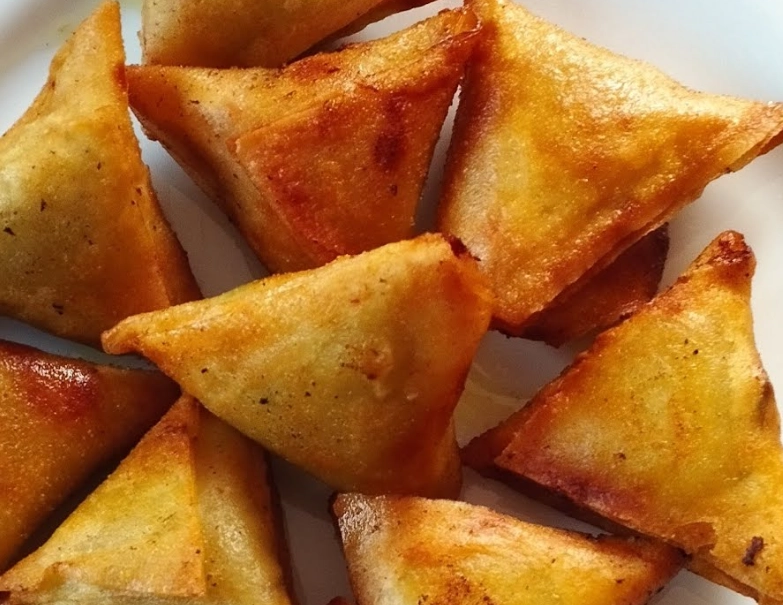
Ingredients and Tools You'll Need
First, gather your stuff. This recipe serves about 4-6 people, enough for 12-15 samosas. Scale it up if you're feeding a crowd.
Essential Ingredients
Here's what goes into the filling. I prefer russet potatoes for their starchiness, but any boiling potato works.
>Finely chopped; adjust for heat| Ingredient | Quantity | Notes |
|---|---|---|
| Potatoes (russet or similar) | 4 medium-sized | About 500g, peeled and cubed |
| Green peas (fresh or frozen) | 1 cup | Frozen peas are fine; thaw them |
| Onion | 1 large | Finely chopped |
| Ginger-garlic paste | 1 tablespoon | Or use fresh ginger and garlic minced |
| Green chilies | 2-3 | |
| Cumin seeds | 1 teaspoon | Whole seeds for tempering |
| Coriander powder | 1 teaspoon | Ground coriander |
| Garam masala | 1/2 teaspoon | Use a good brand for depth |
| Turmeric powder | 1/2 teaspoon | For color and health benefits |
| Salt | To taste | Start with 1 teaspoon |
| Oil | 2 tablespoons | Vegetable or mustard oil |
| Fresh cilantro | 2 tablespoons chopped | Optional, but adds freshness |
| Lemon juice | 1 tablespoon | Freshly squeezed |
Some recipes add fancy stuff like cashews or raisins, but I skip them—they make the filling sweet and distract from the savory punch. Stick to this list for authenticity.
Kitchen Tools
You'll need a large pot for boiling potatoes, a skillet or kadai for cooking the filling, a masher or fork for potatoes, and basic knives and cutting boards. Nothing special. A non-stick pan helps if you're worried about sticking.
I once tried using a food processor to chop onions, but it made them too watery. Hand-chopping is better for control.
Step-by-Step Guide to Making the Filling
Follow these steps in order. Don't rush the cooking—it takes about 30 minutes total.
Step 1: Boil the potatoes. Peel and cube the potatoes into 1-inch pieces. Boil them in salted water until fork-tender, about 15-20 minutes. Drain well and let them cool slightly. Mash them roughly with a fork; you want small chunks, not a puree. Over-mashing turns it gluey.
Step 2: Sauté the aromatics. Heat oil in a skillet over medium heat. Add cumin seeds and let them sizzle for 10 seconds. Then, add chopped onions and cook until golden brown, stirring often. This takes 5-7 minutes—don't shortcut it, as browned onions add sweetness.
Step 3: Add spices and peas. Stir in ginger-garlic paste and green chilies, cook for a minute until raw smell disappears. Add coriander powder, turmeric, and garam masala. Mix quickly to avoid burning. Toss in green peas and cook for 2-3 minutes until peas are tender.
Step 4: Combine with potatoes. Add the mashed potatoes to the skillet. Mix everything gently but thoroughly. Cook for 5 minutes on low heat, stirring occasionally. The goal is to evaporate excess moisture. You'll see the mixture start to pull away from the pan.
Step 5: Finish with herbs and lemon. Turn off the heat. Stir in chopped cilantro and lemon juice. Taste and adjust salt if needed. Let the filling cool completely before using it to fill samosas. This prevents steam from making the pastry soggy.
That's it. The filling should be dry enough to hold its shape when pressed. If it feels wet, cook it a bit longer.
Pro Tips for the Best Samosa Filling
Here's where most home cooks slip up. I learned these from an aunt who ran a snack shop in Mumbai.
Dryness is key. Samosa filling must be dry. After boiling potatoes, spread them on a plate to steam off excess water. When cooking the mixture, let it sauté until no liquid remains at the bottom of the pan. A wet filling equals soggy samosas—trust me, I've ruined a batch this way.
Toast your spices. Instead of adding ground spices directly to wet ingredients, toast them lightly in the oil after the onions. This deepens the flavor. Just 30 seconds on low heat does wonders.
Use cold potatoes. Let the boiled potatoes cool to room temperature before mashing. Hot potatoes absorb oil differently and can make the filling greasy.
Don't skip the lemon juice. It brightens the flavor and balances the spices. Add it at the end to preserve its tang.
One non-consensus point: many recipes say to add amchur (dry mango powder) for acidity, but I find lemon juice works better and is easier to find. Amchur can taste dusty if not fresh.
Common Mistakes and How to Avoid Them
Let's troubleshoot common issues. I've made all these errors, so learn from my mess.
Mistake 1: Overcooking the peas. If you cook peas too long, they become mushy and release water. Add them late in the process and just heat through.
Mistake 2: Not browning the onions enough. Pale onions lack flavor. Cook them until they're a rich golden color—this adds a subtle sweetness that complements the spices.
Mistake 3: Using wet ingredients. If your ginger-garlic paste is store-bought and watery, pat it dry with a paper towel. Or use fresh minced ginger and garlic.
Mistake 4: Filling samosas while warm. Always cool the filling completely. Warm filling creates steam inside the pastry, leading to sogginess. I let mine sit for at least 30 minutes.
Mistake 5: Skimping on oil. You need enough oil to cook the spices properly. Two tablespoons is minimal; don't reduce it or the filling may stick and burn.
FAQ About Samosa Filling
That wraps up our deep dive into simple samosa filling. Remember, the secret is in the dryness and spice balance. Give it a try—it's forgiving once you know the pitfalls. Happy cooking!
Discussion