In This Guide
- Forget Everything You Think You Know About Curry
- The Non-Negotiable Indian Spice Pantry
- The Tools You Actually Need (No Fancy Gear Required)
- Your First Mission: Master the Base Gravy (The Foundation of Many Curries)
- Five Classic Dishes to Build Your Confidence
- Navigating Common Pitfalls & Questions (The Stuff That Stumps Everyone)
- Taking It Further: Regional Flavors & Resources
- Final Thoughts Before You Fire Up the Stove
Let’s be honest. The first time I tried to make Indian food, it was a disaster. I bought a generic “curry powder,” threw it into some chicken and tomatoes, and ended up with a bland, muddy-colored mess that tasted nothing like the vibrant, complex dishes I loved at my local restaurant. I almost gave up. But then I realized I was missing the point entirely. Learning how to make Indian food isn’t about finding a single magic powder; it’s about understanding a handful of core spices and a few simple techniques.
And that’s what this guide is for. I’m not a professional chef, just someone who got obsessed with cracking the code. I’ve burned spices, undercooked lentils, and made curries so spicy they were inedible—so you don’t have to. We’re going to strip away the intimidation and break down exactly how to make Indian food that’s authentic, flavorful, and surprisingly doable on a weeknight.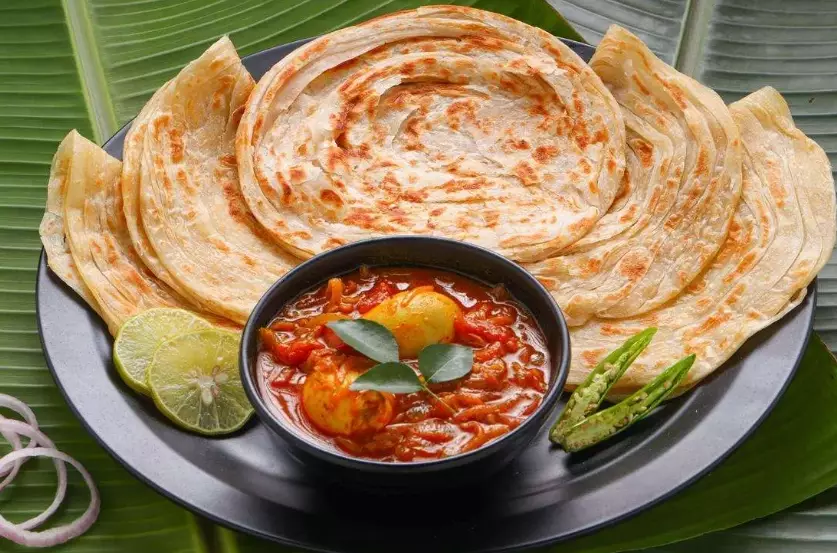
Forget Everything You Think You Know About Curry
First things first. “Curry” is a catch-all term the British used for a vast array of spiced sauces and dishes. In India, you’ll find regional specialties, family secrets, and street food that blows your mind. The goal isn’t to replicate a restaurant menu perfectly (they often use more ghee and cream than you would at home), but to capture the soul of the cuisine: layers of flavor built from the ground up.
So, where do you start? With the building blocks.
The Non-Negotiable Indian Spice Pantry
You don’t need fifty jars. You need about ten essentials, used fresh and with confidence. Think of them as your flavor toolkit. Here are the absolute must-haves for anyone learning how to make Indian food.
Whole Spices vs. Ground Spices: What’s the Deal?
This is crucial. Whole spices (like cumin seeds, cardamom pods) are usually toasted in oil at the beginning of cooking to release their aromatic oils—a process called *tadka* or tempering. It’s the secret to that deep, nutty base flavor. Ground spices (like turmeric, coriander powder) are typically added later, often after onions and tomatoes, to cook out their raw taste and blend into the gravy.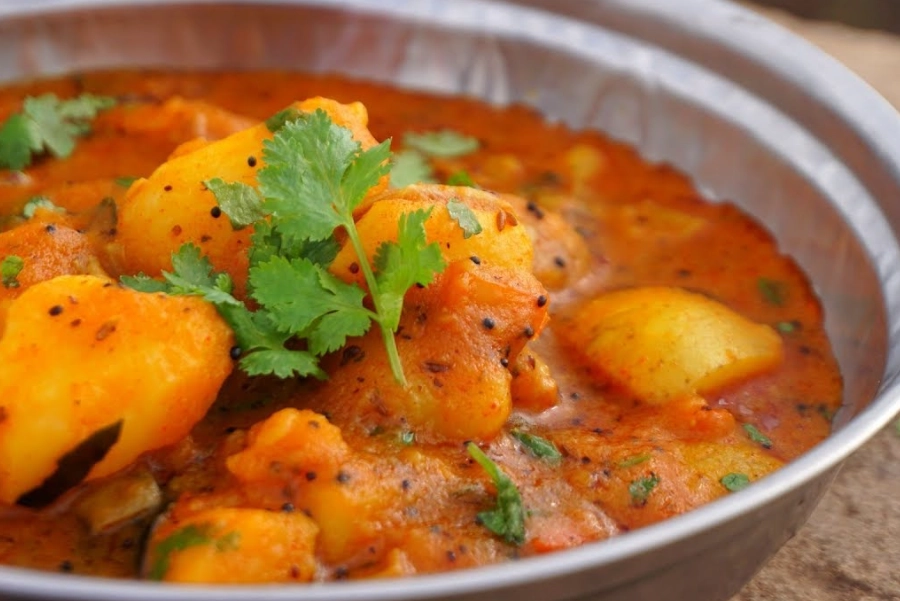
My biggest mistake early on? Adding ground cumin instead of cumin seeds at the tempering stage. It burns in seconds and turns bitter. A harsh but valuable lesson.
The Tools You Actually Need (No Fancy Gear Required)
You can start with what you have. A heavy-bottomed pot or deep skillet is your best friend—it distributes heat evenly and prevents burning. A lid is essential for cooking lentils and simmering curries.
A blender or food processor is helpful for making smooth pastes from onions, ginger, and garlic (the holy trinity known as *adrak-lasan*), but you can also grate them finely. A spice grinder, as mentioned, is a game-changer but not mandatory day one.
That’s it. Seriously. Don’t get bogged down buying equipment before you’ve even mastered the basics of how to make Indian food.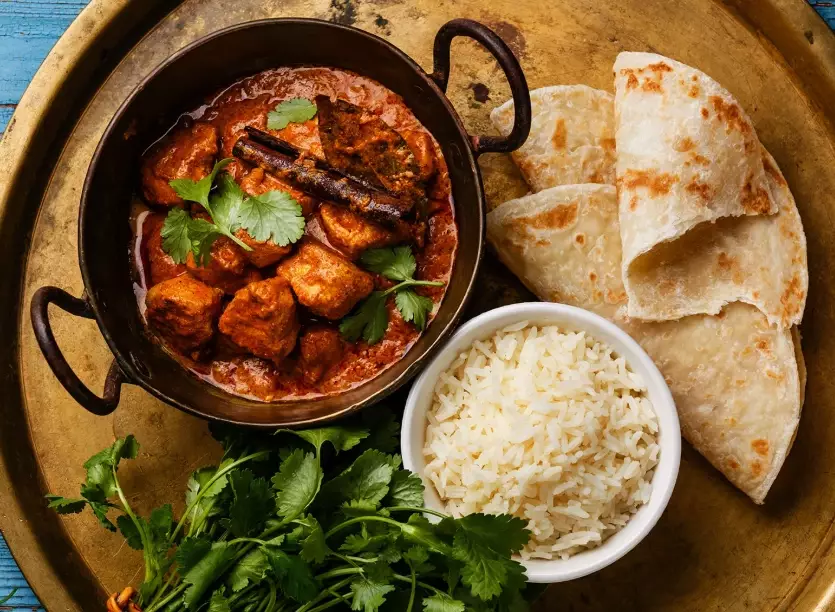
Your First Mission: Master the Base Gravy (The Foundation of Many Curries)
Many North Indian curries (butter chicken, paneer makhani) start with a similar base. Once you get this down, you can create a dozen different dishes.
- The Tempering (*Tadka*): Heat 2 tablespoons of oil or ghee in your pot over medium heat. Add 1 teaspoon cumin seeds and 2 dried red chilies (optional). Let them sizzle for about 30 seconds until the cumin darkens slightly and smells incredibly fragrant. This step infuses the oil with flavor.
- The Aromatics: Add 1 large finely chopped onion. Cook slowly, stirring often, for 10-15 minutes until they are deeply golden brown, not just translucent. This caramelization is key for sweetness and color. No rushing!
- The Ginger-Garlic Paste: Add 1 tablespoon each of grated ginger and garlic. Cook for 1-2 minutes until the raw smell disappears.
- The Tomato & Ground Spices: Add 2 chopped tomatoes (or ½ cup canned puree) and cook until they break down and the oil starts to separate from the mixture. Now add your ground spices: 1 tsp turmeric, 2 tsp coriander powder, 1-2 tsp red chili powder (to taste), and 1 tsp salt. Cook for another 2-3 minutes, stirring constantly.
- The Creamy Element & Finishing: This is where you customize. For a rich curry, stir in ½ cup cream, yogurt, or cashew paste. Add your pre-cooked protein (chicken, chickpeas, paneer) and simmer for 10 minutes. Finish with a sprinkle of garam masala and fresh cilantro.
See? It’s a process, but each step has a clear purpose. This base is your canvas.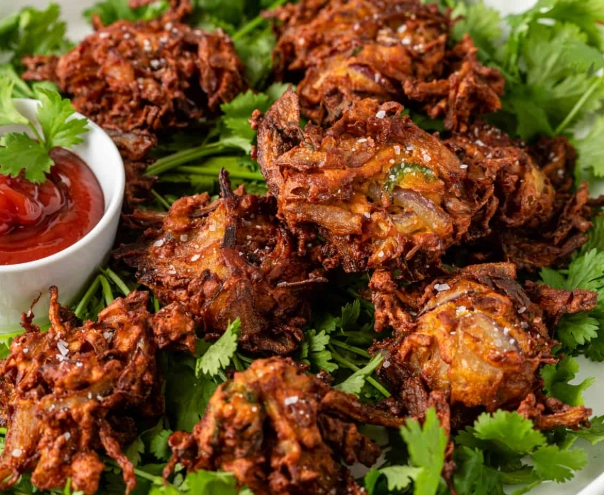
Five Classic Dishes to Build Your Confidence
Let’s apply that knowledge. Here are concrete recipes that teach specific techniques. I’ve included a handy table to compare them.
| Dish | Key Technique Learned | Core Spices | Good for Beginners? |
|---|---|---|---|
| Dal Tadka (Spiced Lentils) | Boiling lentils, making a separate tempering (*tadka*) to pour on top. | Cumin, turmeric, asafoetida (hing), dried red chili | Yes! Forgiving and quick. |
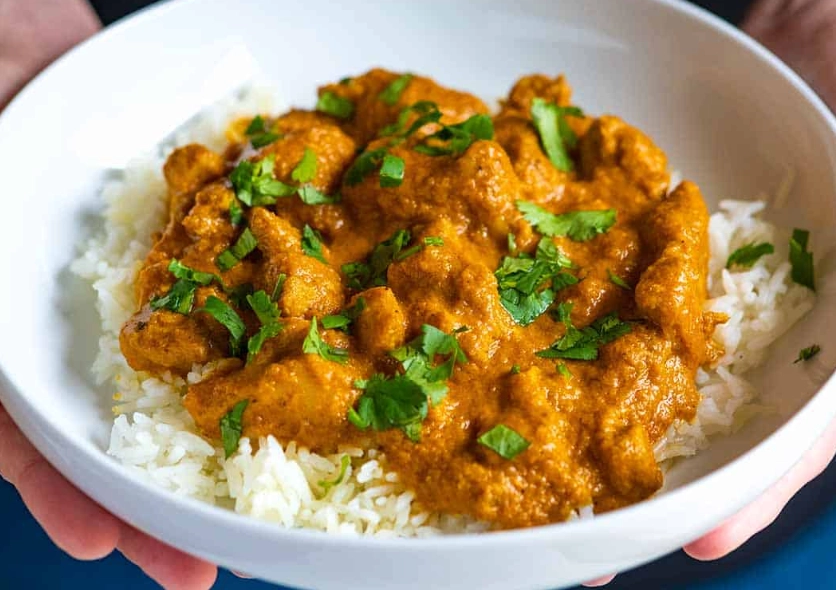
| Chicken Tikka Masala | Marinating & broiling/grilling meat (the “tikka”), then adding to a rich, creamy tomato base. | Garam masala, cumin, coriander, paprika for color | Medium (more steps, but very rewarding). |
| Aloo Gobi (Potato & Cauliflower) | Dry-cooking vegetables with spices, achieving tenderness without mushiness. | Turmeric, cumin seeds, coriander powder, amchur (dry mango powder) | Yes! A classic vegetarian staple. |
| Palak Paneer (Spinach & Cheese) | Blanching & pureeing greens, balancing their earthiness with cream and spices. | Garam masala, cumin, fenugreek leaves (kasuri methi) | Medium (managing the spinach texture). |
| Jeera Rice (Cumin Rice) | Infusing plain rice with the flavor of tempered whole spices. | Cumin seeds | Yes! The perfect side dish. |
Let’s Dive into One: The Ultimate Comfort Food - Dal Tadka
If you learn how to make one Indian dish, make this. It’s the ultimate comfort food, packed with protein, and teaches you the vital *tadka* technique. The process is in two parts: cooking the lentils, then creating a sizzling spice-infused oil to pour over the top.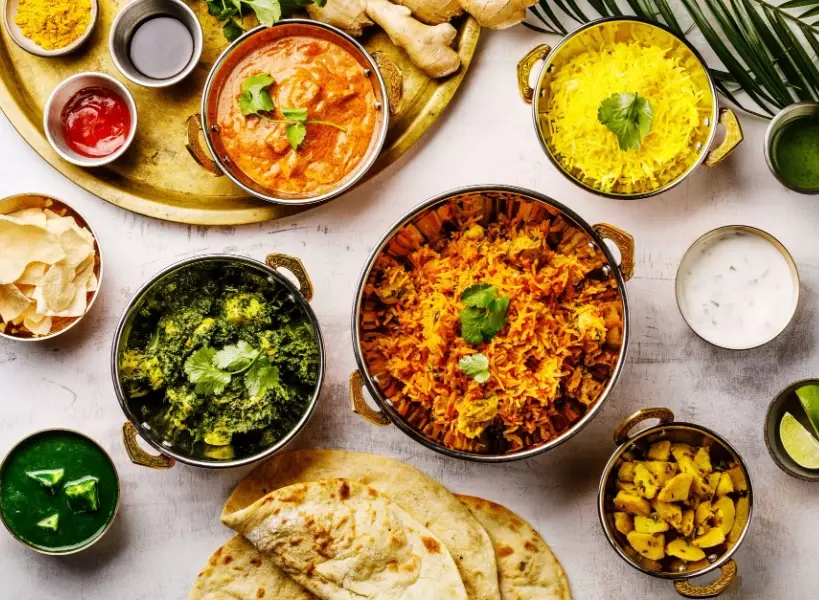
Rinse 1 cup of yellow lentils (moong dal or toor dal) until the water runs clear. Boil them with 3 cups of water, ½ tsp turmeric, and salt until completely soft and mushy (about 30 minutes). Stir occasionally and skim off any foam. You can mash them a bit with the back of a spoon.
Now, the magic. In a small pan, heat 3 tbsp ghee or oil. Add 1 tsp cumin seeds, 2 dried red chilies, a pinch of asafoetida (if you have it—it adds a savory, umami depth), and 2 cloves of chopped garlic. Let it sizzle for just 30 seconds until the garlic is golden but not burnt. Immediately pour this entire sizzling mixture over the cooked dal. It will crackle and release an incredible aroma. Stir, garnish with cilantro, and serve with rice or roti.
The first time I got the *tadka* right, my kitchen smelled like a proper Indian kitchen. It’s a transformative moment in learning how to make Indian food.
Navigating Common Pitfalls & Questions (The Stuff That Stumps Everyone)
Here’s where I answer the questions I desperately searched for when I started.
Why is my curry bland?
Three likely culprits: 1) Undercooked onions. They need to be golden brown, not just soft. 2) Raw-tasting ground spices. You didn’t cook them long enough in the oil/tomato mixture. Fry them for a full 2-3 minutes. 3) Not enough salt. Salt is a flavor amplifier, especially for spices. Be bold.
Why is my curry bitter?
You burned your spices, probably during the initial tempering. Heat control is everything. Use medium heat, not high. If using garlic in the tempering, add it last as it burns fastest.
Can I use curry powder?
You can, but understand it’s a British blend meant to approximate a complex flavor profile. For authentic results, I’d avoid it. The joy of learning how to make Indian food is controlling each individual spice. If you must, add it at the stage you’d add other ground spices, but expect a more one-dimensional flavor.
Ghee vs. Oil vs. Butter?
Ghee (clarified butter) is traditional and has a high smoke point and rich, nutty flavor—it’s ideal. Neutral oils like vegetable or avocado oil work perfectly fine. Regular butter can burn at high temps, so add it later for richness if not using ghee.
Taking It Further: Regional Flavors & Resources
Once you’re comfortable with the basics, the world opens up. Explore the coconut-based curries of South India, the mustard oil and fish dishes of Bengal, or the hearty breads and meats of the North.
For truly deep dives and authentic recipes, I rely on a few trusted sources. Websites like Veg Recipes of India are encyclopedic for vegetarian cooking. For broader context and stunning recipes, the BBC Good Food Indian collection is reliably tested. And for understanding the cultural and historical context of ingredients, the Official Incredible India Tourism site offers fascinating insights into regional cuisines.
Books are great too. I wore out my copy of “660 Curries” by Raghavan Iyer. It’s not a beginner book, but it shows the incredible diversity beyond just “curry.”
Final Thoughts Before You Fire Up the Stove
Don’t aim for perfection on the first try. My first butter chicken was too acidic, my first dal was under-salted. It’s okay. Taste as you go, adjust, and remember that even in India, every home cook makes these dishes slightly differently.
The real secret to how to make Indian food isn’t a secret ingredient. It’s patience. Patience to brown the onions slowly. Patience to let the spices toast and bloom. Patience to let a curry simmer and develop its flavors.
Start with one dish. Master the dal, or conquer a simple jeera rice with a side of store-bought pickle and yogurt. Get comfortable with the process. The flavors you’ll be able to create, the satisfaction of a meal made from scratch—it’s worth every minute. So grab a few spices, take a deep breath, and start cooking. You’ve got this.
And hey, if your first attempt isn’t great? You’re in good company. Mine wasn’t either. But the next one will be better. That’s a promise.
Discussion