That first bite of creamy palak paneer or fragrant chana masala from a good Indian restaurant feels like magic. The flavors are deep, complex, and utterly satisfying. For years, I thought recreating that magic at home required some secret chef's handshake or a pantry straight from Mumbai. My early attempts were... edible, but they missed the mark. The gravy was thin, the spices tasted raw, and nothing had that restaurant-quality depth.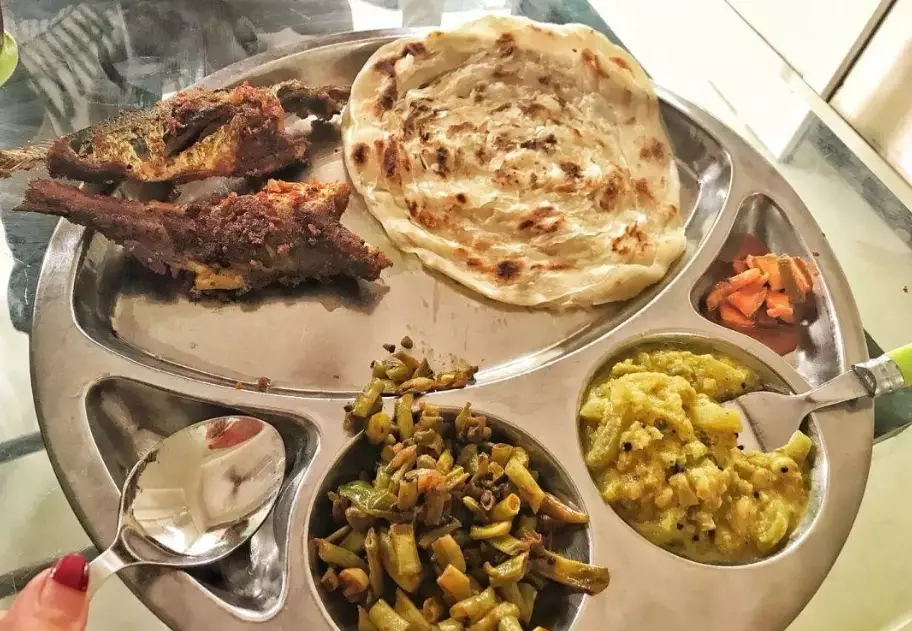
Then I spent a summer with a friend's grandmother in Gujarat. Watching her cook, I realized authentic Indian vegetarian cooking isn't about fancy techniques or a hundred ingredients. It's about a few foundational principles applied with confidence. The real secret isn't in the recipe list—it's in the process.
This guide is what I wish I had when I started. We're moving beyond "add curry powder." We're diving into how to build flavor from the ground up, tackle three cornerstone dishes that will become your weeknight heroes, and sidestep the common pitfalls that keep home-cooked Indian food from tasting truly authentic.
What's Cooking Today?
Your Indian Spice Pantry: The Non-Negotiables
Let's clear the counter. You don't need 50 jars. You need about eight, and you'll use them in almost everything. Think of them in two groups: the whole seeds and the ground powders.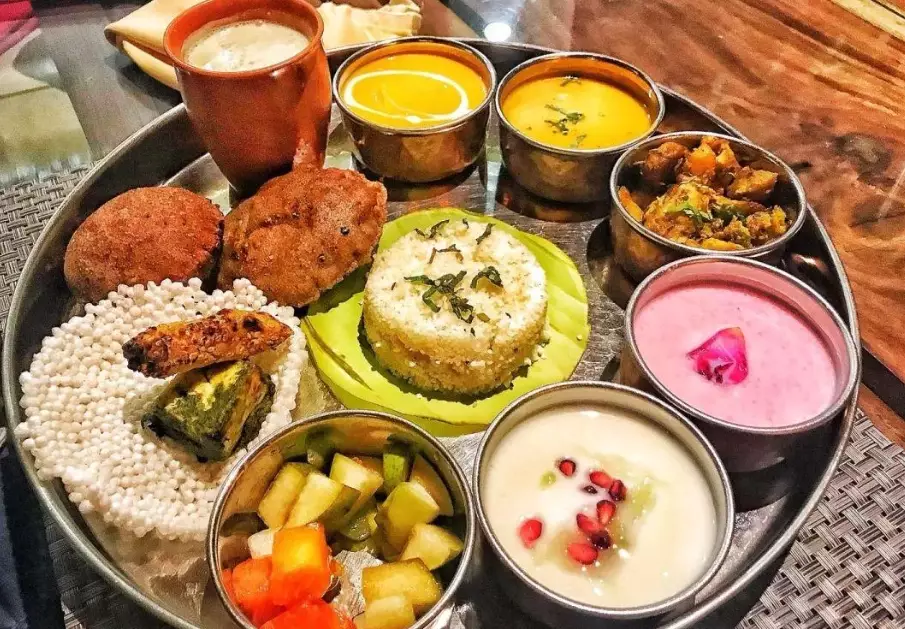
The Whole Spice Crew: Cumin seeds, mustard seeds, and coriander seeds. These are your flavor launchers. You'll typically toast them in hot oil at the start of cooking—a step called tadka or tempering. That sizzle isn't just for show; it unlocks volatile oils and transforms their flavor from sharp and grassy to nutty and profound. Keep them in small jars and buy from a store with good turnover (an Indian grocery is ideal, but many mainstream stores have decent selections now).
The Powder Powerhouses: Ground turmeric, ground coriander, red chili powder (Kashmiri is milder and adds great color), and garam masala. Notice something? No "curry powder." Authentic recipes build their own blend from these individual components. Garam masala is your finishing spice, added near the end of cooking to preserve its aromatic punch. A common beginner mistake is adding it at the start with the other powders, which makes its flavor disappear.
One more hero: asafoetida (hing). It's a resinous powder with a pungent smell that mellows into a savory, almost garlic-onion flavor when cooked. It's a classic addition in lentil dishes and for digestibility. If you can't find it, your dish will still be good, but it's that elusive "something" in restaurant food.
Three Foundational Recipes You'll Actually Make
These aren't just random recipes. Each teaches a core technique essential to the cuisine. Master these, and you can cook hundreds of dishes.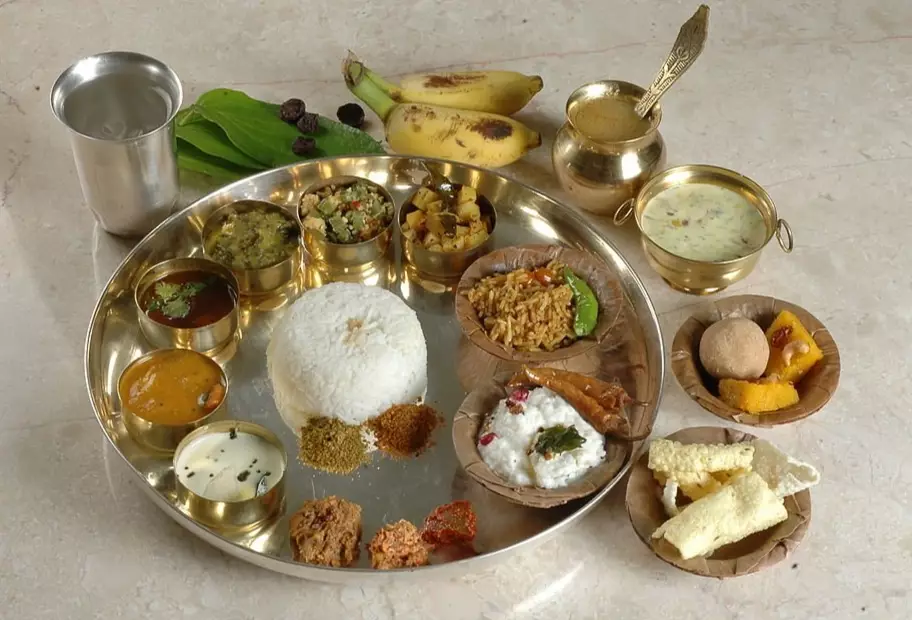
1. Palak Paneer: Mastering the Creamy (But Cream-Less) Gravy
The Lesson: How to create a rich, silky sauce using pureed vegetables and nuts, no heavy cream needed. The trick is in blanching the spinach to lock in color and blending it smooth with a handful of cashews or almonds.
The Pro Tip Nobody Tells You: After you blend the spinach, cook it again. Simmer that puree with your spices for a good 8-10 minutes. This cooks out the raw "green" taste and allows the flavors to marry deeply. Adding the paneer cubes right at the end keeps them soft and pillowy instead of rubbery.
2. Chana Masala: The Art of the Spiced Tomato Base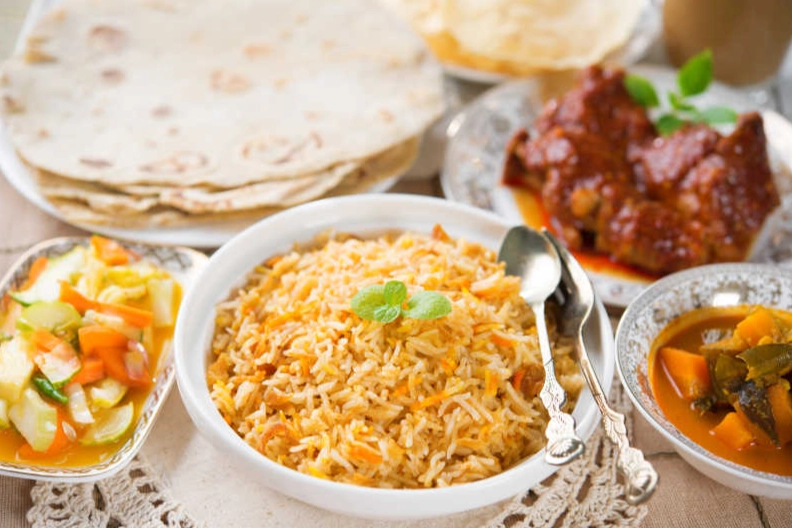
The Lesson: Building a robust, tangy gravy from onions, tomatoes, and spices. This is the mother sauce for countless Indian curries. The key is patience—cooking the onions down until they're deeply golden, not just translucent, and letting the tomatoes break down completely until the oil starts to separate from the mixture.
The Pro Tip Nobody Tells You: A pinch of amchur (dry mango powder) or a squeeze of lemon juice at the very end is non-negotiable. That hit of acidity lifts the entire dish and is the signature tang of a great chana masala. Canned tomatoes work fine, but if they're too acidic, a tiny pinch of sugar balances it.
3. Aloo Gobi: Dry-Spice Technique and Vegetable Texture
The Lesson: Not every Indian dish is swimming in gravy. Dry dishes like aloo gobi (potatoes and cauliflower) rely on coating the vegetables in perfectly toasted spices. The method here is different: you often cook the spices directly with the vegetables and a little water, letting everything steam and roast in the pan.
The Pro Tip Nobody Tells You: Don't stir too much. Let the potatoes and cauliflower sit in the hot pan to get some browned, caramelized edges. That Maillard reaction adds a layer of flavor you can't get from just steaming. And parboil your potato cubes first—it ensures they cook through at the same rate as the cauliflower.
The Pro Moves: Techniques That Make the Difference
You have the spices and the recipes. Now, let's talk execution. These are the subtle shifts that elevate your cooking.
The Onion Foundation: Most gravies start with onions. Blitz them in a food processor until they're a wet paste. This paste, cooked slowly in oil until it turns a rich golden-brown (this can take 15-20 minutes), is the flavor bedrock. It adds sweetness, body, and complexity. Rushing this step is the #1 reason home curries taste thin.
Spice Logistics: Add your ground spices (turmeric, coriander, chili powder) after the onions are cooked and before adding tomatoes or other wet ingredients. Fry them in the oil for just 30-60 seconds. This "blooms" the spices, toasting them in the fat and removing any raw, dusty taste. You'll smell the change instantly.
Ginger-Garlic Paste, Fresh vs. Jarred: Fresh is best, no contest. Grate a knob of ginger and 4-5 garlic cloves on a microplane. The jarred stuff often has preservatives and vinegar that alter the flavor. If you must use jarred, use half the amount the recipe states for fresh.
Where Most Home Cooks Go Wrong (And How to Fix It)
I've made these mistakes so you don't have to.
Mistake 1: Not cooking the tomato enough. You add diced tomatoes, they get warm, and you move on. Wrong. Cook them down until they lose their shape, thicken into a jammy paste, and you see oil glistening around the edges of the pan. This concentrates their flavor and sweetness.
Mistake 2: Using water when you could use something better. The liquid you add to your curry matters. Instead of plain water, use the starchy water from boiling potatoes or chickpeas. It thickens the gravy naturally. Vegetable stock is another great option. For a richer dish, a splash of coconut milk or a tablespoon of cashew paste works wonders.
Mistake 3: Fear of fat. Authentic Indian cooking uses oil or ghee generously. It's the medium that carries and mellows the spices. Skimping on it makes spices taste harsh and the overall dish feel unbalanced. You're not drinking the oil; it's an integral part of the flavor architecture.
Your Indian Cooking Questions, Answered
 The journey to authentic flavors is more about unlearning shortcuts than memorizing recipes. It's about respecting the time it takes to brown an onion and trusting the process of toasting a spice. Start with one dish—maybe the chana masala—and cook it until you're bored of it. You'll learn its rhythms. Then try the next.
Your kitchen will smell incredible. And that first bite of your own, deeply-flavored, perfectly-spiced creation? That's the real magic. It's not takeout. It's better.
Discussion