Let's be honest. The internet is full of South Indian breakfast recipes. Type in "idli recipe" and you'll get a million hits. But how many of them tell you why your idlis turned out flat as pancakes last Tuesday? Or explain the subtle difference between a Bangalore benne dosa and a classic Mysore masala dosa that makes all the difference? Not many. Most just list ingredients and steps. That's where this guide is different. I've spent over a decade cooking, failing, and finally mastering these dishes in a kitchen far from the coconut groves of Tamil Nadu. This isn't just a recipe collection; it's a troubleshooting manual and a cultural deep dive rolled into one.
Your Quick Guide to South Indian Breakfast
The Foundation: Understanding the Staples
South Indian breakfast isn't random. It's a system built on a few key pillars. Get to know these, and the recipes start to make intuitive sense.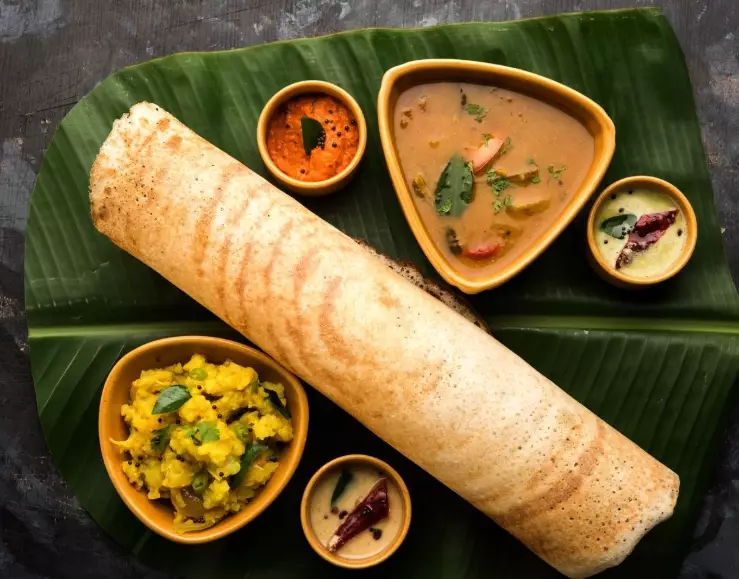
First, rice and lentils. Not just any rice, typically parboiled rice or idli rice, which has a higher starch content. The lentils are almost always urad dal (black gram). This combination is non-negotiable for idli and dosa. The rice provides structure, the urad dal, when ground and fermented, creates the air pockets and that signature sour tang.
Then there's the tempering (tadka). This technique of frying spices in hot oil and pouring it over a dish is magic. For upma or pongal, it's the flavor bomb that wakes up the semolina or rice. Mustard seeds, cumin, curry leaves, dried red chilies, asafoetida (hing) – this is the aromatic soul of many dishes.
A quick note on regionality: South India is vast. A Tamilian's breakfast plate will differ from a Kannadiga's or a Keralite's. For instance, Kerala leans heavily on appam and stew, while Andhra might bring in spicier elements. The recipes here are the classics that form the common core.
Finally, the accompaniments. A South Indian breakfast is incomplete without its sides. Coconut chutney is the universal constant – fresh coconut, green chilies, ginger, and a tadka. Sambar, a lentil-based vegetable stew, is the other hero. Then you have tomato chutney, peanut chutney, and milagai podi (gunpowder spice mix) with oil. These aren't afterthoughts; they're integral to the experience.
Mastering Fermentation: The Heart of South Indian Breakfast
This is where most home cooks, especially outside India, stumble. Fermentation isn't just a step; it's the entire point for idli and dosa. A poorly fermented batter is a one-way ticket to dense, gummy results.
The Idli & Dosa Trinity: Recipes Decoded
Let's break down the big three. Here’s a quick comparison before we dive into the nitty-gritty.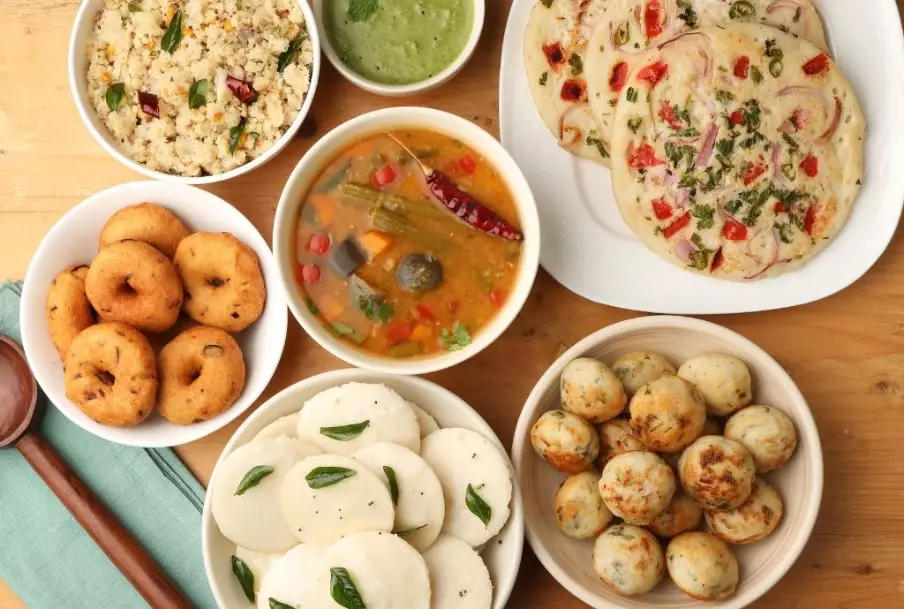
| Dish | Core Ingredients (Ratio) | Texture & Character | Key to Success |
|---|---|---|---|
| Classic Idli | Idli Rice : Urad Dal (4:1) | Soft, spongy, pillowy, slightly sour. | Long fermentation (8-12 hrs), thick batter consistency. |
| Plain Dosa | Parboiled Rice : Urad Dal (3:1) | Crispy, lacy, golden-brown, tangy. | Thin batter, very hot griddle, perfect swirl technique. |
| Rava (Sooji) Upma | Semolina, vegetables, tempering. | Soft, granular, savory, hearty. | Roasting the semolina until fragrant to avoid mushiness. |
The Classic Idli Recipe (With the One Mistake Everyone Makes)
Everyone says "soak, grind, ferment." Here's what they don't tell you. The single biggest mistake is using warm or hot water to grind the batter. It kills the natural yeast. Always use cold water. Here's my method:
- Soak 2 cups idli rice and 1/2 cup urad dal separately for 4-6 hours.
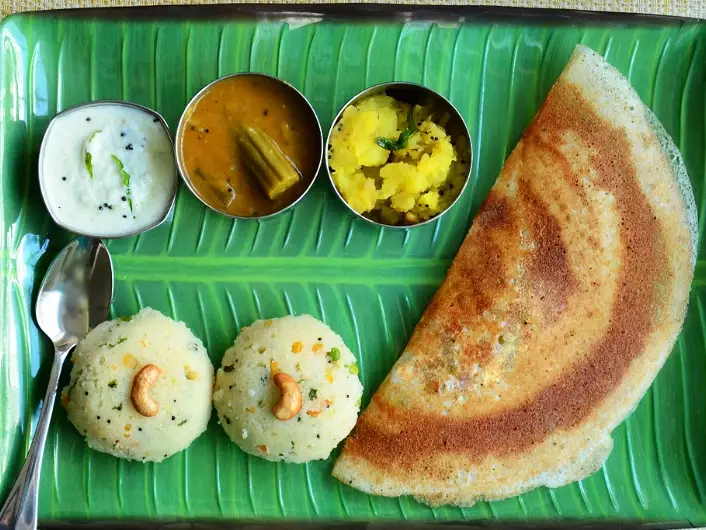
- Grind the urad dal first with minimal ice-cold water until it's super fluffy and white, like shaving cream. This takes time – about 20-25 minutes in a wet grinder. This aeration is crucial.
- Grind the rice coarsely, with a bit more water. It should feel gritty between your fingers.
- Mix both batters with 1.5 tsp salt. The consistency should be thick, like a very heavy cake batter. If it's runny, your idlis will be flat.
- Ferment in a large, greased container with plenty of room for the batter to double. The ideal spot is an off-but-warm oven with the light on. In cold climates, I place the container in a large pot of warm water and cover it with a towel. Ferment until bubbly and risen, usually 8-12 hours.
- Grease idli molds, pour the batter, and steam for 10-12 minutes. Let them sit for 2 minutes before prying them out with a spoon.
The Foolproof Crispy Dosa
Dosa batter is similar but uses parboiled rice for crispiness and is ground to a smoother, thinner consistency. The magic happens on the griddle. Your tawa or skillet must be smoking hot. Test it with a drop of water – it should sizzle and evaporate instantly. Lower the heat to medium, take a ladle of batter, and pour it in the center. Using the bottom of the ladle, swirl outwards in a quick, confident spiral motion. Don't press down. Drizzle ghee or oil around the edges. Wait until the edges lift and the top looks dry. Flip for 30 seconds if you like, or just fold and serve. The first dosa is often a sacrificial one to season the pan – don't worry if it sticks.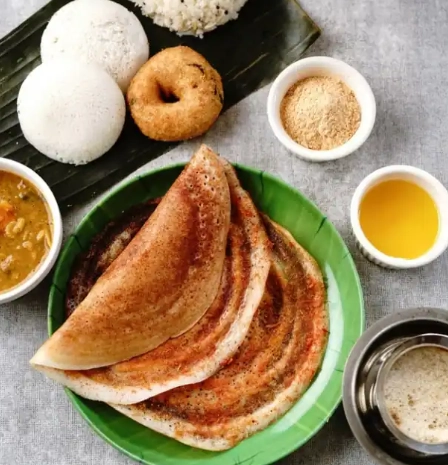
Beyond the Batter: Quick & Hearty Alternatives
Not every morning is a fermentation morning. Here are two lifesavers.
Rava Upma in 15 Minutes Flat
Upma gets a bad rap for being bland or gluggy. It shouldn't be. The secret is in the roast. Heat 1 tbsp oil/ghee. Add 1 tsp mustard seeds, 1 tsp urad dal, a few curry leaves, a pinch of asafoetida, and 2 chopped green chilies. Once the mustard pops, add 1 cup of coarse rava (semolina). Roast on medium-low heat, stirring constantly, for 4-5 minutes until it smells nutty and turns a shade darker. This step is non-negotiable – it keeps the upma fluffy. Carefully pour in 2.5 cups of boiling water mixed with salt. Stir vigorously to avoid lumps. Cover and cook on low for 3 minutes. Fluff with a fork, stir in some cilantro, and serve with lemon wedges and coconut chutney.
Pongal: The Comfort King
Pongal is essentially a savory, peppery khichdi. Cook 1/2 cup rice and 1/4 cup moong dal (yellow split gram) in a pressure cooker with 4 cups water, turmeric, and ginger until mushy. In a separate small pan, heat 2 tbsp ghee. Fry 1 tsp peppercorns, 1 tsp cumin seeds, a handful of cashews, and curry leaves. Pour this sizzling tempering over the cooked rice-dal mixture. Add salt, mash a bit, and serve steaming hot. It's the ultimate hug in a bowl.
Your Breakfast, Fixed: Solving Common Cooking Fails
I've been through all of these. Let's troubleshoot.
- Idlis are hard/dense: Batter didn't ferment enough. Possible causes: cold environment, not enough aeration while grinding urad dal, batter too runny. Next time, ensure urad dal is whipped to peak fluffiness and ferment in a warm place.
- Dosa sticks to the pan: The pan isn't hot enough when you start, or it's not properly seasoned. Let it heat up thoroughly. After each dosa, wipe the pan with an oiled paper towel or half an onion to re-season.
- Dosa is too thick/not crispy: Batter is too thick. Add a little water to adjust consistency. Also, ensure you're swirling quickly to get a thin layer.
- Upma is mushy: You didn't roast the rava long enough, or you used too much water. The roast is key to coating each grain and preventing it from turning into paste.
Discussion