That midday question hits hard. You want something satisfying, flavorful, and ideally not something that'll keep you in the kitchen for hours. The idea of an Indian lunch can feel daunting—all those spices, the long lists of ingredients. I've been there. But here's the secret I learned after years of trial and error: a great Indian lunch doesn't have to be complex. It's about smart choices and understanding a few core principles.
Forget the restaurant-style extravaganza. Let's talk about real, achievable food you can make at home.
Your Quick Guide to Indian Lunch Ideas
The 15-Minute Jumpstart for Busy Days
Let's be honest. Sometimes you just need food, fast. Here’s your emergency protocol.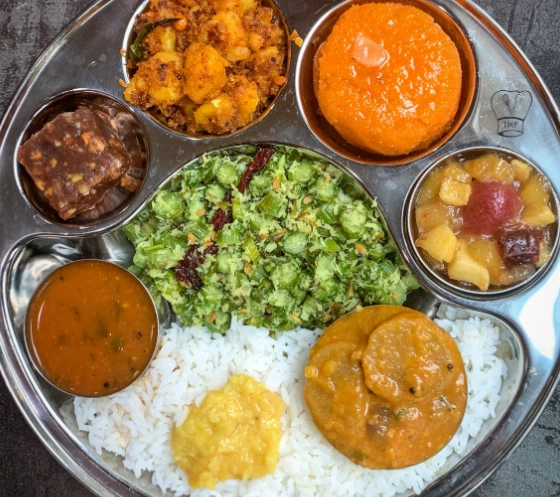
The “Kitchen Sink” Paratha Wrap: Grab a leftover paratha or roti. Smear it with a spoonful of pickle (achar) or mint chutney. Throw in some sliced onions, leftover sabzi (any cooked vegetable), maybe a few spoons of dal or rajma. Fold it up and toast it on a pan for a couple of minutes. Instant, crispy, filling.
Yogurt Rice (Dahi Chawal or Curd Rice): This is Southern Indian comfort food at its fastest. Mix cooked and cooled rice with thick yogurt. Temper mustard seeds, cumin, dried red chili, and curry leaves in a little oil and pour it over. Add salt. Done. It's cooling, probiotic, and ridiculously easy.
These aren't gourmet, but they solve the immediate problem. Now, for when you have a bit more time to plan.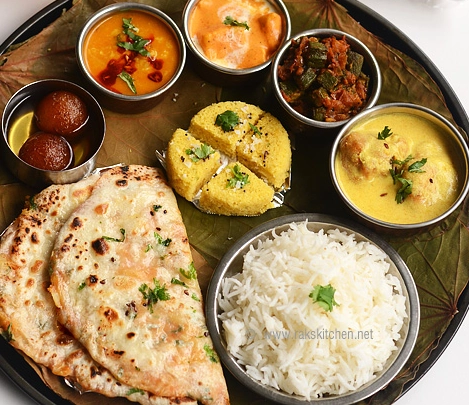
The Recipe Roundup: From Classics to Quick Fixes
Here are 7 reliable anchors for your Indian lunch. Think of them as your main players.
1. The Classic Comfort: Tadka Dal
The heartbeat of an Indian meal. You can use masoor dal (red lentils) for speed (cooks in 20 mins) or toor dal (pigeon pea) for a more traditional taste. Boil the dal with turmeric. Separately, in a small pan, heat ghee or oil, add cumin seeds, garlic, a dried red chili, and maybe some asafoetida. Let it sizzle and pour this 'tadka' over the cooked dal. It's simple, protein-packed, and goes with everything.
2. The Crowd-Pleaser: Easy Chicken Curry
Don't get lost in 20-ingredient gravies. Marinate chicken pieces in yogurt, ginger-garlic paste, salt, and red chili powder for 30 minutes. Brown onions in a pot, add tomatoes and basic coriander powder. Cook it down to a paste, add the marinated chicken, and simmer until cooked. Finish with garam masala. It’s a one-pot wonder that feels special.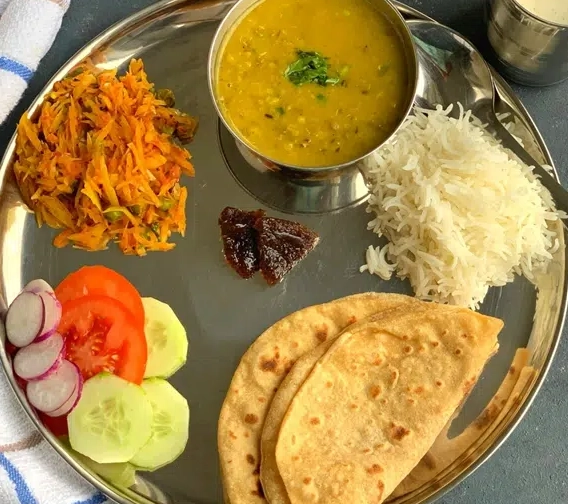
3. The Vegetarian Powerhouse: Chana Masala
Canned chickpeas are your friend here. Sauté onions, ginger, and green chilies. Add tomato puree and the magic trio: coriander powder, cumin powder, and a good chana masala spice mix (I like Everest or MDH). Dump in the chickpeas with some water, simmer for 15 minutes. Squeeze lemon on top. Substantial, healthy, and fantastic for meal prep.
4. The Dry Veggie Side (Sabzi): Okra (Bhindi), cabbage, or green beans. The key is high heat and don't crowd the pan. For bhindi, slice, toss with dry mango powder (amchur) and salt, and sauté in oil until the stickiness is gone. It takes 10 minutes.
5. The Instant Flavor Bomb: Jeera Rice It's just rice, but transformed. Cook basmati rice. In another pan, fry cumin seeds in ghee until fragrant, optionally add some fried onions or peas, and mix it gently into the cooked rice. It elevates any simple dal.
6. The Lighter Option: Sprout Salad (Moong Sprout Chaat) Fresh moong sprouts, chopped tomatoes, onions, cucumber. Toss with lemon juice, salt, roasted cumin powder, and a pinch of chaat masala. No cooking, just chopping. Refreshing and packed with nutrition.
7. The Weekend Project (That's Worth It): Biryani or Pulao. A one-pot rice dish with meat or veggies and aromatic spices. It's a full meal in itself. Make a larger batch—it often tastes better the next day.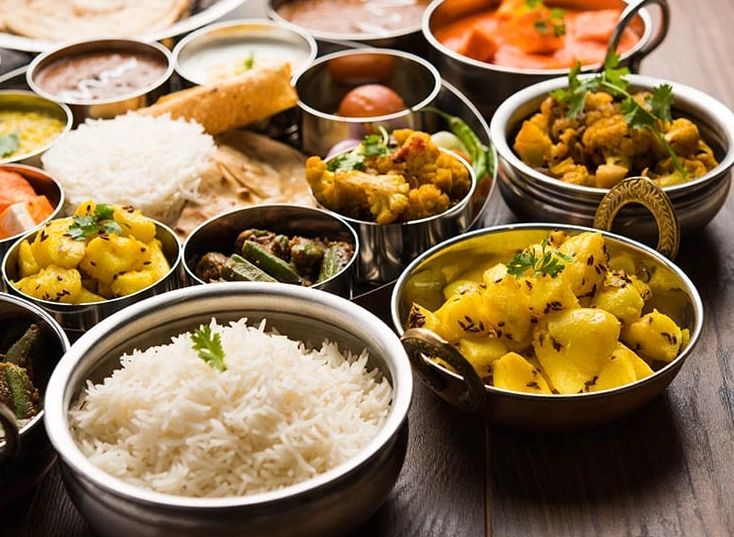
My Personal Time-Saver: I always have a container of fried onions (birista) in the fridge. Store-bought is fine. A tablespoon sprinkled over dal or rice adds a deep, caramelized flavor in seconds. It's a cheat code for depth.
How to Build a Balanced Indian Thali (Even on a Busy Day)
The traditional thali is a blueprint for a perfect meal. You don't need six different bowls. Aim for this combo:
The Grain: Steamed rice or 2 fresh rotis/phulkas.
The Protein: A bowl of dal (like Tadka Dal) or a legume curry (Chana Masala, Rajma).
The Vegetable: A dry or semi-dry sabzi (like Sautéed Okra or Aloo Gobi).
The Accompaniment: A small side of raita (yogurt with cucumber/boondi) or plain yogurt.
That's four elements. Sometimes, I just do three: Rice + Dal + a big salad. The pickle or chutney is optional but great for a tangy kick.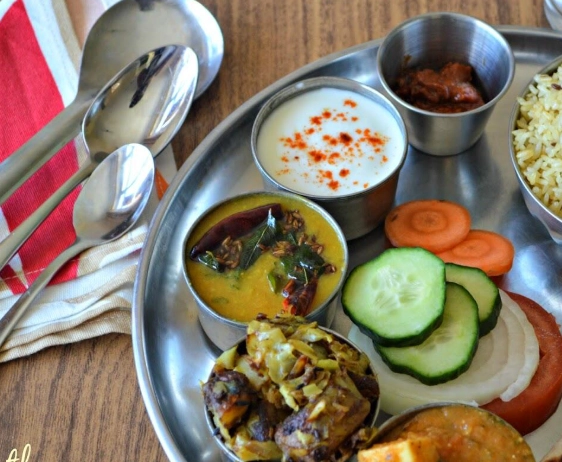
Sample Lunch Combinations
- Quick Tuesday: Jeera Rice + Tadka Dal (using masoor dal) + store-bought papad.
- Hearty Thursday: Roti + Chana Masala + Kachumber salad (onion, tomato, cucumber).
- Light Friday: Curd Rice + Sprout Salad.
The Pro-Tricks No One Tells You About
This is where experience talks. You won't find these in every basic recipe.
Bloom Your Spices. Don't just add powdered spices to water. Fry them for 30 seconds in the oil or ghee after the onions are cooked, before adding tomatoes or liquid. This unlocks their essential oils and removes any raw taste. It makes a massive difference in flavor depth.
The Ginger-Garlic Paste Truth. Freshly made paste is best, but a good-quality store-bought one is a fine timesaver. The real mistake? Adding it to cold oil. Let the oil get hot first, then add the paste and fry it until the raw smell disappears (about 2 minutes). It should turn a light golden.
Salt in Layers. Season your dal water. Salt your curry base. Do a final adjustment at the end. Food seasoned in stages tastes more complete.
Don't Fear the Pressure Cooker. For Indian cooking, it's not just for dal. Use it to cook beans (rajma, chana) from dry in a fraction of the time, or to make a potato curry in 10 minutes. It's the ultimate weeknight tool.
One last thing. Your kitchen doesn't need to smell like a spice bazaar for a week. Proper ventilation helps, but also, toasting whole spices briefly before grinding (if you grind your own) gives a warmer, less pungent aroma that dissipates faster.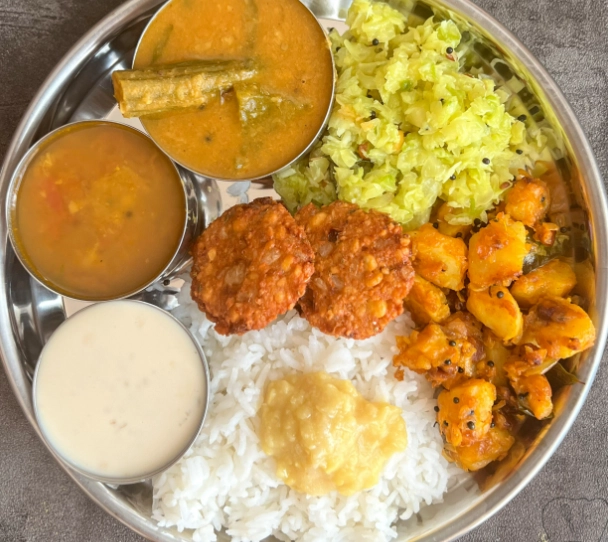
Discussion