Let's be honest. After a long day, the last thing you want is a dinner that's heavy, complicated, or leaves you feeling sluggish. You scroll through recipes, but everything seems to need a hundred ingredients or hours of prep. Sound familiar? That's where South Indian cooking comes in. Forget the stereotype of overly rich curries. A traditional South Indian dinner is a masterclass in balance—light, nutritious, packed with flavor, and often surprisingly quick to put together. It's built on a foundation of rice, lentils, fresh vegetables, and a vibrant arsenal of spices that are toasted and ground to unlock their magic. This isn't just food; it's a system for healthy, satisfying eating that works for real weeknights.
今晚吃什么?快速导航
Why a South Indian Dinner Solves Your Weeknight Problems
Most of us think dinner needs a central protein, a carb, and a veg, all separate on the plate. South Indian meals flip that. The core is usually a seasoned rice dish or a rice-and-lentil combination. Around it, you build with sides that add different textures and flavors: a brothy lentil soup (rasam), a dry vegetable stir-fry (poriyal), a yogurt-based salad (raita or pachadi), and maybe a crunchy papadum. This modular approach is genius. It means you can prep components in parallel. While rice cooks, you can whip up a poriyal. It's varied, nutritionally complete, and feels like a feast without requiring chef-level skills.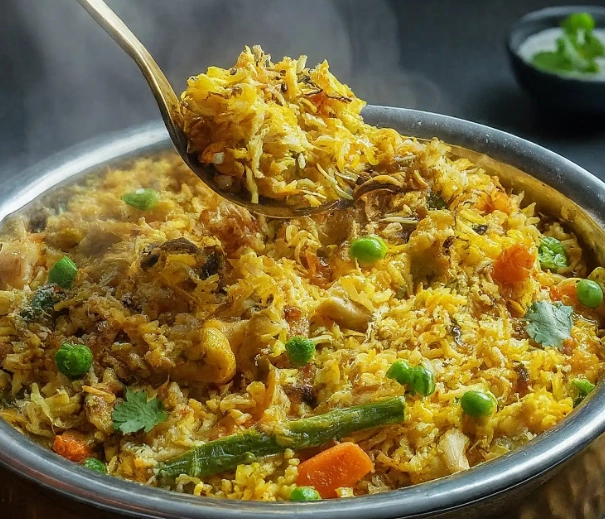
The secret most blogs don't tell you? The real flavor doesn't come from a pre-mixed curry powder. It comes from the "tadka" or "tempering"—the technique of frying whole spices like mustard seeds, cumin, and dried chilies in hot oil at the start or finish of a dish. That sizzle releases volatile oils and transforms the entire dish. Skipping this step or doing it with insufficiently hot oil is the single biggest reason home-cooked versions taste flat.
Three Main Stars: Your Rice Base Options
Your rice dish is the anchor. You want something flavorful enough to stand alone but versatile enough to pair with your sides. Here are three winners, ranked by my own weeknight ease and flavor payoff.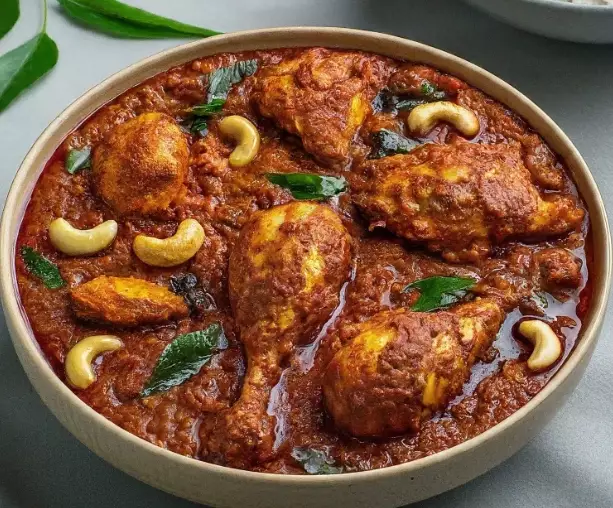
| Dish | What It Is & Why It Works | Active Prep/Cook Time | One Key Tip for Best Results |
|---|---|---|---|
| Sambar Rice (Bisi Bele Bath) | A one-pot wonder from Karnataka. Rice and lentils cooked with a special spice blend and tamarind, resulting in a hearty, tangy, and spicy porridge-like dish. It's a complete meal in a bowl. | ~45 minutes (mostly hands-off while it cooks) | Use a pressure cooker or Instant Pot to cook the rice and lentils together with the sambar powder. The texture becomes perfectly melded. |
| Coconut Rice (Thengai Sadam) | Fragrant basmati rice tossed with freshly grated coconut, tempered spices, and roasted peanuts or cashews. It's lightly spiced, slightly sweet, and incredibly aromatic. | ~25 minutes | Use day-old cooked rice. Fresh rice turns mushy. And don't skip toasting the coconut lightly in the tempering—it deepens the flavor immensely. |
| Lemon Rice (Chitranna) | The ultimate quick fix. Cooked rice mixed with a vibrant tempering of mustard seeds, turmeric, chilies, and plenty of fresh lemon juice. It's zesty, bright, and perfect for using leftover rice. | ~15 minutes | Add the lemon juice off the heat, after mixing the rice with the tempering. Cooking lemon juice can make it bitter. |
My personal go-to on a Tuesday night? Lemon Rice. It's faster than ordering takeout. But if I have a bit more time on a Sunday, I'll make a big pot of Sambar Rice—it tastes even better the next day.
The Must-Have Side Dishes & Condiments
You don't need all of these every time. Pick one or two to complement your main rice dish.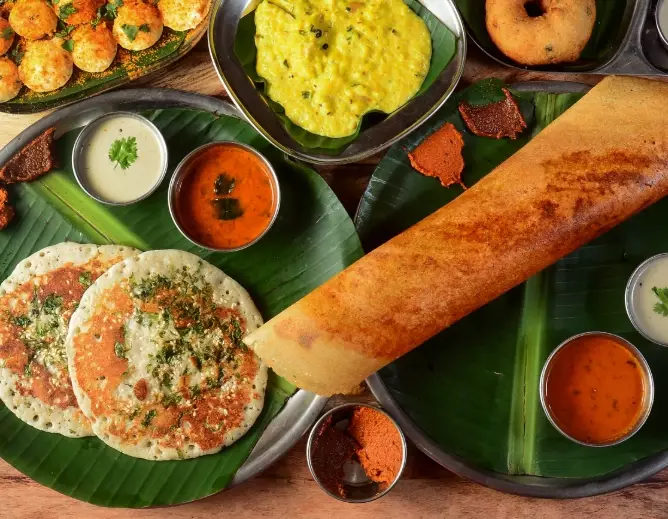
Rasam: The Flavorful Pepper Water
Think of it as a spicy, sour, clear soup made with tamarind, tomatoes, and a distinct rasam powder. It's served in a small bowl, often sipped alongside rice or mixed with it. It's a digestive aid and incredibly comforting. The trick is getting the balance right—too much tamarind and it's puckering, too little and it's bland. Start with a tested recipe and adjust to your taste.
Poricha Kootu / Poriyal: The Vegetable Side
This is your daily vegetable dish. A poriyal is a dry-ish stir-fry, often with cabbage, beans, or carrots, tempered with mustard seeds and urad dal. A kootu is softer, with lentils and vegetables cooked together into a thicker stew (like spinach and moong dal). Both are simple, healthy, and add crucial texture and nutrients.
Yogurt (Thayir) or Raita
Non-negotiable. The cool, plain yogurt balances the heat and spices from the other dishes. You can serve it plain or whip up a quick raita with grated cucumber, tomato, or roasted cumin powder.
Putting It All Together: 3 Complete Dinner Menus
Let's move from theory to practice. Here’s how I plan three different dinners, from lightning-fast to a relaxed weekend meal.
Menu 1: The 30-Minute Express (For when you're truly wiped)
Main: Lemon Rice (using leftover or pre-cooked rice).
Sides: A simple Cucumber Raita (grate cucumber into yogurt, add salt). A handful of store-bought papadums microwaved for 30 seconds.
Why it works: The lemon rice is the flavor hero. The raita cools it down. The papadum adds crunch. Minimal effort, maximum satisfaction.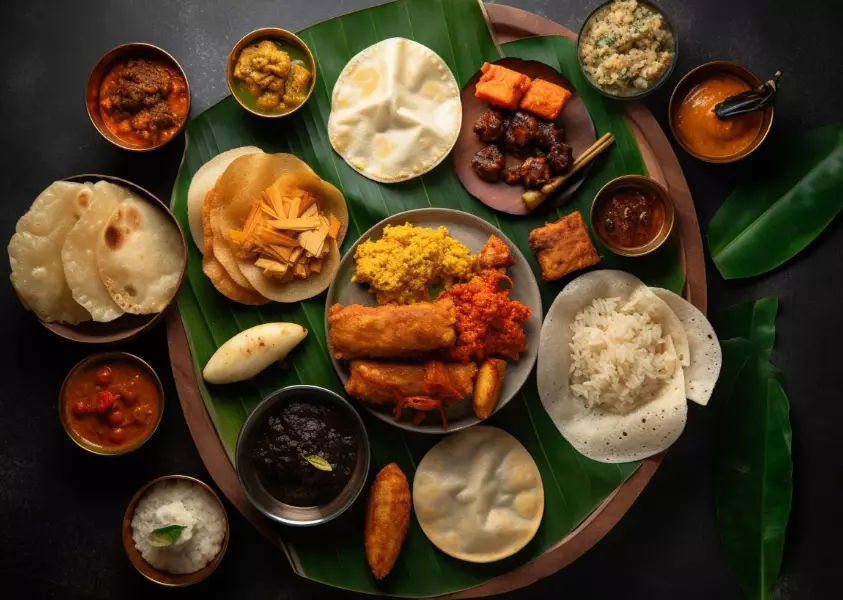
Menu 2: The Balanced Weeknight Classic
Main: Coconut Rice.
Sides: Carrot and Green Bean Poriyal. A bowl of plain yogurt. A simple Tomato Rasam (can be made ahead).
Why it works: The sweet coconut rice pairs beautifully with the savory, crunchy poriyal. The rasam adds a tangy, liquid element. This feels like a proper, home-cooked meal.
Menu 3: The Weekend Comfort Feast
Main: Sambar Rice (Bisi Bele Bath).
Sides: Crispy Okra Fry (Bhindi). More plain yogurt. A spicy mango pickle (achaar).
Why it works: The rich, complex sambar rice is the star. The crispy okra provides a contrasting texture. The pickle adds a punchy, fermented note. This is celebratory food.
Pro Tips & Common Pitfalls to Avoid
I've burned my share of mustard seeds and made rasam so sour it made my eyes water. Learn from my mistakes.
Invest in a coffee grinder for spices. I mean it. Pre-ground coriander and cumin lose their soul in weeks. Buying whole spices and grinding small batches (like a 1/4 cup at a time) changes everything. The aroma will fill your kitchen, and the flavor in your food will be brighter, more complex. It's the single biggest upgrade you can make.
Get your tempering (tadka) right. Heat the oil (ghee or coconut oil work best) on medium-high until it shimmers. Add mustard seeds. Wait until they stop popping wildly—that's the sign they've released their flavor. Then add other items like urad dal, dried red chilies, and curry leaves. If you add everything at once into cold oil, you'll just get greasy, raw-tasting spices.
Don't fear the ghee. A teaspoon of ghee drizzled over your finished sambar rice or lemon rice isn't just indulgence; it carries fat-soluble flavors and adds a rich, rounded finish that oil can't match. According to a 2020 review in the Journal of Ayurveda and Integrative Medicine, ghee, when used in moderation as part of a balanced diet, has been a staple in traditional systems like Ayurveda for centuries.
Fresh curry leaves are worth hunting for. Dried ones are a pale shadow. Find an Indian grocery, buy a bunch, and freeze them. They'll keep for months. That citrusy, unique aroma is a hallmark of South Indian cooking.
Discussion