Let’s be honest. Most palak paneer recipes online promise "restaurant-style" results but deliver a murky, bitter, or grainy disappointment. The gap between a good and the best palak paneer isn’t huge—it’s a series of small, deliberate choices. After years of trial and error (including more than a few batches of greyish sludge), I’ve nailed down the non-negotiable steps. The secret isn’t a magical spice; it’s how you treat the spinach, layer the flavors, and handle the paneer. Forget everything you think you know. Here’s how to make palak paneer that’s vibrantly green, luxuriously creamy, and complex in flavor, every single time.
What You'll Learn in This Guide
Key Ingredients: From Spinach to Paneer
You can’t build a great dish with mediocre parts. Let’s break down each component.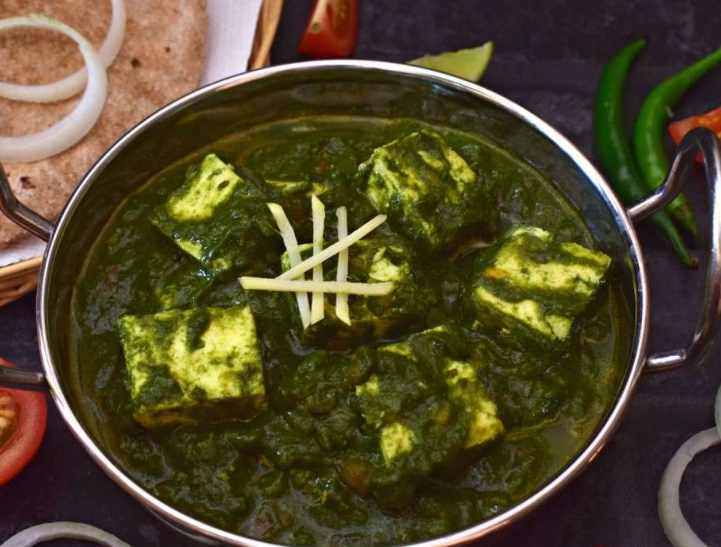
The Spinach: Fresh vs. Frozen
Fresh, mature spinach leaves (not baby spinach) are the gold standard. They have a deeper, more authentic flavor. You’ll need about 500 grams (a large bunch), stems trimmed. The washing is critical—grit ruins everything. Soak, swish, rinse, repeat.
Frozen chopped spinach is a legitimate shortcut, especially outside of season. Use about 300 grams. Thaw completely and squeeze out every last drop of water. This step is non-negotiable unless you want a watery curry.
The Paneer: Store-Bought vs. Homemade
This is a major fork in the road. Most store-bought paneer is rubbery and bland. It won’t absorb the gravy. For the best palak paneer, you have two superior options:
Option 1: High-Quality Store-Bought. If you must buy it, look for brands that feel soft and moist. Before using, always soak the cubes in hot (not boiling) water for 15-20 minutes. This rehydrates and softens them, allowing the gravy to seep in.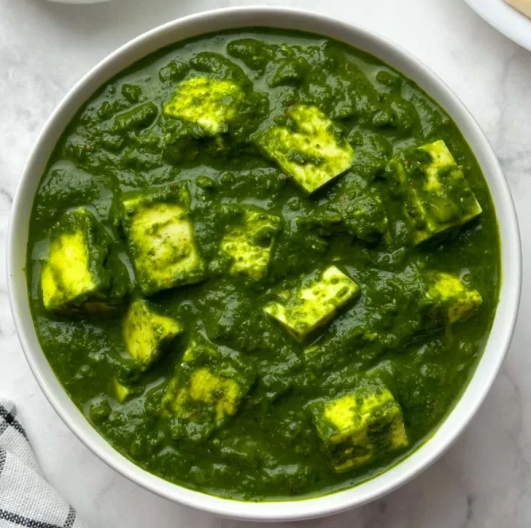
Option 2: Make Your Own. It sounds daunting, but it’s simpler than you think and transforms the dish. Heating a liter of whole milk to a boil, curdling it with lemon juice, then straining and pressing the curds for 30 minutes yields about 200 grams of fresh, creamy, absorbent paneer. The difference in texture and flavor absorption is night and day.
The Step-by-Step Cooking Process
Here’s the roadmap. Rushing any step will cost you.
1. Blanching and Pureeing the Spinach
This is the color-lock step. Bring a large pot of water to a rolling boil. Add a big pinch of salt. Plunge your washed spinach in for exactly 90 seconds. Not two minutes, not three. Ninety seconds.
Immediately transfer it to a bowl of ice water. This "shocks" the spinach, halting the cooking and locking in that brilliant green color. Drain, squeeze out excess water, and puree with 1-2 green chilies and a small piece of ginger until smooth. Don’t add water yet.
2. Cooking the Base (The Tadka/Tempering)
Heat 2 tablespoons of ghee or oil in a heavy-bottomed pan. Add 1 teaspoon cumin seeds. Let them sizzle. Then add 1 finely chopped large onion. Cook on medium-low until deeply golden brown—this caramelization is foundational flavor. Don’t rush it.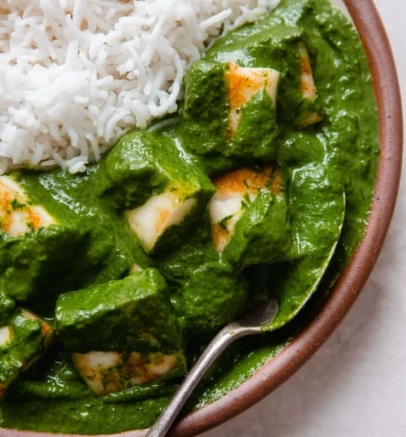
Add 3-4 minced garlic cloves and 1 inch minced ginger. Cook for a minute until fragrant. Now the ground spices: 1 teaspoon coriander powder, 1/2 teaspoon turmeric, 1/2 teaspoon red chili powder (or to taste). Fry for just 30 seconds to cook out the raw taste.
3. Combining and Simmering
Add the vibrant green spinach puree to the spiced onion base. It will sizzle. Stir well. Now add salt and about 1/4 cup of water to get a gravy-like consistency. Let it simmer gently, uncovered, for 8-10 minutes. This allows the raw spinach taste to mellow and the flavors to marry.
4. Adding the Paneer and Finishing Touch
Gently fold in your prepared paneer cubes. Add 2-3 tablespoons of heavy cream, cashew cream, or full-fat yogurt. Simmer for another 3-4 minutes, just to heat the paneer through.
The final act: the "baghaar" or tempered spice oil. Heat a small spoon of ghee in a separate tiny pan. Add 1/2 teaspoon garam masala and a pinch of asafoetida (hing) if you have it. Let it sizzle for 5 seconds and immediately drizzle this fragrant oil over the finished curry. Stir once and serve.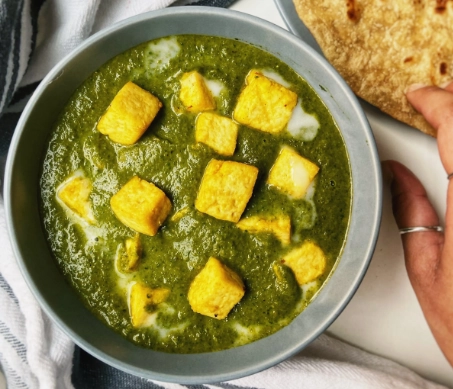
Expert Techniques for Flavor and Texture
This is where your authentic palak paneer separates from the pack.
Texture is King. A completely smooth puree can feel baby-food-ish. I prefer a slightly coarse puree, or even reserving a handful of blanched spinach, chopping it finely, and adding it back at the end. It gives a more interesting mouthfeel.
Acidity Balance. Spinach has oxalic acid which can cause bitterness. The blanching helps, but sometimes you need a counterpoint. A tiny squeeze of lemon juice or a spoon of yogurt in the gravy at the end can brighten and balance everything. Taste and adjust.
Creaminess Without Dullness. Cream adds richness but can mute spices. I use less cream and instead add a paste of 8-10 raw cashews soaked and blended with the spinach. It gives a richer, nuttier creaminess that doesn’t overpower.
Building Your Spice Blend: Beyond Garam Masala
While a good garam masala is essential for the finish, the body of the gravy relies on a simpler trio. Here’s how they work:
| Spice | Role in Palak Paneer | Proportion for 500g Spinach |
|---|---|---|
| Coriander Powder (Dhania) | Provides the earthy, lemony base note. Never skip this. | 1 - 1.5 tsp |
| Turmeric (Haldi) | Adds warmth, color, and anti-inflammatory properties. | 1/2 tsp |
| Red Chili Powder (Kashmiri preferred) | For heat and a vibrant red hue without overpowering heat. | 1/2 - 1 tsp |
| Garam Masala | The finishing aroma. Added at the end in hot ghee. | 1/2 tsp (for tempering) |
My unpopular opinion? Avoid adding ready-made garam masala powder directly into the simmering gravy. The volatile oils that give it aroma evaporate with long cooking, leaving behind a dusty, flat taste. Temper it in ghee at the end.
Common Mistakes That Ruin Palak Paneer
I’ve made them all so you don’t have to.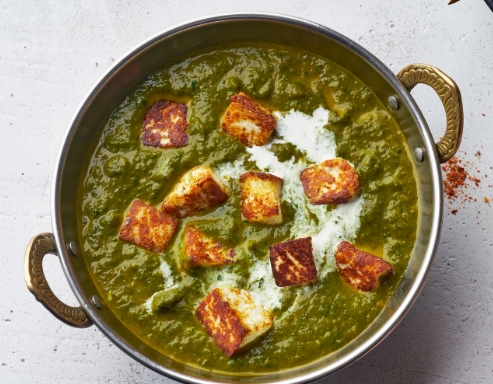
Overcooking the Spinach. Boiling it for too long before pureeing is the primary cause of a dull, army-green color and a metallic, bitter taste. The ice bath is your best friend.
Undercooking the Onions. If your onions are pale and crunchy, your gravy will taste raw and sweet. Take the time to get them golden brown.
Adding Paneer to Boiling Gravy. Tossing cold, hard paneer cubes into a violently bubbling sauce will make them tough and rubbery. Lower the heat to a gentle simmer before adding them.
Skipping the Final Tempering (Tadka). That sizzle of garam masala in ghee is not just for show. It adds a burst of top-note aroma that makes the dish smell and taste restaurant-fresh.
Your Palak Paneer Questions Answered (FAQ)
Making the best palak paneer isn't about finding a secret restaurant recipe. It's about respecting the ingredients and the process. Blanch your spinach with care, brown your onions with patience, temper your spices with purpose, and treat your paneer gently. Do these things, and you'll have a dish that's not just good, but consistently spectacular—a vibrant, comforting bowl of green goodness that stands up to any restaurant version.
Discussion