Let's be honest. When you think of spicy Indian food, images of chicken tikka masala or lamb vindaloo might pop up. But here's a secret the best Indian home cooks know: the vegetarian dishes often pack the most complex, satisfying heat. The fire in a good Indian curry isn't just about making you sweat; it's a layered experience that wakes up your taste buds and complements the main ingredients. I learned this the hard way after my first attempt at making "spicy" potato curry resulted in a one-dimensional, mouth-scorching paste. It took me years of trial, error, and chatting with home cooks in Kerala and Punjab to understand the nuance. This guide is about skipping those mistakes and getting straight to the flavorful, fiery vegetarian dishes you actually want to eat.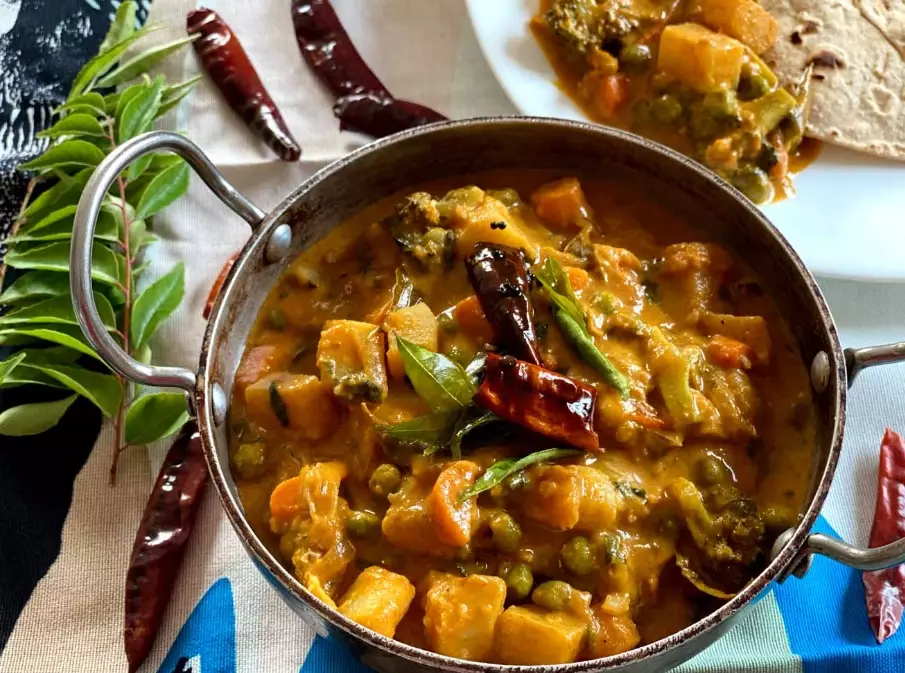
Your Spice Route Map
Why Spice and Indian Vegetarianism Are a Perfect Match
Indian vegetarian cuisine isn't an afterthought. For centuries, influenced by cultures like Jainism and parts of Hinduism, it evolved into a sophisticated culinary tradition where vegetables, lentils, and dairy are the stars. Spices here aren't just heat agents; they're flavor amplifiers and preservatives. A dish like Aloo Gobi (potato and cauliflower) uses turmeric for color and earthiness, cumin for warmth, and dried red chilies or green chilies for a sharp, penetrating heat that cuts through the starchiness. The spice blend, or "masala," transforms simple ingredients. Without a robust use of spices, many vegetarian dishes could fall flat. That's why mastering the spice balance is non-negotiable.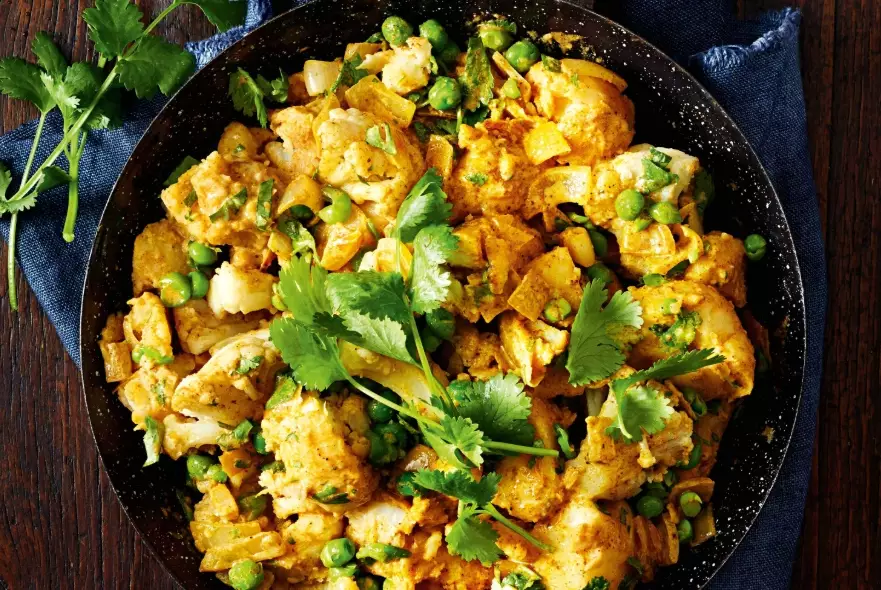
Building Your Foundation: The Essential Spice Pantry
You don't need fifty jars. Start with these core spices. Buy them in small quantities from a reputable Indian grocery store or online retailer like Penzey's for freshness. Whole spices last longer than pre-ground.
- Cumin Seeds (Jeera): The nutty, warm backbone of countless dishes. Toast them lightly in oil first.
- Coriander Seeds (Dhania): Citrusy and sweet. Almost always used ground, paired with cumin.
- Turmeric Powder (Haldi): Earthy, peppery, and gives that iconic golden color. Add it early in cooking.
- Red Chili Powder: This is your primary heat source. Kashmiri red chili powder gives vibrant color with moderate heat, while others are fiercer.
- Garam Masala: A warming blend (cinnamon, cardamom, cloves, etc.). Add it at the end of cooking to preserve its aroma.
- Mustard Seeds (Rai): For tempering (tadka). They pop in hot oil, releasing a pungent, nutty flavor.
- Asafoetida (Hing): A pinch of this pungent resin, fried in oil, adds a savory, umami depth reminiscent of onion/garlic, crucial for Jain cooking.
- Fresh Aromatics: Ginger, garlic, and fresh green chilies (like Serrano or Thai) are your best friends.
Three Fiery Vegetarian Indian Recipes to Master First
These dishes are classics for a reason. They're weeknight-friendly, use common ingredients, and teach you fundamental techniques.
1. Aloo Gobi with a Kick (Spicy Potato & Cauliflower)
This North Indian staple is a test of texture. You want tender potatoes, cauliflower with a bite, and a dry-ish, flavorful coating. The spiciness comes from green chilies and red chili powder.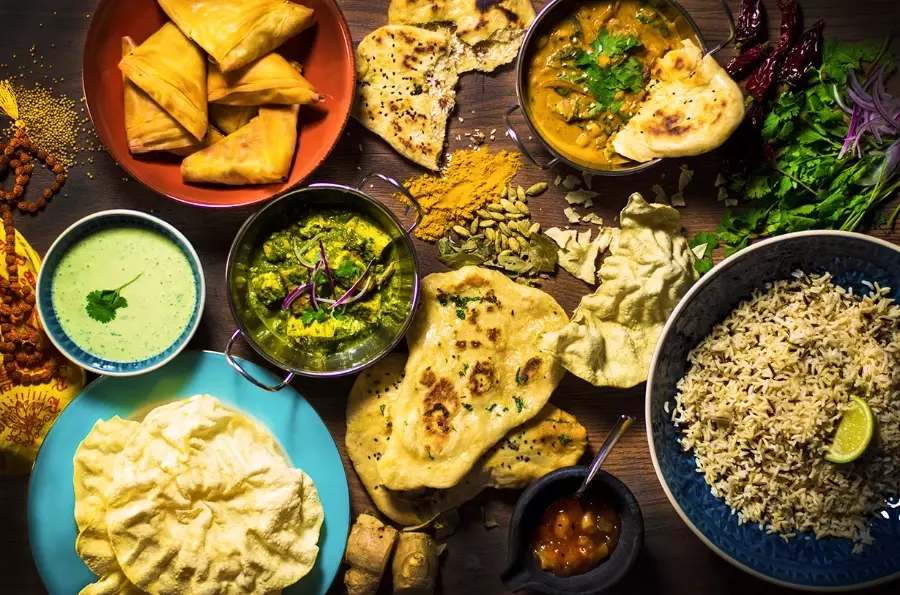
The Heat Strategy: Slit 2-3 fresh green chilies and add them with the cumin seeds. They'll infuse the oil with a bright, sharp heat. Then, use 1.5 teaspoons of Kashmiri red chili powder for color and a steady warmth that permeates the vegetables.
Key Step for Flavor: After frying your spices, add the chopped potatoes and cauliflower. Stir-fry them on medium-high heat for 4-5 minutes before adding any water. This "roasting" step in the pan (called "bhunao") develops a deeper, caramelized flavor you can't get by just boiling everything.
2. Palak Paneer with a Smoky Edge (Creamy Spinach with Cheese)
Don't let the creamy texture fool you. A well-made Palak Paneer has a gentle but persistent heat. The secret is in the spinach puree and the final tempering.
The Heat Strategy: Boil 2-3 green chilies with the spinach leaves before blending. This integrates the heat directly into the puree. For the tempering at the end, heat ghee or oil, throw in a dried red chili and a clove of garlic until the garlic browns and the chili darkens. Pour this sizzling oil over the finished curry. That's where the magic happens—a smoky, aromatic heat that hits your nose first.
Paneer Tip: Lightly pan-fry the paneer cubes until golden before adding them to the curry. It prevents them from turning rubbery and adds texture.
3. Spicy Tadka Dal (Tempered Lentils)
This is comfort food with a punch. You cook the lentils (toor dal or masoor dal) until soft and mild. All the fireworks happen in the last two minutes with the "tadka" or tempering.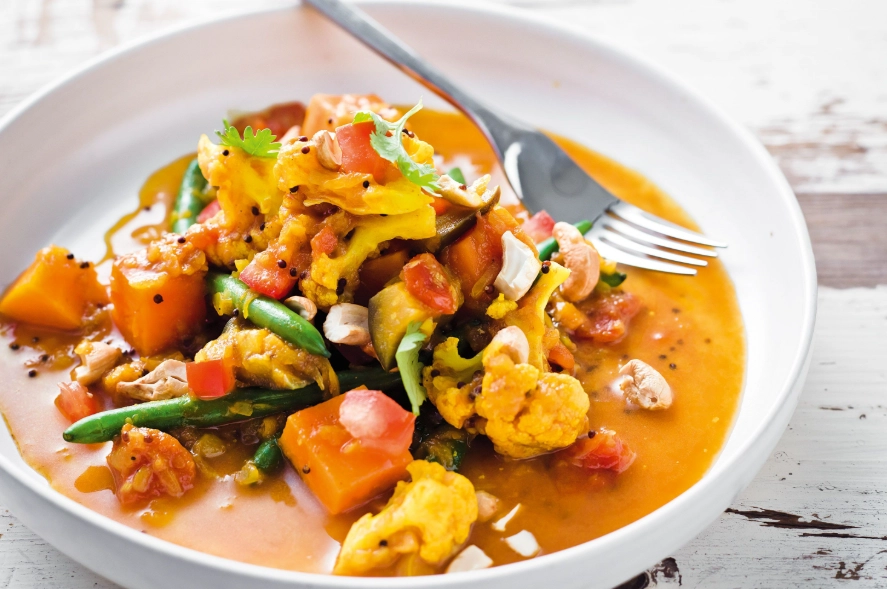
The Heat Strategy (The Tadka): Heat 2 tablespoons of ghee or oil in a small pan. Add 1 tsp mustard seeds, let them pop. Add 2 dried red chilies, a pinch of asafoetida, and 8-10 curry leaves. Stand back—it'll splutter. Let the chilies blacken slightly, releasing their smoky heat into the fat. Immediately pour this entire pan, sizzling oil and all, over the cooked dal. The sound is incredible, and the flavor transformation is instant.
The Real Secret: How to Control and Layer Spiciness
Anyone can make food painfully hot. The skill is in making it pleasurably, memorably spicy. Here's how Indian cooks do it.
- Heat Source 1: Fresh Green Chilies. Provides a sharp, clean, immediate heat. Add them whole (slit) for infused flavor, or chopped for distributed heat. Removing the seeds reduces intensity.
- Heat Source 2: Red Chili Powder. Provides a deeper, rounded heat that cooks into the dish. Kashmiri for color/mild heat, others like Guntur or Byadgi for serious fire.
- Heat Source 3: Whole Dried Red Chilies. Used in tempering (tadka). Imparts a smoky, aromatic heat that's more about fragrance than mouth-burn. Don't eat the chili; let it flavor the oil.
- Heat Source 4: Black Pepper. Often overlooked. A crack of black pepper at the end adds a different, pungent heat layer that complements other spices.
The trick is combining them. A dal might get heat from powder in the boil and from dried chilies in the tadka. That's layering.
What if it's too spicy? Don't just add sugar. Add a dollop of plain yogurt, a splash of cream (for curries), or a squeeze of lemon juice. Acid and fat are your best tools to balance capsaicin.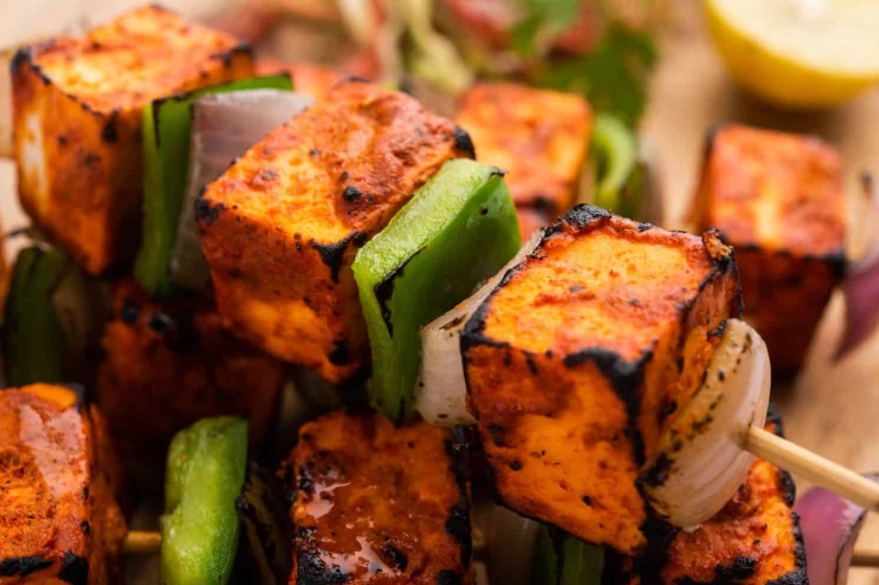
Navigating Common Spicy Vegetarian Cooking Hurdles
 How can I make a truly spicy vegetarian Indian meal that's also balanced nutritionally?
 Spicy Indian vegetarian cooking is a journey, not a destination. You'll have dishes that are too mild, and you'll have some that make you reach for water. That's part of the fun. Start with these foundational recipes, pay attention to the techniques—especially toasting spices and the all-important tadka—and don't be afraid to adjust the heat to your liking. The goal isn't pain; it's that incredible, complex warmth that makes you go back for one more bite. Now, go heat up that pan.
Discussion