Let's be honest. Most palak paneer recipes online promise "restaurant style" but deliver a bland, watery, or overly smooth puree that tastes nothing like the robust, earthy, and deeply satisfying dish you get at a proper Indian dhaba. The kind served in a steel bowl, with a layer of oil glistening on top, and a flavor that punches through the creamy spinach. After years of trial, error, and chatting with cooks, I've nailed down what makes the dhaba version different. It's not about fancy techniques; it's about a few non-negotiable steps most home cooks skip.
In this article, you'll learn:
What "Dhaba Style" Actually Means for Palak Paneer
Forget white-tablecloth restaurants. Dhaba food is about robustness and efficiency. The flavors are forward, the texture has character, and everything is cooked with high heat in large batches. For palak paneer, this translates to three things most recipes get wrong.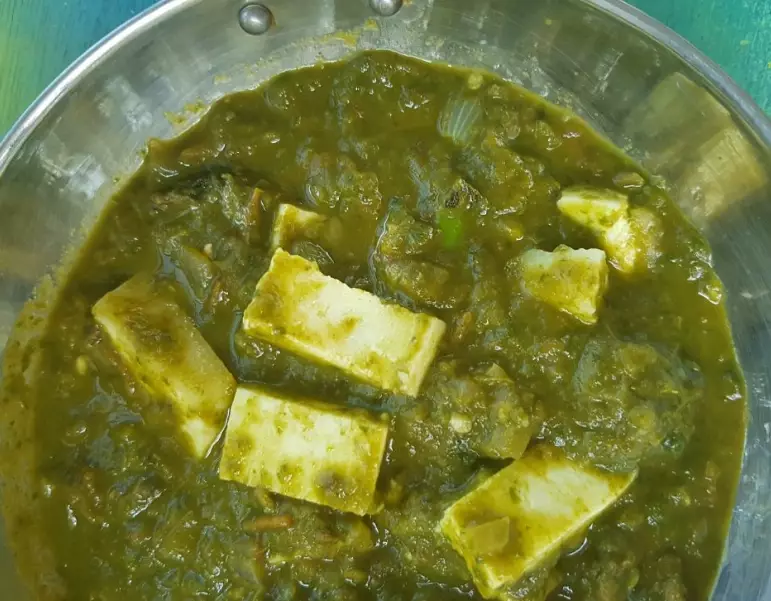
First, the spinach is barely cooked. You blanch it to set the vibrant green color, but you don't stew it to death. Overcooked spinach turns khaki-colored and loses its fresh, slightly bitter edge that balances the cream. Second, the gravy is not a perfectly smooth soup. A dhaba cook will often roughly chop or mash the blanched spinach, leaving tiny flecks and texture. That mouthfeel is crucial. Finally, the tadka (tempering) is done with abandon. More oil, whole spices sizzled until fragrant, and a final pour of ghee-infused spices on top. It's unapologetic.
The Dhaba Kitchen Staples You Need
You can't build flavor with weak ingredients. Here’s your shopping list, with the dhaba rationale for each.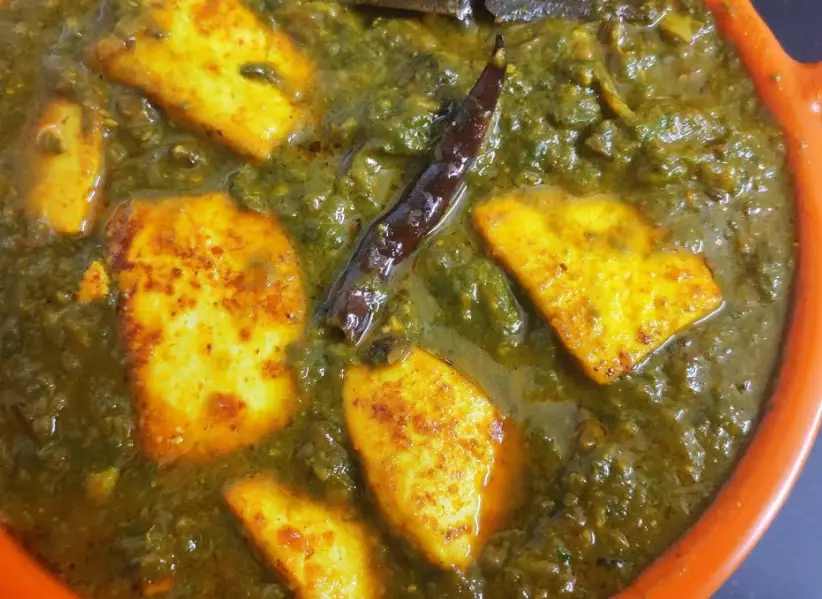
| Ingredient | Dhaba-Style Purpose & Note |
|---|---|
| Fresh Spinach (Palak) - 500g | Non-negotiable. Frozen works in a pinch but lacks the grassy punch. Baby spinach is too tender; mature spinach has better flavor. |
| Paneer - 250g | Buy firm, fresh paneer. Soft paneer disintegrates. For authentic chew, pan-fry the cubes until golden before adding. |
| Onions - 2 large | Finely chopped, not grated. Grating makes the gravy slimy. We want them to caramelize and sweeten the base. |
| Tomatoes - 2 medium | Again, finely chopped. Dhabas often use slightly sour tomatoes to cut through the richness. |
| Ginger-Garlic Paste - 1.5 tbsp | Freshly made is ideal. The jarred stuff has preservatives that mute the flavor. |
| Green Chilies - 2-3 | Slit, not chopped. They infuse heat without making the gravy speckled. |
| Whole Spices | Cumin seeds, black cardamom, bay leaf. The black cardamom is the secret - it adds a smoky, camphorous depth. |
| Ground Spices | Turmeric, coriander powder, garam masala, kasuri methi (dried fenugreek leaves). Kasuri methi is the magic dust - crush it between your palms. |
| Oil & Ghee | Yes, both. Oil for initial cooking, a dollop of ghee at the end for aroma. Don't be shy. |
| Fresh Cream - 3-4 tbsp | For finishing. Some dhabas use malai (clotted cream) for an even richer touch. |
Your Step-by-Step Dhaba Method
This process is about layering, not dumping everything in at once.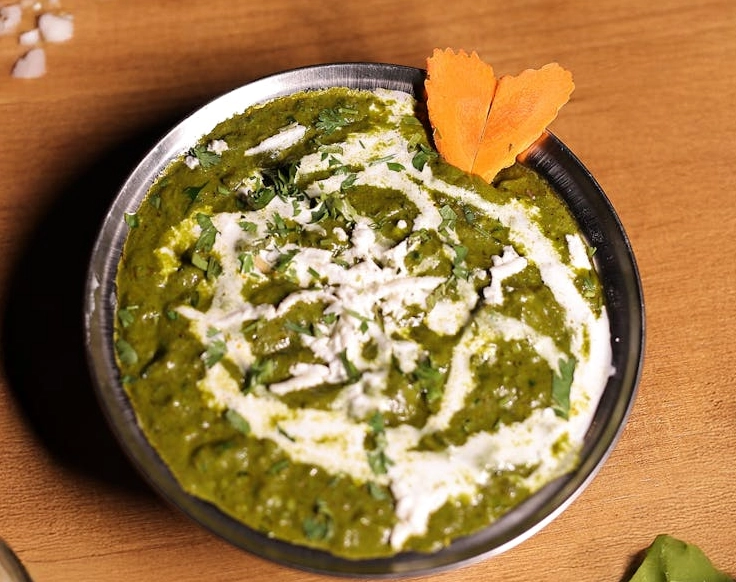
1. Treat the Spinach Right
Wash the spinach thoroughly. Bring a large pot of water to a rolling boil. Add a big pinch of salt. Plunge the spinach in for exactly 90 seconds. Not two minutes, not three. Ninety seconds.
Immediately drain and transfer it to a bowl of ice-cold water. This stops the cooking and locks in the bright green. Once cool, squeeze out ALL the water. This is vital. A watery spinach bundle will dilute your gravy. You can give it a rough chop or a quick pulse in a food processor. Don't make paste.
2. Fry the Paneer (Don't Skip This)
Cut paneer into cubes. Heat a tablespoon of oil in a non-stick pan. Fry the cubes on medium heat until they develop golden-brown spots on at least two sides. This creates a slight crust that prevents them from turning mushy later and adds a toasty flavor. Set aside in warm water to keep them soft.
3. Build the Flavor Base (The Heart of the Dish)
In a heavy kadhai or pot, heat 3 tablespoons of oil. Add 1 tsp cumin seeds, 1 black cardamom (lightly crushed), and 1 bay leaf. Let them sizzle for 20 seconds.
Add the finely chopped onions. Cook on medium-low heat, stirring frequently, until they turn a deep golden brown. This takes patience – maybe 12-15 minutes. This caramelization is your flavor foundation. Add the ginger-garlic paste and slit green chilies. Fry for another 2 minutes until the raw smell disappears.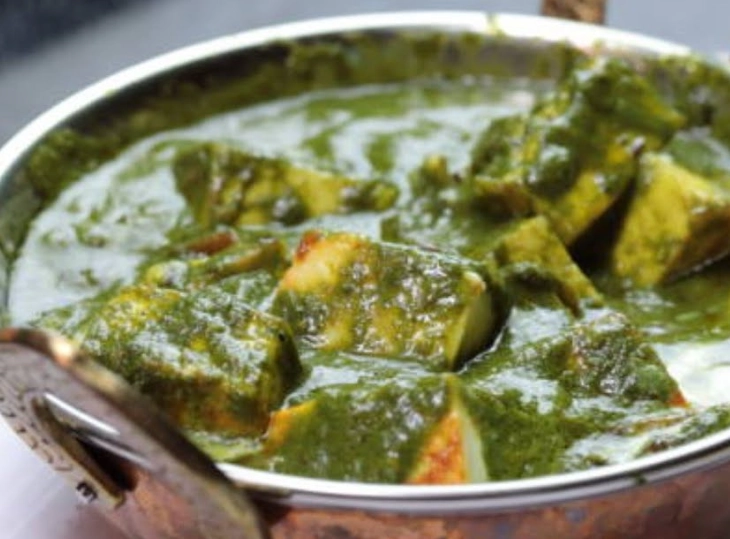
Now add the chopped tomatoes, 1/2 tsp turmeric, and 1.5 tsp coriander powder. Cook, mashing the tomatoes with your spoon, until the oil starts to separate from the mixture. You'll see little droplets of oil around the edges. This is the sign.
4. Combine and Finish Like a Pro
Add the processed spinach and salt. Mix well and cook for just 3-4 minutes. Add about 1/2 cup of water to get your desired gravy consistency. Bring to a simmer.
Add the fried paneer cubes, 1 tsp crushed kasuri methi, and 1/2 tsp garam masala. Simmer for 5 more minutes. Turn off the heat. Stir in the fresh cream.
3 Mistakes That Instantly Ruin Your Dhaba-Style Palak Paneer
I've made these, you've probably made these. Let's stop.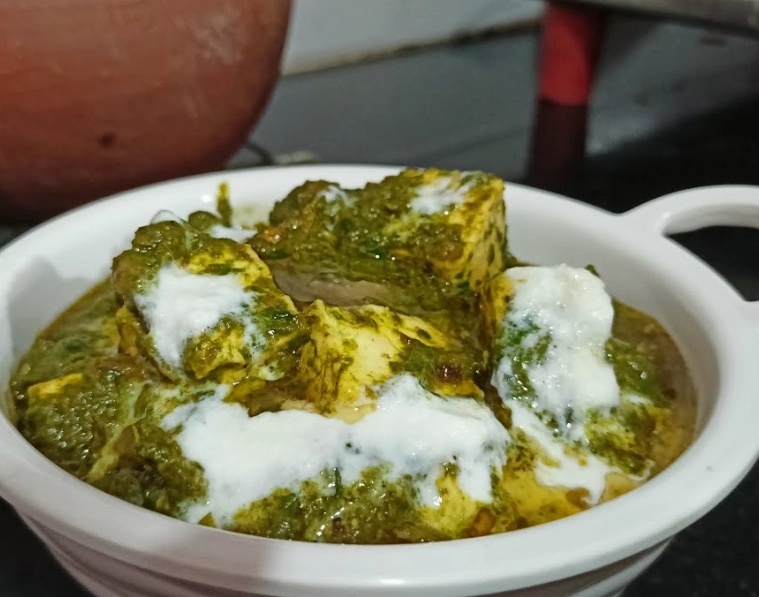
Blending the spinach into a smooth soup. This is the #1 reason home palak paneer lacks texture. Use a chopper or knife. You want to feel the spinach.
Not squeezing the blanched spinach dry. All that water goes into your gravy, making it thin and bland. Squeeze like you're wringing out a wet towel.
Adding raw paneer directly to the gravy. It bleeds milk solids and turns rubbery. Frying first is a game-changer for texture and flavor absorption.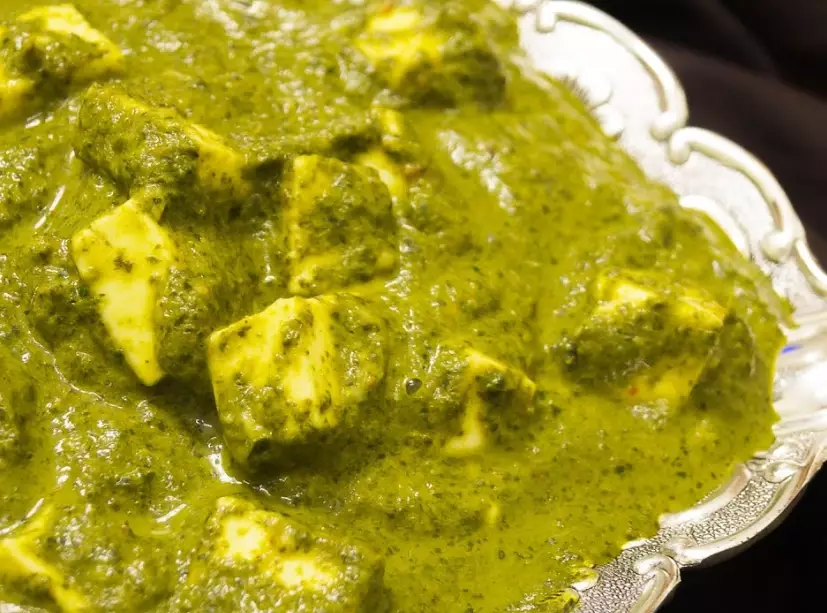
Discussion