You search for "lentil curry Indian name" and a dozen recipes pop up. Dal, sambar, tadka dal—it's a bit confusing, right? Here's the thing: in India, we rarely call it "lentil curry." That's like calling all pasta "spaghetti sauce." The real names tell you exactly what you're getting into—the type of lentil, the cooking style, the region. Knowing these names is your key to unlocking an entire world of flavor, whether you're ordering at a restaurant or trying to recreate that creamy, dreamy dish at home.
Let's clear up the confusion. The umbrella term is dal (or daal). It refers to split pulses—lentils, peas, beans—that are simmered until tender. But within that, every variation has its own identity. I learned this the hard way when my first attempt at "dal" turned into a watery, spiceless soup. I was missing the context.
What's Inside This Guide
What Exactly is ‘Dal’? Clearing Up the Confusion
Dal isn't just a dish; it's a category, a staple, a daily comfort. Think of it as the backbone of an Indian meal. The confusion with "curry" comes from outside. In the West, curry became a catch-all for any spiced, saucy dish. In India, 'dal' is specific.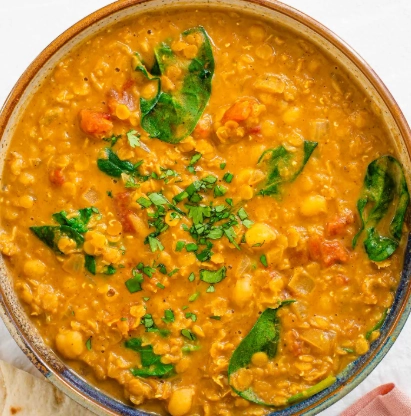
It's made from split and skinned pulses, which cook faster and break down to thicken the dish. Whole lentils are used too, but they have different names (like 'sabut masoor' for whole brown lentils). The base is simple: lentils, water, turmeric, salt. The magic happens in the second act—the tadka.
Quick Language Tip: 'Dal' can mean both the raw, dry split lentil and the finished cooked dish. Context tells you which. If a recipe says "add one cup of dal," it means the dry lentils.
The tadka is a game-changer. It's a sizzling infusion of whole spices (cumin, mustard seeds), dried chilies, garlic, and sometimes onions, bloomed in hot oil or ghee. This fragrant oil is poured over the cooked lentils just before serving. That sizzle and aroma? That's the soul of the dish. Skipping it is like baking bread without letting it rise.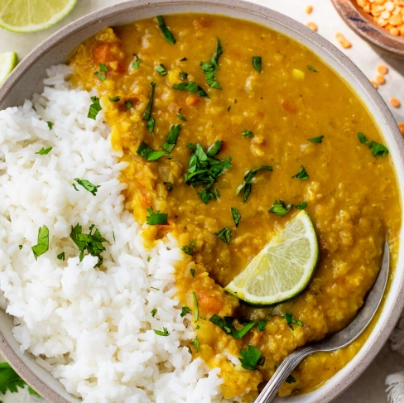
The Must-Know Lentil Curries & Their True Indian Names
Here are the classics you'll find across India. This isn't just a list of names; it's a decoder ring for menus and recipes.
1. Dal Tadka / Tadka Dal
The poster child of North Indian dals. 'Tadka' means 'tempering.' It's usually made with yellow lentils (toor dal or masoor dal), cooked smooth, and then topped with that sizzling oil tempering. It's bright yellow, aromatic, and slightly soupy. You'll see it in every Punjabi restaurant. If you want something familiar yet authentic, start here.
2. Dal Makhani
This is the rich, indulgent cousin. 'Makhani' means 'buttery.' It's made with whole black lentils (sabut urad dal) and kidney beans, slow-cooked for hours (often overnight) with butter (makhan) and cream. The result is incredibly creamy, smoky, and deeply flavored. It's a festival dish, a restaurant favorite, and a weekend project for home cooks. Don't rush it.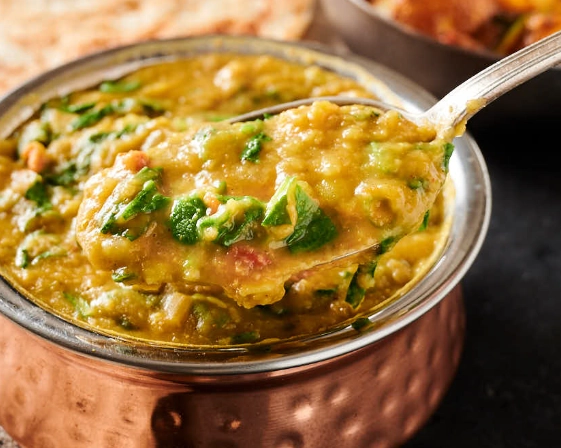
3. Sambar
Head south. Sambar is a tangy, spicy lentil and vegetable stew from Tamil Nadu and surrounding states. It uses pigeon pea lentils (toor dal) and a unique blend of spices roasted and ground into sambar powder. The sourness comes from tamarind. It's thinner than North Indian dals and packed with vegetables like drumsticks, okra, or pumpkin. It's eaten with rice, idli, or dosa. A completely different flavor profile.
4. Chana Dal
Named after the pulse itself—split Bengal gram (chana dal). This dal is thicker, heartier, and holds its shape. It has a slightly sweet, nutty flavor. Often cooked with spinach (palak) or pumpkin (kaddu). It's a weekday workhorse in many homes. Less creamy, more substantial.
See? The name tells you the star ingredient and hints at the style. Ordering 'dal makhani' sets a completely different expectation than 'sambar.'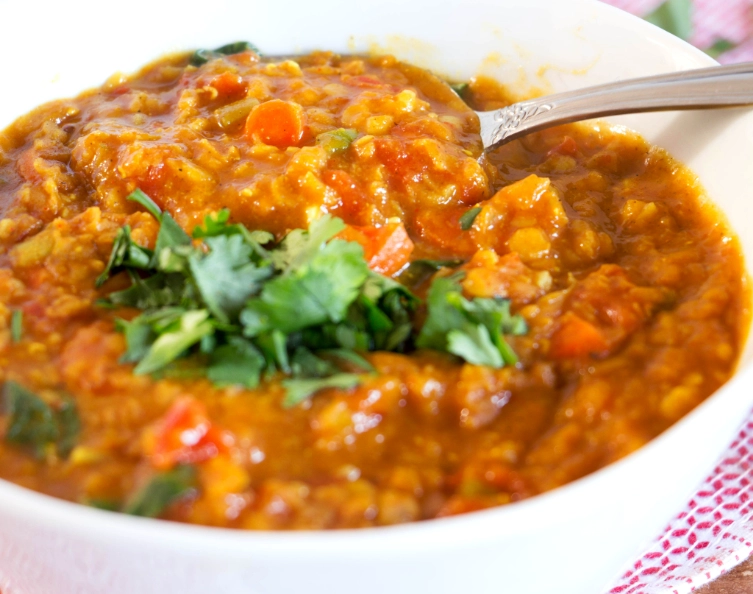
How to Make Restaurant-Style Dal Makhani at Home
Let's get practical. Dal Makhani seems intimidating, but breaking it down works. The secret restaurants use? Time, and a bit of smoke.
What You Need:
- 1 cup whole black gram (sabut urad dal)
- 1/4 cup kidney beans (rajma)
- 2 tbsp ginger-garlic paste
- 2 large tomatoes, blended
- 1 large onion, finely chopped
- Spices: cumin seeds, garam masala, Kashmiri red chili powder (for color, not heat), turmeric
- Salt to taste
- 2 tbsp butter + 2 tbsp ghee or oil
- 2 tbsp fresh cream (or cashew paste for vegan)
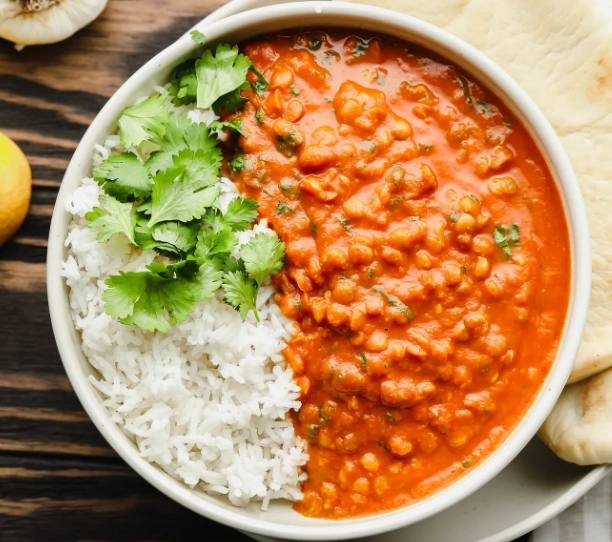
Step 1: The Long Soak & Cook. This is non-negotiable. Soak the black lentils and kidney beans together overnight, for at least 8 hours. Drain, add fresh water, and pressure cook or simmer until completely mushy. This can take 1-1.5 hours. They need to lose all structural integrity. A blender is cheating and you'll taste the difference.
Step 2: Building the Base. In a heavy pot, heat half the butter/ghee. Add cumin seeds, let them crackle. Add onions and cook until deep golden brown—not just translucent. This adds sweetness. Add ginger-garlic paste, cook for a minute until raw smell disappears. Add the tomato puree and cook on medium heat until the oil separates from the mixture. This can take 10-15 minutes. Rush this, and your dal will taste sour and raw.
Step 3: The Simmer & Smoke. Add the cooked lentils and beans to the pot. Add salt, chili powder, and a bit of water to get a thick, porridge-like consistency. Simmer on the lowest heat for at least 45 minutes, stirring occasionally so it doesn't stick. The longer, the better. Now, the restaurant trick: take a small piece of charcoal, get it red-hot on a direct flame. Place it in a small steel bowl. Put the bowl in the center of your dal pot. Drizzle 1/2 tsp of ghee on the charcoal. It will smoke furiously. Immediately cover the pot with a lid. Let it sit for 5-10 minutes. This smoky aroma (called 'dhungar') is what gives restaurant dal makhani its signature depth.
Step 4: Finish Rich. Remove the charcoal bowl. Stir in the remaining butter, garam masala, and fresh cream. Garnish with more cream and cilantro. Serve with naan or rice. The texture should be creamy, not runny. It tastes even better the next day.
Finding the Good Stuff: Where to Eat Authentic Dal
If you're not cooking, you need to know where to go. A great dal can be the highlight of a meal.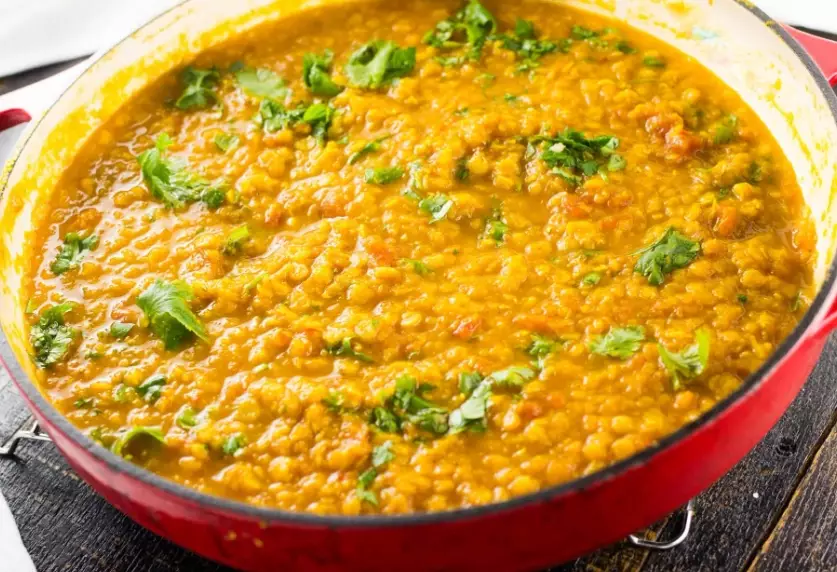
In North Indian or Punjabi restaurants, Dal Makhani and Dal Tadka are safe, stellar bets. A good test? The dal makhani should be smoky, not just creamy. It should have a deep, almost blackish-brown color, not bright red from too much tomato. The lentils should be invisible, having melted into the gravy.
In South Indian restaurants, go for the Sambar that comes with your dosa or idli. The best ones have a perfect balance of tangy, spicy, and savory. It shouldn't be overly sweet or too watery.
For a more homely, everyday style, look for regional specialties on the menu like Dal Fry (similar to tadka dal, often with a tomato-onion base) or Moong Dal (lighter, made with split mung beans).
My personal rule? If the dal tastes flat, like it was made from a powder mix, the rest of the menu probably cuts corners too. A kitchen that cares about its dal cares about its food.
The One Mistake Everyone Makes (And How to Avoid It)
After teaching friends and watching countless online recipes fail, I've pinpointed the single biggest error: undercooking the tadka.
People get nervous. They add cumin seeds to hot oil, let them sizzle for three seconds, and then dump in everything else. The spices don't have time to release their essential oils. The garlic burns or stays raw. The result is a tadka that smells sharp and one-dimensional, not warm and complex.
Here's the fix: Control your heat. Start with medium heat for the oil. Add whole spices. Let the cumin seeds really darken a shade, let the mustard seeds pop completely. If using dried red chilies, they should darken and puff up slightly. Then, reduce the heat to low-medium before adding minced garlic or ginger. Cook them slowly until they just start to turn golden at the edges—this takes a minute or two. You're looking for a fragrant, toasted aroma, not acrid smoke.
This slow bloom makes all the difference. It transforms the oil into a flavor carrier. When you pour it over the dal, that flavor infuses the entire pot. It's the difference between a good dal and a great one.
Dal is forgiving. You can adjust salt, add water, even fix a broken texture. But if your tadka is weak, the whole dish feels bland. Nail that, and you've mastered 80% of Indian lentil cooking.
Discussion