Let's be honest: finding healthy Indian lunch ideas that are both delicious and easy to make can feel like a puzzle. You want something flavorful, but not too heavy. Something quick, but still packed with nutrition. I've been cooking Indian food for over a decade, and I've seen how small tweaks can transform a meal from calorie-laden to balanced and energizing. This guide cuts through the noise to give you practical recipes and tips you can use today.
Jump to What Matters Most
Why Indian Food Rocks for Healthy Lunches
Indian cuisine is a hidden gem for healthy eating. Think about it: lentils, vegetables, spices—all staples that are rich in fiber, protein, and antioxidants. According to the Indian Council of Medical Research, a traditional Indian diet emphasizes plant-based foods, which aligns well with modern health guidelines. But here's the catch: many restaurant versions drown dishes in oil and cream. At home, you control the ingredients. That's where the magic happens.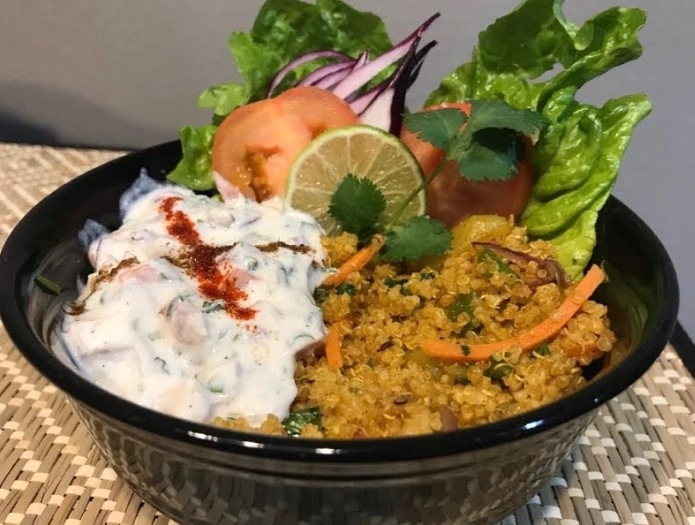
I remember when I first tried to make a "healthy" butter chicken. It was a disaster—too dry, no flavor. Then I learned that health doesn't mean bland. By using yogurt instead of cream and toasting spices properly, I got a dish that was both light and satisfying. That's the key: balance.
5 Healthy Indian Lunch Recipes to Try
These recipes are my go-tos. They're simple, use whole ingredients, and take under 45 minutes to make. Each serves 2-3 people, perfect for lunch with leftovers.
1. Spinach and Lentil Dal (Palak Dal)
Why it works: Packed with iron from spinach and protein from lentils, this dal is a powerhouse. It's lightly spiced, so it won't overwhelm your afternoon.
Ingredients: 1 cup yellow lentils (moong dal), 2 cups fresh spinach, 1 onion, 2 tomatoes, 1 tsp cumin, 1 tsp turmeric, 1 tbsp oil, salt to taste.
Steps: Rinse lentils and cook with turmeric until soft. Sauté onions in oil, add tomatoes and spices, then mix with lentils and spinach. Simmer for 10 minutes. Serve with brown rice or roti.
Prep time: 30 minutes. Nutrition tip: Lentils provide slow-release energy, keeping you full for hours.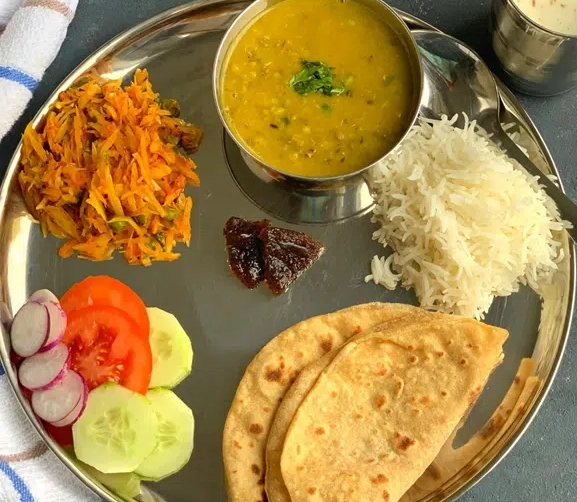
2. Vegetable Biryani with Brown Rice
Why it works: Biryani doesn't have to be heavy. Using brown rice adds fiber, and loading up on veggies boosts vitamins.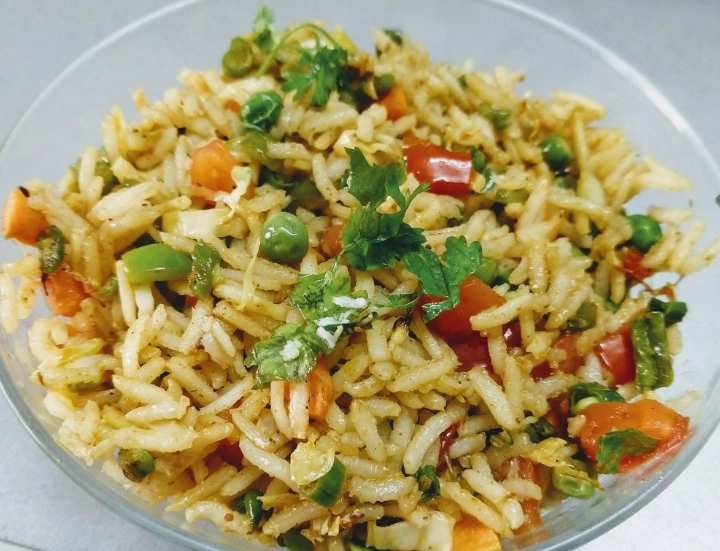
Ingredients: 1 cup brown rice, mixed vegetables (carrots, peas, beans), 1 tsp biryani masala, 1 tbsp ginger-garlic paste, 2 cups vegetable broth.
Steps: Sauté vegetables with spices, add rice and broth, then cook covered until rice is tender. Garnish with fresh cilantro.
Prep time: 40 minutes. My twist: I often add a handful of nuts for crunch—almonds work great.
3. Chickpea Salad (Chana Chaat)
Why it works: No cooking required. This is perfect for busy days or if you're stuck in an office with just a fridge.
Ingredients: 1 can chickpeas, 1 cucumber, 1 tomato, 1 red onion, chaat masala, lemon juice, fresh mint.
Steps: Chop everything, mix with spices and lemon juice. Let it sit for 10 minutes to meld flavors.
Prep time: 15 minutes. Note: Use low-sodium chickpeas if you're watching salt intake.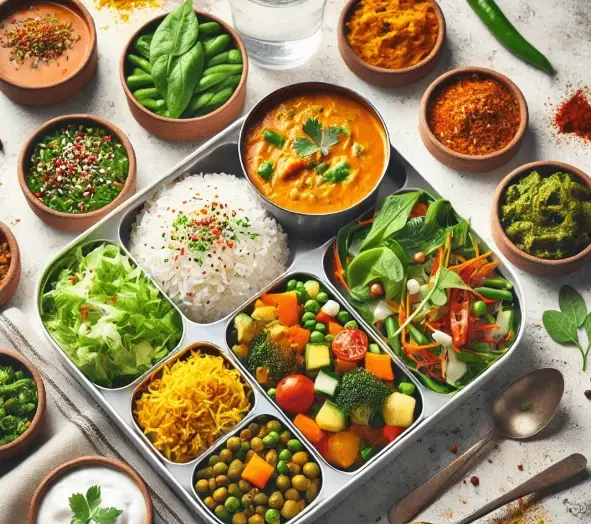
4. Tofu Tikka Masala
Why it works: A plant-based twist on the classic. Tofu soaks up the masala sauce, giving you protein without the heaviness of paneer.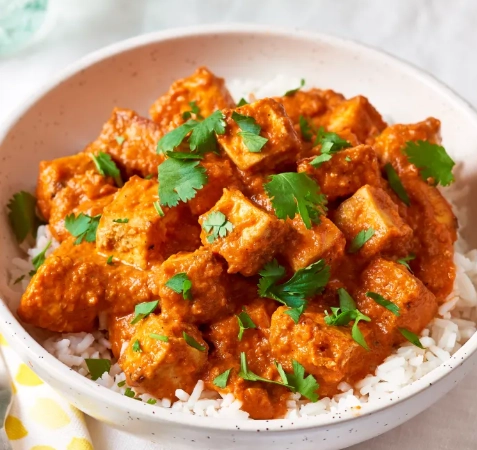
Ingredients: 200g firm tofu, 1 cup tomato puree, 1 tsp garam masala, 1/2 cup yogurt, 1 tbsp oil.
Steps: Marinate tofu in yogurt and spices, then bake or pan-fry. Simmer tomato puree with spices, add tofu, and cook for 5 minutes.
Prep time: 35 minutes. Common error: Over-marinating tofu can make it mushy—30 minutes is enough.
5. Quinoa Upma
Why it works: Upma is a savory porridge, but using quinoa instead of semolina ups the protein and makes it gluten-free.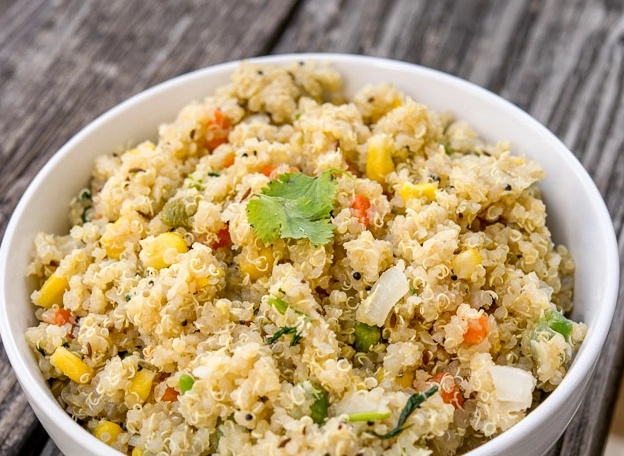
Ingredients: 1 cup quinoa, mixed vegetables, mustard seeds, curry leaves, 1 tbsp oil.
Steps: Toast quinoa lightly, then cook with vegetables and spices in water until fluffy. Stir in lemon juice at the end.
Prep time: 25 minutes. Serving idea: Top with a dollop of Greek yogurt for extra creaminess.
These recipes are just starters. The beauty of Indian cooking is its flexibility—swap vegetables based on what's in season, or adjust spices to your taste.
How to Make Any Indian Recipe Healthier
You don't need to follow strict rules. Here are a few techniques I've picked up over the years that make a big difference.
Reduce oil without losing flavor: Many recipes call for frying spices in oil. Try dry-toasting them first. Heat a pan, add cumin or mustard seeds until they pop, then proceed. It unlocks aroma without the extra fat. The American Heart Association recommends limiting saturated fats, so for curries, I use heart-healthy oils like mustard or avocado oil, and measure with a spoon—no eyeballing.
Boost vegetables: Double the veggies in any recipe. For a curry like aloo gobi, add extra cauliflower or throw in some spinach. It bulks up the meal with fiber and nutrients.
Choose lean proteins: Lentils, chickpeas, and tofu are staples. If you eat meat, opt for chicken breast or fish instead of red meat. Marinate with yogurt and spices to keep it tender.
A friend once told me her saag paneer was too oily. I suggested blending the spinach raw with a bit of water before cooking, then adding paneer at the end. She said it changed the game—creamy without the grease.
Meal Prepping Indian Lunches Made Simple
If you're like me, weekday lunches are chaotic. Meal prepping saves time and stress. Here's a step-by-step plan I use every Sunday.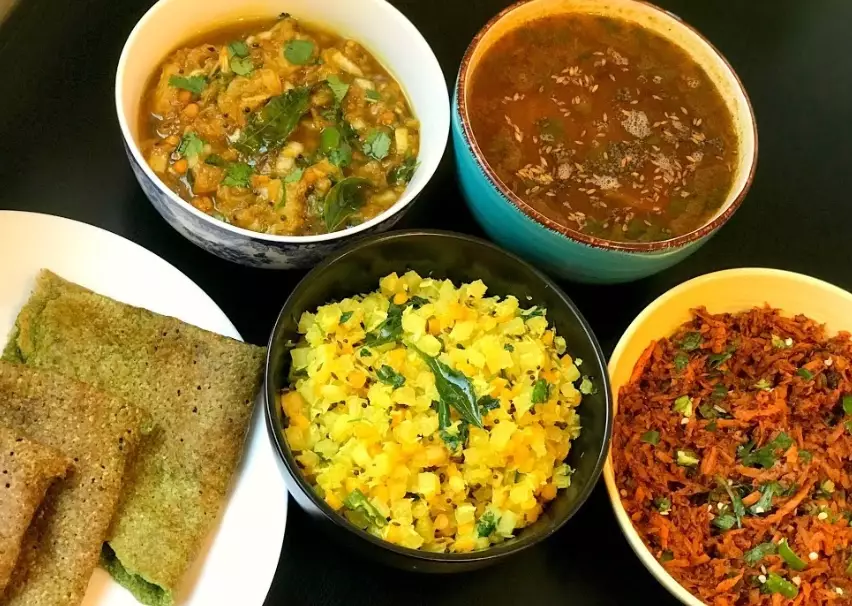
Step 1: Pick two main dishes. Something like dal and a vegetable curry. Cook them in large batches—they often taste better after a day or two as flavors meld.
Step 2: Prep bases separately. Cook brown rice or quinoa, but store it apart from wet dishes to avoid sogginess. I use airtight containers; they last up to 4 days in the fridge.
Step 3: Add fresh elements later. Keep chopped herbs, lemon wedges, or yogurt on the side. Add them just before eating to keep things vibrant.
Sample prep for a week: Make a big pot of chana masala and a batch of vegetable pulao. Portion into containers. On day 3, I might mix in some leftover roasted veggies for variety.
It takes about 2 hours on Sunday, but it frees up my weekdays. No more scrambling for takeout.
Common Mistakes and How to Avoid Them
Even experienced cooks slip up. Here are pitfalls I've seen—and how to dodge them.
Overusing ghee or oil: Ghee adds richness, but a little goes a long way. I use one tablespoon for a whole pot of dal. If you're reducing oil, don't compensate with extra salt; use citrus or herbs instead.
Skipping whole spices: Ground spices are convenient, but whole spices like cardamom or cinnamon sticks add depth. Toast them lightly before grinding for maximum flavor.
Ignoring portion control: Indian meals are often served family-style, which can lead to overeating. Plate your lunch with half vegetables, a quarter protein, and a quarter grains. It's a simple trick that keeps portions in check.
I learned this the hard way when I first started—I'd make a huge pot of biryani and eat too much, then feel sluggish all afternoon. Now, I measure out servings ahead of time.
Your Burning Questions Answered
What are some healthy Indian lunch options for people with gluten intolerance?
Focus on naturally gluten-free Indian staples like rice-based dishes (e.g., vegetable pulao with brown rice), lentils (dal), and salads. Avoid wheat-based breads like naan; opt for gluten-free rotis made from chickpea flour (besan) or millet. Many Indian curries are inherently gluten-free if you skip thickening agents with wheat.
How can I reduce the oil content in Indian curries without sacrificing flavor?
Toast spices dry in a pan before adding liquids to unlock their aroma without oil. Use techniques like 'tadka' (tempering) with minimal oil or swap ghee for heart-healthy oils like mustard or avocado oil in small amounts. Adding tomatoes, yogurt, or coconut milk can create creaminess without extra fat.
Is it feasible to meal prep Indian lunches for an entire workweek?
Absolutely. Cook staples like dal or chana masala in bulk; they taste better after sitting. Keep rice or quinoa separate to avoid sogginess. Store components in airtight containers for up to 4 days. For freshness, add fresh herbs or a squeeze of lemon just before eating. I've done this for years and it saves hours.
What's a quick healthy Indian lunch for beginners?
Try a simple dal and rice combo. Cook red lentils with turmeric and ginger, then top with a squeeze of lemon. Pair with steamed brown rice—it's foolproof and takes under 30 minutes. Start with basic spices like cumin and coriander; you can expand as you get comfortable.
Healthy Indian lunch ideas don't have to be complicated. With these recipes and tips, you can enjoy flavorful, nutritious meals that fit into any schedule. Experiment, adjust, and make it your own. Happy cooking!
Discussion