What You'll Find Inside
Indian cooking isn't just about recipes—it's about spices. Get the spices right, and you're halfway to an authentic dish. I've spent years experimenting in my kitchen, and let me share the complete Indian spices list you actually need, not just a boring catalog.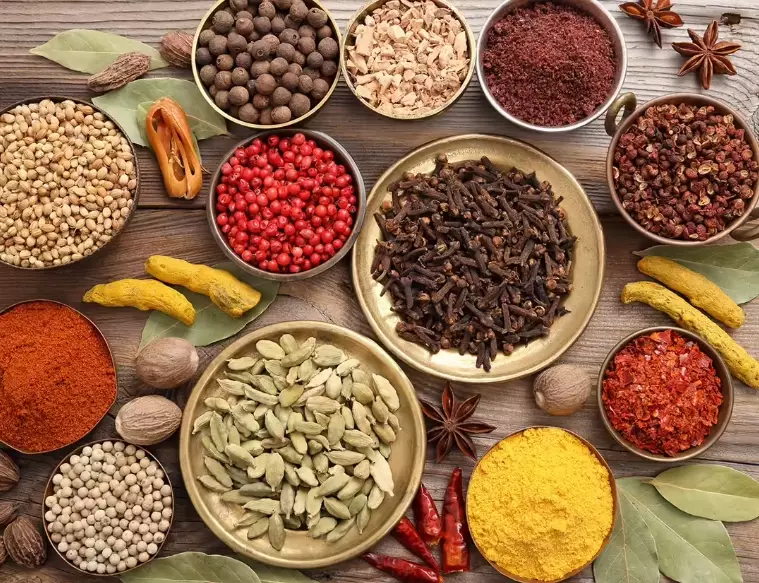
What Is an Indian Spices List?
An Indian spices list is more than names; it's a toolkit for flavor. Think of it as the backbone of dishes like biryani or curry. Without spices, Indian food would be bland. I remember my first attempt at making chana masala—I skipped the asafoetida, and it tasted flat. That's when I realized each spice has a role.
Why Spices Matter in Indian Cuisine
Spices add depth, aroma, and health benefits. Turmeric isn't just for color; it has anti-inflammatory properties. Cumin aids digestion. In India, spices are often toasted whole to release oils, a step many home cooks miss. The Spices Board India highlights how spices are integral to cultural traditions, not just cooking.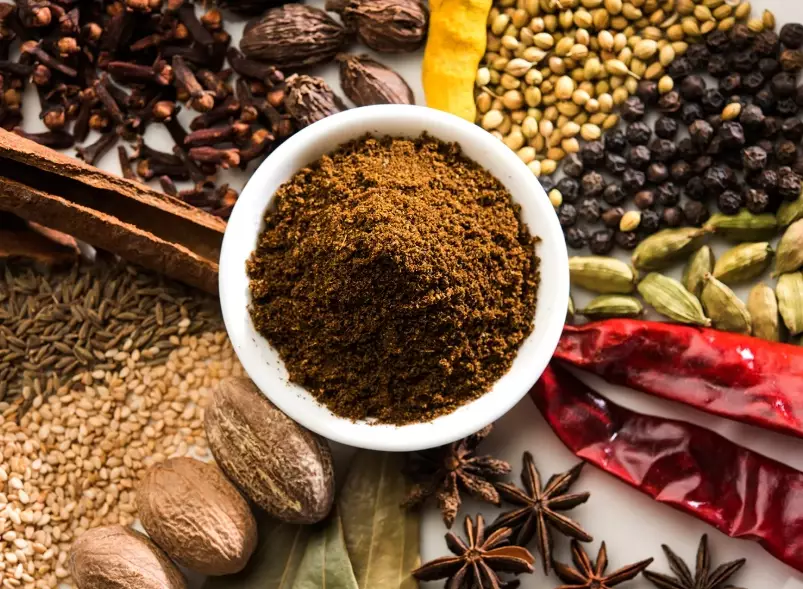
The Ultimate Indian Spices List
Here's a practical list based on my experience. I've included where to buy and approximate prices—because let's be honest, quality matters.
| Spice Name | Common Uses | Where to Buy | Approx. Price (USD) |
|---|---|---|---|
| Turmeric (Haldi) | Curries, rice, lentils | Indian grocery stores, online | $5 for 100g |
| Cumin (Jeera) | Tempering, spice blends | Supermarkets, Amazon | $4 for 50g |
| Coriander (Dhania) | Curry powders, marinades | Local markets, specialty shops | $3 for 50g |
| Cardamom (Elaichi) | Desserts, biryani, tea | High-end spice stores | $10 for 25g |
| Cloves (Laung) | Rice dishes, meat curries | Online retailers | $6 for 30g |
| Cinnamon (Dalchini) | Stews, sweets, beverages | Most grocery stores | $5 for 40g |
| Black Pepper (Kali Mirch) | General seasoning, masalas | Widely available | $4 for 50g |
| Mustard Seeds (Rai) | Pickling, tadka (tempering) | Indian stores | $3 for 100g |
| Fenugreek (Methi) | Vegetable dishes, breads | Specialty online sites | $5 for 50g |
| Asafoetida (Hing) | Lentils, digestives | Indian grocery stores | $8 for 25g |
This isn't exhaustive, but it covers the essentials. I'd recommend starting with these ten—they'll get you through 80% of recipes. Notice how prices vary; asafoetida is pricier because it's imported, but a little goes a long way.
Pro tip: Buy whole spices when possible. They last longer and retain flavor. I once bought pre-ground coriander, and it lost its punch in weeks. Grind them fresh for dishes like garam masala.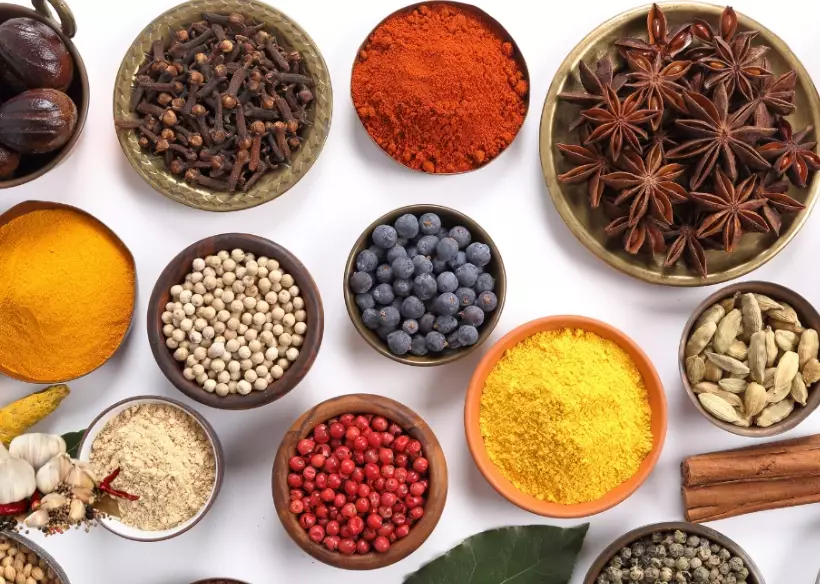
How to Use Indian Spices in Your Cooking
It's not just about adding spices; it's about timing. Let's take a simple butter chicken scenario.
First, toast whole spices like cumin and coriander seeds in a dry pan. I did this wrong initially—burned them because I got distracted. Low heat is key. Then, grind them. For butter chicken, you'll use a blend of turmeric, garam masala, and kasuri methi (dried fenugreek leaves). Add garam masala at the end, as I mentioned earlier. This preserves the aroma.
Another example: for dal, start with a tadka—mustard seeds crackled in hot oil with asafoetida. It transforms a simple lentil soup. I learned this from my grandmother; she'd say the tadka is the soul of the dish.
Spice Blends You Should Know
- Garam Masala: A warm blend of cardamom, cinnamon, cloves. Use sparingly.
- Chaat Masala: Tangy mix for snacks. Great on fruits—try it!
- Sambar Powder: South Indian blend for lentils. Complex and worth making at home.
I make my own garam masala; store-bought ones often have filler spices. It's a game-changer.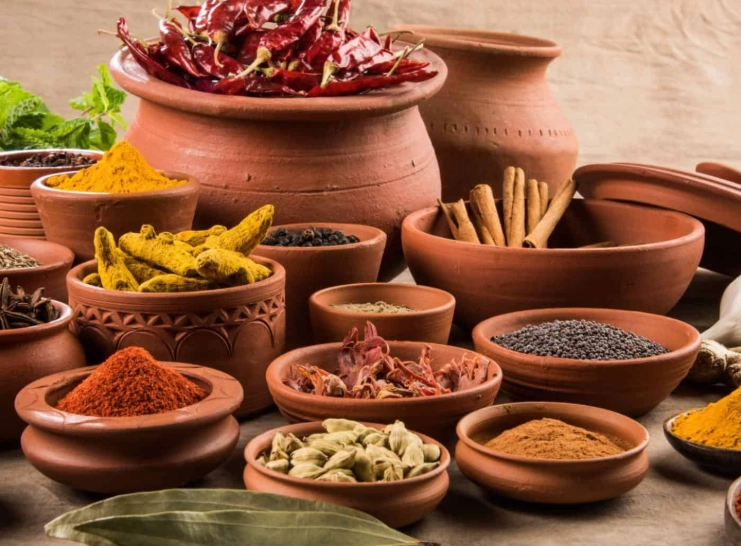
Storing Indian Spices: Expert Tips
Storage is where most people mess up. I kept my spices above the stove for years—big mistake. Heat and light degrade them fast.
Here's what works:
- Use airtight glass jars. Plastic can absorb odors.
- Store in a cool, dark cupboard. Not near the oven or window.
- Label with purchase dates. Whole spices last up to a year, ground ones about six months.
I once found a packet of cumin from two years ago—it smelled like dust. Tossed it immediately. Freshness matters for flavor.
For bulk buys, divide into smaller portions. Freeze spices like kasuri methi to extend life. The National Institute of Nutrition, India, recommends proper storage to maintain nutritional value.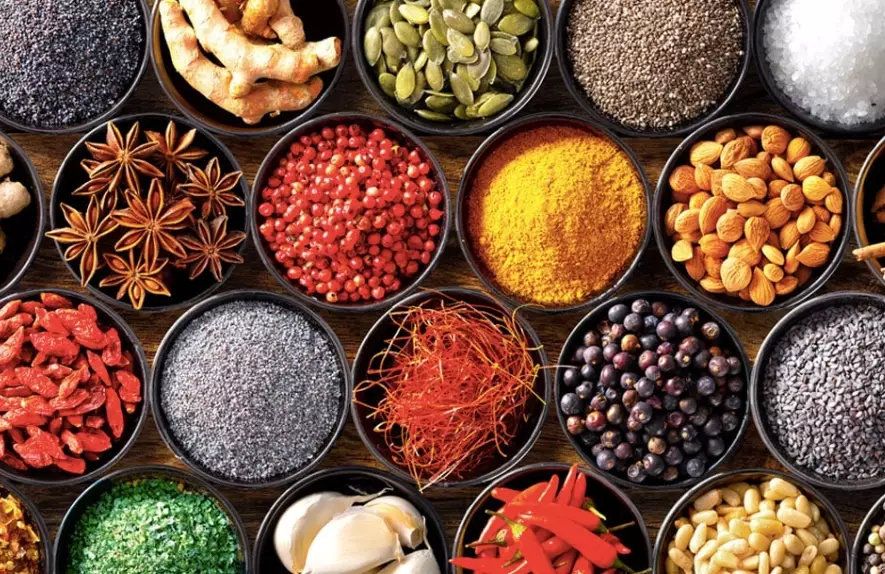
Common Mistakes with Indian Spices
Everyone makes errors, but here are subtle ones I've seen.
Overusing garam masala: It's a finisher, not a base. I've tasted dishes where it overpowers everything. Add a pinch at the end.
Not toasting spices: Toasting unlocks oils. Skip it, and your curry will lack depth. Do it gently—no burning.
Using stale spices: Check expiration dates. Old turmeric turns brown and loses potency.
Ignoring regional variations: South Indian spices differ from North Indian. For example, curry leaves are essential in the south, but often omitted up north. Adapt based on the recipe.
I fell for the "more is better" myth early on. Balance is key. Start with small amounts, taste, and adjust.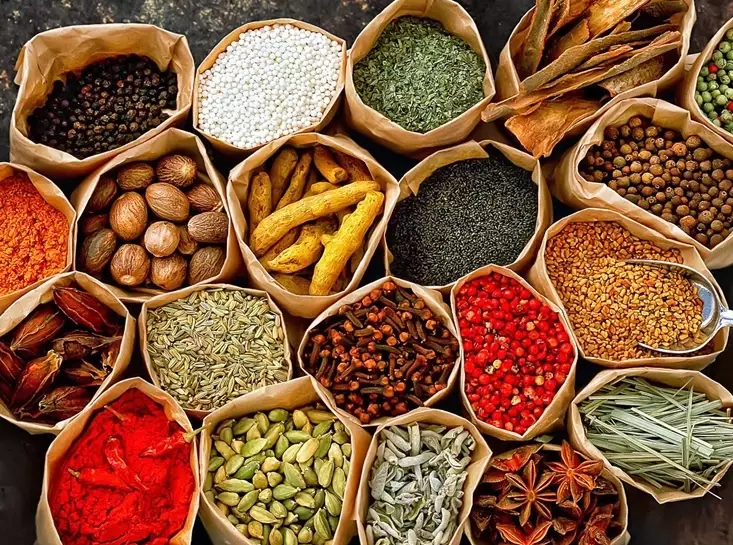
Your Questions Answered
Indian spices might seem daunting, but start small. Pick five from the list, try a simple recipe, and build from there. I still experiment—that's the fun part. Remember, it's about flavor, not perfection. Happy cooking!
Discussion