Quick Navigation
- More Than Breakfast: The Story in Your Steamer
- The Foundation: Choosing Your Ingredients Wisely
- The Step-by-Step, No-Fail Process
- Troubleshooting: Because Things Go Wrong
- Beyond the Basic Idli: Variations to Explore
- Serving & Storing: Making the Most of Your Batch
- Your Idli Questions, Answered
- The Final Word
Let's be honest. We've all tried at least one "foolproof" Indian idli recipe that ended up producing hockey pucks instead of fluffy pillows of fermented goodness. I know I have. I remember my first batch – dense, sour discs that even my dog wouldn't touch. But after years of trial, error, and countless conversations with my grandmother back in Chennai, I've finally cracked the code.
This isn't just another recipe. It's a system. A method that accounts for everything from the weather in your kitchen to the brand of rice you buy. Because making great idli isn't just about mixing rice and lentils; it's about understanding a living, breathing process.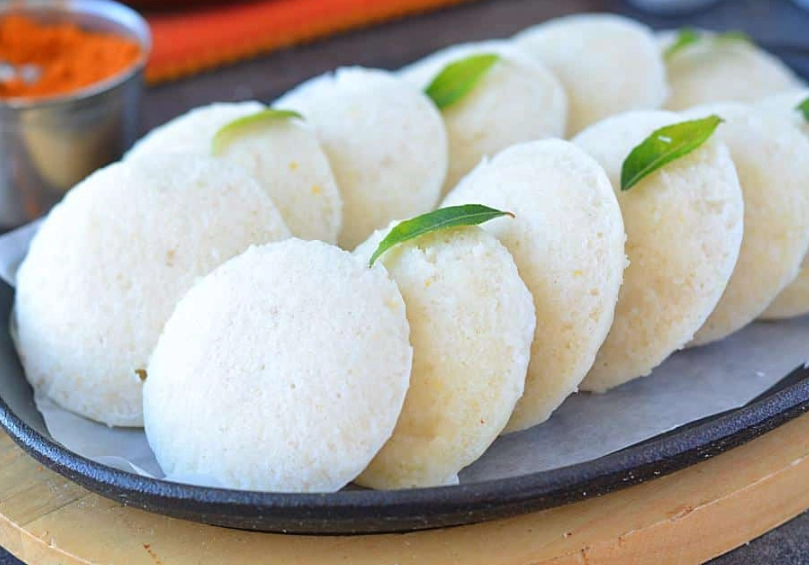
More Than Breakfast: The Story in Your Steamer
You can't really talk about an authentic Indian idli recipe without touching on its history. This staple of South Indian kitchens is ancient, with some food historians like K.T. Achaya suggesting fermented foods like idli may have been mentioned in Indian texts as early as 700-800 CE. Think about that – people have been perfecting this for over a thousand years.
What's fascinating is how idli represents a beautiful intersection of nutrition and tradition. The fermentation process not only makes the batter rise but also pre-digests the grains, making them easier for our bodies to absorb. It's a natural probiotic powerhouse, something modern science is only now fully appreciating.
Here's something most recipes don't tell you: The climate where you live dramatically changes how you make idli. What works perfectly in humid Chennai will fail miserably in dry, cold Berlin. I learned this the hard way.
The Foundation: Choosing Your Ingredients Wisely
The Rice Dilemma: Parboiled vs. Raw
This is where most beginners go wrong. You can't use just any rice. For the classic texture, you need a specific type.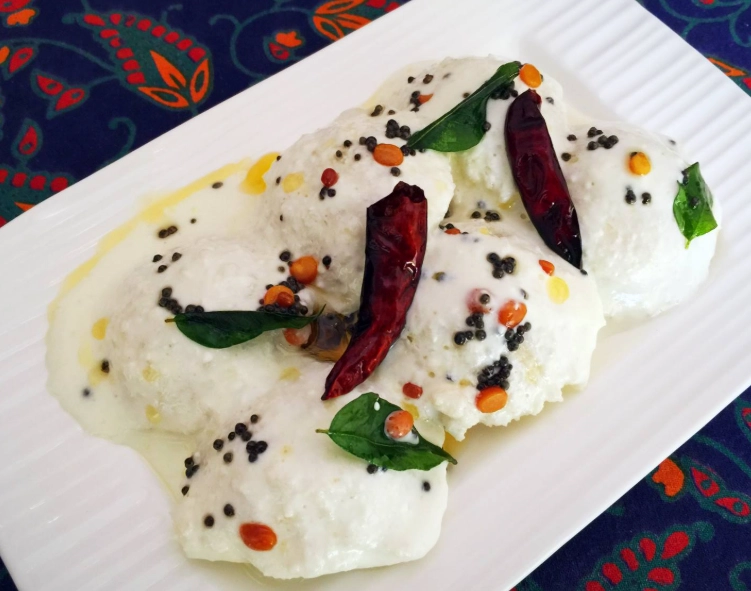
Parboiled rice (like the common Sona Masoori or the traditional Idli Rice variety) is non-negotiable for the main body of the batter. The parboiling process gelatinizes the starch inside the grain, which is what gives idlis their characteristic soft, yet slightly grainy, melt-in-your-mouth texture. Using regular raw rice will give you a sticky, gummy mess – trust me, I've been there.
However, some traditional cooks, especially in parts of Tamil Nadu, swear by adding a small handful of poha (flattened rice) or cooked rice to the grind. This isn't a cheat; it's an old technique to kickstart fermentation and add a touch of sweetness to the final product.
The Urad Dal: The Secret to the Airy Structure
If rice is the body of the idli, urad dal (black gram) is its soul – the ingredient responsible for all those tiny air bubbles that make idli so light. You must use whole, skin-on urad dal for the best results. The skin contains natural yeasts and microbes that are crucial for fermentation.
The ratio is critical. The classic proportion is 4 parts rice to 1 part urad dal. But listen, this isn't a law. In some family recipes, like my aunt's in Madurai, they use a 3:1 ratio for an even softer, more delicate idli. I find 4:1 gives a better structure, especially for beginners.
Biggest Mistake Alert: Do NOT substitute urad dal with other lentils like chana dal or moong dal. They behave completely differently and will not create the same web of gluten-like proteins that trap air during fermentation. Your idlis will be flat. Literally.
The Optional Boosters: Fenugreek and Poha
A teaspoon of fenugreek seeds (methi) added to the urad dal before soaking is a game-changer. Fenugreek acts as a natural fermentation aid and adds a subtle, complex flavor that balances the slight sourness. It's the difference between a good idli and a great one.
And that handful of poha I mentioned? Soak it along with the rice. It dissolves into the batter, adding natural sugars that the yeast feeds on, resulting in a more vigorous rise.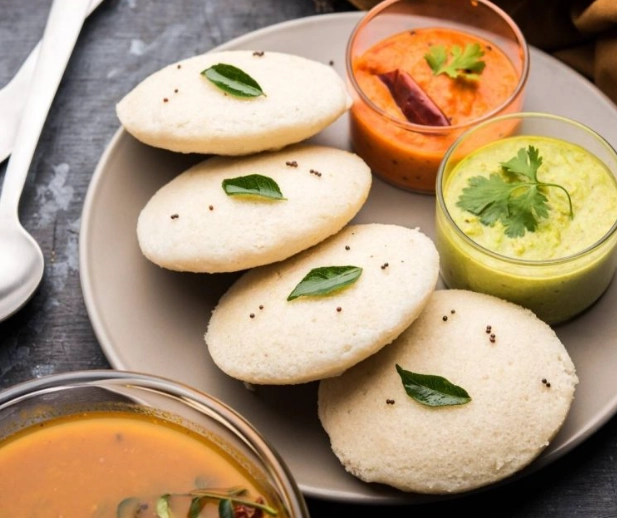
The Step-by-Step, No-Fail Process
Alright, let's get our hands dirty. Here is the complete, detailed breakdown of my go-to Indian idli recipe.
| Ingredient | Quantity | Notes |
|---|---|---|
| Parboiled Idli Rice (or Sona Masoori) | 4 cups | Washed and drained |
| Whole, skin-on Urad Dal | 1 cup | Do not use split or skinned |
| Fenugreek Seeds (Methi) | 1 tsp | Optional but highly recommended |
| Thick Poha (Flattened Rice) | 1/4 cup | Optional, for softer idlis |
| Salt | To taste | Add after fermentation |
| Water | As needed | For soaking and grinding |
| Step | Action | Key Details & Why |
|---|---|---|
| 1. Soaking | Soak rice and poha together in one bowl. Soak urad dal and fenugreek together in another. | Use plenty of water. They need to drink. Soak for 4-6 hours. No longer, or the grains will start to break down. |
| 2. Grinding the Batter | Grind urad dal first. Use a wet grinder if you have one, or a high-powered blender. | This is the most crucial step for fluffy idlis. Grind with small amounts of ice-cold water. The cold prevents the batter from heating and keeps it aerated. Grind until it's super fluffy and light – when you drop a bit, it should float in a bowl of water. This can take 25-30 minutes. |
| 3. Grinding the Rice | Grind the soaked rice and poha together. | Grind to a slightly coarse paste, like fine semolina. Add water sparingly. The rice batter should be thick. |
| 4. Mixing & Fermentation | Mix both batters thoroughly in a large, wide-mouthed container. | Use your hand to mix. It helps introduce natural yeast from your skin. The container should be at least 3-4 times the volume of the batter to allow for rise. Cover loosely with a lid or plate. |
| 5. The Waiting Game | Let it ferment in a warm place. | This is where weather matters. In winter, I keep it in my oven with the light on. It needs 8-12 hours. The batter should almost double, look frothy, and smell slightly sour and yeasty. |
| 6. Adding Salt & Steaming | Once fermented, add salt. Gently fold it in. DO NOT stir vigorously or you'll deflate all the air. | Grease your idli plates with a tiny bit of oil. Pour the batter, fill only 3/4 of each mold. Steam for 10-12 minutes on medium-high heat. Do not peek! Let steam fully escape before opening the lid. |
Pro-tip from my grandmother: "If your kitchen is cold, ferment the batter in a large pot of warm water. Just place the batter container inside a bigger pot filled with warm (not hot) water and cover the whole setup with a thick towel. It creates a perfect mini-climate." This trick has saved countless batches for me.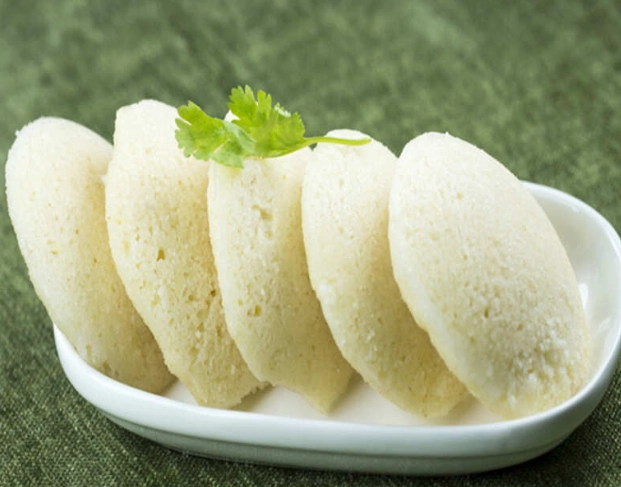
Troubleshooting: Because Things Go Wrong
Even with the best Indian idli recipe, sometimes the batter has a mind of its own. Here's how to diagnose and fix common problems.
My batter didn't rise.
This is usually a temperature issue. The microbes are sleepy. Try placing the batter container in your oven with just the interior light on (not the heat). The bulb generates enough warmth. Alternatively, as my grandma suggested, use the warm water bath method.
My idlis are flat and dense.
Two likely culprits: 1) You didn't grind the urad dal enough. It wasn't aerated. 2) You stirred the fermented batter too hard before steaming, knocking out all the precious air bubbles. Be gentle!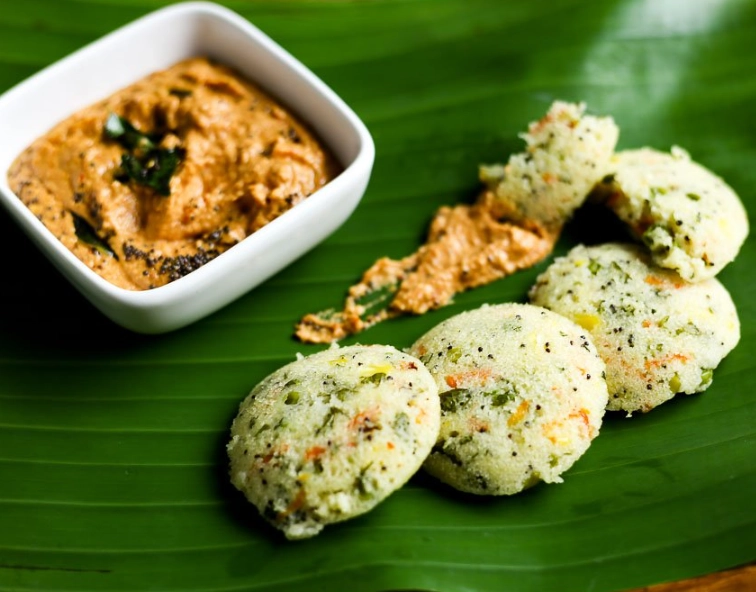
My idlis are too sour.
You over-fermented. In hot weather, fermentation can happen in 6-8 hours. Once the batter has doubled and looks frothy, you can slow it down by refrigerating it. The cold fridge will pause the fermentation.
My idlis stick to the plates.
Make sure you grease the plates well. Also, let the idlis cool for a full minute after steaming before trying to remove them. They need to firm up slightly. Use a wet spoon to gently scoop them out.
Beyond the Basic Idli: Variations to Explore
The beauty of this Indian idli recipe is that it's a canvas. Once you've mastered the classic, try these popular twists.
Rava Idli: Made with semolina instead of rice, it's instant and doesn't require fermentation. A great shortcut for unexpected guests. Sooji is toasted with spices, mixed with yogurt and baking soda, and steamed immediately.
Oats Idli: A healthier twist. Replace 1/4 of the rice with rolled oats. Grind them along with the rice. It adds fiber and a slightly nutty flavor.
Stuffed Idli (Mysore Masala Idli): This is a treat. Make a spiced potato filling (like for masala dosa). Pour a thin layer of idli batter into the greased mold, add a spoonful of filling, and cover with more batter. Steam as usual. A complete meal in one idli!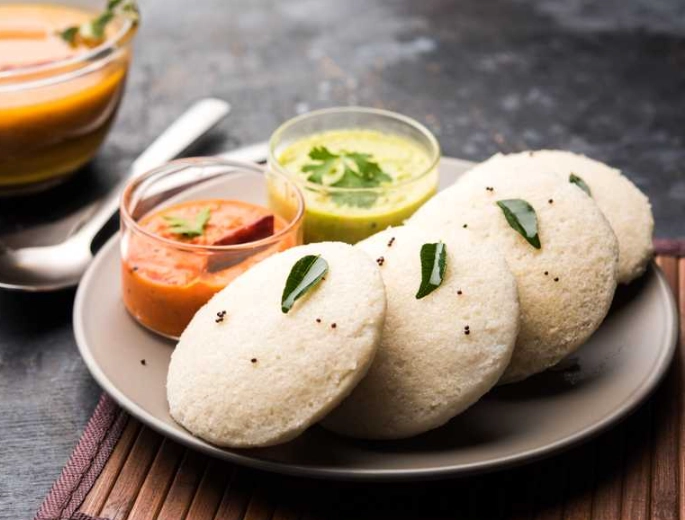
Serving & Storing: Making the Most of Your Batch
Freshly steamed idlis are divine, but what about leftovers?
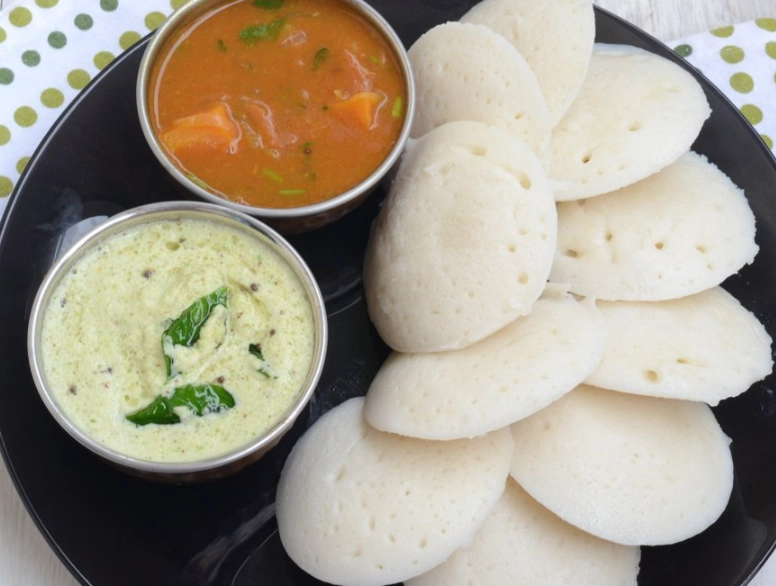
To Serve: Always serve idlis hot, straight from the steamer. The classic accompaniments are sambar (a lentil and vegetable stew) and coconut chutney. A dollop of homemade ghee on top is non-negotiable in my house.
To Store Batter: Fermented batter can be kept in the refrigerator for 3-4 days. It will continue to sour slowly. If it becomes very sour, you can use it to make deliciously tangy dosas (crepes) instead.
To Store Cooked Idlis: Let them cool completely, then store in an airtight container in the fridge for up to 2 days. To reheat, steam them again for 3-4 minutes. Do not microwave, or they will become rubbery.
Leftover Magic: Stale idlis are a gift. Cube them and pan-fry with onions, mustard seeds, and curry leaves to make "Idli Upma" – a fantastic, quick breakfast or snack. Or, dip them in a beaten egg (if you eat egg) and pan-fry for a fun fusion dish.
Your Idli Questions, Answered
The Final Word
Mastering an authentic Indian idli recipe is a journey, not a destination. My first perfect batch felt like a major life achievement. Don't get discouraged if your first try isn't restaurant-quality. Each batch teaches you something – about the grains, about fermentation, about your own kitchen's personality.
The key is patience and attention to detail. Feel the batter. Smell it as it ferments. Watch how it rises. This connection to the process is what transforms cooking from a chore into something deeply satisfying. You're not just making breakfast; you're harnessing an ancient, living process to create something nourishing and delicious.
So, go on. Soak some rice and dal. Give this Indian idli recipe a try. And when you pull those soft, steaming, cloud-like idlis out of your steamer, you'll know the effort was worth it. Happy steaming!
Discussion