I remember the first time I tried to make biryani at home. It was a disaster—the rice was mushy, the spices were uneven, and my kitchen smelled like a burnt mess for days. That's when I realized most recipes overcomplicate things. So, I spent years tweaking methods, and now I want to share an easy Indian biryani recipe that actually works. Forget the intimidation; this guide is for anyone who wants authentic flavor without spending hours in the kitchen.
Skip to What You Need
What Makes Biryani Special and Why DIY?
Biryani isn't just another rice dish. It's a layered masterpiece from the Indian subcontinent, combining fragrant rice, tender meat or vegetables, and a blend of spices that simmer together. The beauty? You can customize it to your taste. Making it at home saves money—restaurant biryani can cost $15-$25 per serving, while homemade versions cut that to under $5. Plus, you control the ingredients. No more mystery oils or excessive salt.
Many people think biryani requires professional skills. Not true. With this easy recipe, you'll see it's about patience, not perfection. I've adapted methods from sources like BBC Good Food's Indian cuisine guides and my own trials to simplify the process.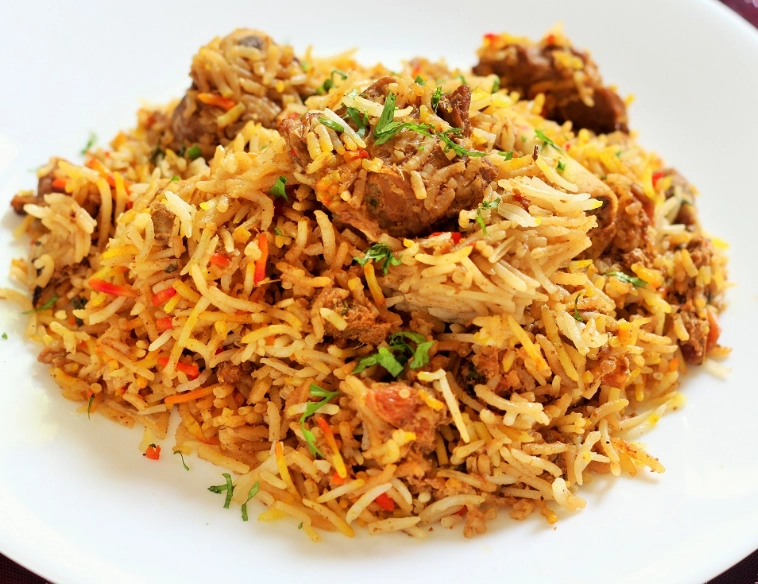
Gathering Your Ingredients: The Simple List
Don't worry about hunting down rare spices. Here's a straightforward list for a chicken biryani (serves 4-6). Swap chicken with potatoes or paneer for a vegetarian twist.
| Ingredient | Quantity | Notes for Easy Substitutes |
|---|---|---|
| Basmati rice | 2 cups | Rinse well to avoid stickiness; no need to soak for hours |
| Chicken thighs | 1 lb (boneless) | Thighs stay juicier than breasts, but use what you have |
| Onions | 2 large | Thinly sliced for caramelizing—this adds sweetness |
| Yogurt | 1/2 cup | Plain, full-fat works best; Greek yogurt can be too thick |
| Ginger-garlic paste | 2 tbsp | Buy pre-made or blend equal parts ginger and garlic |
| Biryani spices | See below | Core spices: cumin, coriander, turmeric, garam masala |
For spices, keep it simple. You'll need: 1 tsp cumin seeds, 1 tsp coriander powder, 1/2 tsp turmeric, 1 tsp garam masala, and a pinch of saffron (optional but recommended). If you have a biryani masala blend, use 2 tbsp—it's a shortcut I often take on busy days.
Time-saver: Use frozen chopped onions and pre-cut chicken to cut prep time by half. No shame in that—I do it when I'm rushing.
Cooking Steps: From Start to Finish
This process takes about 45 minutes active time, plus 20 minutes resting. Don't rush the layers; that's where the magic happens.
Step 1: Prep the Rice and Chicken
Rinse the basmati rice under cold water until it runs clear. This removes excess starch, preventing gumminess. Parboil the rice: boil 4 cups of water with a bay leaf and salt, add rice, cook for 5-7 minutes until it's 70% done (grains should have a slight bite). Drain and set aside. Meanwhile, marinate the chicken in yogurt, ginger-garlic paste, and half the spices. Let it sit for 15 minutes—no need for hours.
Step 2: Cook the Base
Heat 3 tbsp oil in a heavy-bottomed pot. Add sliced onions and fry on medium heat until golden brown. This takes 10-12 minutes; stir occasionally to avoid burning. Remove half for garnish. To the pot, add cumin seeds, then the marinated chicken. Cook for 8-10 minutes until chicken is no longer pink.
Step 3: Layer and Dum Cook
Here's the key: layer half the parboiled rice over the chicken, sprinkle some fried onions and remaining spices, then add the rest of the rice. Pour 1/4 cup water mixed with saffron (if using) over the top. Cover with a tight lid—use foil under the lid for a better seal. Cook on low heat for 20 minutes. This "dum" method steams the biryani, letting flavors meld.
Turn off the heat and let it rest for 10 minutes. Don't peek! That steam escape ruins the texture.
Pitfalls to Avoid: Lessons from My Kitchen
Most recipes gloss over errors that can wreck your biryani. Here are subtle ones I've learned the hard way.
- Overcooking the rice before layering: If the rice is fully cooked during parboiling, it turns mushy after dum. Aim for 70% done—grains should be firm in the center.
- Skimping on oil: Biryani needs fat for flavor and to prevent sticking. I once used olive oil for health reasons, and it tasted off. Stick to ghee or vegetable oil.
- Stirring after layering: This breaks the layers and mixes everything into a pulao. Once layered, resist the urge to touch it until serving.
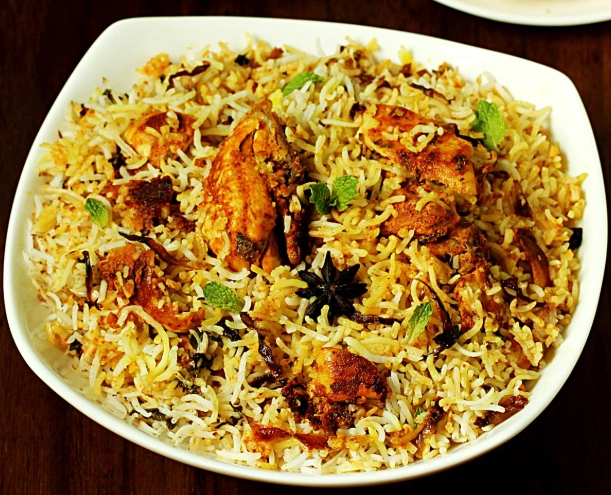
Watch out: Don't use instant rice or brown rice without adjusting liquid—they cook differently and can make the biryani dry or soggy.
Pro Tips for That Perfect Biryani
These tweaks come from my own experiments and chatting with home cooks in India.
For richer flavor: Fry a handful of cashews and raisins with the onions. It adds a sweet-savory crunch that elevates the dish.
If you're short on time: Use an Instant Pot. Sear chicken using the sauté function, then layer with rice and 1 cup water. Cook on high pressure for 8 minutes, natural release for 10 minutes. It's not traditional, but it works—I've done it for weeknight dinners.
To make it vegetarian: Replace chicken with 2 cups of mixed vegetables (carrots, peas, potatoes) or paneer cubes. Adjust cooking time: vegetables need less time, so parboil them slightly before layering.
Serve with raita (yogurt sauce) or a simple salad. Leftovers? They taste even better next day—store in an airtight container in the fridge for up to 3 days.
Your Questions, Answered
That's it—you're ready to make an easy Indian biryani that impresses. Start with this recipe, tweak it to your liking, and soon it'll become a staple in your kitchen. Trust me, the aroma alone is worth the effort. If you hit a snag, drop a comment on my blog, and I'll help out.
Discussion