Let's be honest. The thought of cooking Indian food at home can feel overwhelming. All those spices, the long simmering times, the fear of it not tasting "right." I've been there. My first attempt at a curry was a watery, bland disaster. But after years of trial, error, and learning from family friends in Delhi, I've cracked the code. Making a delicious, authentic Indian dinner on a weeknight isn't just possible; it can be simpler than you think. This isn't about restaurant-level perfection. It's about flavorful, satisfying food that brings your kitchen to life without keeping you there all night.
Your Quick Navigation to Indian Dinner Success
The Complete Weeknight Indian Dinner Menu
We're building a balanced meal here, not just one dish. The goal is harmony: a rich main, a comforting lentil side, fluffy rice, and bread for scooping. This menu is designed for parallel cooking—you can work on multiple components at once.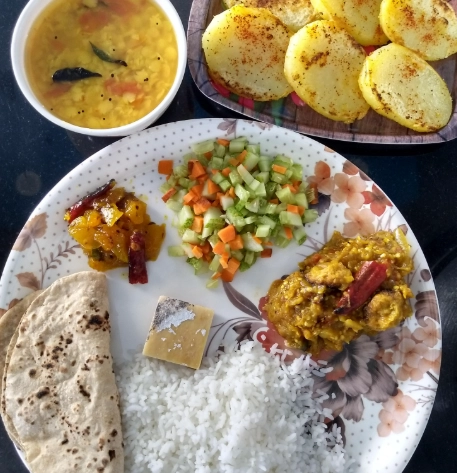
The Main Event: Butter Chicken (Murgh Makhani). Yes, it's popular for a reason. It's creamy, mildly spiced, and universally loved. It's also incredibly forgiving for beginners.
The Soulful Side: Tadka Dal. This is spiced lentil soup. It's protein-packed, easy to make, and adds a different texture and depth to the meal. Think of it as the comforting backbone.
The Pillowy Starch: Jeera Rice. Basmati rice toasted with cumin seeds. It's fragrant and the perfect base for the saucy butter chicken.
The Optional Scooper: Store-Bought Naan. Let's be practical. Making naan from scratch on a Tuesday is a bridge too far. A good quality store-bought naan, warmed in a toaster or oven, is a perfect, time-saving cheat. No shame.
Realistic Timing for a Real Kitchen
Total active time: About 60-70 minutes. Here's how it flows. Start the dal first—it simmers happily on its own. While it cooks, marinate the chicken (5 mins). Prep your onions, ginger, and garlic for the butter chicken. Start the rice. By the time the rice is cooking and the dal is simmering, you can focus entirely on building the butter chicken gravy. Everything finishes roughly together.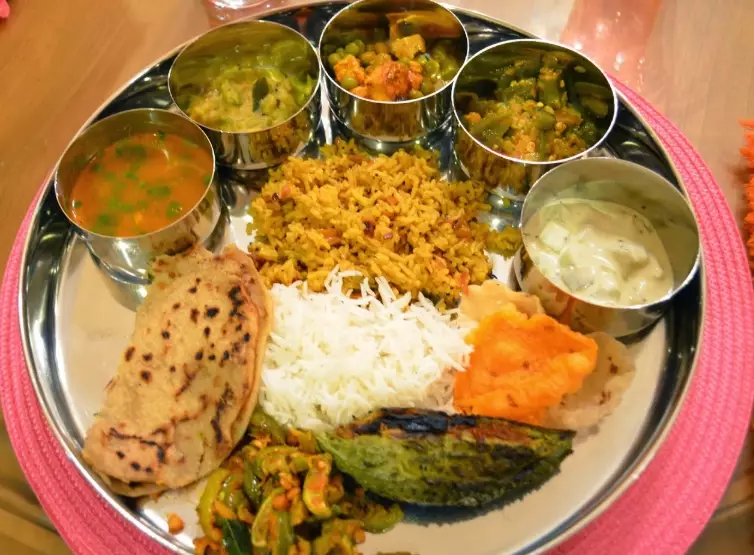
The 5 Essential Spices You Already Might Own
You don't need a cabinet full of 20 spices. These five form the foundation of countless North Indian dishes. Check your pantry; you probably have most.
| Spice | Flavor Profile | Its Role in Our Dinner |
|---|---|---|
| Cumin Seeds (Jeera) | Earthy, warm, slightly nutty. | Tempering for the dal, toasted in the rice, base for the butter chicken gravy. |
| Coriander Powder (Dhania) | Light, citrusy, floral. | The main background spice in both the dal and butter chicken. It balances heat. |
| Turmeric Powder (Haldi) | Earthy, peppery, vibrant yellow color. | Adds color and a subtle base flavor to both dishes. Don't overdo it. |
| Garam Masala | Warming blend (cinnamon, cardamom, cloves, etc.). | The finishing touch. Added at the very end of cooking for aroma. Never fry it. |
| Red Chili Powder or Paprika | Heat (or just color/smokiness). | Provides heat and color. Use Kashmiri chili powder for mild heat and bright red color, or mix paprika with a pinch of cayenne. |
How to Make "Foolproof" Butter Chicken (Murgh Makhani)
This is the simplified, home-kitchen method. The restaurant version involves tandoori ovens. We're using a skillet and a blender.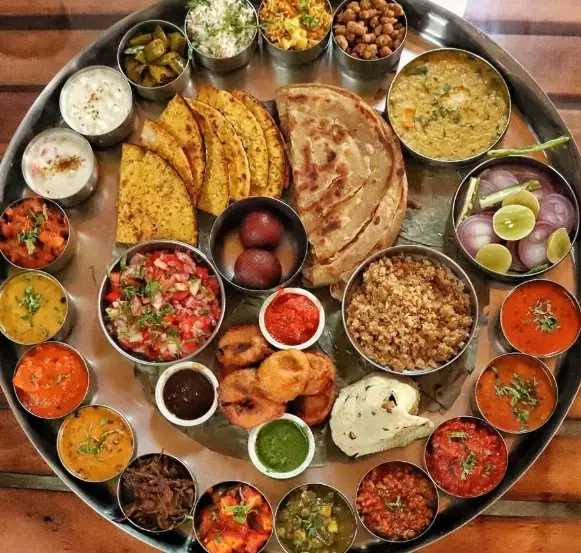
The Marination (5 minutes, do this first)
Take 1.5 lbs of boneless, skinless chicken thighs (thighs stay juicier than breasts), cut into bite-sized pieces. In a bowl, mix with:
- 1 cup plain yogurt (not Greek, it's too thick)
- 1.5 tbsp ginger-garlic paste (or 4 cloves garlic + 1.5" ginger, finely grated)
- 1 tsp turmeric powder
- 1 tsp red chili powder (or paprika)
- 1 tsp salt
Let it sit while you prep everything else. Even 20 minutes helps.
The Gravy: Where the Magic Happens
This is the step most people rush. Cook your onions slowly. That's the secret. In a large pan, heat 2 tbsp of oil or ghee. Add 1 tbsp cumin seeds until they sizzle. Add 2 large chopped onions. Cook on medium-low heat for a good 15-20 minutes, stirring occasionally, until they are deeply golden brown, not just translucent. This caramelization is non-negotiable for a rich, sweet base. No shortcuts.
Add 1 tbsp ginger-garlic paste and cook for 1 minute. Then add 1.5 tbsp coriander powder, 1 tsp turmeric, and 1-2 tsp red chili powder. Cook the spices for just 30 seconds—you'll smell their fragrance.
Now, add one 14-oz can of crushed tomatoes or tomato puree. Cook this mixture, stirring often, for about 8-10 minutes until the oil starts to separate from the sides. This is the "bhuna" stage, cooking down the tomatoes. It's done.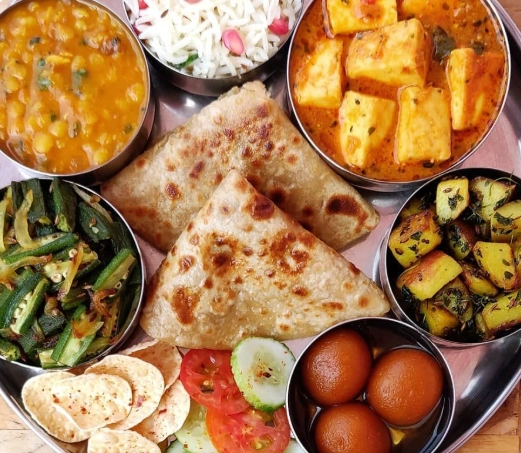
Let this mixture cool slightly, then blend it until smooth. Pour it back into the pan.
Bringing It All Together
Add the marinated chicken (and any marinade) to the smooth gravy. Add 1 cup of water. Simmer for 15-20 minutes until the chicken is cooked through. Now, lower the heat and stir in 1/3 cup of heavy cream (or 1/2 cup for extra richness) and 1 tbsp of garam masala. Taste for salt. Finish with a knob of butter if you like. That's it.
3 Common Mistakes That Ruin Homemade Indian Food
These aren't about fancy techniques. They're the simple things that make food taste "homemade" versus "restaurant-style."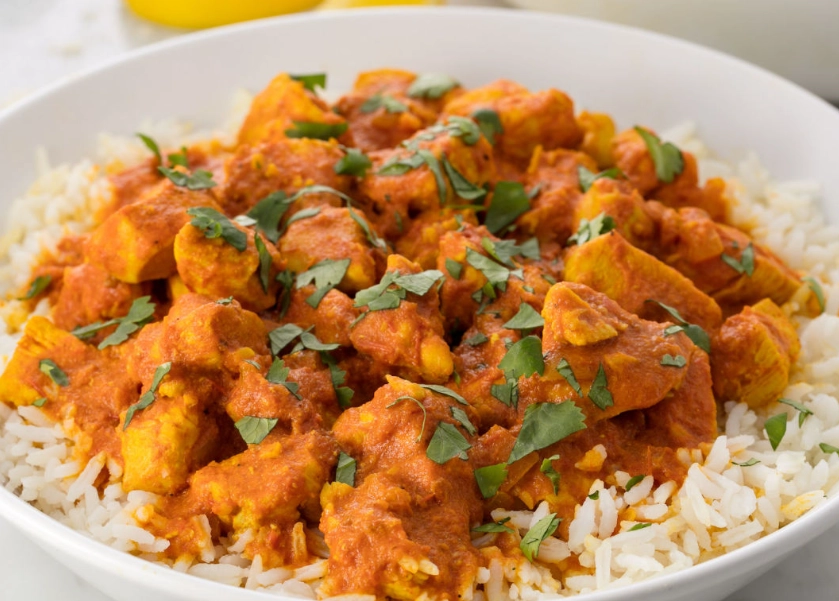
1. Not Cooking the Spices Enough (or Cooking Them Too Much). Raw ground spices taste dusty and bitter. You need to fry them in oil for 30-60 seconds to release their essential oils. But burn them, and they turn acrid. The window is small. Add them after your onions/ginger are cooked, keep the heat medium, and stir constantly until fragrant.
2. Skipping the Onion Browning. Throwing in onions and cooking them for 5 minutes until soft is not enough. That golden-brown, almost jammy stage is what gives North Indian gravies their foundational sweetness and depth. It takes patience, but it's the single biggest flavor upgrade you can make.
3. Using Cold, Just-Opened Canned Tomatoes. Canned tomatoes have a sharp, tinny acidity. If you blend and use them straight from the can, that acidity dominates. Cooking them down in the spice-onion mixture for 8-10 minutes mellows that acidity and blends the flavors. Don't skip the simmer.
How to Control Spice Heat for Everyone at the Table
You love heat, your kids don't. Here's how to manage one pot for all.
Build the base mild. Use Kashmiri chili powder (more color, less heat) or just paprika in the main gravy. This gives the classic red hue without intense spice.
Add heat at the end, individually. Serve a small bowl of a spicy condiment on the side. A quick one: mix yogurt with a bit of green chili paste or a store-bought spicy chili garlic sauce. Those who want heat can mix a spoonful into their portion. Alternatively, keep a sprinkle of cayenne pepper on the table.
This approach is better than trying to tone down an overly spicy pot, which usually just involves adding more cream or sugar and muddling the other flavors.
Your Indian Cooking Questions, Answered
The real joy of a homemade Indian dinner isn't just in the eating. It's in the process—the aromas filling your kitchen, the gradual building of flavors, and the satisfaction of creating something complex-tasting from simple steps. Start with this menu. Master the rhythm. Soon, you'll be tweaking spice levels, trying new vegetables, and making it truly your own. That's when the real fun begins.
Discussion