You walk into an Indian buffet. The air is fragrant with cumin, turmeric, and roasting spices. Your plate is empty, your stomach is ready, but a sea of steaming metal trays stretches before you. Where do you even start? What's the one dish that's almost guaranteed to be a hit, the one that disappears fastest from the tray?
Let's cut to the chase. After talking to buffet owners, chefs, and observing countless filled plates (including my own over the last decade), the answer is clear: Butter Chicken (Murgh Makhani).
It's not even a close contest. If an Indian buffet runs out of butter chicken, there's a minor crisis. It's the gateway curry, the crowd-pleaser, the dish that defines "Indian food" for millions globally. But why this one? And what should you know about it before you pile it onto your plate?
What's Inside
What Exactly is Butter Chicken? (The Anatomy of a Winner)
Butter chicken isn't just chicken in a creamy sauce. That's a common oversimplification that misses its genius. Its creation story, often attributed to the kitchens of Moti Mahal in Delhi in the 1950s, is one of beautiful improvisation. The tale goes that leftover tandoori chicken was simmered in a rich gravy of tomatoes, butter, and cream to prevent it from drying out. The result was a revolution.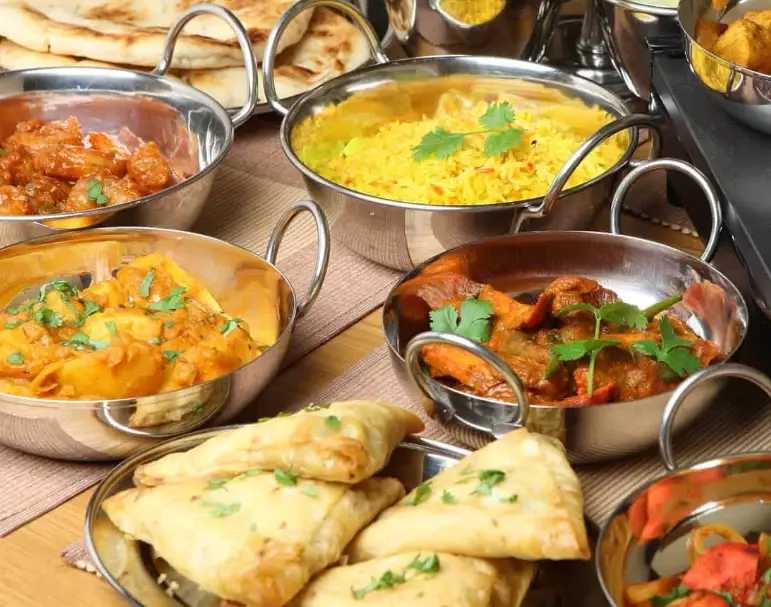
The process matters. First, chicken is marinated in yogurt and spices, then cooked in a tandoor (clay oven), giving it a smoky char. These pieces are then gently folded into a velvety sauce made from pureed tomatoes, butter (makhan), cream, and a specific blend of spices like garam masala, kasuri methi (dried fenugreek leaves), and a touch of sugar to balance the tomatoes' acidity.
The magic is in the balance. It's rich but not overly heavy. It's creamy but has depth from the charred chicken and spices. It's tangy, slightly sweet, and universally approachable. It's the dish that rarely offends anyone's palate.
Why Butter Chicken Reigns Supreme
Popularity at a buffet isn't an accident. It's a perfect storm of factors that make it the first stop for seasoned foodies and cautious newbies alike.
The Flavor Profile
It hits all the right notes. The creamy, tomato-based gravy is familiar to Western palates (think of a much more sophisticated, spiced tomato soup), while the Indian spices introduce new flavors in a gentle, welcoming way. There's no aggressive heat—the spice level is usually mild to medium, making it a safe choice for groups and kids.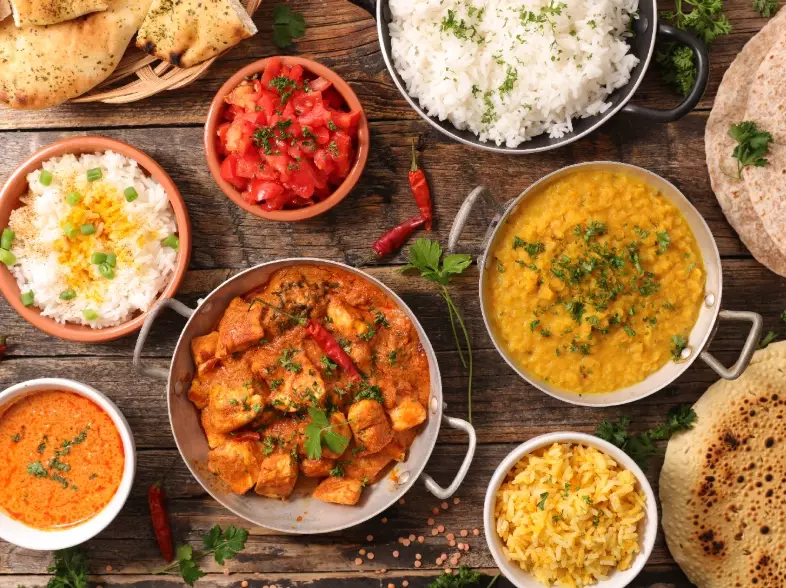
The Texture
That creamy gravy is a vehicle for flavor. It clings perfectly to rice and is ideal for scooping up with naan. The texture experience—soft chicken, silky sauce, chewy bread—is deeply satisfying. A well-made butter chicken gravy should coat the back of a spoon. If it's watery, that's a red flag.
The Cultural Crossover
Butter chicken has become a global phenomenon. It's frequently featured in international media as a quintessential Indian dish. The BBC has covered its history, and food travelogues often highlight it. This exposure drives people straight to that buffet tray, wanting to try the "real thing."
Pro Tip from a Buffet Regular: The biggest mistake I see? People treating butter chicken like it's the only dish. They load half their plate with it. Don't do this. It's the star, but it needs a supporting cast. Take a modest serving and use it as the rich, creamy centerpiece of a more diverse plate.
How to Navigate an Indian Buffet Like a Pro
Knowing the most popular dish is just step one. Using that knowledge to build a fantastic meal is step two. Here’s how I approach a buffet.
First Lap: The Reconnaissance. I walk the entire line with an empty plate. I look for freshness, color, and consistency. Is the butter chicken's gravy a rich, reddish-orange, or is it pale and thin? Is there a fresh batch of naan coming out? I identify 3-4 dishes besides butter chicken that look promising.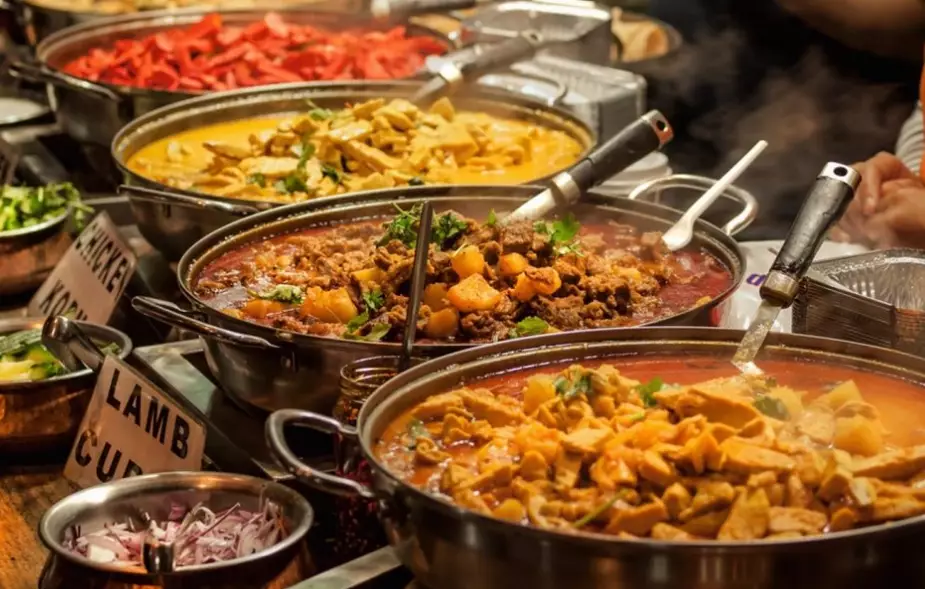
Second Lap: The Build. This is where strategy kicks in.
- Base Layer: A small bed of basmati rice. Just enough to soak up sauces.
- The Star: A single, well-placed ladle of butter chicken. Off to one side.
- The Contrast: Something to cut the richness. This could be a tangy Chana Masala (chickpeas), a dal (lentil stew) like Dal Tadka, or a dry vegetable dish like Aloo Gobi (potatoes and cauliflower).
- The Vegetarian Powerhouse: A portion of Palak Paneer (spinach with cheese) or Malai Kofta (vegetable dumplings in gravy). These are hearty and flavorful.
- The Essential Carb: One piece of hot naan or a roti.
- The Accent: A tiny spoon of raita (yogurt sauce) or pickle for bursts of coolness or tang.
Avoid the rookie error of taking multiple creamy, heavy curries. You'll end up with a plate of beige mush that all tastes the same. Aim for variety in color, texture, and flavor profile.
Beyond Butter Chicken: Other Buffet Must-Tries
While butter chicken wears the crown, a great buffet offers a supporting cast of champions. Here’s a quick comparison of other heavy-hitters you'll almost always find.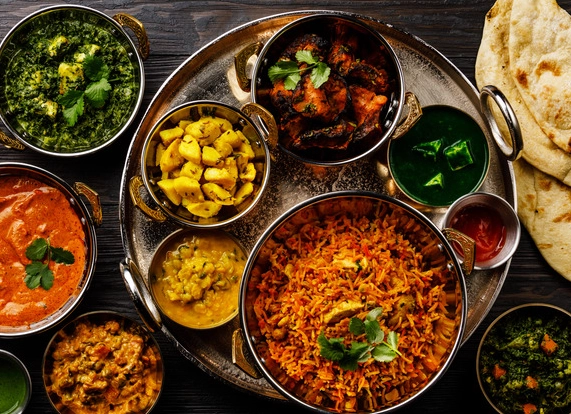
| Dish | What It Is | Why It's Popular | Perfect For... |
|---|---|---|---|
| Butter Chicken | Tandoori chicken in creamy tomato-butter gravy. | Universally appealing, rich, mild, iconic. | First-timers, anyone seeking comfort food. |
| Chicken Tikka Masala | Grilled chicken chunks in a spiced, creamy (often orange) sauce. | Similar appeal to butter chicken, often slightly tangier. A British-Indian classic. | Those who want a twist on the classic creamy chicken curry. |
| Palak Paneer | Soft paneer cheese cubes in a spiced spinach puree. | The king of vegetarian options. Healthy, creamy, packed with flavor and protein. | Vegetarians and anyone wanting a nutritious, delicious curry. |
The Creamy Contender: Chicken Tikka Masala
This is butter chicken's closest rival. The chicken is similarly marinated and grilled, but the sauce is distinct—often brighter orange from paprika or tomato, and can be tangier. Its origins are famously debated, with Glasgow and Birmingham in the UK staking claims. It's a must-try, but do a side-by-side taste test with butter chicken to appreciate the differences.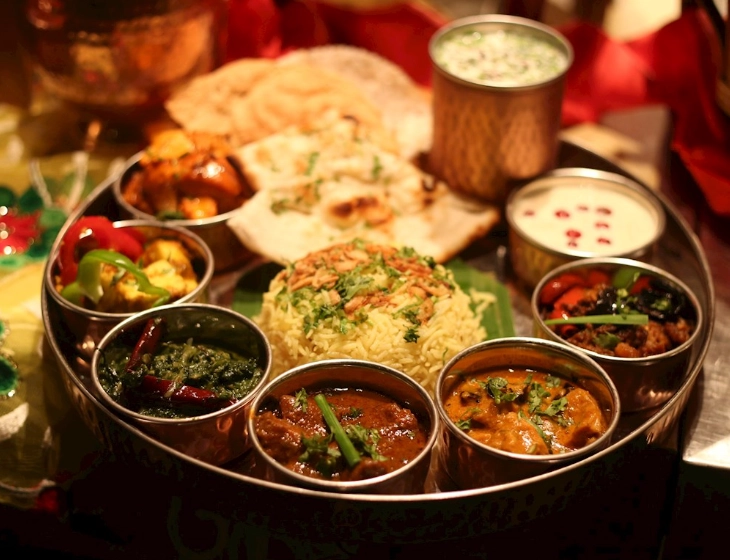
The Vegetarian Powerhouse: Palak Paneer
If you see a vibrant green curry, that's likely it. Don't let the color fool you; it's not just "spinach." The spinach is cooked down with spices, garlic, ginger, and blended into a luxuriously smooth sauce that cradles soft, milky paneer. It's my personal go-to after butter chicken. It feels wholesome and indulgent at the same time.
Other reliable winners include Rogan Josh (a flavorful, aromatic lamb curry), Dal Makhani (creamy black lentils), and Vegetable Biryani (fragrant spiced rice with veggies).
The Expert's Plate: Building Your Perfect Meal
Let me describe my ideal single plate from a good, standard Indian buffet. This isn't a tasting menu; it's a practical, delicious meal built for maximum enjoyment.
I start with a warm, fluffy piece of garlic naan laid across one third of the plate as a foundation. Next to it, a modest scoop of basmati rice, maybe with a single strand of saffron on top if I'm lucky.
Now for the curries. I create three distinct zones.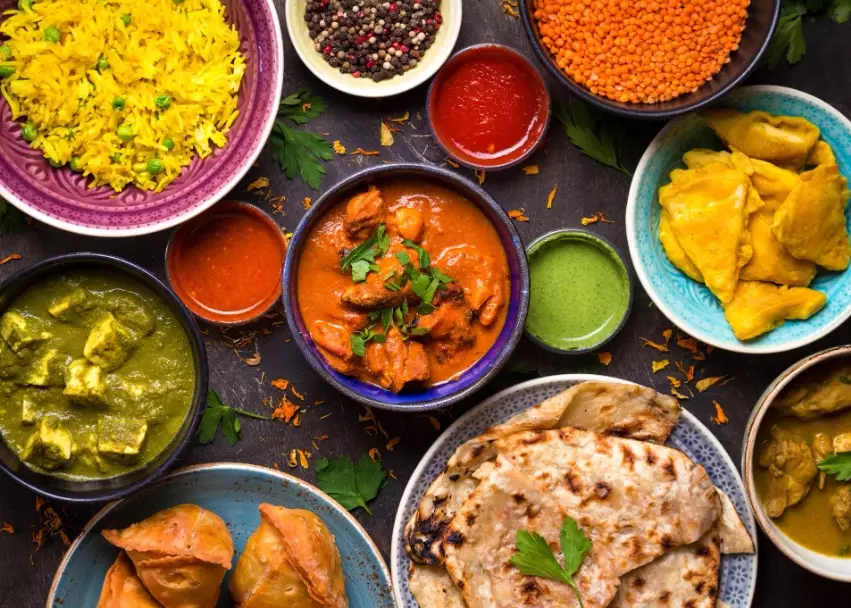
- Zone 1 (Rich & Creamy): A generous portion of butter chicken, right next to the rice. The gravy will inevitably mingle, and that's the goal.
- Zone 2 (Earthy & Savory): A ladle of Dal Tadka—yellow lentils tempered with cumin, garlic, and chili. This provides a lighter, protein-packed contrast.
- Zone 3 (Fresh & Tangy): A small mound of cucumber raita and maybe one piece of tandoori chicken or a seekh kebab for a smoky, charred element.
Finally, a single pakora (vegetable fritter) perched on the edge for crunch. I never take more than four main items. This way, I can actually taste everything, and I have room for a second plate if something truly spectacular catches my eye.
The worst buffets I've been to have butter chicken that tastes like sweet, orange glue. The best ones have a version where you can taste the smokiness of the chicken, the tang of real tomatoes, and the subtle fragrance of fenugreek. It makes all the difference.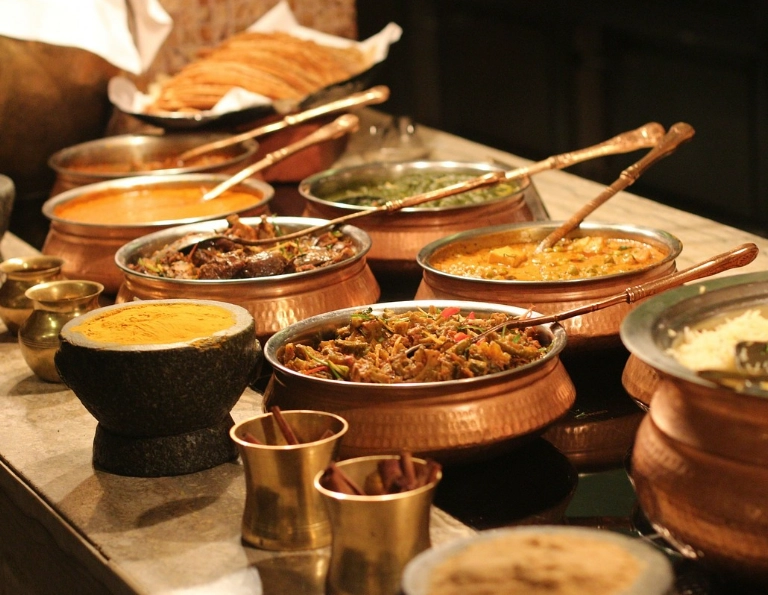
Your Indian Buffet Questions, Answered
Is butter chicken the same as chicken tikka masala?
What is the best vegetarian dish at an Indian buffet?
How can I tell if the butter chicken at a buffet is good quality?
What should I eat with butter chicken?
So, next time you're at an Indian buffet, head straight for the butter chicken. But just don't stop there. Use it as the centerpiece of a carefully crafted culinary adventure. Now you know not just what's popular, but why, and exactly how to enjoy it like a pro.
Discussion