My first attempt at biryani was a disaster. The rice was mushy on one side, undercooked on the other. The chicken tasted bland, like boiled meat that had a brief, unconvincing encounter with a spice jar. The whole thing smelled great, but eating it was a chore. That experience, years ago, sent me on a quest. I talked to home cooks in Hyderabad and Lucknow, pestered restaurant chefs for clues, and ruined more pots of rice than I care to admit. What I learned is that a perfect biryani isn't a recipe you just follow. It's a balance of specific elements, a specific technique, and a few secrets most online recipes gloss over.
A perfect biryani is a dish of contrasts and harmony. Each grain of rice should be separate, long, and fragrant, yet infused with the essence of the meat and spices. The meat must be succulent, falling off the bone, its flavor deeply marinated. And they must come together not as a mix, but as distinct layers that steam into a unified whole. Miss one element, and the magic is gone.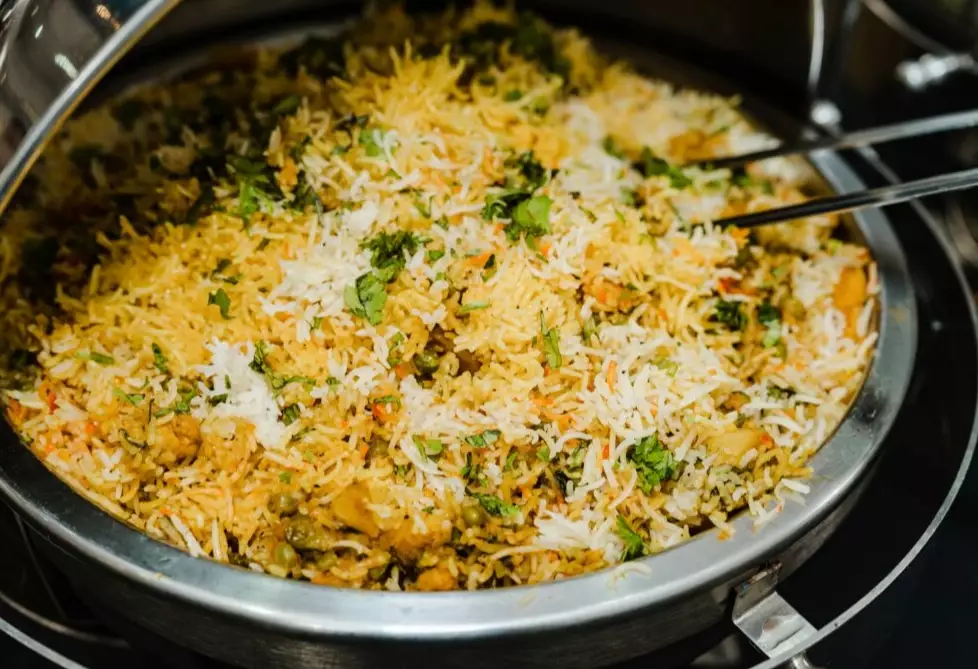
Your Biryani Blueprint
- The Four Non-Negotiable Pillars of a Great Biryani
- What is the 'Dum' Cooking Technique and Why is it Non-Negotiable?
- How to Layer a Biryani: The Architecture of Flavor
- The Three Mistakes That Ruin 90% of Home-Cooked Biryanis
- Beyond the Recipe: Expert Secrets for the Next Level
- Your Biryani Questions, Answered
The Four Non-Negotiable Pillars of a Great Biryani
Think of these as the foundation. Get these right, and you're 80% of the way there.
1. The Rice: It's Not Just Any Grain
Basmati is the undisputed king, and not all basmati is created equal. You need aged, long-grain basmati. The aging process (often 1-2 years) reduces moisture, which is why the grains elongate so dramatically and stay separate when cooked. That fluffy, non-sticky texture? It starts here. I've tried making biryani with cheaper, newer basmati, and the result is always clumpier, less fragrant.
Pro Tip: Soak the rice for at least 30 minutes, but no more than 60. This allows the grains to absorb water and cook evenly from the inside during the brief par-boiling. Skipping this is a guarantee of uneven cooking.
2. The Meat (or Vegetables): Building Depth of Flavor
Whether it's goat, chicken, or vegetables, the protein isn't just an add-in. It's a flavor foundation. The most critical step is the marination. A good marinade for biryani isn't just yogurt and a few spices. It's a complex paste that includes raw papaya or ginger-garlic paste (as a tenderizer), fried onions, whole yogurt (not low-fat, the fat carries flavor), and a carefully balanced spice mix.
The meat should marinate for a minimum of 2 hours, ideally overnight. This isn't just for taste; the enzymes in the yogurt and tenderizers start breaking down the protein, ensuring it becomes melt-in-the-mouth tender during the slow 'dum' cooking, not tough.
3. The Spices: A Symphony, Not a Solo
Too many recipes just list "biriyani masala." That's like saying "add music." The blend matters. Whole spices toasted in ghee or oil at the start of cooking the meat lay the base notes—cinnamon, cardamom (green and black), cloves, bay leaf. Ground spices like coriander, cumin, and red chili powder add body. And then there's the final flourish: saffron.
Don't just sprinkle powdered saffron. Soak a few strands in warm milk or rose water for 15 minutes. The color and aroma it releases are incomparable. This saffron-infused liquid is what gives the rice those beautiful golden streaks.
4. The Fried Onions (Birista)
This is the secret weapon, the ingredient that adds a deep, sweet, umami-rich caramelized flavor and crucial texture. Thinly sliced onions are fried in oil until they are a deep, even brown—not blonde, not burnt. They're used three ways: ground into the marinade for depth, mixed into the rice layers for flavor, and sprinkled on top for a final crispy garnish. Store-bought fried onions are a pale imitation. The 15 minutes it takes to make them fresh is non-negotiable for a perfect biryani.
What is the 'Dum' Cooking Technique and Why is it Non-Negotiable?
This is the heart of the matter. 'Dum' literally means 'breath.' It's the process of sealing a pot with dough or a tight lid and cooking the assembled biryani on very low heat. This is not boiling or frying. It's gentle, trapped steaming.
Here's what happens inside that sealed pot: The steam from the marinated meat and partially cooked rice circulates but cannot escape. It condenses on the lid and falls back onto the rice. This slow, self-basting process does several miraculous things:
- It finishes cooking the rice and meat to perfect tenderness without burning.
- It allows the flavors of the meat, spices, and rice to intermingle and marry completely.
- It creates that coveted layer of slightly crispy, toasted rice at the bottom of the pot (the 'tahdig' or 'bottom pot'), which is a delicacy in itself.
If you skip the 'dum' and just mix everything and cook it like a pilaf, you'll get a tasty rice dish, but it won't be a biryani. The soul will be missing.
How to Layer a Biryani: The Architecture of Flavor
Layering is how you ensure every bite is balanced. After par-boiling the rice and fully cooking the marinated meat gravy (until the oil separates), you build in layers.
- The Base: A thin layer of the meat and gravy at the bottom of a heavy-bottomed pot.
- First Rice Layer: Half the par-boiled rice, spread evenly.
- The Aromatics: Sprinkle half your fried onions, fresh mint, cilantro, and a drizzle of the saffron milk.
- Second Meat Layer: The rest of the meat and gravy.
- Second Rice Layer: The remaining rice.
- The Final Flourish: The rest of the fried onions, herbs, saffron milk, and a few drops of kewra water or rose water (optional but magical). Drizzle a tablespoon of ghee over the top.
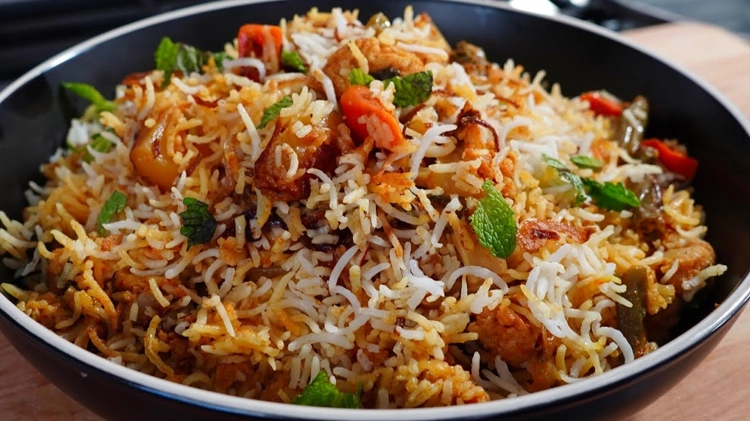
Now, seal it for 'dum.'
The Three Mistakes That Ruin 90% of Home-Cooked Biryanis
After tasting and troubleshooting countless biryanis, these are the recurring villains.
| Mistake | What Happens | The Fix |
|---|---|---|
| Overcooking the rice during par-boiling | The rice turns mushy during 'dum,' losing all texture. You get a porridge-like consistency. | Par-boil until the rice is 70% cooked. The grain should still have a firm, opaque core when you bite into it. It will finish cooking in the 'dum.' |
| Insufficient fat (ghee/oil) in the marinade & cooking | The meat dries out, the spices taste raw and dusty, and the rice sticks. Fat is the vehicle for flavor and moisture. | Don't be shy with ghee or good-quality oil. It should visibly separate from the gravy when the meat is cooked. This separated oil will coat the rice grains during 'dum,' preventing stickiness. |
| Breaking the 'dum' seal too early | You release all the built-up steam and aroma. The cooking stops abruptly, leaving undercooked patches and weak flavor. | Once sealed, commit. A standard chicken biryani needs 20-25 minutes on lowest heat. For goat, 30-35 minutes. Do not peek. After turning off the heat, let it rest, still sealed, for another 10 minutes (called 'dum resting'). |
Beyond the Recipe: Expert Secrets for the Next Level
These are the little things I picked up from masters that make a tangible difference.
The Potato Trick: In some styles (like Kolkata biryani), a large potato quarter, fried and layered with the meat, is genius. It soaks up all the glorious juices and becomes a treasure to fight over.
Kewra Water vs. Rose Water: A few drops of kewra (screwpine) water added to the saffron milk introduces a delicate, floral aroma that's distinctly "biriyani." Rose water is stronger and sweeter; use it more sparingly. I prefer kewra for its subtlety.
The Rest is Non-Negotiable: That 10-minute rest after 'dum' is not idle time. It allows the intense heat and steam to settle, the grains to firm up slightly, and the flavors to finalize their integration. Serving immediately straight from the fire often results in a wetter, more broken dish.
Your Biryani Questions, Answered
 My biryani lacks that deep, restaurant-style color. How do I get it?
Discussion